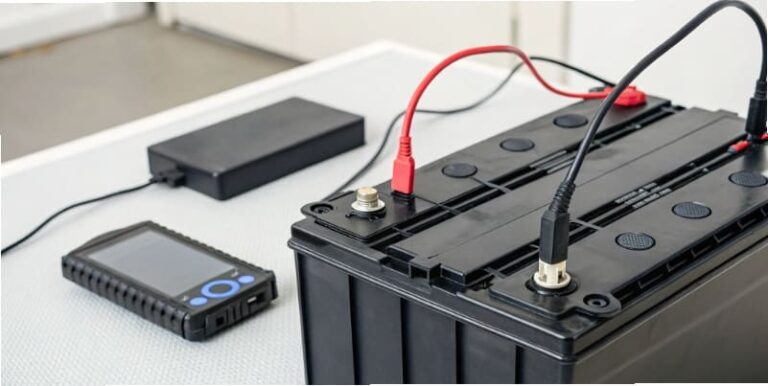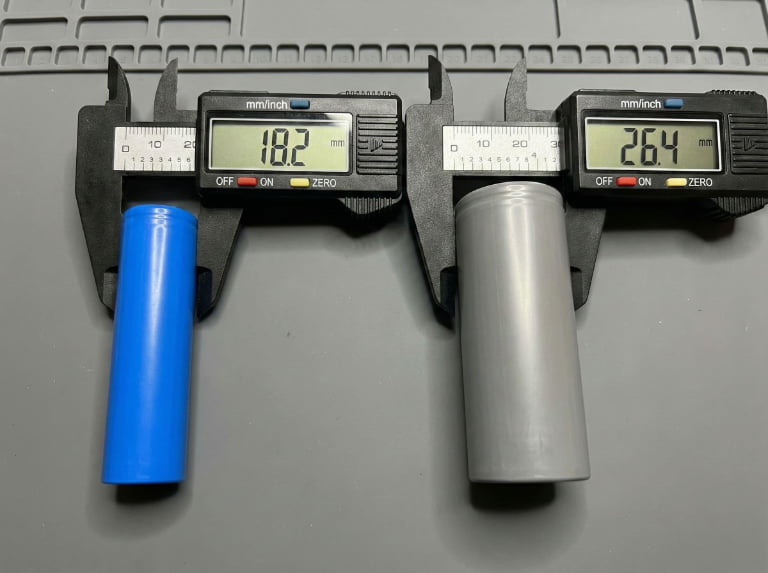
Are your batteries failing in extreme weather? This sensitivity causes performance drops and failures. I'll explain how to manage it for reliable power and longer life.
Temperature is a double-edged sword for lithium-ion batteries1. It significantly impacts capacity, power, lifespan, and safety by altering internal chemical reactions. The ideal operating range is 20°C to 30°C. Outside this range, performance degrades, and permanent damage can occur.
Understanding how temperature affects batteries is one of the most important parts of my job. Here at Litop, we design custom battery solutions2 for everything from medical devices to wearables. I've seen countless projects succeed or fail based on how well they managed temperature. It’s not just about the battery; it’s about the reliability of the entire product. Let's dive deeper into what happens inside a battery when it gets too hot or too cold. It's fascinating and crucial for anyone who depends on battery power.
How Does Extreme Cold Weather Affect Lithium-Ion Battery Performance and Range?
Ever had your phone shut down unexpectedly on a cold day? It seems like the battery is dead, but it's not. The cold simply puts the battery's chemical process into a deep "hibernation."
Cold weather makes the battery's electrolyte thicker, which slows down the movement of lithium ions. This increases the battery's internal resistance and dramatically reduces its available power and capacity, causing your device's runtime to plummet. It feels like the battery is drained, even when it’s not.
When I talk to clients, especially those making outdoor or medical equipment, the "winter problem" always comes up. The science behind it is quite simple. Think of the inside of a battery as a busy highway for lithium ions. At room temperature, traffic flows smoothly. But when it gets cold, the electrolyte—the medium the ions travel through—thickens up like honey. This makes it incredibly difficult for the ions to move from the anode to the cathode to produce power.
This slowdown has two major effects:
- Reduced Power: The battery can't deliver energy quickly. A device that needs a sudden burst of power, like a camera flash or a medical monitor alarm, might fail because the ions are just moving too slowly.
- Apparent Capacity Loss: Your device's battery gauge might drop from 80% to 10% in minutes. The energy is still there, but it's "frozen" and inaccessible. Once the battery warms up, the capacity will appear to return.
The real danger, however, is charging in the cold. I always warn my customers about this. Charging below 0°C (32°F) can cause a phenomenon called "lithium plating." Because the ions are moving so sluggishly, they can't properly insert themselves into the graphite anode. Instead, they pile up on the surface, forming metallic lithium dendrites. This is permanent damage. These dendrites not only reduce the battery's total capacity forever but can also grow large enough to pierce the separator, causing a short circuit and a major safety hazard. At Litop, we've developed specialized low-temperature battery packs that use unique electrolyte formulas to solve this very problem for our clients in colder climates.
What Is the Optimal (Ideal) Operating Temperature Range for Lithium-Ion Batteries?
Are you getting the most out of your batteries? Using them outside their comfort zone drastically shortens their life. Knowing the ideal temperature is the key to maximizing both performance and lifespan.
The ideal operating temperature for most high-capacity lithium-ion batteries is between 20°C and 30°C (68°F and 86°F). In this range, the internal chemistry works most efficiently, providing the best balance of capacity, power output, and long-term health for the battery.
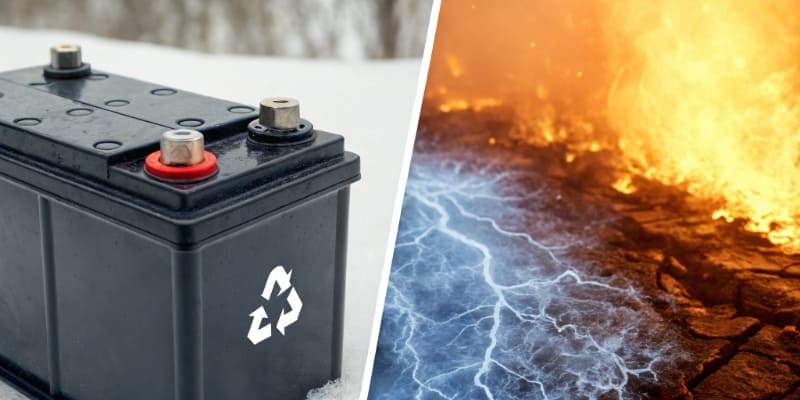
Think of this 20-30°C window as the "sweet spot" for batteries. It's where they are happiest and most productive. Within this range, the internal chemistry is perfectly balanced. The lithium ions can move freely and efficiently between the anode and cathode without causing unwanted side reactions that degrade the battery over time. It's the temperature where you get the performance you paid for.
When you go outside this range, problems begin.
- Above 30°C: The battery starts to get stressed. The chemical reactions speed up, which might give you a small, temporary performance boost. But this comes at a huge cost. It accelerates the degradation of the battery's internal components. The protective SEI layer breaks down faster, and the electrode materials can become damaged. A rule of thumb we use in the industry is that for every 10°C increase above 40°C, the battery's cycle life is cut in half.
- Below 20°C: The battery becomes sluggish, as we discussed earlier. The internal resistance climbs, and the power output drops.
This temperature sensitivity also affects battery packs with multiple cells. If there's a temperature difference of just 5°C between cells in a pack, they will age at different rates. The hotter cells will degrade faster, creating an imbalance in the pack. This is like having gears in a machine that are running out of sync—they will eventually grind each other down and cause the entire system to fail prematurely. This is why our custom battery pack designs at Litop focus so much on ensuring uniform temperature across all cells.
Can You Charge Lithium-Ion Batteries in High or Low Temperatures, and Will It Cause Permanent Damage?
You need to charge your device, but it’s freezing outside or baking in the sun. Is it safe to plug it in? This simple mistake can permanently ruin your battery.
Charging in extreme temperatures is extremely harmful and should be avoided. Charging below 0°C (32°F) can cause irreversible lithium plating, reducing capacity and creating a safety risk. Charging above 45°C (113°F) accelerates degradation and permanently shortens the battery's lifespan.

This is one of the most critical pieces of advice I give to my clients. Discharging a battery in the cold might be inefficient, but charging it in the cold is destructive. Let's break down exactly why.
Charging in Low Temperatures
As I mentioned before, the biggest danger of charging in the cold is lithium plating. The lithium ions are supposed to neatly slide into the layers of the graphite anode. In the cold, they are too slow to do this properly. When you force a charge, the ions have nowhere to go, so they start to build up on the anode's surface as pure metal. This is a triple threat:
- Permanent Capacity Loss: These plated lithium ions are no longer available to participate in the charge-discharge cycle. Your battery's total capacity is permanently reduced.
- Increased Internal Resistance: The plating can block the anode's surface, making it harder for other ions to get in, which raises resistance.
- Safety Hazard: These metallic deposits can form sharp, needle-like structures called dendrites. If they grow long enough to pierce the separator between the anode and cathode, they will cause an internal short circuit, which can lead to overheating and, in the worst cases, a fire.
Charging in High Temperatures
Charging a hot battery is like running a marathon in a desert. It puts immense stress on the entire system. Heat accelerates the unwanted chemical reactions inside the battery. The Solid Electrolyte Interphase (SEI), a critical protective layer on the anode, starts to decompose and reform improperly. This process consumes active lithium and clogs up the battery's internal pathways. The electrode materials themselves can also be structurally damaged by the heat, reducing their ability to store lithium ions. Every charge cycle in high heat permanently chips away at the battery's health and lifespan.
| Temperature Condition | Charging Risk | Consequence |
|---|---|---|
| Low (Below 0°C) | Lithium Plating on Anode Surface | Permanent Capacity Loss, Short Circuit Risk |
| High (Above 45°C) | SEI Layer Degradation, Electrode Structure Damage | Accelerated Aging, Rapid Lifespan Reduction |
How Does a Battery Management System (BMS) Help Maintain a Safe and Optimal Temperature Range?
Your battery pack contains many cells, but how do they all work together safely? Without a smart "brain" watching over them, they can quickly become unbalanced and fail. That essential brain is the Battery Management System (BMS).
A Battery Management System (BMS) acts as the battery's guardian. It uses sensors to constantly monitor the temperature of the cells. If temperatures exceed safe limits, the BMS can automatically stop charging or discharging to prevent damage and ensure safety.
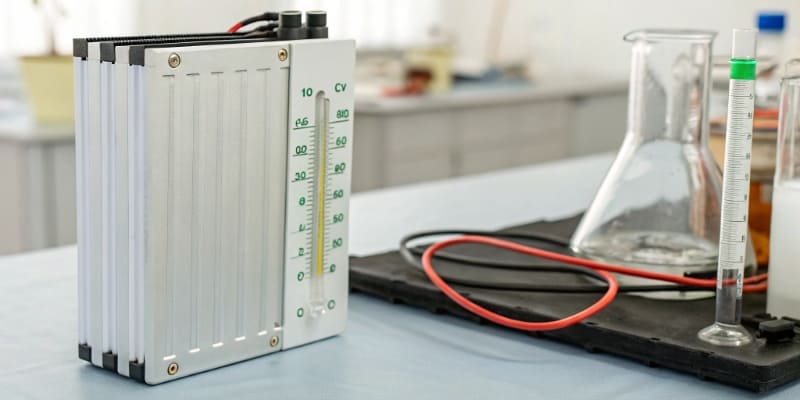
A BMS is not just a feature; it's a necessity for any modern lithium-ion battery pack. At Litop, designing a robust BMS is just as important as selecting the right battery cells. The BMS is the command center that ensures the safety, reliability, and longevity of the entire battery system. Its role in thermal management is absolutely critical.
Here’s how it works:
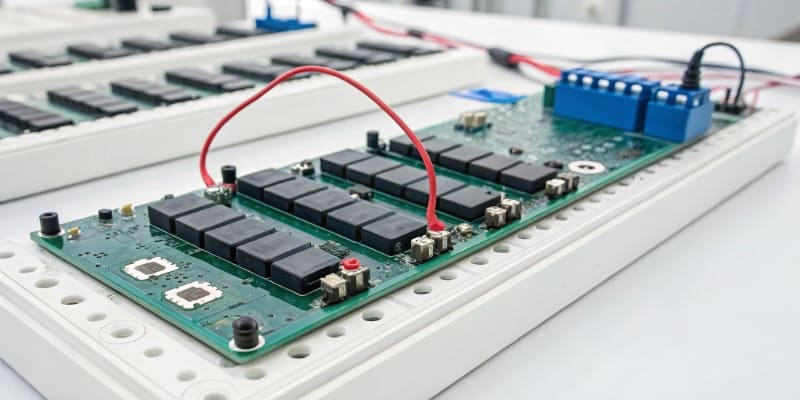
- Constant Monitoring: The BMS is embedded with multiple temperature sensors, called thermistors, which are placed at strategic locations within the battery pack. These sensors provide real-time temperature readings for individual cells or groups of cells. This allows the BMS to know instantly if any part of the battery is getting too hot or too cold.
- Protective Action: The real intelligence of the BMS lies in its ability to act on this data. If a sensor reports a temperature outside the pre-programmed safe operating window, the BMS will take immediate protective measures. For example, it will prevent you from charging a battery if the temperature is below 0°C, thus avoiding the dangerous lithium plating we talked about. Similarly, if the battery gets too hot during heavy use or fast charging, the BMS will cut off the power to let it cool down.
- Active Thermal Control: In more advanced applications, like electric vehicles or large energy storage systems3, the BMS does more than just cut power. It can actively manage the battery's temperature. It can turn on cooling fans, pump liquid coolant through the pack, or even activate small heaters to bring a cold battery up to a safe operating temperature before allowing it to be used or charged.
Essentially, the BMS is the battery's built-in safety expert, working 24/7 to protect it from thermal damage. It’s the reason our custom battery packs for sensitive medical and industrial applications are so reliable.
Conclusion
Temperature is the single most critical factor affecting your battery's health. Keep it in the sweet spot of 20-30°C. Avoid extreme heat and cold, especially during charging, as this causes permanent damage. A quality BMS is your best defense, acting as a guardian for safety and longevity.