Choosing the wrong sealant leads to leaks and costly failures. Your entire project is at risk. Let’s compare polyurethane and silicone to find the right one for your application.
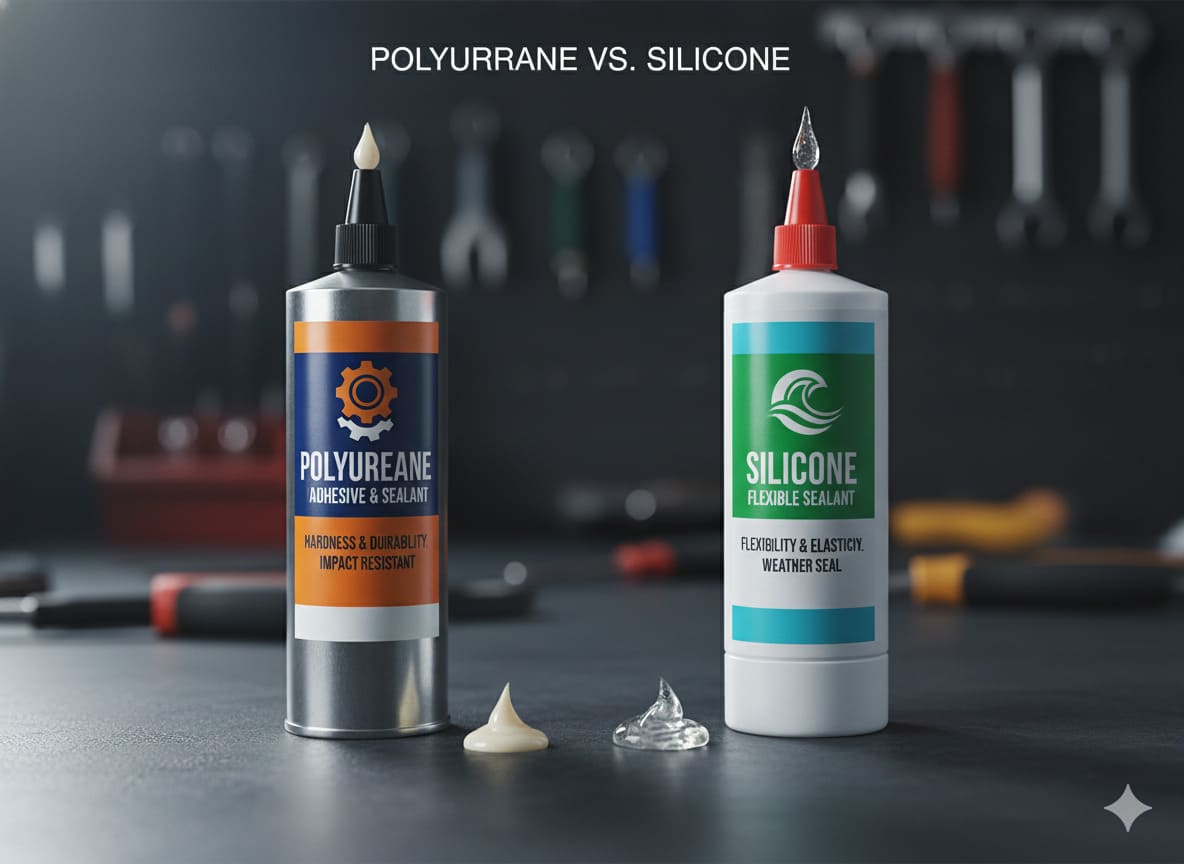
The best choice depends on the application. Polyurethane offers superior hardness and durability, making it ideal for rigid protection against vibration and impact. Silicone provides excellent flexibility, making it better for parts that need to move or stretch while maintaining a seal.
I've spent years working with different materials for our custom battery packs at Litop. I remember one early project where we almost made a huge mistake with sealants. The choice seemed simple, but the details mattered more than we thought. It taught me a valuable lesson: you have to dig deeper. So, let's break down the key differences to help you avoid similar problems and make an informed decision for your own projects.
How does the durability of silicone and polyurethane sealants differ under UV exposure?
Your outdoor device is exposed to the sun daily. The wrong sealant will crack and fail, leaving electronics vulnerable. Let’s see which one stands up to UV rays.
Silicone sealants generally offer superior UV resistance, maintaining their flexibility and color without yellowing or becoming brittle. While some polyurethane formulations are UV-stabilized, many traditional PUs will degrade and discolor over time with prolonged sun exposure, compromising the seal.
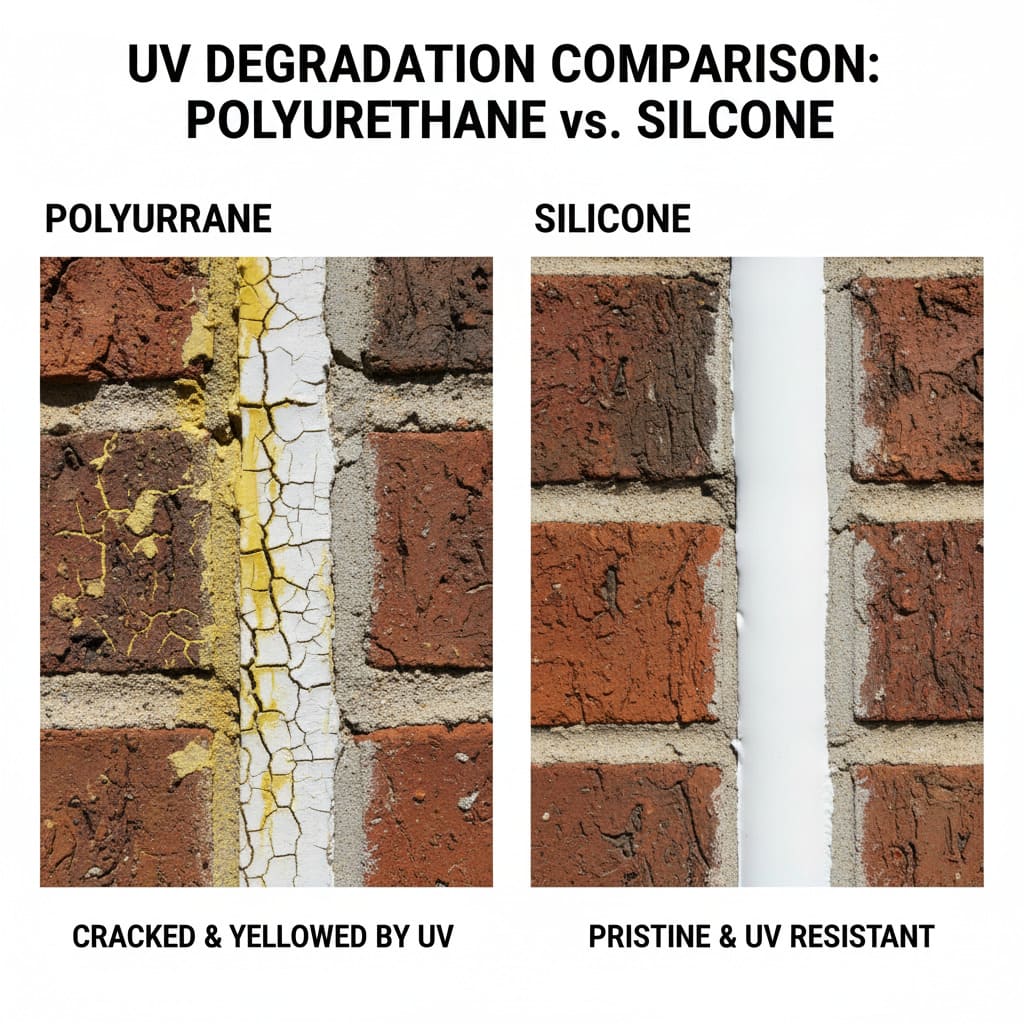
When we talk about outdoor durability, we're really talking about how a material handles sunlight. The chemical structure of silicone, with its silicon-oxygen backbone, is naturally very resistant to UV radiation. This is why it is the standard for long-term outdoor use, like sealing windows or solar panels. It simply doesn't break down, crack, or turn yellow after years in the sun. Polyurethane, on the other hand, has an organic polymer base. This makes most standard polyurethane sealants vulnerable to UV light. Over time, they can become chalky, brittle, and lose their ability to seal properly.
However, sealant technology has improved. Manufacturers now offer aliphatic polyurethane sealants. These are specifically designed for UV stability and perform much better than the standard aromatic versions, though they often cost more. In my work at Litop, this is a critical detail for battery packs used in outdoor monitoring equipment. If a device will sit in direct sunlight for years, we almost always choose a high-grade silicone or a specialized aliphatic PU. The risk of a standard PU failing is just too high for a critical application.
| Feature | Silicone Sealant | Polyurethane Sealant |
|---|---|---|
| Chemical Base | Inorganic (Silicon-Oxygen) | Organic (Polymer) |
| UV Resistance | Excellent; does not yellow or crack. | Varies; aromatic PU degrades, aliphatic PU is resistant. |
| Common Outcome | Stays flexible and clear. | Can become brittle, chalky, and discolored. |
| Best Use Case | Long-term outdoor exposure. | Indoor or protected applications (unless specified as aliphatic). |
Which sealant is better for applications requiring significant movement or expansion joints?
Your components expand and contract with temperature changes. A rigid sealant will crack, causing immediate failure. Let's find out which material offers the flexibility you need.
Silicone sealant is the superior choice for high-movement applications. It has a much higher elongation capability, meaning it can stretch and compress significantly without breaking or losing its bond. Polyurethane is less flexible and more suited for joints with minimal movement.
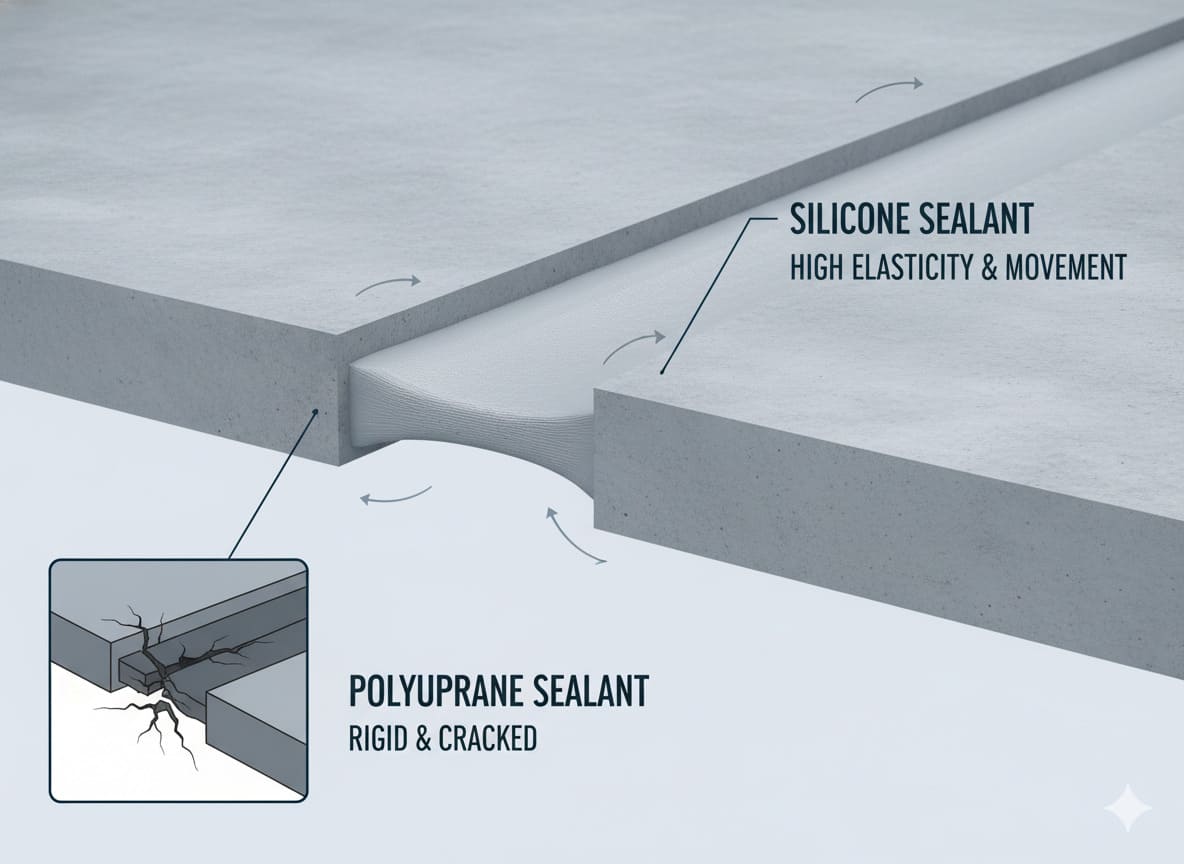
The key factor here is "movement capability." This tells you how much a sealant can stretch and compress. High-quality silicone sealants often have a movement capability of ±25% or even ±50%. This means they can handle a joint that grows and shrinks by up to 50% of its original width. Polyurethane sealants are much more rigid. Their movement capability is usually lower, around ±12.5% to ±25%. This difference in flexibility is huge. Silicone has a hardness of about 15-25 on the Shore A scale, making it very soft and rubbery. Polyurethane is much harder, around 40-50 on the Shore D scale, which is closer to a hard plastic.
I learned this firsthand on a project with modular battery packs. The packs connected together, but they expanded slightly with heat. We first tried a tough polyurethane sealant. But during testing, the stress from the expansion caused tiny cracks in the seal. We quickly switched to a silicone sealant. Its ability to stretch and compress absorbed the movement perfectly and kept the seal watertight. For any application with temperature cycles or vibration, like in vehicles or portable devices, flexibility is essential. Silicone’s soft, flexible nature makes it the clear winner for any joint that moves.
Can polyurethane sealant be painted? What about silicone sealant?
You need a seamless, color-matched finish for your product. A sealant that rejects paint can ruin the aesthetic. Let's see which one allows for a perfect paint job.
Polyurethane sealants are generally paintable after they have fully cured. They provide a surface that paint can adhere to well. In contrast, 100% silicone sealants are not paintable; paint will not stick to their slick surface and will bead up or peel off easily.
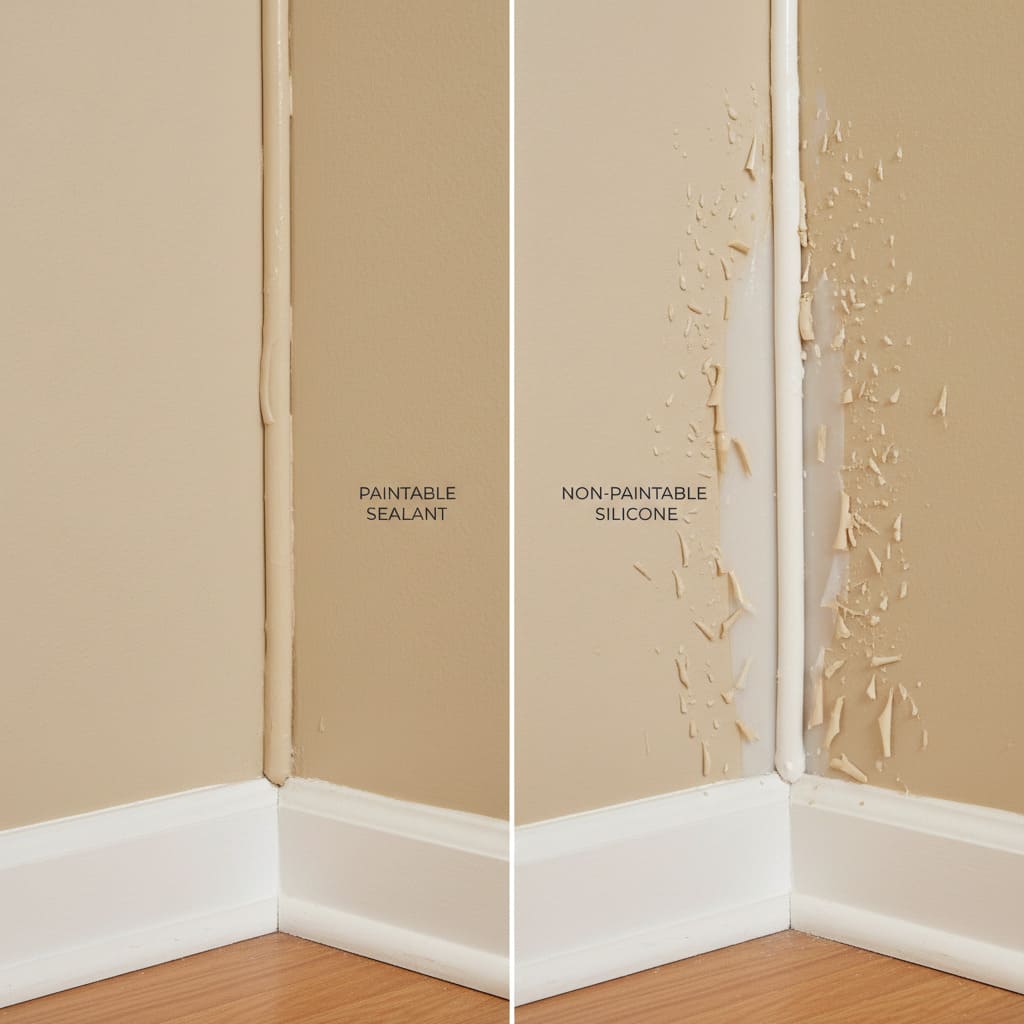
The difference comes down to something called surface energy. Silicone has very low surface energy, which is why it repels water so well. Unfortunately, it also repels paint. Paint has nothing to grab onto, so it beads up or peels right off. Even if you get a thin coat to stick, it won’t last long. Polyurethane has a higher surface energy. This allows paint to form a strong bond with it. Once the polyurethane has fully cured, which can take a few days, you can prime and paint it just like any other surface. This makes it perfect for applications where you need the sealant to blend in seamlessly.
For some of our clients at Litop, the look of their product is as important as its function. We might use a polyurethane sealant to seal a battery compartment lid on a high-end consumer device. We do this specifically because it can be painted to match the device's housing perfectly. If you absolutely have to paint a sealed joint, polyurethane is your best bet. Your other option is to find a special "paintable silicone," but these are often hybrid formulas and not pure silicone. For a guaranteed paintable finish, PU is the safer choice.
Which sealant offers stronger adhesion to porous surfaces like concrete and masonry?
Your sealant is peeling away from the concrete wall, letting moisture in. This failure compromises your entire installation. Let's find the sealant with the strongest grip.
Polyurethane sealants provide significantly stronger adhesion to porous substrates like concrete, brick, and wood. Their chemical composition allows them to bite into the surface for a tenacious bond. Silicone adheres well to non-porous surfaces like glass and metal but may require a primer for porous materials.
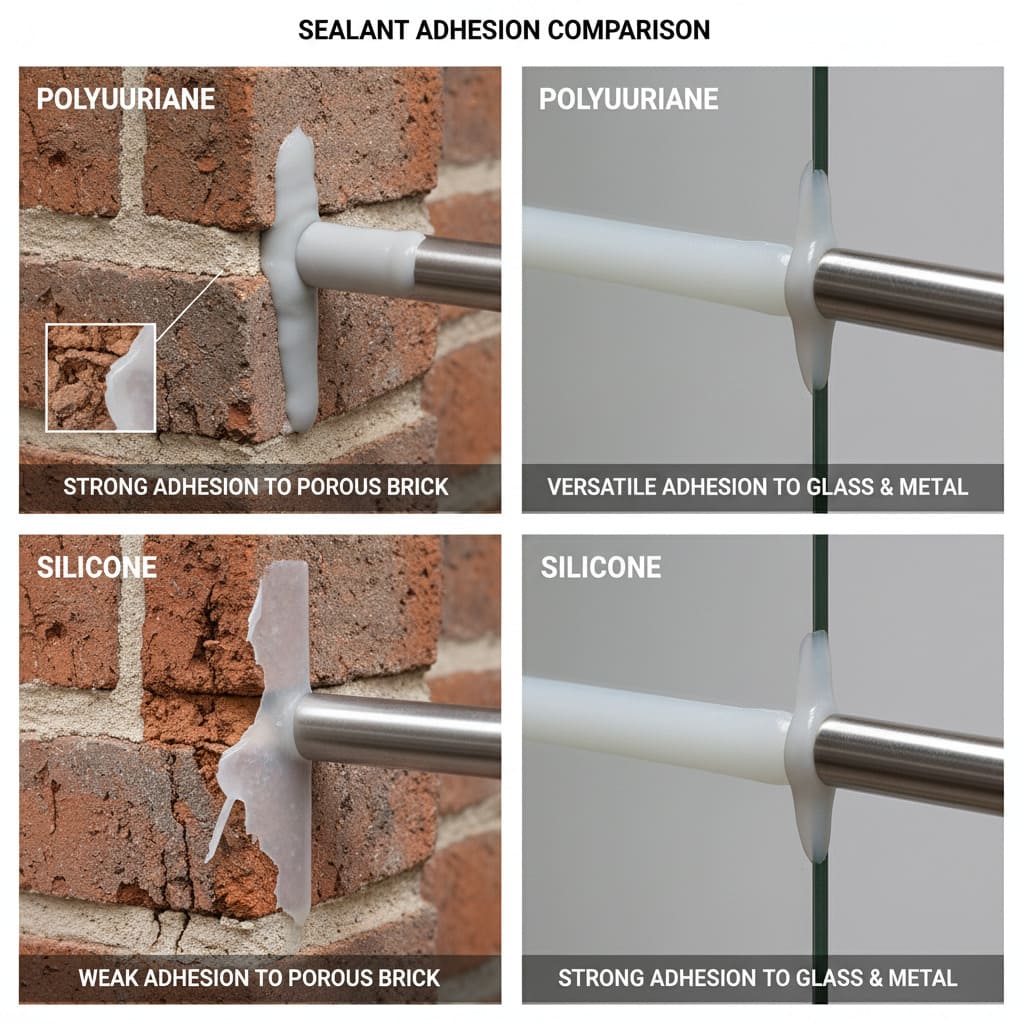
Polyurethane’s adhesive strength is one of its greatest assets. It acts more like a glue than a simple sealant. It creates an incredibly tough bond with porous materials like concrete and wood. The sealant seeps into the microscopic pores of the material and cures there, locking it in place. This makes it the top choice for construction and heavy-duty industrial jobs where a strong bond is essential. Silicone, in contrast, forms more of a surface-level bond. It sticks extremely well to smooth, non-porous surfaces like glass, ceramic, and metal. But on porous surfaces, it doesn't have the same "biting" power as polyurethane. You can use a primer to help silicone stick to concrete, but that’s an extra step and still might not match the strength of a PU bond.
In our business, we see this often when designing stationary battery systems housed in concrete enclosures. We need to seal the openings where cables pass through the walls. Polyurethane is the only real option here. Its incredible toughness and superior adhesion to the concrete ensure a permanent, watertight, and vibration-resistant seal. For any porous surface that needs a strong, durable bond, polyurethane is almost always the right choice.
Conclusion
To summarize, your application dictates the best sealant. Choose silicone for its superior flexibility and UV resistance in moving joints. Opt for polyurethane when you need extreme durability, strong adhesion to porous surfaces, and a paintable finish. Making the right choice ensures a reliable, long-lasting seal.