Is your power tool battery always dying in the middle of a job? This interruption costs you time and money. Choosing the right high-capacity battery is key to performance.
The best high-capacity batteries for power tools balance high capacity (Ah) for long runtime with a high discharge rate (C-rate) for peak power. Look for cells with at least a 10C discharge rating and 4Ah capacity, preferably using NMC chemistry1 for its power density.
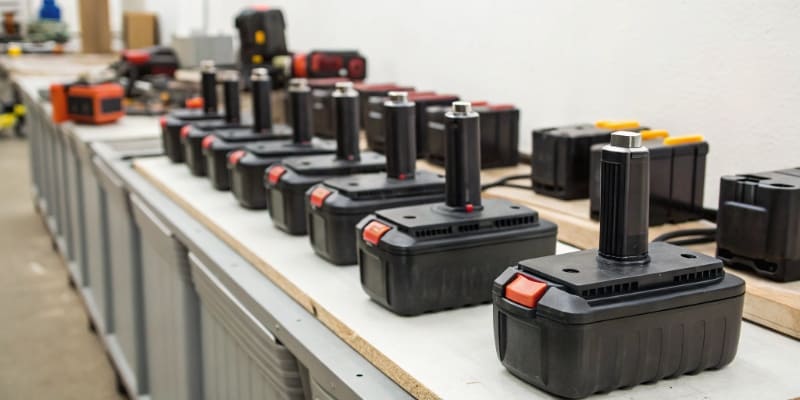
Choosing a battery for a power tool isn't as simple as picking the one with the biggest number on it. I've worked with many clients, from large construction companies to specialized medical device makers, and the conversation always comes down to balancing performance, safety, and compatibility. A battery that works great in a drill might fail completely in an angle grinder. It’s important to understand the details. In this post, I'll walk you through the key factors to consider, so you can make an informed choice that keeps your tools running powerfully and efficiently. Let's get into what really matters.
For power tools, should you focus on high capacity (long runtime) or high discharge rate/current output (more power)?
Choosing between longer runtime and more power can be confusing. The wrong choice leads to weak tools or constant recharging. You need to understand how to balance both.
It's a balance. Heavy-duty tools need a high discharge rate (at least 10C) for peak power. Lighter tasks benefit more from higher capacity (at least 4Ah). The best batteries deliver both, using high-quality cells and smart design.
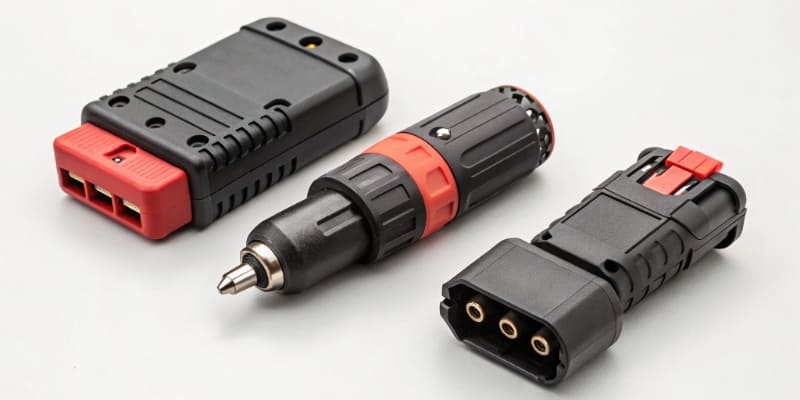
When we talk about batteries, capacity and discharge rate are two different things. Capacity, measured in Amp-hours (Ah), tells you how long the battery can run. A 5Ah battery can deliver 5 amps for one hour. Discharge rate, or C-rate, tells you how much power the battery can deliver at once. A 5Ah battery with a 10C rating can theoretically deliver a massive 50 amps of current (5Ah x 10C = 50A).
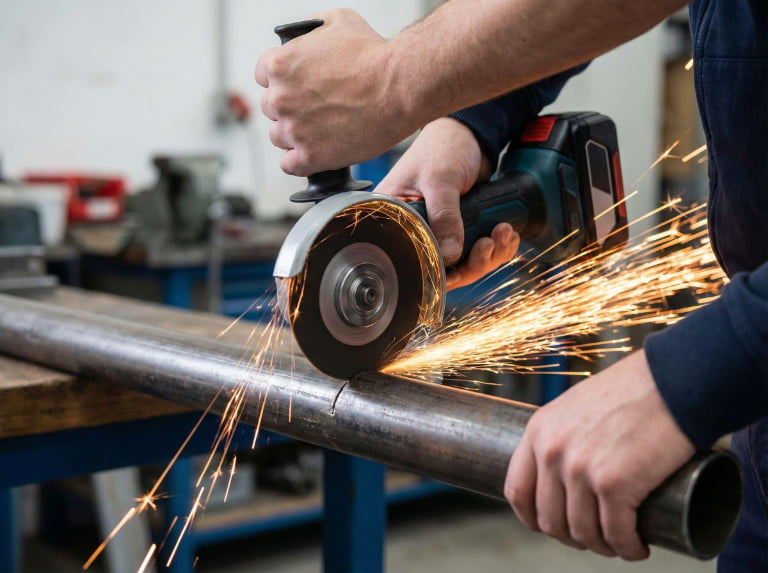
Power tools need both. A cordless drill driving screws into drywall is a light load. It benefits most from high capacity, so you don't have to swap batteries often. A 4Ah or 5Ah battery works great here. But an angle grinder cutting through steel needs a huge burst of power. This is where a high discharge rate is critical. It needs a battery that can handle a sudden, high current draw without overheating or shutting down. For these tools, a C-rate of 10C or even higher is essential.
Here’s a simple breakdown:
| Tool Type | Primary Need | Recommended Spec | Why? |
|---|---|---|---|
| Light Duty (Drills, Screwdrivers) | Long Runtime | 4-5Ah Capacity | Focus is on completing many small tasks without recharging. |
| Heavy Duty (Angle Grinders, Saws) | High Power Output | ≥10C Discharge Rate | Needs to handle high current spikes to cut tough materials. |
| Industrial Use (Impact Wrenches) | Both | 5Ah+ Capacity & 10C+ Rate | Requires sustained power and long runtime for all-day use. |
A key factor behind this is internal resistance. A battery with low internal resistance (under 5mΩ) can deliver high current more efficiently and with less heat. This improves both power and safety. We often recommend NMC cells with an all-tab structure, which can lower internal resistance by up to 80% and give heavy-duty tools the power they demand.
How can you ensure battery compatibility with your existing power tool brand and charger system (e.g., 18V, 20V, or 40V platforms)?
Buying a new battery that doesn't fit your tools is a frustrating waste. Incompatible batteries can damage your equipment or just not work, causing major delays on the job.
Compatibility depends on three things: voltage platform (e.g., 18V), the physical connector design, and the electronic communication protocol. Always match the voltage and check with the supplier for specific brand compatibility to avoid damage.
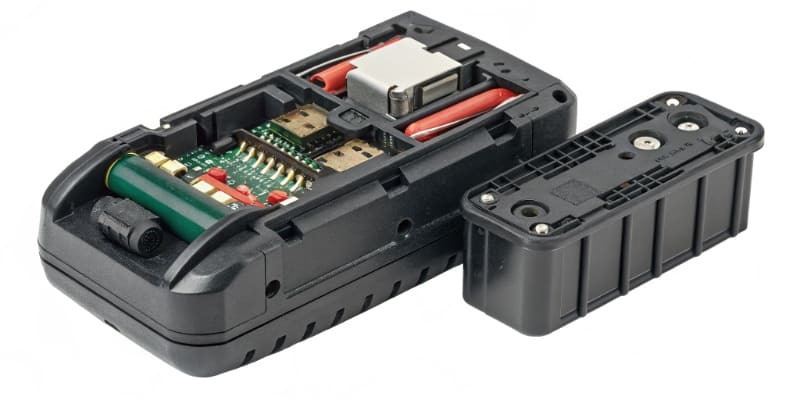
When a client like Michael Johnson comes to us for a custom battery for his company's medical tools, compatibility is the first thing we discuss. It's not just about getting the battery to click into place. True compatibility is more complex and breaks down into three main areas.
First is the voltage platform. You'll see brands use "18V" and "20V MAX". These are usually the same thing. 18V is the nominal, or average, voltage, while 20V is the maximum voltage of a fully charged pack. The key is to stick within the same system. Never try to use a 40V battery on a tool designed for 18V/20V.
Second is the physical fit. This includes the shape of the housing and the layout of the metal contact terminals. The battery must slide and lock into the tool and charger perfectly. Even a millimeter of difference can prevent it from working. For our OEM clients, we often design custom housings to ensure a seamless fit with their product lines.
Third, and most important for modern tools, is the electronic communication. The battery doesn't just supply power; it talks to the tool and the charger through its Battery Management System (BMS). This "digital handshake" exchanges data about temperature, voltage, and current draw. This communication protects the battery from overheating and the tool from being damaged. A cheap, third-party battery might fit physically but lack this communication protocol, leading to poor performance, shorter life, or even dangerous failures. When you source batteries, always ask if the BMS is fully compatible with your tool's electronics.
Besides capacity, what safety features, durability, and shock-resistant designs should you look for?
A powerful battery is useless if it's unsafe or breaks easily. Job sites are tough environments, and a failed battery is not just an inconvenience—it can be a serious hazard.
Look for a smart Battery Management System (BMS) with protections for overcharge, over-discharge, and short circuits. It must also have a temperature sensor (NTC). For durability, demand a shock-absorbent case and strong internal cell welding.
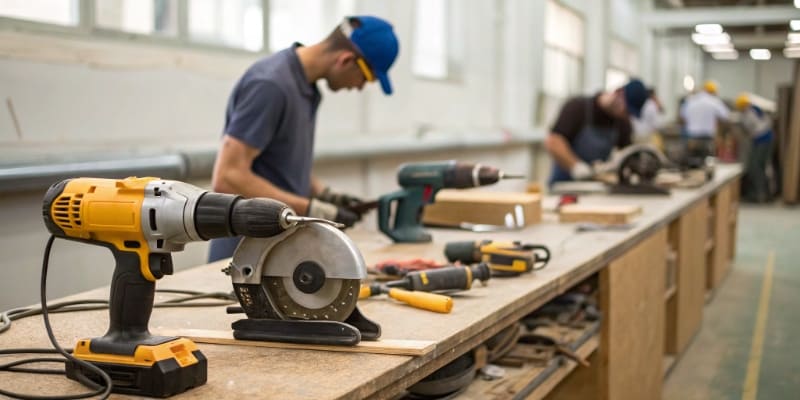
At Litop, we see battery production as more than just assembling cells. We are building a critical component that has to be reliable and safe, especially in demanding power tool applications. When I talk to procurement officers, I tell them to look past the capacity and ask about the "unseen" features that define a quality battery.
The heart of battery safety is the Battery Management System (BMS). A basic BMS is not enough. For power tools, you need a robust board with at least six MOS transistors and a cell-balancing function. Balancing ensures all cells in the pack charge and discharge evenly, which extends the battery's life and prevents dangerous imbalances. Most importantly, a quality BMS includes an NTC temperature sensor. This sensor monitors the cell temperature and will automatically cut power if it exceeds a safe limit, typically around 60°C. This single feature is critical for preventing fires in high-drain tools.
Durability is about how the battery is built, both inside and out. The outer plastic housing should be made from a tough, impact-resistant material. Inside, the individual battery cells must be held securely in a cradle to prevent them from moving and to absorb shock from drops. The connections between the cells, usually made by spot welding nickel strips, must be clean and strong. Weak welds can break from vibration, causing the battery to fail suddenly. We take this seriously and follow a strict quality control process, from incoming materials (IQC) to final inspection (OQC), to ensure every battery we ship is built to last.
Which specific battery chemistry (like Li-ion NMC vs. LiFePO42) is better for heavy-duty tool use?
Different battery chemistries exist, and choosing the wrong one will limit your tool's performance. Your heavy-duty saw might lack punch or die quickly if powered by the wrong cells.
For most heavy-duty power tools, Lithium Nickel Manganese Cobalt Oxide (NMC) is the best choice. It has a higher energy density and voltage, delivering more power in a lighter package. LiFePO4 is safer but typically provides less raw power.
The chemistry of the lithium-ion cells inside your battery pack makes a huge difference. The two most common options for these applications are NMC and Lithium Iron Phosphate (LiFePO4). While both are great technologies, they are designed for different jobs.
For power tools, performance is all about power-to-weight ratio. You need a battery that can deliver a lot of power without being too heavy. This is where NMC shines. NMC cells have a higher nominal voltage (around 3.6V-3.7V) and a much higher energy density than LiFePO4. This means for a given size and weight, an NMC battery can store more energy and deliver it faster, giving your tool more power and a longer runtime. This is why virtually all major power tool brands use NMC cells. They provide the "punch" needed for demanding tasks like cutting, grinding, and drilling.
LiFePO4 has its own strengths. It is incredibly safe and offers a very long cycle life, often 2000 cycles or more. However, its lower voltage (around 3.2V) and lower energy density mean a LiFePO4 battery of the same size would be less powerful and heavier than an NMC equivalent. It's a fantastic choice for applications where safety and longevity are the absolute top priorities and weight is less of a concern, like in some stationary power equipment.
Here is a quick comparison for power tool applications:
| Feature | Li-ion NMC | LiFePO4 | Winner for Power Tools |
|---|---|---|---|
| Power Output | High | Moderate | NMC |
| Energy Density | High | Moderate | NMC |
| Weight | Lighter | Heavier | NMC |
| Safety | Good | Excellent | LiFePO4 |
| Cycle Life | Good (500-1000) | Excellent (2000+) | LiFePO4 |
For nearly every portable power tool, NMC is the clear winner because it delivers the best performance in a compact and lightweight form factor.
Conclusion
Choosing the right battery is crucial for your power tools. You must balance capacity with a high discharge rate, ensure full compatibility, demand robust safety features, and select the right cell chemistry, which is usually NMC. Making the right choice ensures your tools perform reliably and safely every time.