Are you confused by all the different terms for unmanned aircraft? Using the wrong word can make you seem unprofessional or cause problems in contracts. Let's clear this up right now.
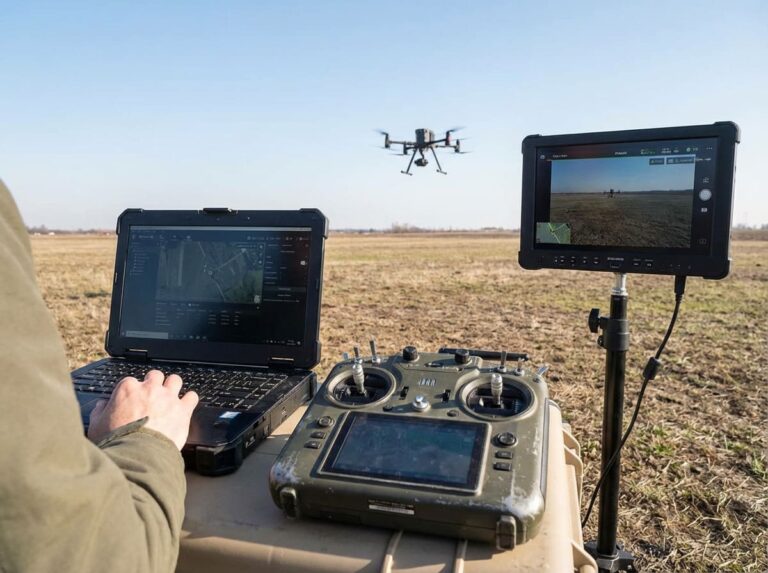
The main difference is scope. "Drone" is a common name. UAV (Unmanned Aerial Vehicle) is just the aircraft. RPA (Remotely Piloted Aircraft) is an aircraft flown by a person. UAS (Unmanned Aircraft System) is the most complete term, including the aircraft, pilot, and control station.
Knowing the basic definitions is a good start. But these terms have real-world impacts on everything from pilot license exams to military rules and insurance contracts. The details are where it really matters. Let's look closer at these situations to see why choosing the right word is so important for your business.
When applying for an FAA Part 107 or EASA license exam, which term do official materials primarily use?
Are you studying for your commercial drone license? The official books can be filled with jargon that makes things harder. I'll tell you the one key term you absolutely need to know.
Both the FAA in the United States and EASA in Europe primarily use the term "UAS" (Unmanned Aircraft System). This is because your license makes you responsible for the entire system of operation, not just the aircraft itself. It covers everything needed for a safe flight.
When I first started looking into drone technology for battery applications, I was surprised by how seriously regulators take the "system" concept. It’s not just about flying; it’s about managing a whole set of interconnected parts.
The FAA's Focus on System-Wide Responsibility
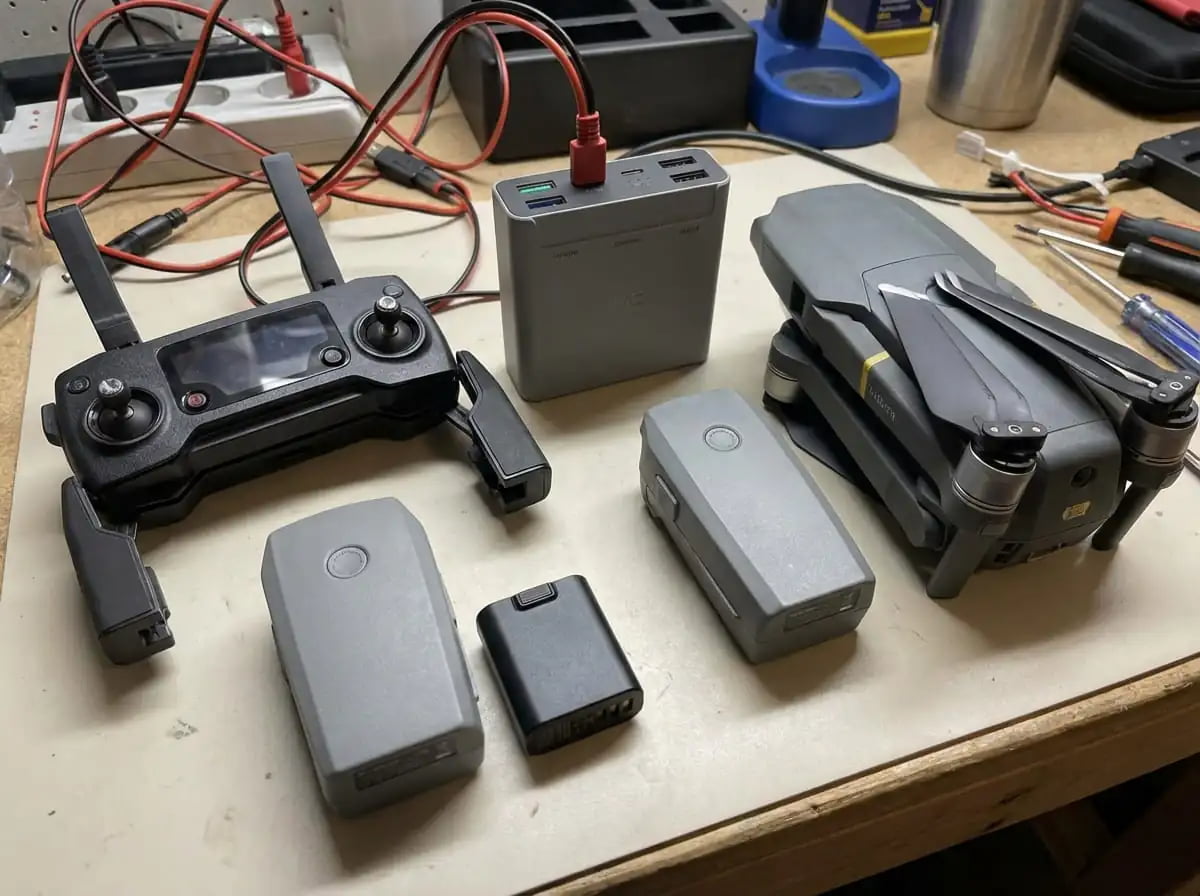
In the United States, the Part 107 regulations govern commercial drone operations. The FAA uses "UAS" to emphasize that the certified Remote Pilot in Command (PIC) is legally responsible for more than just the drone in the air. Your responsibility includes the ground control station you're holding, the data link connecting you to the aircraft, and any support equipment. If your controller battery dies and causes a crash, that's a UAS failure. If you lose your signal because of interference, that's a UAS failure. The term forces pilots to think about the entire safety chain.
EASA's Harmonized European Approach
Across Europe, EASA follows the same logic. They use "UAS" to create a single, harmonized standard for safety. This ensures that a pilot certified in one country understands their obligations in another. Their rules cover the full operational picture, acknowledging that a flight can fail because of a software glitch on the ground just as easily as a motor failure in the air. This system-wide view is critical for integrating drones safely into Europe's busy airspace.
Here’s a simple breakdown of how different authorities see it.
| Regulatory Body | Primary Term Used | Why They Use It |
|---|---|---|
| FAA (USA) | UAS | It covers the complete operational ecosystem: aircraft, pilot, controller, and data link. |
| EASA (Europe) | UAS | It creates a holistic safety approach that includes all components needed for safe flight. |
| Transport Canada | RPAS | It focuses on the "piloted" aspect to align with international aviation law. |
Why does the ICAO prefer "RPAS" over "UAS"? Does this mean a "human-in-the-loop" is mandatory?
Have you seen the term "RPAS" and wondered where it fits in? This small change in letters has big implications for global aviation rules. Let's break down why the world's top aviation organization made this choice.
The ICAO (International Civil Aviation Organization) prefers RPAS (Remotely Piloted Aircraft System). The key word is "Piloted." It emphasizes that a human pilot is always in command and legally accountable, which is essential for integrating drones into airspace with passenger planes.
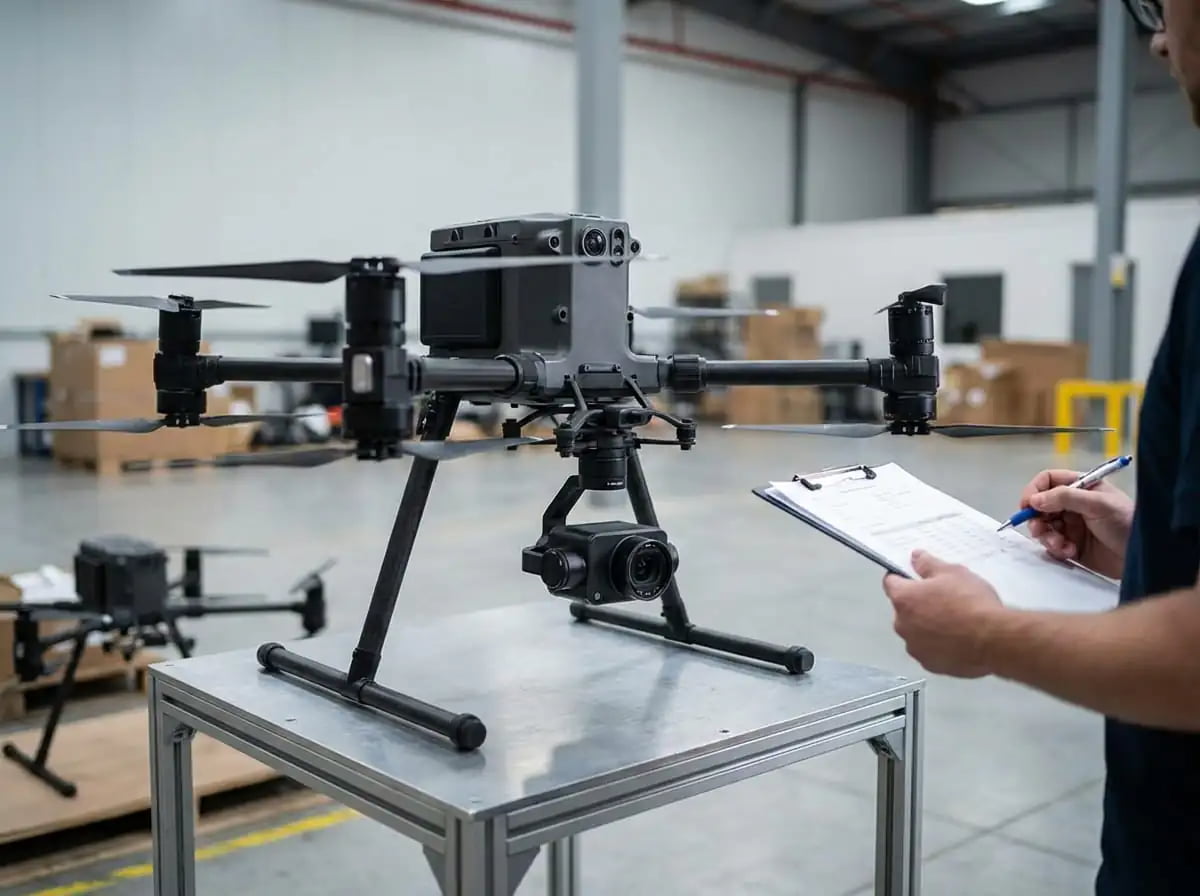
The ICAO1's main job is to keep the skies safe for everyone, especially for traditional manned aircraft. By using the word "Piloted," they connect drone operations to a century of aviation law built around a simple principle: a pilot is always in charge.
The Importance of the "Pilot"
In my work, accountability is everything. If a battery pack fails, my customers need to know who is responsible. The ICAO applies the same logic to the sky. By insisting on the term "Remotely Piloted," they make it clear that no matter how automated a drone is, a specific, licensed human is legally responsible for every second of the flight. This person is the Pilot in Command. This framework solves the legal problem of "who to blame" if an autonomous drone makes a mistake. For the ICAO, the answer is always the designated remote pilot.
Human-in-the-Loop is Key
This directly answers the second part of the question: yes, the term "RPAS" implies that a "human-in-the-loop" is mandatory for ensuring safety. This doesn't mean a person has to physically fly the drone every moment. An aircraft can fly an autonomous route. However, a human pilot must be "on-the-loop," meaning they are monitoring the flight and have the ability to intervene and take direct control at any time. This oversight is non-negotiable under the RPA2S framework.
Here is a quick comparison to make it clearer.
| Term | Focus | Key Implication | Who Uses It |
|---|---|---|---|
| UAS | The technology of the system | A broad term that can include fully autonomous systems without a pilot. | FAA, EASA, Industry |
| RPAS | The legal accountability of the pilot | A human pilot is always legally in command and responsible. | ICAO, Civil Aviation Authorities |
For "loitering munitions" or "suicide drones," which term does the military typically use? Is it a UAV or a missile?
In modern warfare, the line between a smart drone and a guided missile is getting blurry. Using the right term isn't just about being correct; it affects international laws. Let's clarify what these systems are called.
Militaries often use specific product names, but technically, a "loitering munition" is a hybrid. It's a UAV because it can fly, search for targets, and be controlled. It's like a missile because its final mission is to crash into a target and explode.
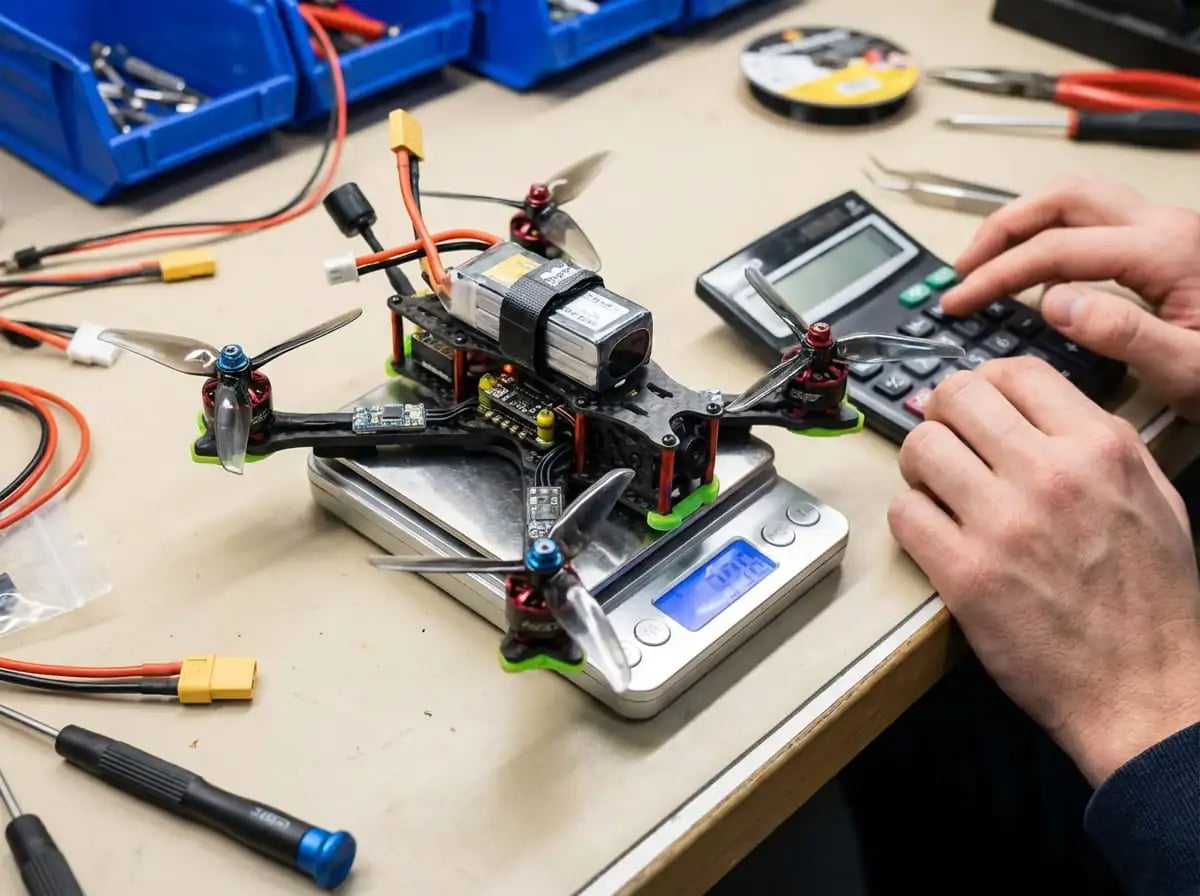
This is a topic that comes up surprisingly often with clients developing security or defense-related hardware. They need to know the classifications to navigate complex regulations. The key is understanding that these devices have two distinct phases in their life.
A System with a Dual Nature
First, a loitering munition acts as a reconnaissance UAV. It is launched and can fly over a battlefield for an extended period, using its cameras and sensors to send back video and data to an operator. During this "loitering" phase, the operator can identify targets and assess the situation on the ground. The operator is in full control, just like a standard surveillance drone pilot.
Second, once a target is confirmed, the system transitions into its weapon phase. The operator commands it to attack, and the UAV dives toward the target, functioning exactly like a guided missile. It is a one-way mission. This dual-use capability is what makes it so different from other weapon systems. It’s not just a missile that you fire and forget; it’s an intelligent platform that gives the operator time and options before committing to an attack.
This table shows where loitering munitions fit.
| Feature | Traditional Missile | Loitering Munition | Reconnaissance UAV |
|---|---|---|---|
| Reusable? | No | No | Yes |
| Loiter Capability? | No | Yes | Yes |
| Primary Mission | Destroy Target | Find and Destroy Target | Collect Information |
| Warhead? | Yes | Yes | No |
| Classification | Missile | Hybrid (UAV/Missile) | UAV |
So, while news reports call them "suicide drones," military planners use more precise terms like "loitering munition" because it accurately describes this unique, two-stage mission profile.
In 2026 insurance contracts and lease agreements, how does the use of these terms affect liability determination?
Are you planning to sign a contract for drone services in the near future? The exact words used in that document could save you—or cost you—a fortune if an accident happens. Let's look at how to protect your business.
In legal and insurance documents, "UAS" (Unmanned Aircraft System) is the best term to use. It is the most comprehensive, covering the aircraft, the operator, and the control system. Using a narrower term like "UAV" could create a dangerous loophole for liability.
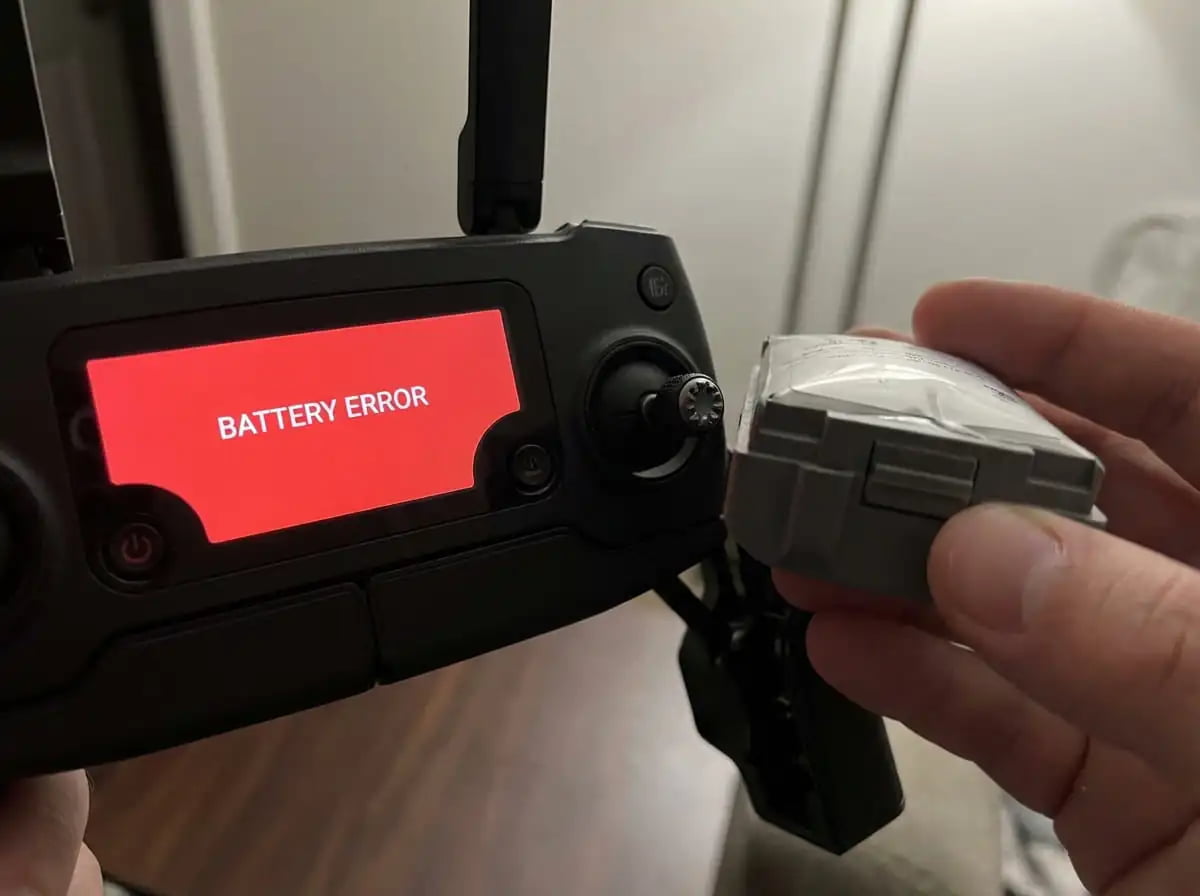
I've learned from years of manufacturing that contracts are all about precision. Every word matters. Imagine you have an insurance policy that covers your "drone." One day, your aircraft crashes because the screen on your ground controller froze. The insurance company could argue that the controller isn't the "drone" and deny your claim, leaving you with the bill.
Why "UAS" is Legally Strong
This is why legal and insurance experts are moving toward using "UAS" as the standard. This term explicitly covers the entire system required for operation. By stating that the policy covers the "UAS," you are protected against failures from any part of that system:
- The Unmanned Aircraft (UA) itself.
- The Ground Control Station (GCS).
- The Command and Control (C2) data link.
- Any other essential support equipment.
Using "UAS" closes the loopholes. It ensures that if any part of the system fails and causes damage, you are covered.
Looking Ahead to 2026 and Beyond
As technology advances, this will become even more important. Drones will rely more on AI, complex software, and network connections for autonomous flight. What happens if a crash is caused by a hacked GPS signal or a bug in an automatic landing feature? A contract that only mentions the "UAV" might not cover these software and cybersecurity-related failures. A contract built around the "UAS" provides a much stronger, future-proof foundation for defining liability in our increasingly complex technological world.
Here’s a guide for your next contract.
| Term Used | Scope of Coverage | Potential Legal Risk |
|---|---|---|
| "Drone" | Vague, not legally defined. | High. Can be easily disputed. |
| "UAV" | Covers only the aircraft itself. | High. Excludes pilot error, controller failure, and signal loss. |
| "RPA" | Covers the aircraft being piloted. | Medium. May exclude autonomous modes and system errors. |
| "UAS" | Covers the entire system. | Low. The most comprehensive and legally-sound choice. |
Conclusion
While "drone" is perfect for everyday conversation, using precise terms like UAV, UAS, and RPA is critical in professional settings. Knowing the difference protects you in legal agreements, helps you pass certification exams, and shows that you are an expert in the field.