Confused about flying with batteries? You worry that security will take them away at the last minute. The key is knowing the simple rules for each battery type.
The main difference is their chemistry and regulations. Lithium-ion (Li-ion) batteries are rechargeable, and their limits are measured in Watt-hours (Wh). Lithium-metal batteries are single-use, and their limits are based on lithium content in grams. Both have strict rules for carry-on versus checked luggage.
Flying can be stressful enough without worrying about your electronics. I’ve been in the battery business for years, and I’ve heard countless stories of people getting their expensive power banks or spare batteries confiscated at the airport. It’s frustrating, and it’s almost always preventable. The rules aren’t there just to make our lives difficult; they exist because these batteries, if mishandled, can be a serious fire risk on an airplane. Understanding the basic distinction between lithium-ion and lithium-metal batteries is the first step to a smoother journey. Once you know what you’re carrying, you can pack with confidence and get through security without a hitch. Let’s break down what you need to know.
How do I know how many grams of 'lithium metal content' are in my battery if it's not on the manual?
Your battery manual is missing, and you can't find the lithium content. You're worried airport security will flag it. There’s a simple calculation you can do yourself.
You can estimate the lithium metal content by multiplying the battery's capacity in Amp-hours (Ah) by 0.3. For example, a 2Ah battery contains approximately 0.6 grams of lithium. This method helps you check if you are under the 2-gram limit for air travel.
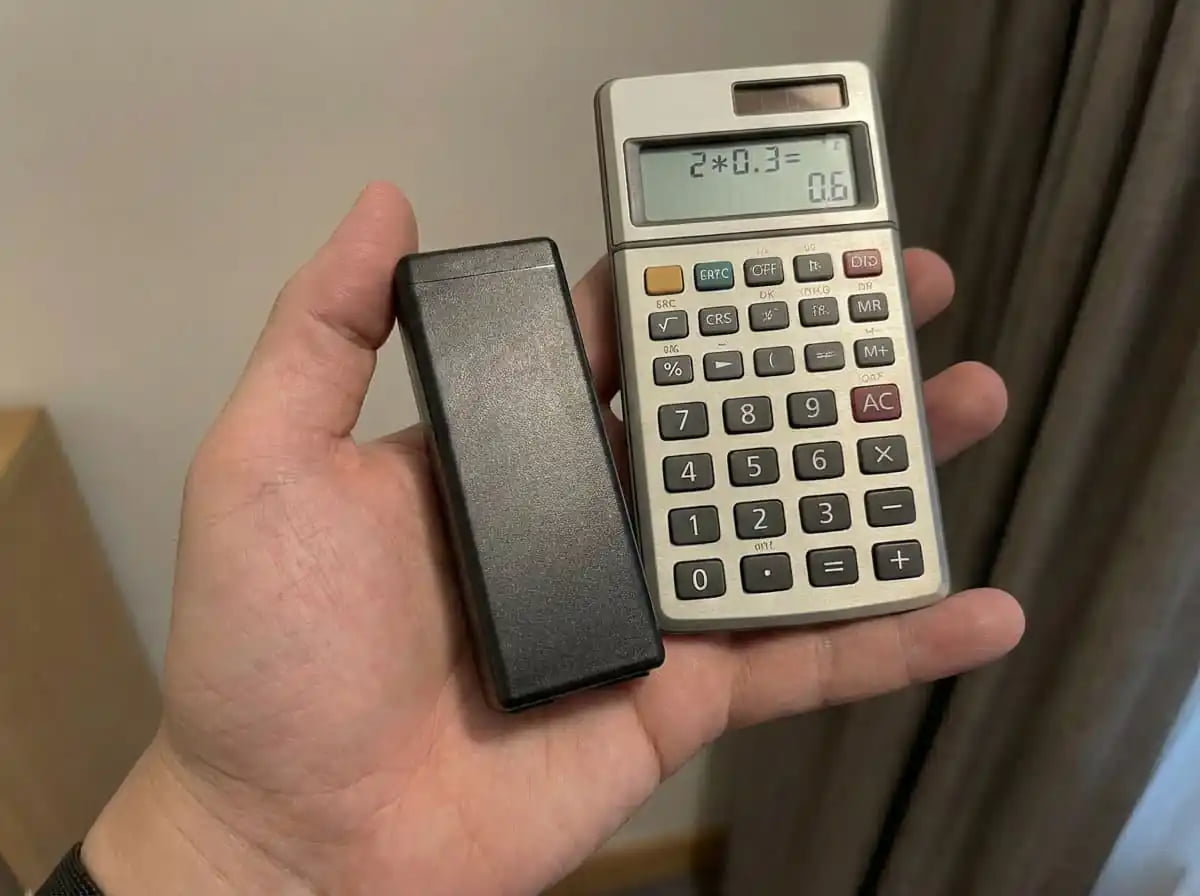
It's a common problem. Manufacturers don't always print the equivalent lithium content (ELC) directly on the battery or in the manual. But airlines and regulators care about a very specific number: 2 grams of lithium metal per battery. Anything over that is usually not allowed in carry-on baggage. So, how do you find this number?
Finding the Amp-hour (Ah) Rating
First, you need to find the capacity of your battery. This is almost always written on the battery itself or in its specifications. Look for a number followed by "mAh" (milliamp-hours) or "Ah" (Amp-hours).
- If you see mAh, divide that number by 1000 to get Ah. For example, 2000 mAh is 2.0 Ah.
- If you can't find it on the battery, check the manufacturer's website for the product specifications.
The Calculation
Once you have the capacity in Ah, the formula is straightforward: Capacity (in Ah) x 0.3 = Lithium Content (in grams)
Let's look at a table with some common examples:
| Battery Capacity | Calculation | Lithium Content | Allowed for Travel? |
|---|---|---|---|
| 1500 mAh (1.5 Ah) | 1.5 Ah x 0.3 | 0.45 grams | Yes |
| 3000 mAh (3.0 Ah) | 3.0 Ah x 0.3 | 0.9 grams | Yes |
| 7000 mAh (7.0 Ah) | 7.0 Ah x 0.3 | 2.1 grams | No (over 2g limit) |
This simple math is your best tool when the information isn't provided. It empowers you to verify compliance yourself and avoid any surprises at the security checkpoint.
What category do batteries for hearing aids and pacemakers fall into, and do they need to be declared to the airline beforehand?
You rely on a medical device for your health. The thought of having its batteries questioned or confiscated at the airport is terrifying. The good news is, these devices have special considerations.
Batteries in essential medical devices like hearing aids and implanted pacemakers are generally exempt from the strictest rules. They do not need to be declared beforehand, as long as they remain inside the device. It's still wise to carry a doctor's note for clarification.
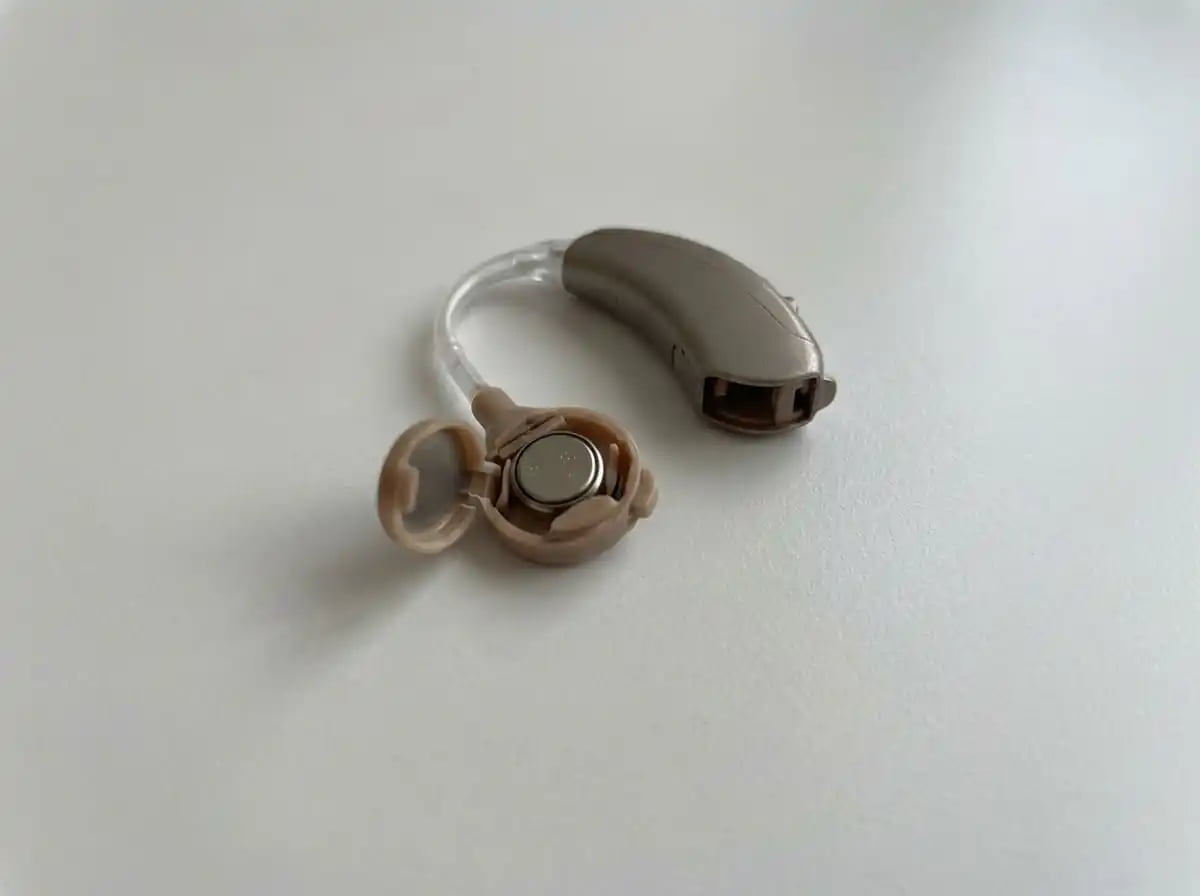
When it comes to air travel safety, regulators understand that some devices are not just for convenience—they are critical for a person's health and well-being. That's why specific exemptions exist for "Portable Medical Electronic Devices" (PMEDs).
Batteries Installed in Medical Devices
The rules are most lenient for batteries that are installed inside your medical device.
- Implanted Devices: For internal devices like pacemakers, there is nothing you need to do. The battery is part of you and is not subject to these regulations.
- External Devices: For devices like hearing aids or portable oxygen concentrators, you can carry them on board with the batteries installed. There's no need to declare them, as they are considered essential.
Spare Batteries for Medical Devices
The rules change for spare batteries. Even for medical devices1, you must follow the standard safety procedures for spare batteries.
- Carry-on Only: All spare lithium batteries must be in your carry-on bag, never in checked luggage.
- Protection is Key: The terminals must be protected from short-circuiting. You can do this by keeping them in their original retail packaging, taping over the contacts, or placing each battery in a separate plastic bag.
- Check the Limits: The standard capacity limits still apply to spare batteries. For lithium-metal batteries, this is typically 2 grams of lithium content. For lithium-ion, it's 100 Wh (or up to 160 Wh with airline approval). Most hearing aid batteries are well below these limits.
While you don't need to formally declare these items, I always advise clients to carry a doctor's letter or a copy of their prescription. It can quickly clear up any confusion with a security agent who may not be familiar with the specific exemptions.
Which of these two categories do LiPo (Lithium Polymer) batteries for drones belong to, and are the rules the same?
You’re excited to take your drone on a trip, but you know its batteries are powerful. You're unsure what rules apply and fear they’ll be taken away. You need to treat them as lithium-ion.
LiPo (Lithium Polymer) batteries are a type of rechargeable lithium-ion battery. They are not lithium-metal. Therefore, they fall under all the same air travel regulations as lithium-ion batteries, with limits measured in Watt-hours (Wh) and strict rules for carry-on luggage.
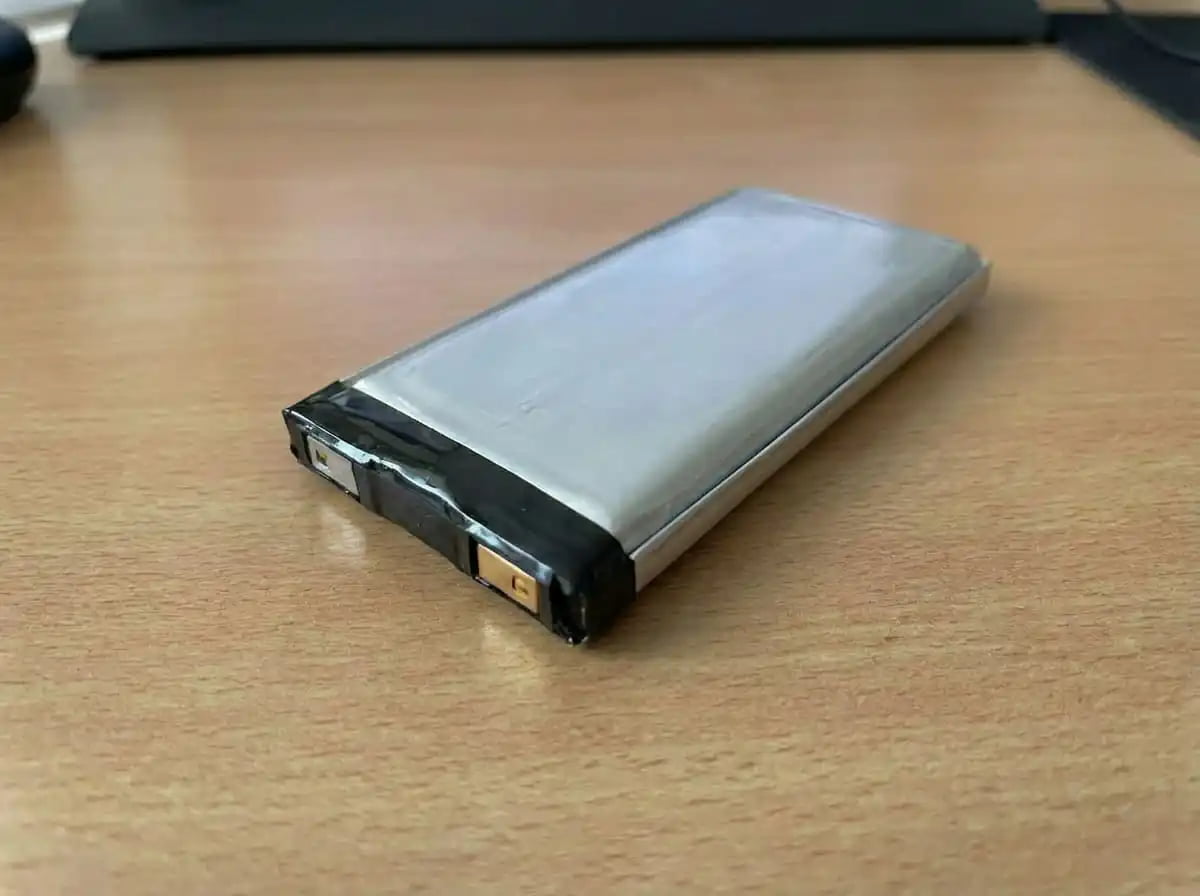
This is a point of confusion for many drone enthusiasts. The name "Lithium Polymer" sounds different, but from a regulatory standpoint, it's all about one thing: is it rechargeable? Since LiPo batteries2 are rechargeable, they are classified as lithium-ion. This means you need to pay attention to their energy capacity, measured in Watt-hours (Wh).
Calculating Watt-hours (Wh)
Most drone batteries don't have the Wh printed on them. You have to calculate it yourself. The formula is: Voltage (V) x Amp-hours (Ah) = Watt-hours (Wh) Remember to convert milliamp-hours (mAh) to Amp-hours (Ah) by dividing by 1000.
Here’s a typical drone battery example:
- Voltage: 14.8V
- Capacity: 5200 mAh (which is 5.2 Ah)
- Calculation: 14.8V x 5.2 Ah = 76.96 Wh
Applying the Rules
Once you know the Wh, you can apply the standard lithium-ion battery rules:
| Watt-hour (Wh) Rating | Rule |
|---|---|
| Up to 100 Wh | Allowed in carry-on. No airline approval needed. Most airlines allow multiple spares. |
| 100 Wh to 160 Wh | Allowed in carry-on, but you must get approval from the airline first. Usually limited to two spare batteries per person. |
| Over 160 Wh | Forbidden for passenger transport. |
Our example battery (76.96 Wh) is under 100 Wh, so it can be taken in carry-on luggage without special permission. Don't forget, all spare drone batteries must be in your carry-on, and their terminals must be protected to prevent short circuits. A fireproof LiPo bag is an excellent investment for extra safety and peace of mind.
If the electrodes (contacts) of a spare battery are not protected, will security really confiscate it on the spot?
You tossed a spare camera battery into your backpack's side pocket. You wonder if anyone will actually care. The answer is a hard yes, and for a very good reason.
Yes, security agents are trained to identify unprotected spare batteries as a serious fire hazard and have the full authority to confiscate them immediately. Protecting the terminals from short-circuiting is a non-negotiable safety rule for air travel.
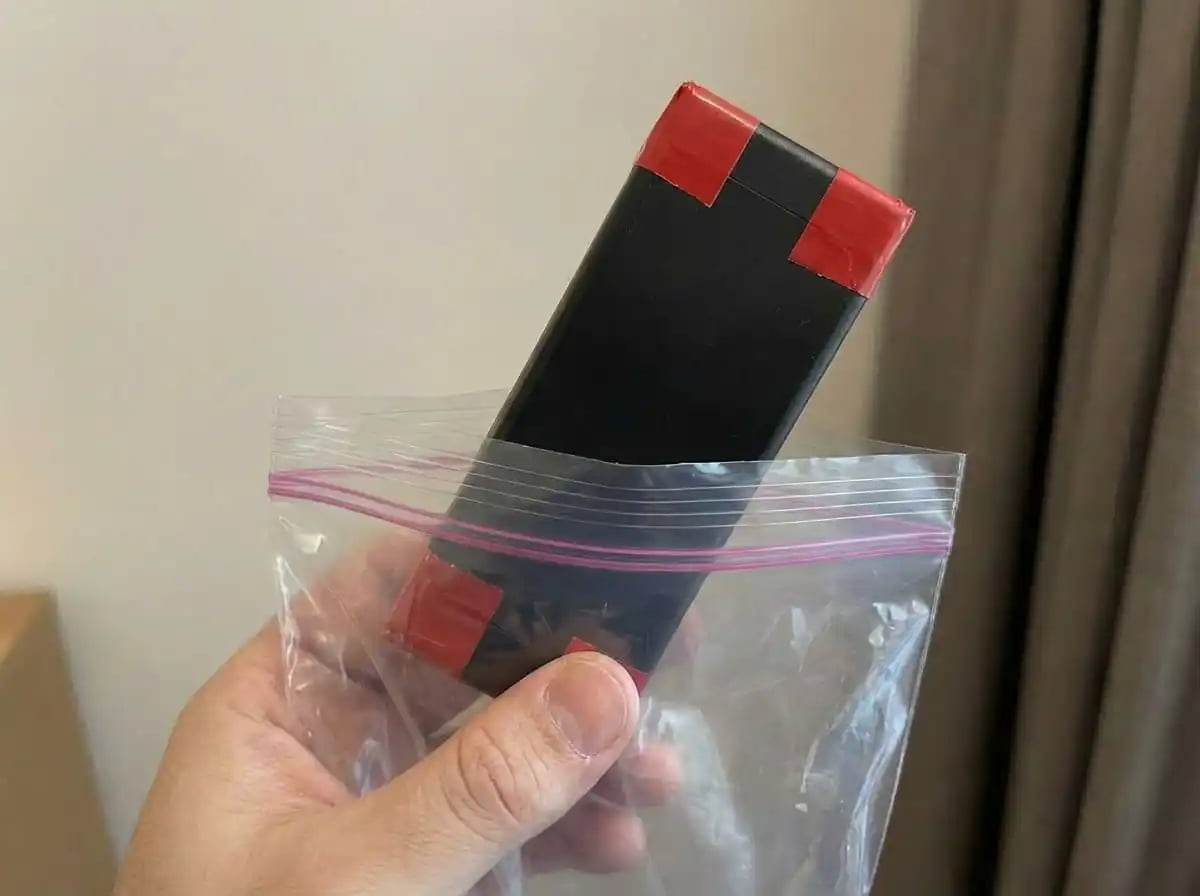
I can't stress this enough: this is one of the most important and strictly enforced battery rules. It’s not about bureaucracy; it’s about preventing a fire in a pressurized cabin at 35,000 feet. A loose battery in a bag can easily have its metal contacts touch other metal objects like keys, coins, or a pen.
What is a Short Circuit?
When a metal object simultaneously touches the positive and negative terminals of a battery, it creates a "short circuit." This allows electricity to flow uncontrollably, which leads to a rapid and dangerous rise in temperature. This is called "thermal runaway," and it can cause the battery to smoke, catch fire, or even explode. This is the exact scenario that all the airline battery regulations are designed to prevent.
How to Properly Protect Spare Batteries
The solution is incredibly simple. You just need to ensure the terminals can't touch anything conductive. Here are the approved methods:
- Original Packaging: Keep the battery in the plastic and cardboard retail packaging it came in.
- Protective Case: Store each battery in a dedicated battery case or a separate compartment of a camera bag.
- Individual Bags: Place each battery in its own separate plastic baggie.
- Tape the Contacts: Place a piece of electrical or non-conductive tape over the battery's metal contacts.
I once saw a traveler ahead of me in the security line have three very expensive drone batteries confiscated. They were all loose in a bag with charging cables and other metal bits. He was angry, but the agent was firm. It was a clear safety violation. Don't let that be you. A few seconds of preparation can save you money, time, and contribute to a safer flight for everyone.
Conclusion
Navigating air travel with batteries doesn't have to be complicated. The key is to know if your battery is rechargeable (lithium-ion) or single-use (lithium-metal), check its capacity, and always protect your spares in your carry-on. A little preparation ensures a smooth and safe journey.