Your heart sinks as your device splashes into the water. The panic is real. You worry about short circuits, data loss, and even fire. What you do next is critical.
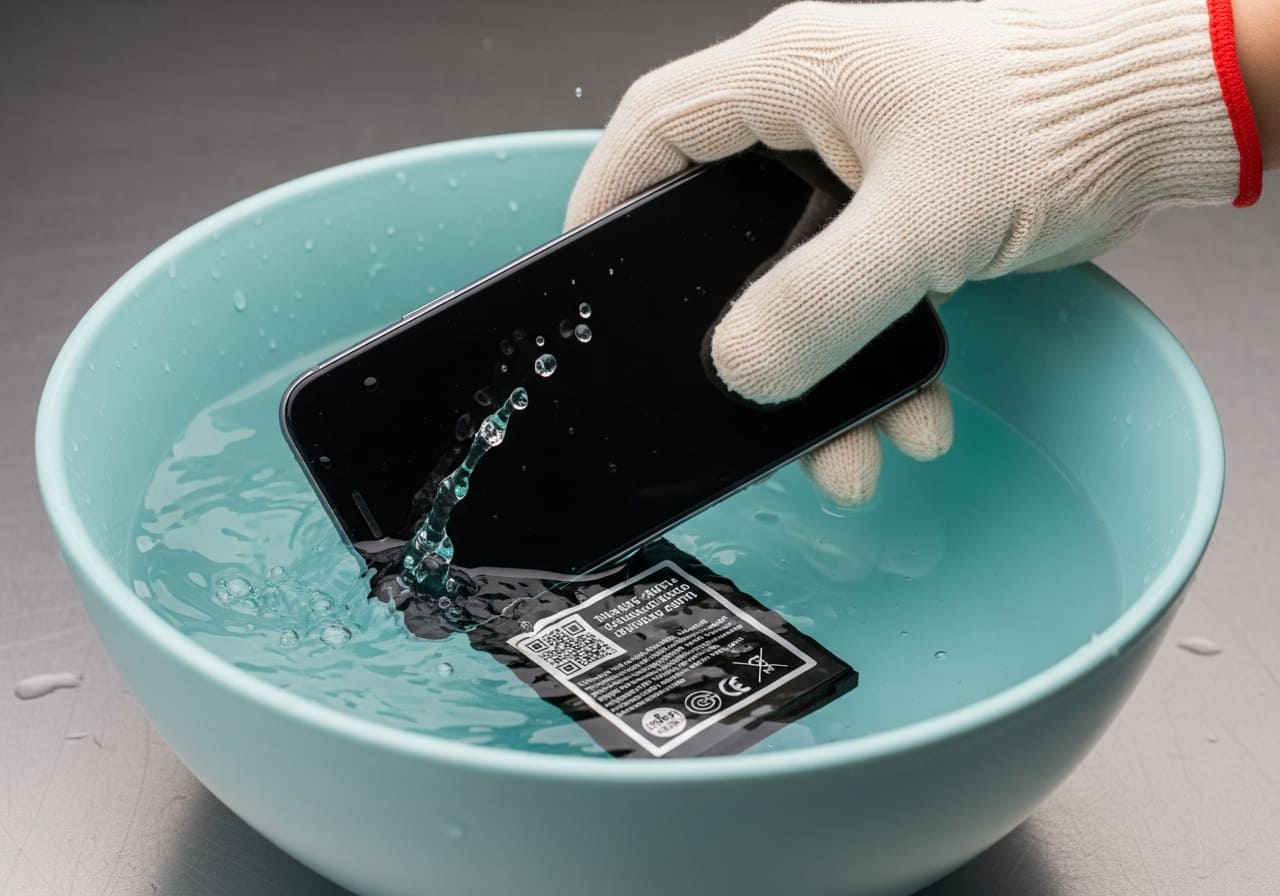
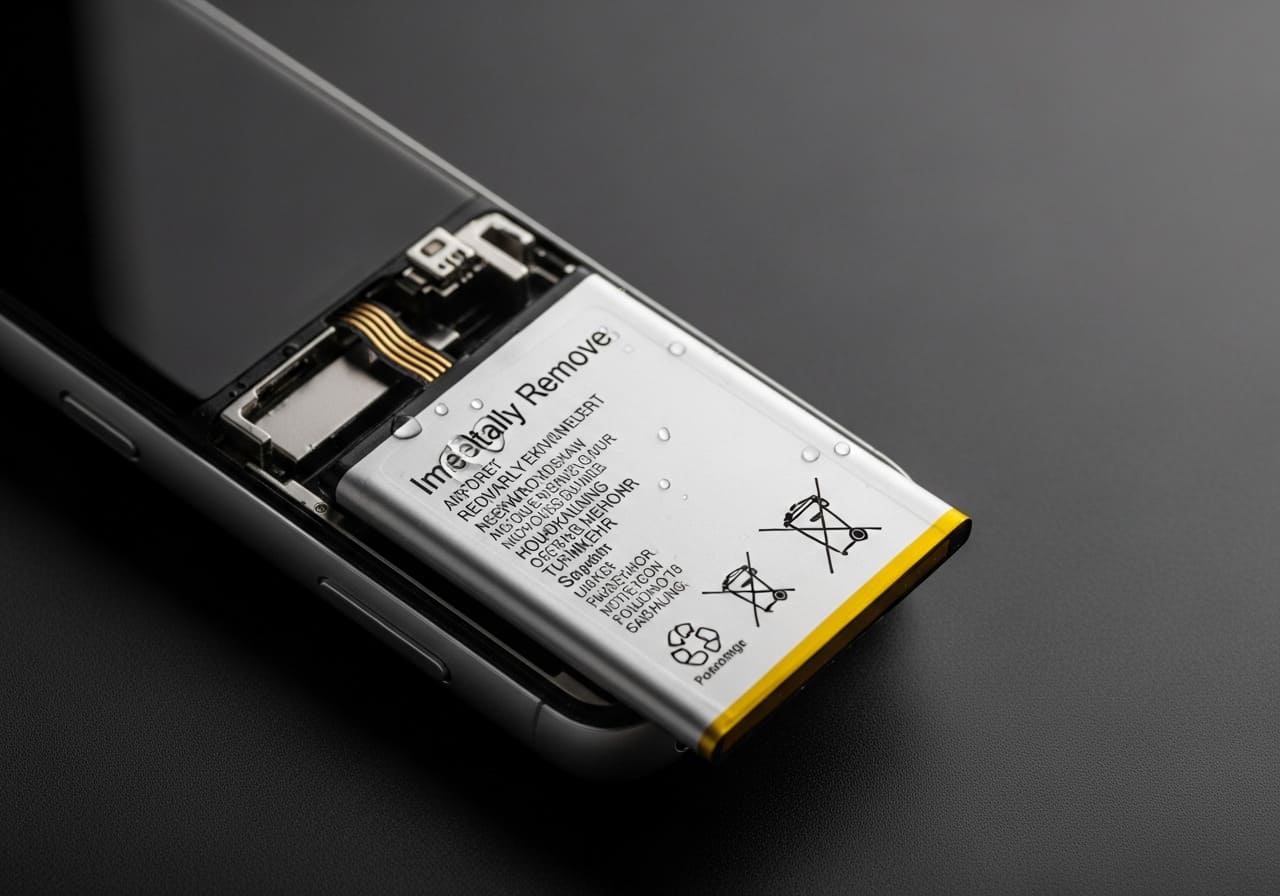
First, immediately remove the device from the water. Do not attempt to turn it on or charge it. If the battery is removable, take it out while wearing insulating gloves. This prevents short circuits which can lead to fire or permanent damage.
I've talked to many clients over my years in the battery business, and a surprising number of them have a story about a device taking an unexpected swim. From phones dropped in toilets to equipment left out in the rain, it's a common problem. The initial reaction is often to panic and try to power it on to see if it still works. This is the worst thing you can do. Understanding the right steps not only saves your device but also keeps you safe. Let's walk through exactly what you need to do, and what happens inside that battery when it gets wet.
What to do if a lithium battery gets wet?
Your device just got soaked, and you need a clear plan. Ignoring the problem could lead to a dead battery or worse. You need simple, safe steps to follow right now.
Take the battery out of the water immediately. If it's in a device, power the device down and, if possible, remove the battery. Place it in a dry, ventilated area away from flammable materials. Do not try to use or charge it.
When a client of mine, Michael from a medical device company in the U.S., called me about a batch of sensors that got wet, his first instinct was to test them. I stopped him right there. The first priority is always safety. Water and electricity are a dangerous mix, especially with the high energy density of lithium batteries. The moment a battery gets wet, you must assume it's compromised. Your goal is to isolate it and prevent any further damage or risk. Here’s a detailed breakdown of the immediate actions you need to take.
Step-by-Step Safety Protocol
- Cut the Power and Isolate: The absolute first thing is to get the battery away from the water. If it’s inside a device, do not press any buttons. If the device is on, turn it off immediately. If you can, remove the battery from the device. This is crucial because it disconnects the power source from the wet circuitry, reducing the chance of a short circuit. I always recommend wearing insulated gloves for this, just in case.
- Dry the Exterior: Gently pat the outside of the battery with a dry cloth or paper towel. Don't shake it vigorously, as this could spread water that has already seeped inside. The goal is just to remove surface moisture.
- Find a Safe Spot: Place the battery in a cool, dry, and well-ventilated area. Keep it far away from anything that could catch fire, like paper, fabric, or chemicals. A concrete floor in a garage or a ceramic dish on a clear countertop is a good choice.
- Wait and Observe: This is the hardest part. You must let the battery sit for a long time. I recommend at least 48 to 72 hours, but a week is even safer. During this time, you need to watch it for any signs of trouble.
| Sign of Danger | What it Means | Action Required |
|---|---|---|
| Swelling or Bulging | Internal gases are building up from a chemical reaction. | Immediate and safe disposal. Do not use. |
| Leaking Fluid | The internal seals have failed, and corrosive materials are escaping. | Immediate and safe disposal. Avoid skin contact. |
| Getting Hot | An internal short circuit is causing a thermal reaction. | Isolate immediately. High risk of fire. |
| Discoloration | Could indicate burning or chemical reactions on the terminals. | Treat with extreme caution. Likely damaged. |
Never try to speed up the drying process with heat. Using a hairdryer, oven, or leaving it in direct sunlight can cause the battery to overheat and potentially explode. Patience is your best tool here.
What happens if you put a lithium battery in water?
You might think water just "drowns" a battery, but the reality is far more dangerous. The combination creates a risk of fire or even an explosion. You need to understand this danger.
Water can seep inside a lithium battery, causing its internal components to short-circuit. This can trigger a process called thermal runaway, where the battery heats up uncontrollably, potentially leading to fire, smoke, and even an explosion.
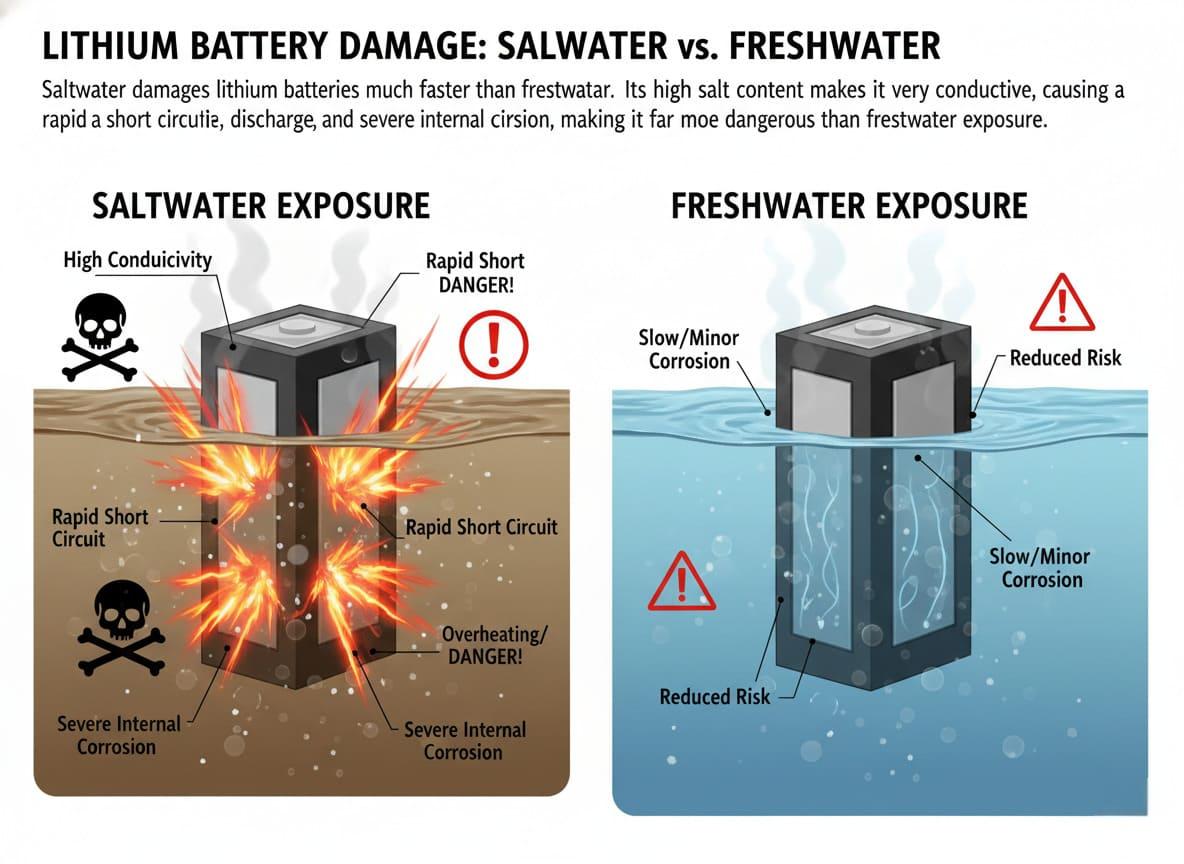
In my work at Litop, we design batteries with safety in mind, including features like waterproof casings for specific applications. But not all batteries are built to withstand submersion. When water gets past the outer casing, it acts as a conductor where it shouldn't. The electricity inside the battery cell starts flowing uncontrollably between the anode and cathode. This creates a short circuit. Think of it like crossing the wires on a car battery—you get sparks and intense heat. Inside a compact lithium battery1, this process is much more volatile. The energy that is supposed to be released slowly to power your device gets dumped all at once in the form of heat.
The Chain Reaction: From Short Circuit to Thermal Runaway
This initial heat can trigger a dangerous chain reaction. Here's how it unfolds:
- Initial Short Circuit: Water bridges the internal connections, causing a rapid discharge of energy and generating heat.
- Electrolyte Breakdown: The liquid electrolyte inside the battery is flammable. As the temperature rises, it can start to break down and release flammable gases. This is often when you might see a battery start to swell or bulge. The casing is straining to contain the pressure from these gases.
- Thermal Runaway: If the heat continues to build, it reaches a critical point. The chemical reaction becomes self-sustaining and uncontrollable. The temperature skyrockets in a fraction of a second.
- Venting and Fire: The pressure becomes too much, and the battery casing will vent, releasing hot, flammable gases. These gases can ignite when they hit the oxygen in the air, resulting in a fire or a small explosion.
This entire process can happen very quickly, or it can be delayed. A battery might seem fine for hours or even days after getting wet before it suddenly fails. That's why observation from a safe distance is so important. The risk isn't just about losing the battery; it's about preventing a fire.
Can you dry out a lithium battery?
Your battery is wet, and you want to save it. You wonder if simply drying it out is enough to make it safe and usable again. The answer is not straightforward.
While you can let a battery air-dry, there's no guarantee it will be safe to use. Internal corrosion and mineral deposits from the water can cause hidden damage that may lead to failure or a short circuit later. Professional inspection is always the safest option.

I’ve had many customers, especially those working on new prototypes for wearables or IoT devices, ask me if they can salvage a battery after an accident. My advice is always to err on the side of caution. While it is technically possible for a battery to survive a brief encounter with clean water if it dries completely, the risks are significant. The problem isn't just the water itself, but what the water leaves behind and the damage it causes on its way in. Never, ever use external heat like a hairdryer, oven, or microwave. This will almost certainly lead to a dangerous failure.
The Right Way to Dry and the Hidden Dangers
If you are determined to try and save the battery, you must do it passively.
Safe Drying Method:
- Placement: Put the battery in a dry, open area with good airflow.
- Desiccants: You can place it in a sealed container with desiccant packets (like silica gel) to help absorb moisture. The old "bag of rice" trick is less effective and can introduce dust and starch into the components.
- Time: Leave it for an extended period. I recommend a minimum of one week to give any internal moisture a chance to evaporate slowly.
Even after following these steps, you are not in the clear. The real problem is the invisible damage you can't see.
| Type of Damage | Description | Consequence |
|---|---|---|
| Internal Corrosion | Water and dissolved minerals can corrode the delicate metal components and electronic contacts inside the battery and its protection circuit. | Increased internal resistance, reduced capacity, and a higher risk of a future short circuit. |
| Mineral Deposits | As water evaporates, it can leave behind conductive mineral deposits on the circuitry. | These deposits can create new, unintended electrical pathways, leading to a short circuit long after the battery seems dry. |
| Seal Compromise | The water may have damaged the seals that keep the battery airtight. | The battery may be more susceptible to future moisture damage and internal components can degrade when exposed to air. |
Because of these hidden risks, I never recommend reusing a water-damaged battery in a critical or expensive device. The cost of a new battery is tiny compared to the cost of a fire or a fried circuit board.
What is the 40 80 rule for lithium batteries?
You want your batteries to last as long as possible. You've heard about charging rules, but some seem complicated. There's a simple guideline that can significantly extend your battery's lifespan.
The 40-80 rule is a guideline for maximizing the lifespan of a lithium-ion battery. It suggests keeping the battery's charge level between 40% and 80% as much as possible, avoiding full discharges to 0% or constant charging to 100%.
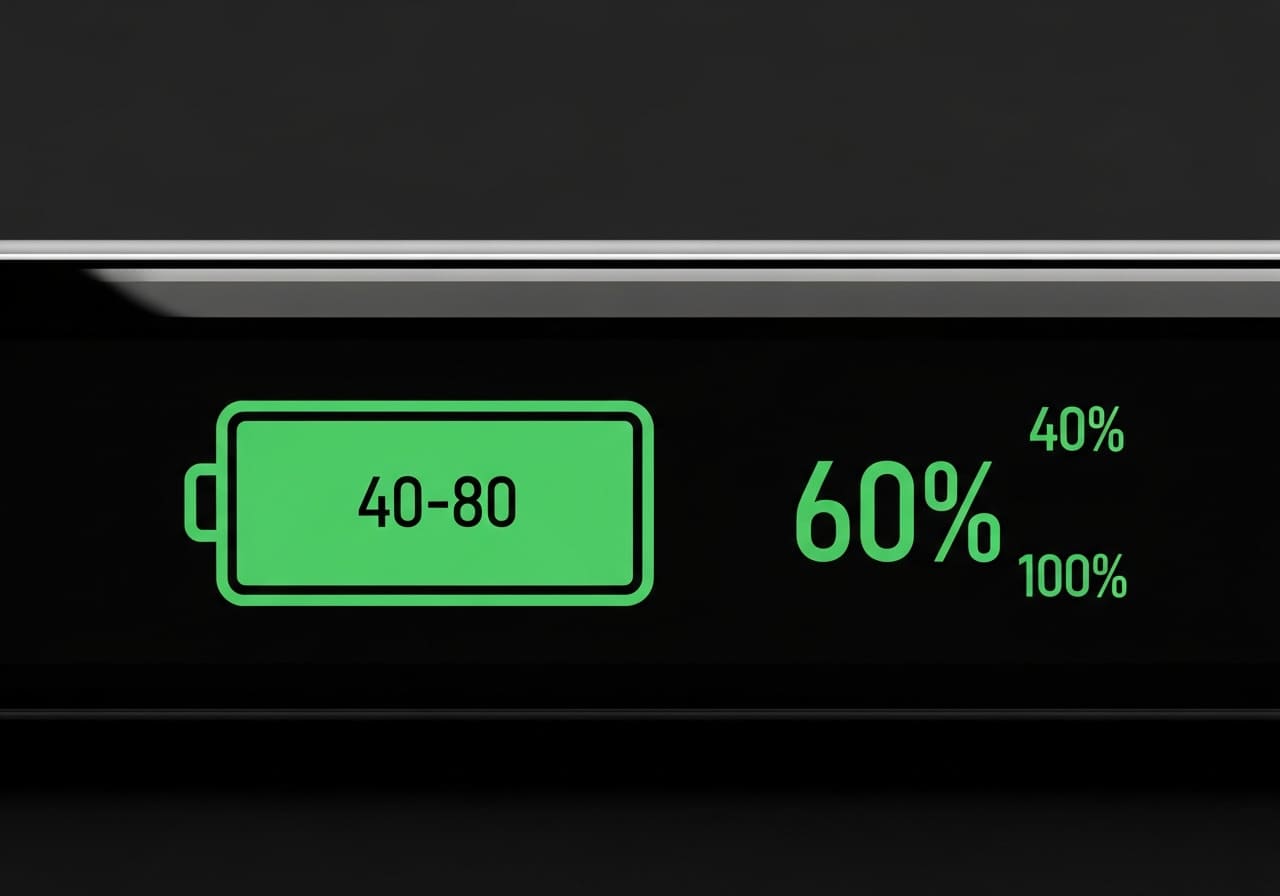
This might sound a bit strange. After all, don't we buy devices based on how long they last on a full 100% charge? I explain this to clients like Michael all the time. While a full charge gives you maximum runtime for that single cycle, it puts the most stress on the battery's internal chemistry. Think of it like stretching a rubber band. You can stretch it all the way, but if you only stretch it halfway most of the time, it will stay elastic for much longer. Lithium-ion batteries are similar. They are happiest and degrade slowest when they are not at the extreme ends of their charge state.
Why Does This Rule Work?
The science behind it is about stress on the battery's components.
- High Voltage Stress (Above 80%): Charging a lithium-ion battery to its maximum voltage (which corresponds to 100%) puts a lot of strain on the cathode. Over time, this accelerates the degradation of the battery's capacity. Keeping it consistently at 100%, like leaving a laptop plugged in all the time, is one of the fastest ways to wear out the battery.
- Low Voltage Stress (Below 40%): On the other end, letting the battery drain completely to 0% can also cause problems. If left discharged for too long, the battery's voltage can drop so low that its internal safety circuit trips, potentially making it impossible to recharge. Deep discharges also put a different kind of strain on the anode.
By operating in that middle 40% to 80% range, you avoid the most stressful conditions for the battery. This reduces the rate of capacity loss over its lifetime. For many of our B2B clients, especially in medical and industrial fields, device longevity is critical. A battery that lasts five years instead of two is a huge selling point. Adopting this charging strategy for their devices ensures greater reliability and lower long-term costs. It’s a simple change that makes a big difference.
Conclusion
If your lithium battery gets wet, act fast. Get it out of the water, don't power it on, and isolate it safely. Remember, drying it is a risk. When in doubt, replacing the battery is always the safest and smartest choice for you and your device.
Explore expert advice on lithium battery care to ensure safety and longevity. ↩