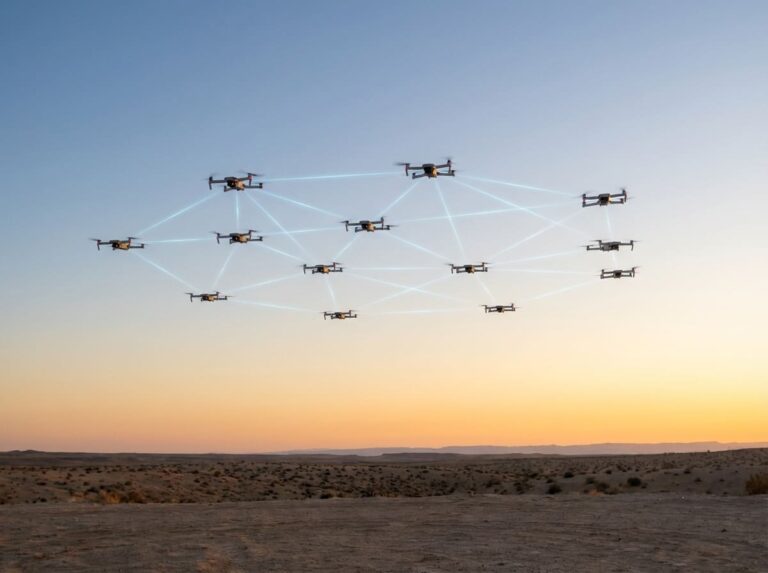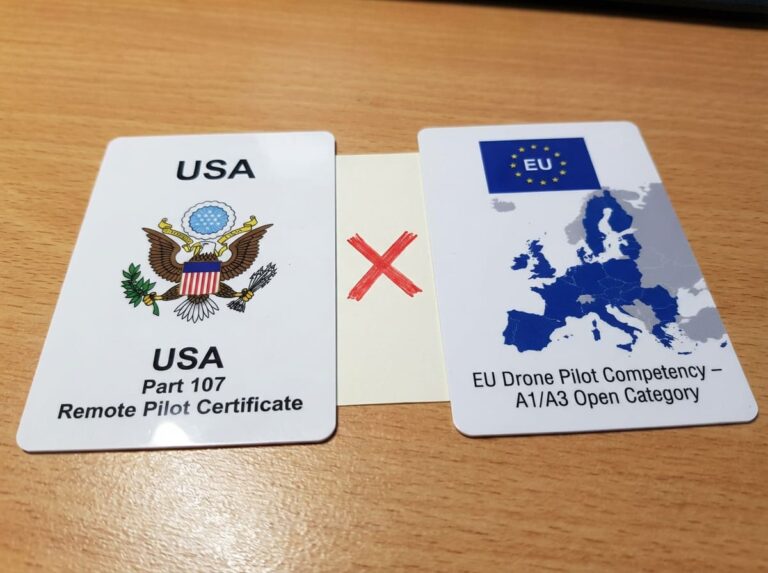
Struggling with complex BVLOS rules? You want to expand your UAS operations, but the regulations are a maze. I can help you understand the key requirements simply.
To operate BVLOS, you need certified drones, reliable Detect and Avoid (DAA) systems, and robust Command and Control (C2) links. You must also complete a detailed risk assessment like SORA and get approval from aviation authorities like the FAA or EASA.
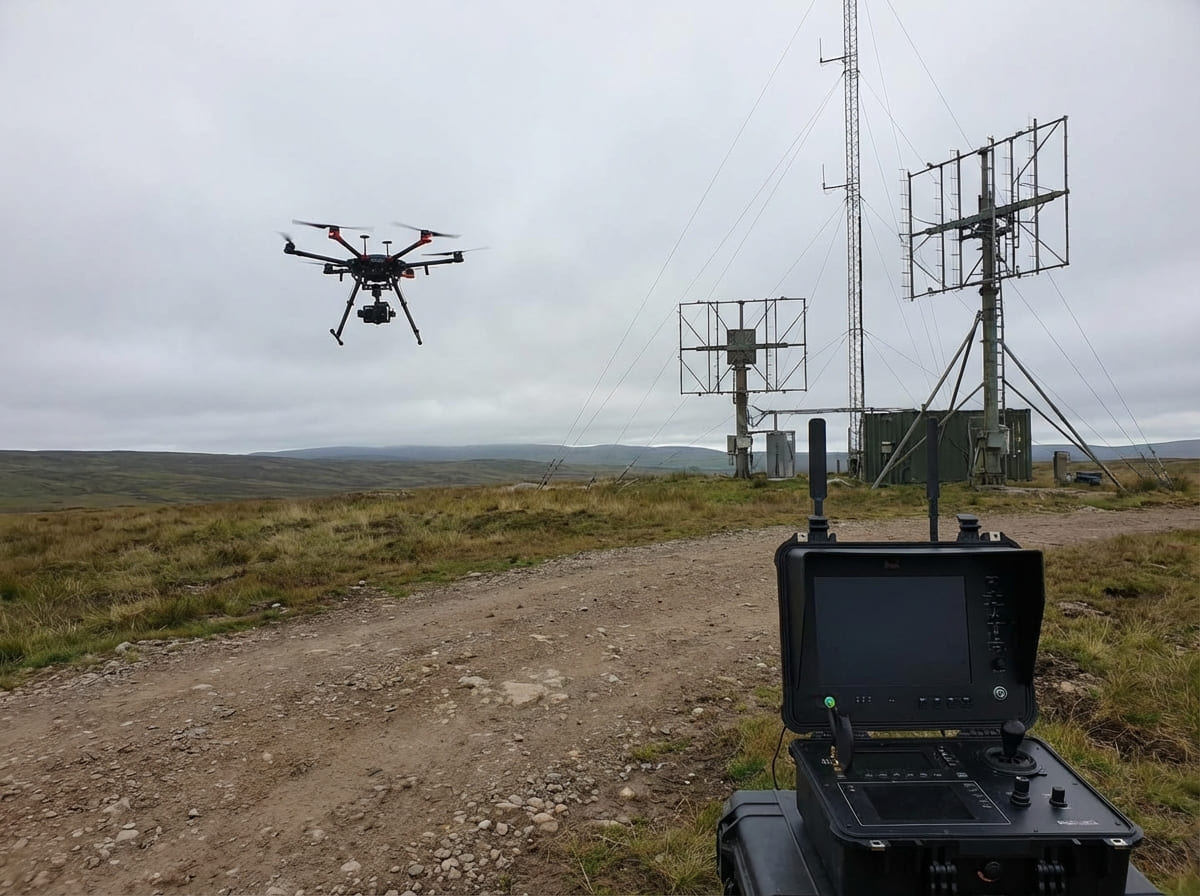
Navigating the path to BVLOS operations is a journey I've seen many of my clients undertake. It's a significant step up from standard commercial drone use, demanding a new level of technical sophistication and regulatory compliance. The core of it all is risk management. Authorities in the US and Europe want to know that your unmanned aircraft can operate safely without a pilot's eyes on it. This means proving your technology is reliable, your procedures are sound, and you've thought through every possible failure. It's a challenge, but breaking it down into manageable parts makes it much clearer. Let's dive into the key systems and processes you'll need to master.
What Are the Most Mature Detect and Avoid (DAA) Systems on the Market?
Worried about mid-air collisions? Your drone needs to see and avoid other aircraft, but choosing the right system is tough. Here’s a look at mature DAA solutions.
The most mature DAA systems combine multiple sensors like radar, ADS-B, and electro-optical/infrared (EO/IR) cameras. Companies like Iris Automation and Echodyne lead with solutions that meet standards like ASTM F3442, providing the reliable data needed for safe BVLOS flights.
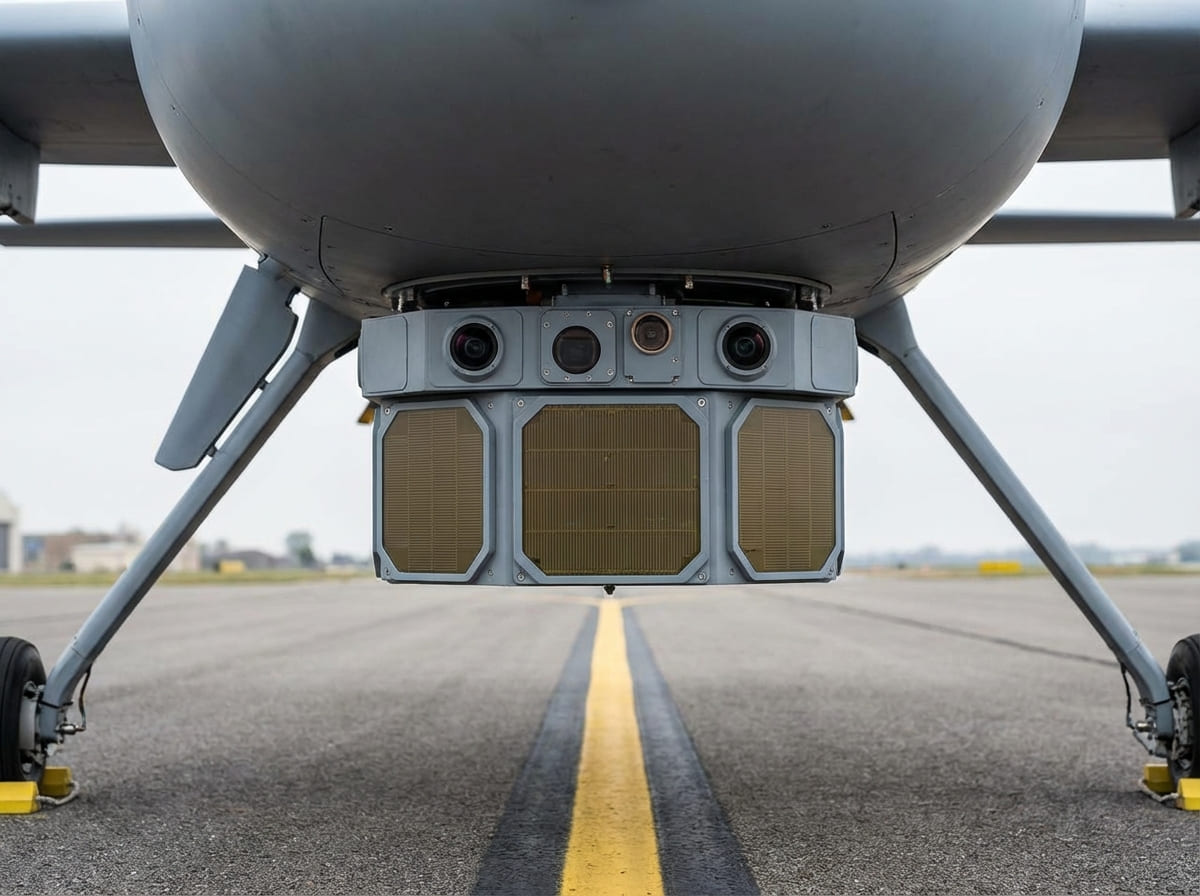
A robust DAA system is the heart of a safe BVLOS operation. It’s what replaces the pilot's eyes. Instead of one single technology, mature systems use a "sensor fusion" approach, combining data from several sources to build a complete picture of the surrounding airspace. This creates redundancy and covers the weaknesses of any single sensor.
Key DAA Technologies
The most common technologies you'll find are ADS-B, radar, and cameras. ADS-B (Automatic Dependent Surveillance-Broadcast) receivers are great because they pick up signals from most modern manned aircraft, telling you their position, altitude, and velocity. However, not all aircraft are equipped with it. That's where active sensors like radar come in. They send out signals and detect reflections, allowing them to spot non-cooperative targets. Finally, EO/IR cameras provide visual confirmation and can identify obstacles that radar might miss.
Leading Solutions and Standards
Companies like Iris Automation with their Casia system or Echodyne with their compact radar units have become industry leaders. Their solutions are designed to comply with crucial standards like ASTM F34421, which defines the minimum performance requirements for DAA systems. As a battery manufacturer, I always remind my clients that these advanced sensor suites have significant power demands. A DAA system that's constantly scanning and processing data needs a battery and BMS that can deliver consistent, reliable power for the entire mission. The choice of DAA system directly impacts the power budget and, therefore, the battery solution.
| DAA Technology | Pros | Cons | Best For |
|---|---|---|---|
| ADS-B | Low power, long-range, provides rich data | Only detects cooperative aircraft | Baseline airspace awareness |
| Radar | Detects non-cooperative targets, works in all weather | Higher power consumption, can be expensive | All-weather, all-target detection |
| EO/IR Cameras | Provides visual confirmation, classifies objects | Limited by weather/light, shorter range | Final verification, close-range sensing |
How Can You Prove C2 Link Reliability and Redundancy After Signal Loss?
Afraid of losing control of your drone? A lost signal could be disastrous, and regulators need proof of your backup plan. Let me explain how to demonstrate reliability.
You prove C2 link reliability through robust hardware, link diversity (e.g., satellite and cellular), and well-defined lost-link procedures. Your drone's flight controller must automatically execute pre-programmed actions, such as returning to home or landing safely, when the primary link is lost.
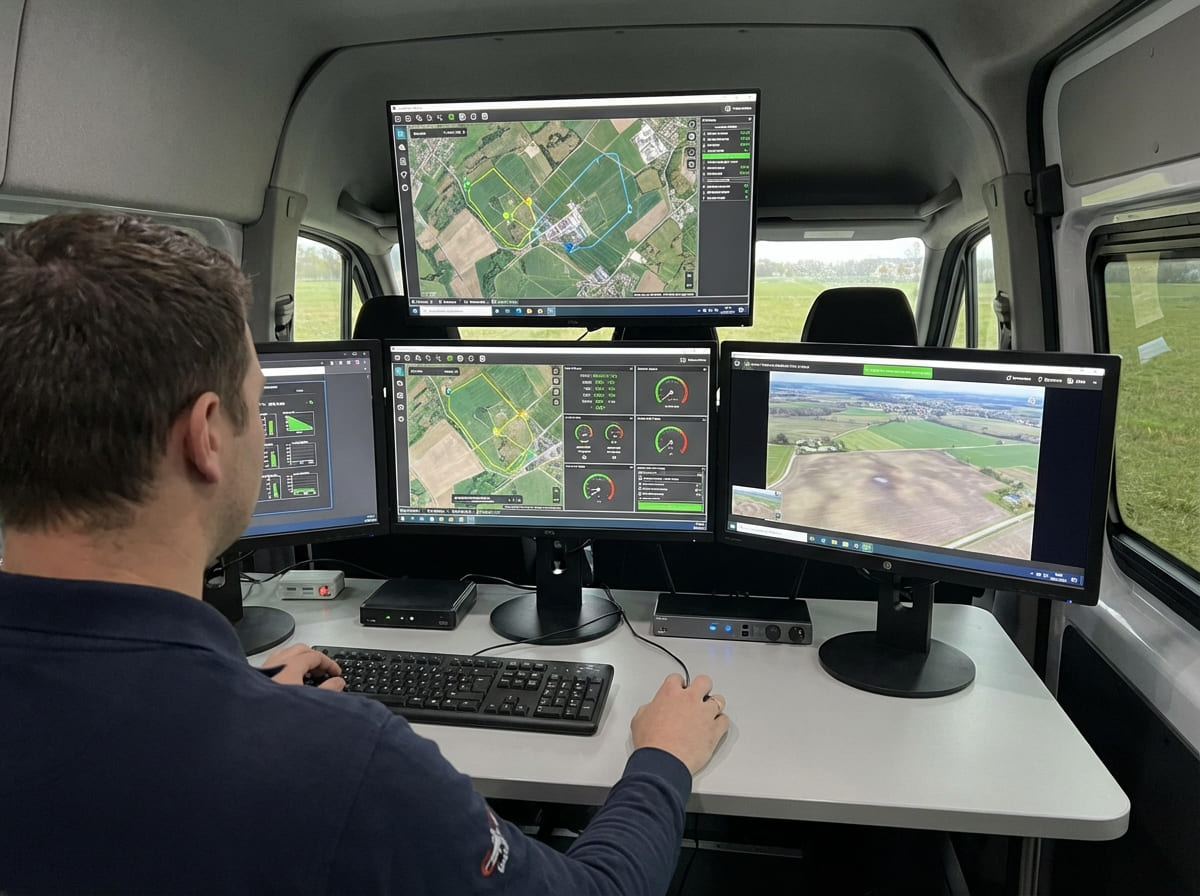
The Command and Control (C2) link is your lifeline to the drone. For BVLOS, regulators will not accept a single, fragile link. You must demonstrate that your connection is robust and that you have a clear, automated plan for what happens if it fails. This is all about building trust and proving your operation won't become a hazard.
Building a Resilient C2 Link
The best practice is to use link diversity. This means having more than one communication channel running simultaneously. A common setup I've seen with clients is using a primary terrestrial radio link backed up by a cellular (4G/5G) or satellite connection. If the primary link degrades or is lost, the system automatically switches to the backup. This ensures you maintain control. The hardware must be certified for this kind of performance, and you'll need to show regulators data from tests that prove its reliability in various conditions.
The Importance of Lost-Link Procedures
Even with redundancy, you must plan for a total loss of communication. This is where pre-programmed lost-link behaviors are critical. The drone's flight controller must be configured to take autonomous action. These actions typically include:
- Loiter: The drone circles in place for a set time, attempting to re-establish the link.
- Return-to-Home (RTH): If the link isn't restored, the drone autonomously flies back to its takeoff point.
- Auto-Land: In some scenarios, the safest action is to land immediately at a pre-determined safe landing spot.
From my perspective at Litop, the battery system is crucial here. The drone's Battery Management System (BMS)2 must provide accurate state-of-charge data so the flight controller knows if it has enough power to complete the RTH maneuver. A smart BMS is not a luxury; it's a key safety component.
| C2 Link Type | Pros | Cons | Typical Role |
|---|---|---|---|
| Direct Radio Link | Low latency, high bandwidth | Limited range, subject to interference | Primary link for short-range BVLOS |
| Cellular (4G/5G) | Wide coverage, low cost | Dependent on network availability | Primary or backup link |
| Satellite | Global coverage | High latency, expensive data | Ultimate backup link for remote areas |
How Should You Write a Risk Assessment Model (Like SORA) for BVLOS Exemption or Permission?
Drowning in paperwork for your BVLOS application? The SORA risk assessment seems impossibly complex. I can show you how to structure it for success.
To write a SORA, you must first determine your operation's Ground Risk Class (GRC) and Air Risk Class (ARC). Then, you must identify mitigations to lower the risk to an acceptable level and define Specific Assurance and Integrity Levels (SAIL) for your systems and procedures.
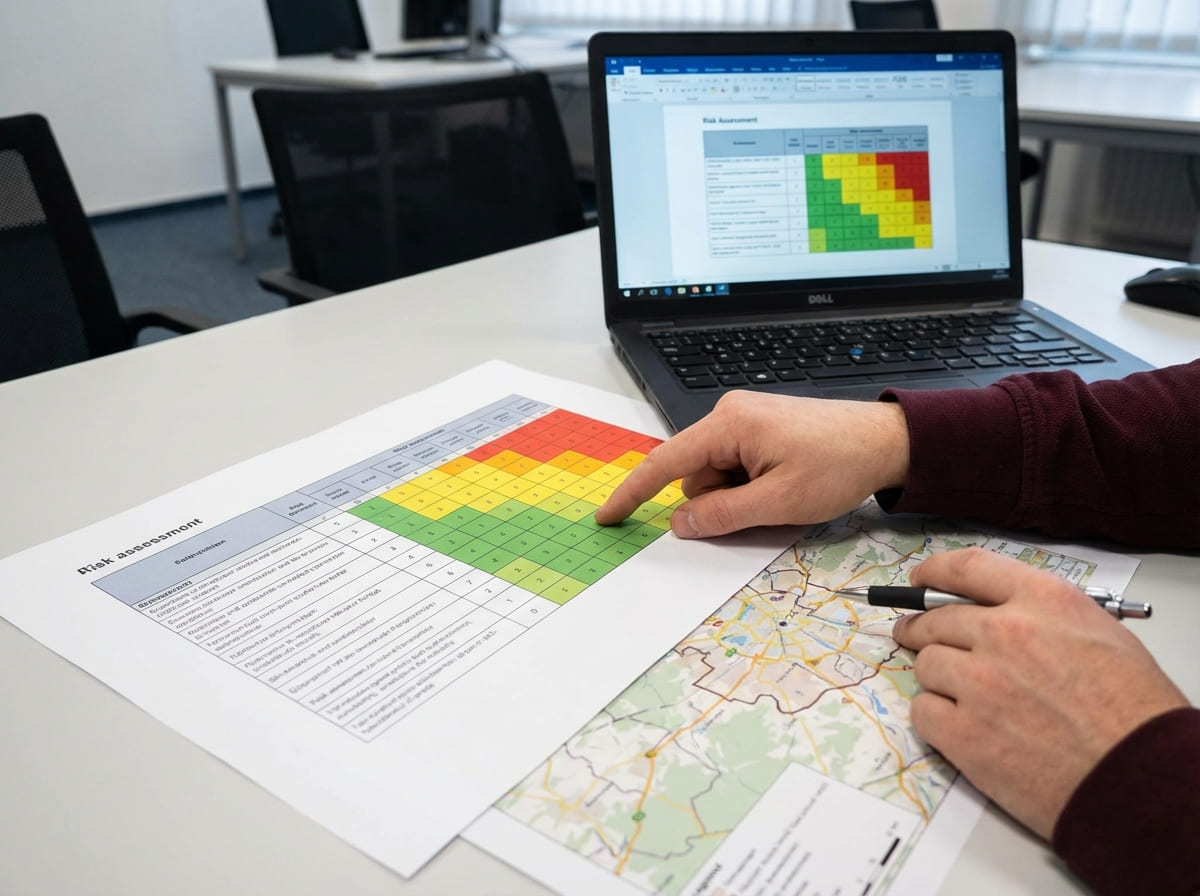
The Specific Operations Risk Assessment (SORA) is the framework used in Europe and adopted by many other regions to get BVLOS approval. At first, it looks like a mountain of paperwork, but it's a logical, step-by-step process. I've walked many partners through this, and the goal is always the same: to systematically identify risks and then show how you will manage them.
Understanding GRC and ARC
The process starts with two key questions. First, what is the risk to people on the ground? This determines your Ground Risk Class (GRC)3. Flying over a deserted area is a low GRC; flying over a city is a high GRC. Second, what is the risk of a collision with other aircraft? This determines your Air Risk Class (ARC)4. Flying in uncontrolled, remote airspace is a low ARC; flying near an airport is a high ARC. These two values determine your initial risk level.
Mitigations and SAIL
Your job is then to apply mitigations to bring that risk down. For ground risk, mitigations could include having a flight termination system or using a drone with a parachute. For air risk, a certified DAA system is a powerful mitigation. Each mitigation you apply must meet a certain level of robustness. This is where the Specific Assurance and Integrity Level (SAIL) comes in. A SAIL rating, from I to VI, tells you how rigorous your systems and procedures must be. A low-risk operation might only need SAIL I, while a high-risk BVLOS flight over a city could require SAIL IV or higher. This directly impacts your hardware choices. For a high SAIL operation, we might design a battery pack with a dual-redundant BMS and cells that have extensive cycle-life testing data to prove their reliability.
| Risk Factor | Low Risk Example | High Risk Example | Corresponding SAIL (Example) |
|---|---|---|---|
| Ground Risk | Flying over a remote farm | Flying over a suburban park | GRC 1 -> GRC 5 |
| Air Risk | Flying in uncontrolled airspace | Flying near a regional airport | ARC-a -> ARC-d |
| Resulting SAIL | SAIL I or II | SAIL IV or V |
What Are the Hardware and Maintenance Differences Between BVLOS and Standard Commercial Drones?
Shocked by the cost of BVLOS drones? They look similar to standard models, but the price tag is much higher. I'll explain the key hardware and maintenance differences.
BVLOS drones require more expensive, certified components, including redundant sensors, communication links, and certified flight controllers. Their batteries are often custom, high-endurance designs. Maintenance is also stricter, with detailed logging, regular inspections, and component lifecycle tracking mandated by regulators.
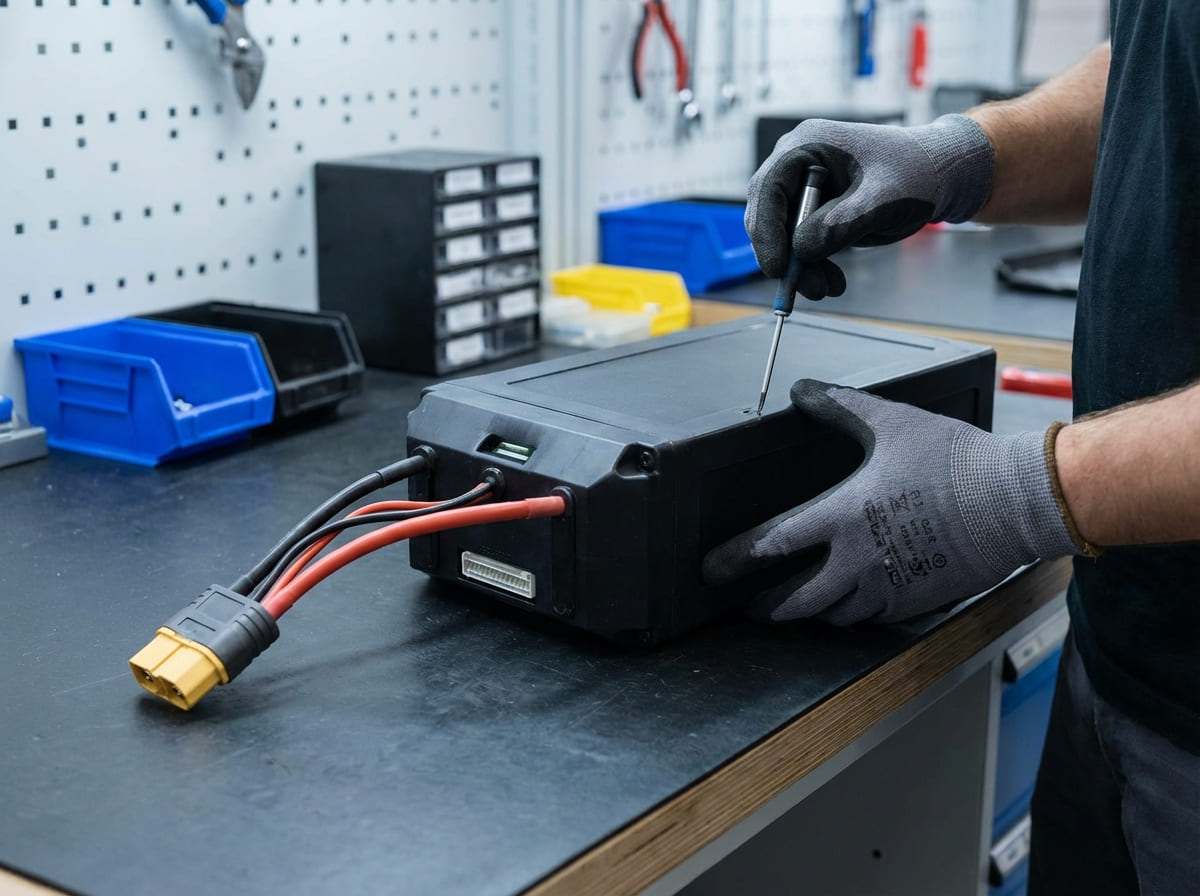
When clients first explore BVLOS, the jump in cost from a standard commercial drone is often a surprise. The reason is that a BVLOS aircraft is less like a consumer gadget and more like a certified aircraft. Every component must be more reliable, more robust, and often, redundant. This applies to the hardware itself and the procedures used to maintain it.
Hardware: Reliability is Everything
A standard drone might use a consumer-grade flight controller. A BVLOS drone needs an aviation-grade one with triple-redundant IMUs. A standard drone has one radio link; a BVLOS drone needs at least two, using different technologies. The biggest difference I see is in the power system. A standard drone uses an off-the-shelf battery. For BVLOS, we are almost always designing a custom solution. The mission might require 2+ hours of flight, which demands a battery with the highest possible energy density. It needs to perform in extreme temperatures, so we might build a low-temperature or high-temperature battery pack. The BMS must be incredibly accurate and provide failsafe protections, because a battery failure in a BVLOS flight is not an option.
Maintenance: From Hobby to Aviation Standard
Maintenance for a standard drone is often reactive—you fix it when it breaks. For a BVLOS drone, maintenance is proactive and highly structured. Regulators require a full maintenance program, just like for a manned airplane. This includes:
- Detailed Logs: Every flight, every component change, and every inspection is logged.
- Scheduled Inspections: Regular checks of propellers, motors, airframe, and electronics.
- Component Lifecycles: Parts like batteries and motors have a defined service life and must be replaced after a certain number of hours, regardless of whether they seem fine. This ensures you replace parts before they can fail.
| Feature | Standard Commercial Drone | BVLOS Drone |
|---|---|---|
| Flight Controller | Consumer-grade, single IMU | Aviation-grade, redundant IMUs |
| C2 Link | Single radio link | Dual or triple links (Radio + Cellular/Sat) |
| Sensors | Basic GPS, camera | Certified DAA system (Radar, ADS-B, etc.) |
| Battery | Off-the-shelf, basic BMS | Custom, high-energy-density, advanced BMS |
| Maintenance | Reactive, informal | Proactive, scheduled, fully logged |
| Cost | $2k - $10k | $50k - $250k+ |
Conclusion
Making the leap to BVLOS operations is about embracing a culture of safety and risk management. It requires certified DAA and C2 systems, a thorough SORA risk assessment, and higher-grade, meticulously maintained hardware. While complex, a structured approach makes it achievable for any serious operator.
ASTM F3442 sets performance standards for DAA systems, ensuring safety in BVLOS operations. ↩
A BMS is crucial for monitoring battery health and ensuring safe BVLOS operations. ↩
GRC helps assess risks to people on the ground, a key factor in BVLOS risk assessments. ↩
ARC evaluates collision risks with other aircraft, critical for BVLOS safety. ↩