Are you worried about the safety of heavy electric vehicles? People say they are safer in a crash, but then you hear about battery fires. It’s confusing.
A heavier car battery itself doesn't make a car safer. However, the added vehicle weight can offer a "passive safety advantage" in a collision with a lighter car. The real key to safety is the battery's protection and design, not just its weight.
I was talking about this with a client, Michael, who is always sharp and to the point. He buys our custom batteries for medical devices and knows quality is non-negotiable. He asked me, "Caroline, everyone's talking about how heavy these EVs are. Does that really mean they're safer, or are we just sitting on a bigger bomb?" It’s a great question. The answer isn't a simple yes or no. It really depends on what you mean by "safer." Let's break down the different aspects of this issue.
Is a heavier EV battery more likely to catch fire after an accident?
You see headlines about electric cars catching fire after a crash. This makes you wonder if the massive battery in an EV is a ticking time bomb, making you hesitant.
A heavier battery doesn't automatically mean a higher fire risk. The risk comes from the battery pack being damaged, punctured, or crushed in a crash, which can lead to thermal runaway. The quality of the battery's protective structure is what truly determines the fire risk, not its weight.
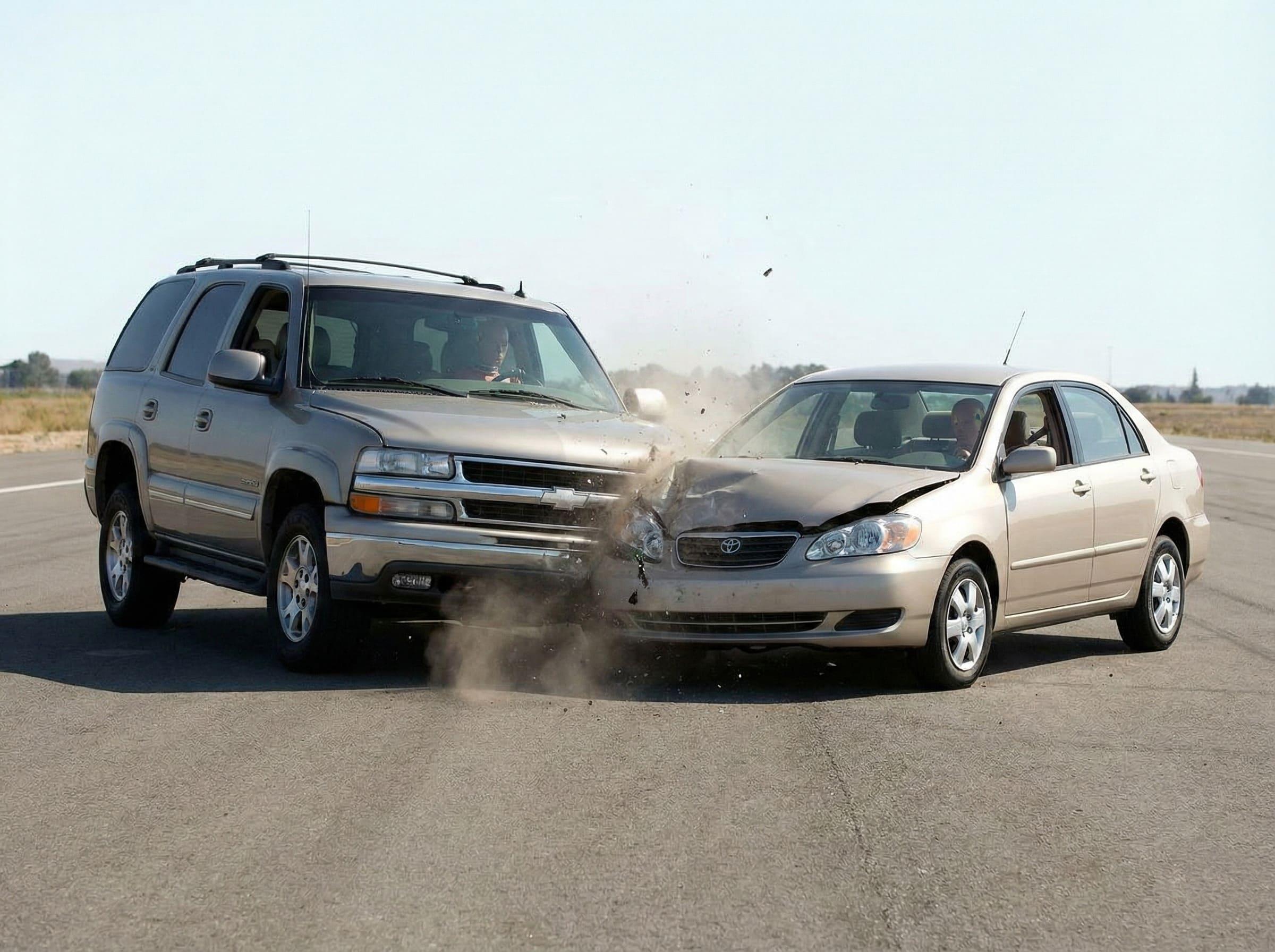
This is a valid fear and one we take very seriously in the battery industry. The issue is a paradox: the battery's weight can protect you, but the battery itself can be a hazard. First, let's look at the advantage. A heavier car has more inertia. When a heavy EV collides with a lighter car, the laws of physics mean the lighter car absorbs more of the crash energy. For example, if a 3-ton EV hits a 1-ton car, the occupants of the heavier vehicle are subjected to much less force, increasing their chances of walking away unharmed. Car companies know this, so they reinforce the car's frame, pillars, and beams to support the battery's weight. This "weight-forced strengthening" indirectly makes the whole car more robust.
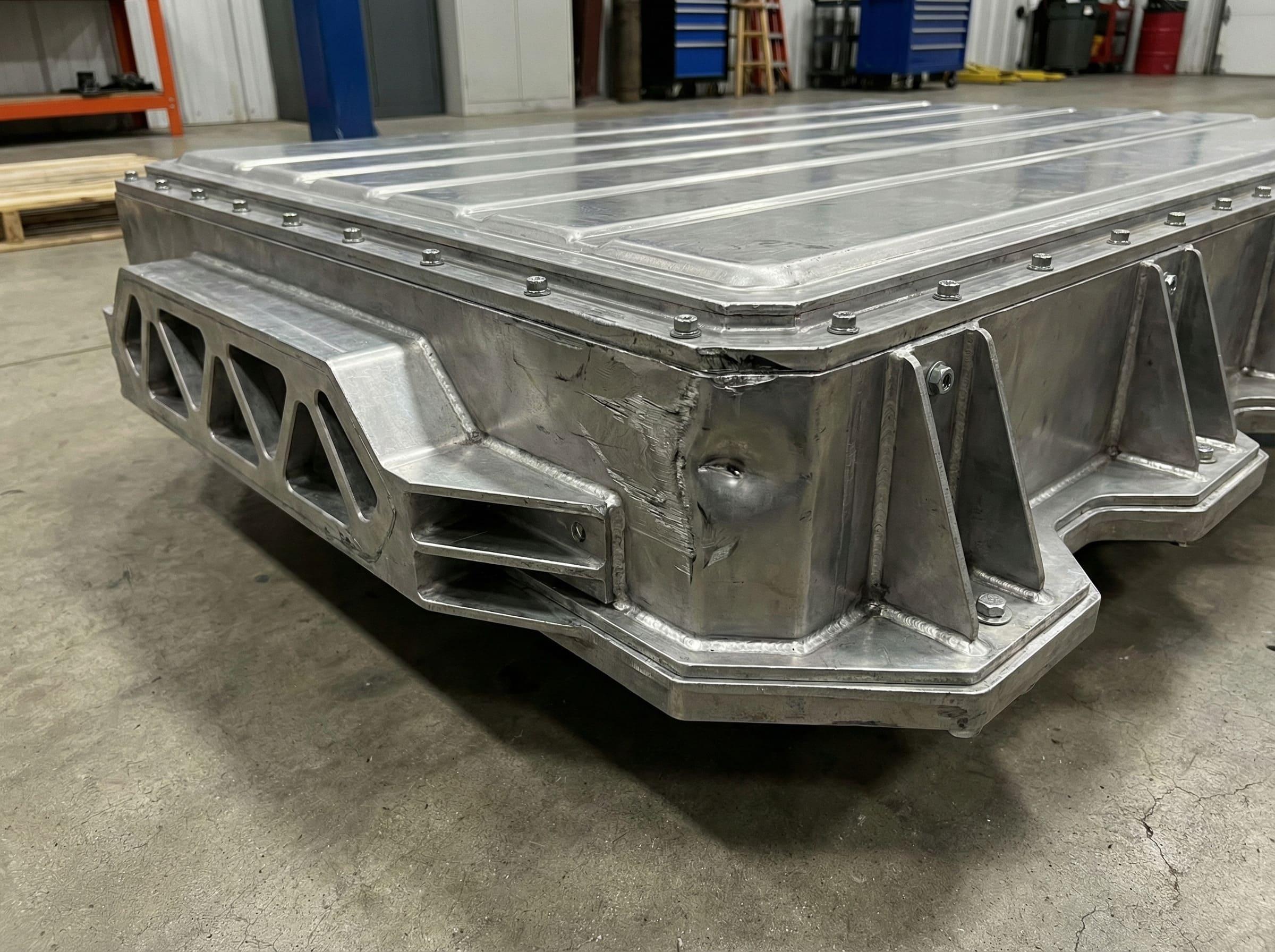
But here is the other side of the story. Lithium-ion batteries store an immense amount of energy. If the battery pack is pierced or crushed in an accident, it can cause an internal short circuit. This can trigger a dangerous chain reaction called "thermal runaway," where the battery cells rapidly overheat and catch fire. These are intense chemical fires that are very difficult to put out and give occupants very little time to escape. So, the key isn't the weight itself, but how well the battery is protected.
| Factor | High-Risk Scenario | Low-Risk Scenario |
|---|---|---|
| Battery Enclosure | Thin, weak material | High-strength steel/aluminum casing |
| Vehicle Structure | No dedicated protection zone | Crumple zones directing force away from the battery |
| Cooling System | Easily damaged in a crash | Robust system with shut-offs to prevent shorts |
| BMS | Basic monitoring | Advanced system that detects impact and isolates cells |
Ultimately, a heavy battery in a car with poor protection is a huge risk. But in a well-engineered vehicle, the weight provides a safety advantage while advanced design minimizes the fire risk.
If the battery on the car's underside is damaged, does the whole pack need replacing, and will insurance cover it?
You're driving your EV and hear a loud scrape from underneath. You've hit something, and now you're worried about the expensive battery pack. What happens next?
Yes, if the underbody battery pack is significantly damaged, it often requires a full replacement for safety reasons. Most comprehensive auto insurance policies cover battery damage from accidents. However, coverage details and costs can vary, so you must always check your specific policy.
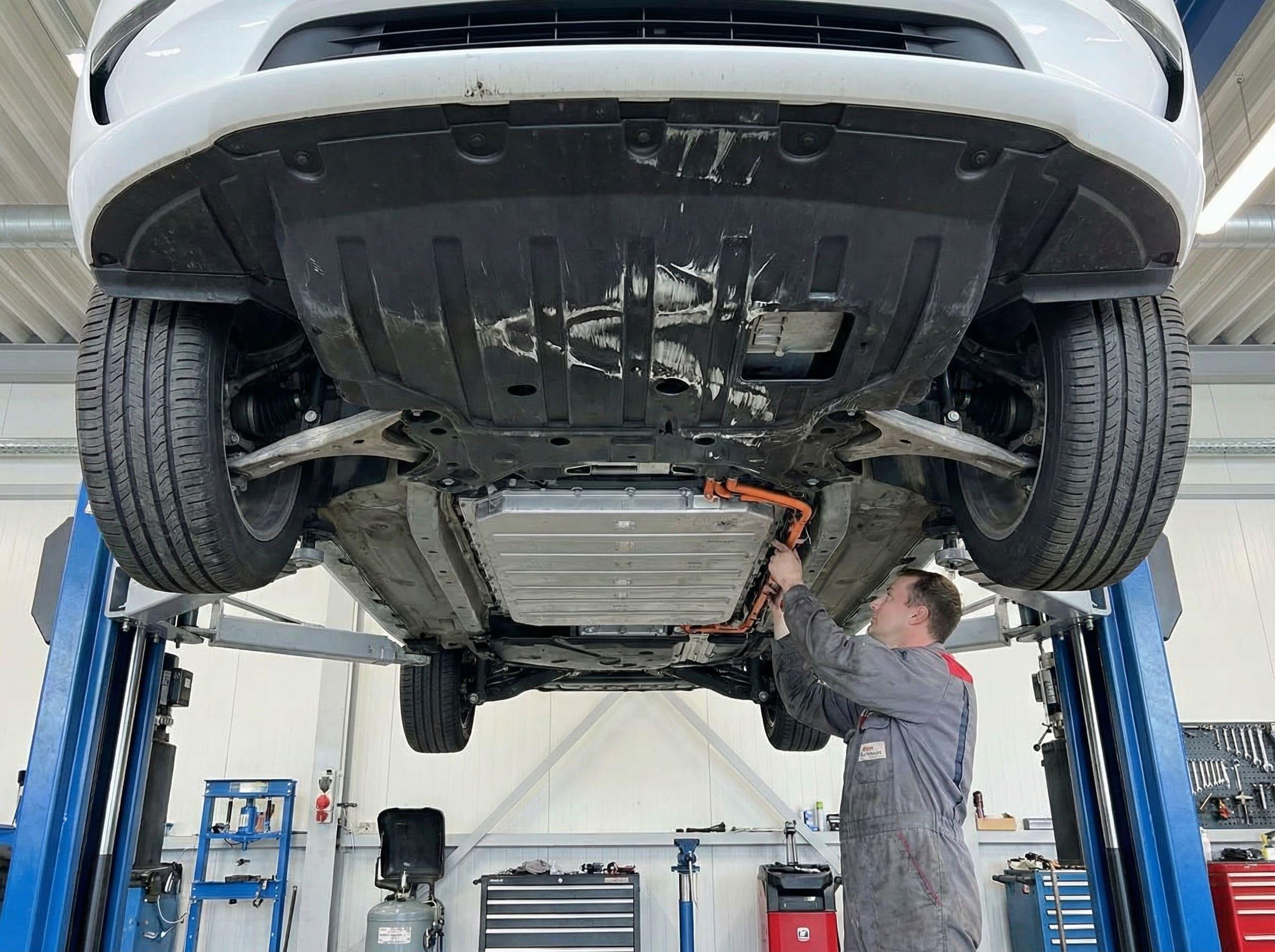
This is a very practical concern for anyone who owns or is considering an EV. The battery is by far the most expensive part of the vehicle, and damage is a serious issue. In most cases, if the main battery pack casing is damaged, a full replacement is the only safe option. The battery pack isn't just a simple box. It's a complex, sealed unit containing hundreds or thousands of individual battery cells, a sophisticated cooling system, and the electronic Battery Management System (BMS) that keeps everything running safely. Any damage to the outer case could mean moisture gets in, or that internal components like cells or cooling lines are compromised.
Because of the severe risk of fire from a damaged lithium-ion battery, repair shops and manufacturers simply won't take chances. Trying to repair a damaged pack is dangerous and it's almost impossible to be sure it's 100% safe afterward. That's why replacement is the industry standard. However, this is changing. Here at Litop, we work on custom modular battery designs for many industries. The EV world is also moving in this direction.
| Battery Design | Repair/Replacement Pros | Repair/Replacement Cons |
|---|---|---|
| Monolithic Pack | Simpler to manufacture; structurally strong. | Damage often means full replacement; very high cost. |
| Modular Pack | Potentially cheaper to repair (replace only damaged modules). | More complex design; more connections that could fail. |
As for insurance, the good news is that in places like the United States and Europe, most comprehensive auto policies treat the battery like any other part of the car. If it's damaged in a covered accident, your insurance should pay for the replacement, minus your deductible. The only catch is that because the battery is so expensive, the cost of replacement can sometimes lead the insurance company to declare the entire car a total loss.
Does a heavy EV have a longer braking distance than a gas car, and is it safe in rain or snow?
You're driving a heavy EV on a wet road. A car stops suddenly ahead. You slam on the brakes, but you worry the extra weight will make you slide right into it.
Heavy EVs can have slightly longer braking distances in some tests, but modern technology often compensates for this. Advanced braking systems, regenerative braking, and a low center of gravity can make them very stable and safe, even in rain or snow.

This question gets right down to basic physics. More weight means more momentum, and it takes more energy to stop something with more momentum. So, if you take two otherwise identical cars, the heavier one will take longer to stop. An EV can easily weigh a thousand pounds more than a similar-sized gasoline car, so this is a real engineering challenge. However, car designers are well aware of this and have built in several clever solutions to manage the extra weight effectively.
First, EVs are built with bigger, more powerful brakes to handle the increased load. The brake discs and calipers are oversized to dissipate the extra heat and provide the necessary stopping force. Second, and maybe most important, is regenerative braking. When you lift your foot off the accelerator in an EV, the electric motor runs in reverse, slowing the car down and putting a little charge back into the battery. This "engine braking" effect is much stronger than in a gas car and means you use the physical brakes much less often. It helps you control your speed smoothly and reduces the stopping distance.
Finally, there's the layout of the car. The heavy battery pack is mounted flat in the floor of the vehicle. This gives EVs an incredibly low center of gravity. This makes them extremely stable during hard braking or sharp turns, reducing the chance that the car will nosedive or swerve. This stability helps all four tires maintain maximum grip on the road. In rain or snow, this stability, combined with modern traction control, makes many EVs feel very secure. The weight can even help by pressing the tires down onto the slippery surface. Of course, no technology can replace good tires, which are the most critical safety feature for any car in bad weather.
In a crash, is a heavy EV more likely to break through a guardrail or cross into oncoming traffic?
Imagine a heavy EV losing control on a highway. You wonder if its weight will turn it into an unstoppable force, crashing through barriers that would have stopped a lighter car.
Yes, the greater momentum of a heavy EV increases the risk of it breaking through standard guardrails or crossing the median in a high-speed collision. Highway safety infrastructure is still adapting to the increasing weight of modern vehicles, including large SUVs and EVs.
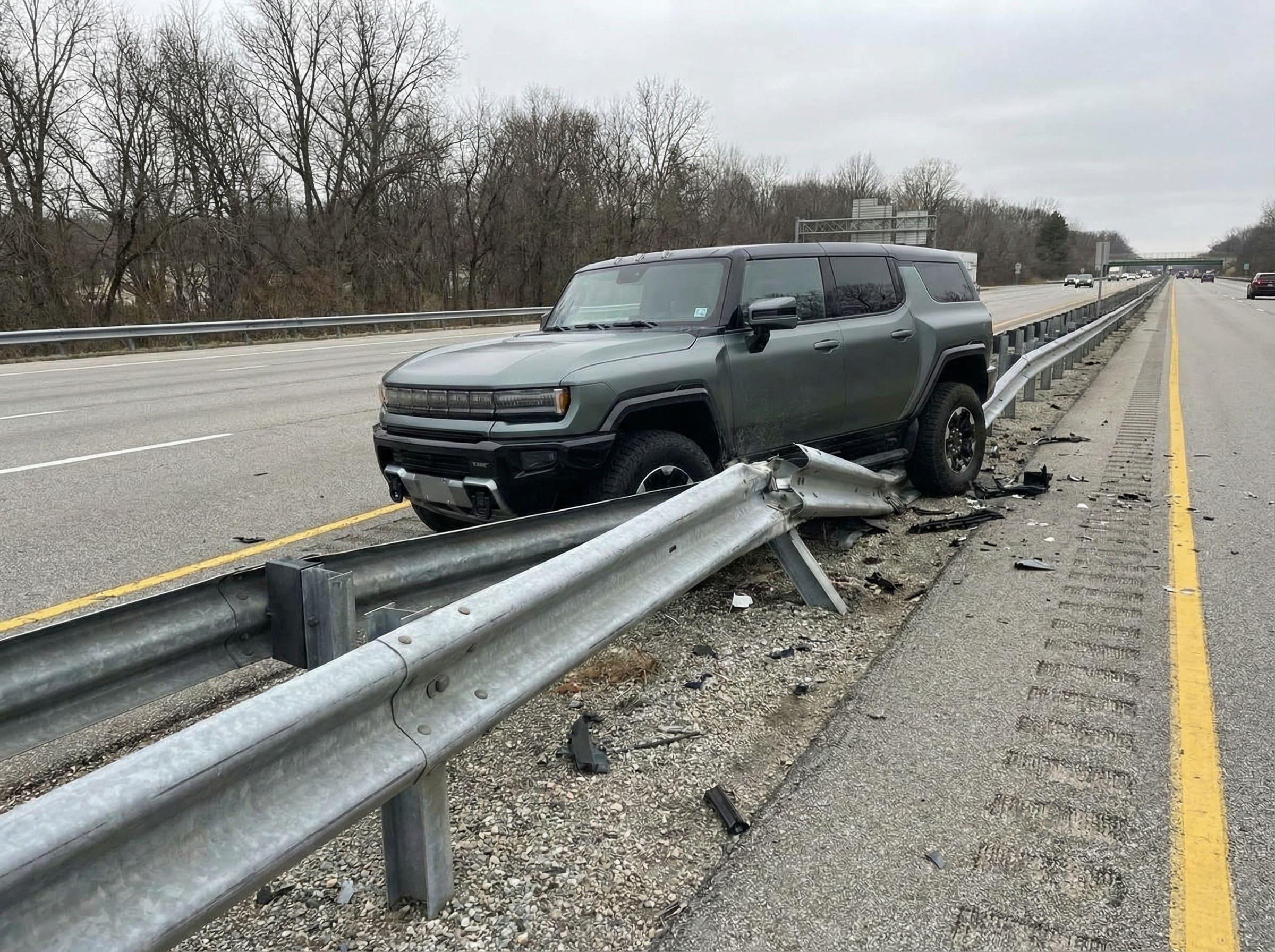
This question shifts the focus from the safety of the people inside the car to the safety of everyone else on the road. It's a very important issue that road safety engineers are looking at closely. The problem again comes down to momentum, which is mass multiplied by velocity. A 3-ton EV traveling at 60 mph has double the momentum of a 1.5-ton car at the same speed. That's a huge difference in force. The guardrails and concrete barriers you see on highways were designed and tested based on the average weight of vehicles from years ago. They are engineered to absorb a specific amount of energy. When a vehicle with far more energy hits them, they can fail.
This isn't just an EV problem. The average weight of all new cars has been increasing for years due to the popularity of large SUVs and trucks. Heavy EVs are just accelerating this trend. Safety research institutes have already published reports showing that many existing guardrails may not be able to contain the heaviest vehicles on the road today in a high-speed crash. This creates a difficult situation on our roads.
| Vehicle Type | Typical Weight (tons) | Impact on Guardrail |
|---|---|---|
| Small Sedan | 1.2 - 1.5 | Design standard, likely to be contained. |
| Large SUV | 2.0 - 2.5 | Puts significant strain on the barrier. |
| Heavy EV | 2.5 - 3.0+ | High risk of barrier failure, crossing into danger. |
This leads to a kind of "safety arms race." People feel safer in bigger, heavier cars, so they buy them to protect their families. But when everyone does this, it makes the roads more dangerous for everyone, especially those in smaller cars, as well as pedestrians and cyclists. It also puts a major strain on our infrastructure. The passive safety advantage that a heavy car gives its own occupants comes at the price of increased risk to the world outside the car. This is a complex problem that will require new safety standards for both cars and roads.
Conclusion
So, a heavier battery doesn't automatically mean a safer car. It offers a mass advantage in a crash but also introduces fire risks and challenges for road infrastructure. Ultimately, smart design, robust battery protection, and advanced safety systems are far more important than weight alone.