Your device got wet. Now you are worried about the battery inside. Will it survive, or is it a ticking time bomb? Let's find out.
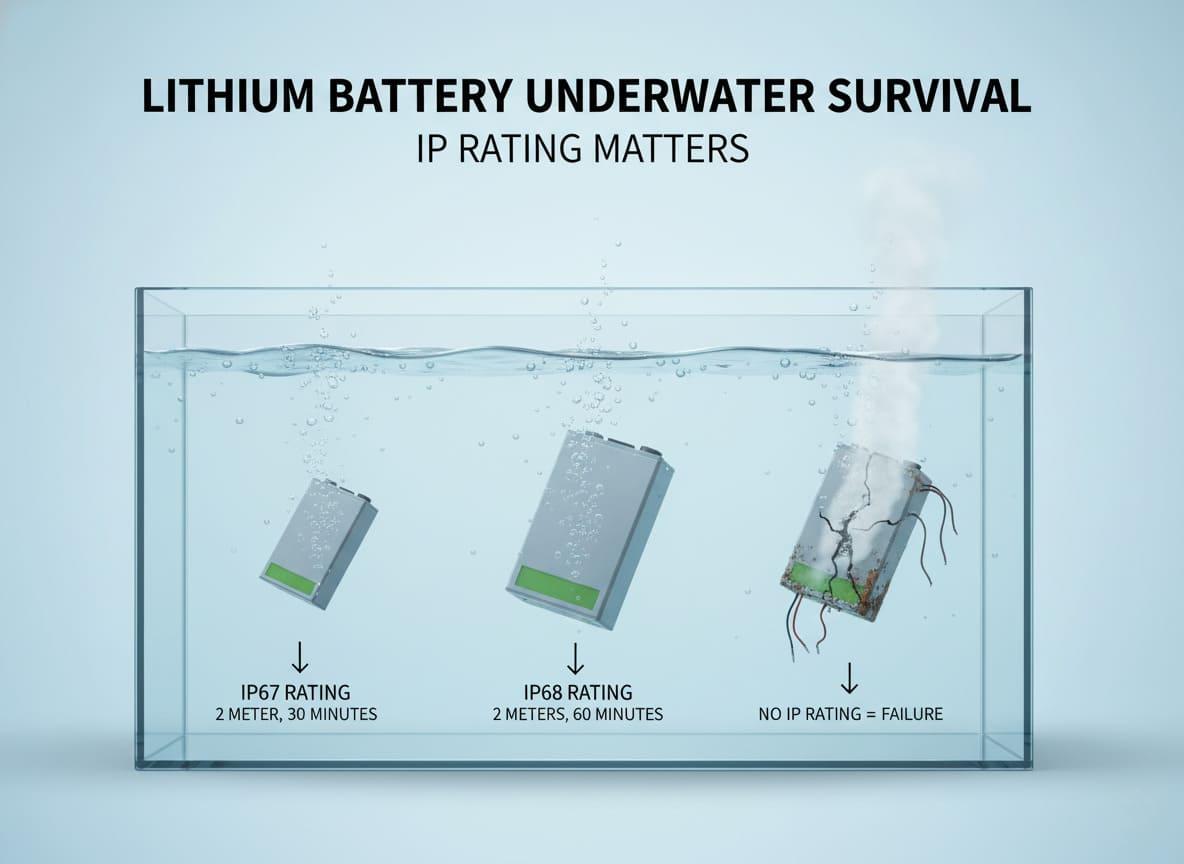
A lithium battery's underwater survival depends on its IP rating. An IP67 battery can last 30 minutes in 1 meter of water. An IP68 battery can handle deeper immersion, often 2 meters for 60 minutes. Without a rating, it likely won't survive at all.

That is the short answer. But as an engineer who has been in the battery business for years, I know the details are very important. There is a big difference between a small splash and a deep dive. To build a reliable product, you need to understand what those waterproof ratings really mean. Let’s break it all down so you can make the best choice for your device.
What are the specific differences between IP67 and IP68 waterproof ratings?
Choosing a waterproof rating seems simple. But picking the wrong one can lead to product failure and unhappy customers. Do you know the real-world difference?
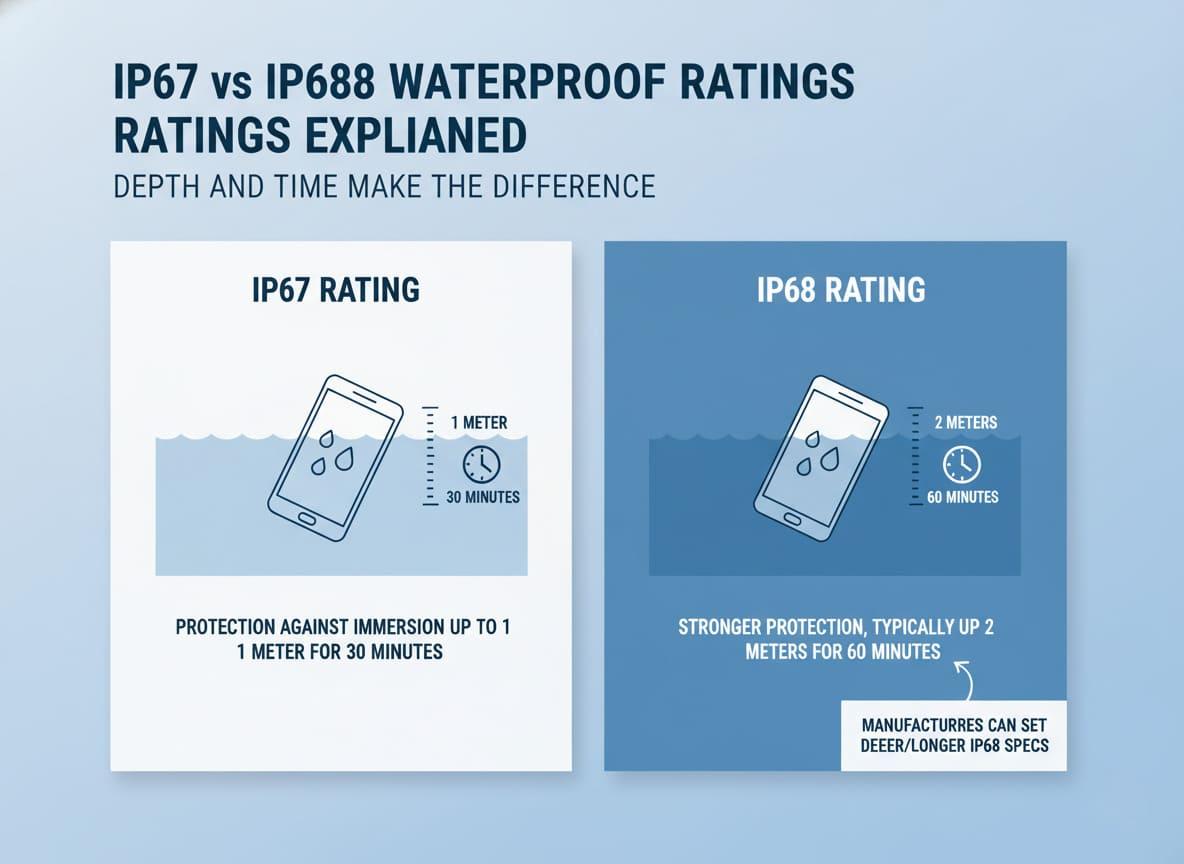
The main difference is depth and time. IP67 protects against immersion up to 1 meter for 30 minutes. IP68 offers more protection, usually up to 2 meters for 60 minutes. But manufacturers can set the exact IP68 specs for deeper or longer times.
When my clients at Litop ask me about waterproof batteries, the first thing we discuss is the IP rating. "IP" stands for Ingress Protection. It is a standard that tells you how well a device is sealed against dust and water. The rating has two numbers. The first number is for solids like dust, and the second is for liquids like water.
Understanding the IP Code
For waterproof batteries, we mostly focus on the highest level of dust protection, which is a "6". This means the battery is completely dust-tight. The second number is what tells us about water protection. A "7" or "8" is what you need for a truly waterproof battery1. So, we are usually talking about IP67 or IP68 ratings.
A Closer Look at the Numbers
The difference between these two ratings is critical for product design. I have made a simple table to show what each one means in a practical sense.
| Rating | Solid Protection (First Digit) | Liquid Protection (Second Digit) | Test Conditions |
|---|---|---|---|
| IP67 | 6 (Dust Tight) | 7 (Immersion up to 1m) | Submerged in 1 meter of water for 30 minutes. |
| IP68 | 6 (Dust Tight) | 8 (Continuous Immersion) | Submerged beyond 1 meter. Depth and time are set by us. |
Why This Matters for Product Design
Choosing the right rating depends on how your product will be used. If you are making a personal grooming device that might be used in the shower, an IP67-rated battery is probably enough. But if you are building a marine GPS tracker, you need the stronger protection of an IP68 rating. At Litop, we help our customers achieve these ratings by using special manufacturing techniques. We can use laser welding to create a perfect seal or fill the battery case with a waterproof resin. It is not just about the rating. It is about how you build the battery pack to meet and exceed that standard every single time.
How do freshwater and saltwater affect lithium batteries differently?
You might think all water is the same when it comes to electronics. But saltwater is much more aggressive. A battery that survives a drop in a lake might fail instantly in the ocean.
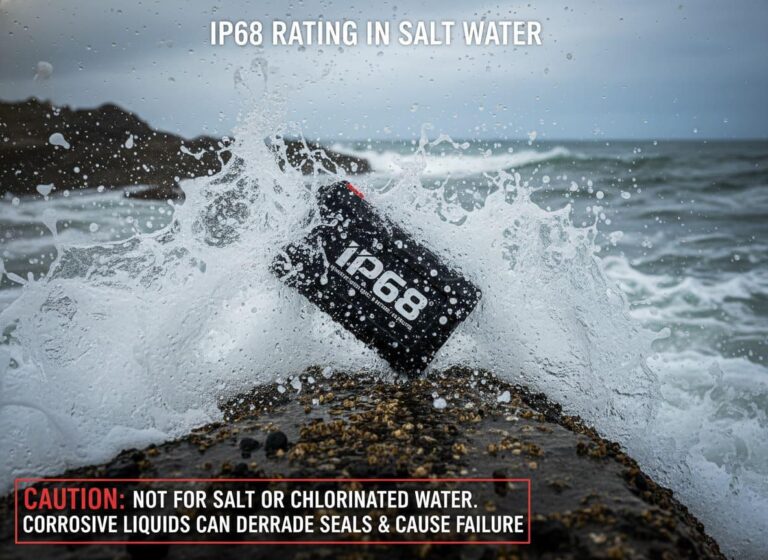
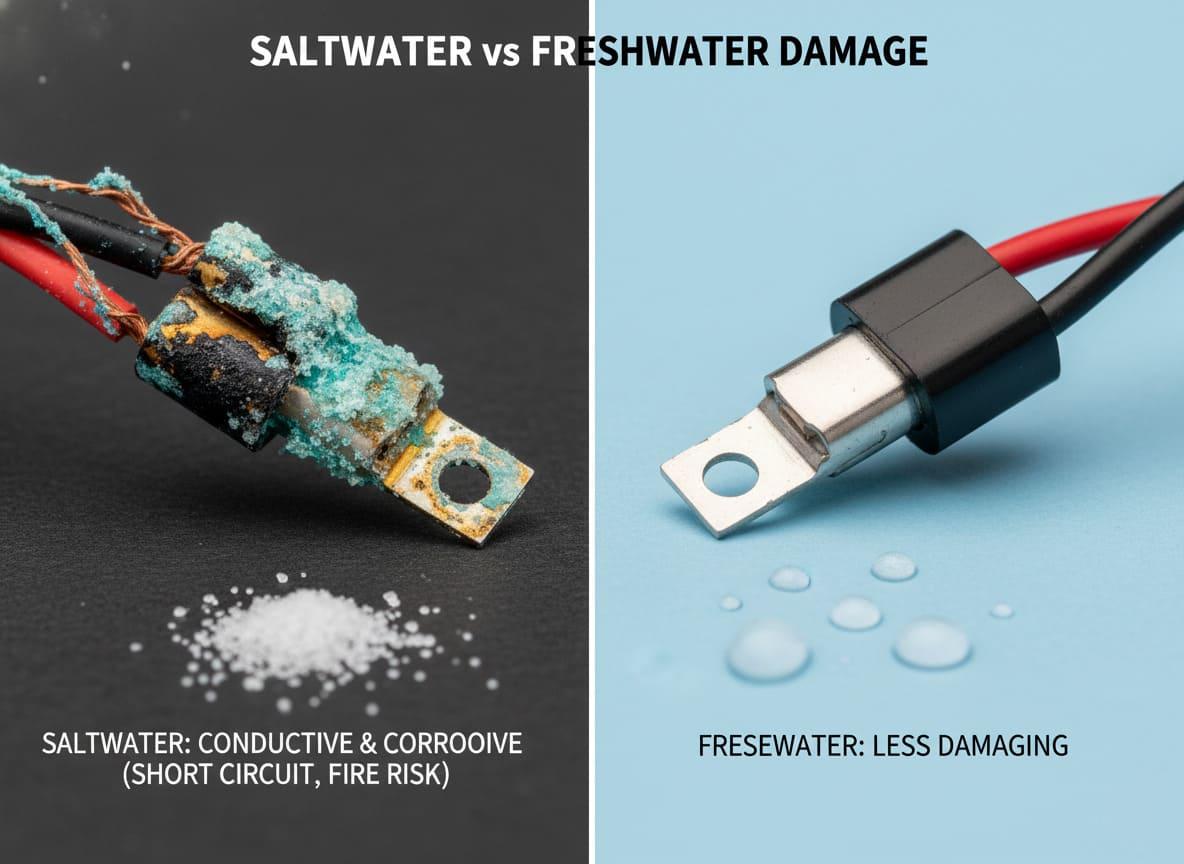
Saltwater is much more conductive and corrosive than freshwater. It speeds up short circuits and chemical reactions inside a battery. This greatly increases the risk of permanent damage, overheating, and even fire, often much faster than in freshwater.
I once had a client who was developing a device for scuba divers. They tested their prototype in a pool, and it worked perfectly. Then they took it to the ocean, and it failed within minutes. The problem was the battery. The seals were not designed to handle the corrosive nature of saltwater. This experience taught me a valuable lesson that I share with all my clients: you must design for the worst-case environment.
The Science of Conductivity
The key difference is that saltwater contains a lot of dissolved salts, mainly sodium chloride. These salts break apart into ions, which carry an electrical charge. This makes saltwater a very good conductor of electricity. Freshwater has far fewer ions, so it is a much poorer conductor. When conductive saltwater gets inside a battery pack, it creates new electrical paths that were never supposed to be there. It can directly connect the positive and negative terminals. This causes a massive and uncontrolled discharge, also known as a short circuit, which generates a lot of heat very quickly.
Corrosion: The Silent Killer
The danger does not stop with short circuits. The chloride ions in saltwater are also extremely corrosive to the metals used inside a battery, such as copper, nickel, and aluminum. This corrosion starts immediately. It can eat away at the terminals, weld spots, and internal connections. Even if the battery seems to work after drying out, this hidden corrosion can cause it to fail weeks or months later. When we design batteries for marine applications at Litop, we use special corrosion-resistant materials and advanced sealing methods to protect against this harsh environment. We have to assume the battery will be exposed to saltwater and build it to survive.
Does exceeding the depth or time limit mean my waterproof battery is instantly ruined?
Your device went deeper or stayed underwater longer than its rating says it can. Now you are panicking. Is it completely dead, or is there a chance it survived?
Not necessarily. IP ratings are tested under specific, controlled conditions. Going past them increases the risk of failure but does not guarantee it. The outcome depends on factors like the real pressure, water temperature, and the quality of the battery's seals.
It is important to remember that IP ratings are a minimum guarantee, not a cliff edge where failure is instant. Think of it like a speed rating on a car tire. You can go faster than the rating for a short time, but you are increasing the risk of a problem. The same idea applies to waterproof batteries.
It's All About Pressure
The depth rating is really about water pressure. The deeper you go, the more force the water puts on the battery's seals. An IP67 battery is tested to resist the pressure at 1 meter. If you take it to 2 meters, the pressure is double. The seals might hold for a little while, but they are under much more stress than they were designed for. Over time, that pressure will find a way through any tiny imperfection. Time is also a key factor. A seal might resist high pressure for a few seconds, but if you leave it there for an hour, the water has more time to slowly seep in.
The Role of Manufacturing Quality
This is where my team and I focus a lot of our energy. The quality of the seal makes all the difference. A perfectly applied seal made from high-quality materials will have a better safety margin. It might survive at 1.5 meters even if it is only rated for 1 meter. But a cheaper, poorly made seal might fail even within its rated limits, especially if the water is very cold or very hot, which can cause materials to shrink or expand. At Litop, we perform tough pressure and immersion tests on our custom battery packs. We do this to make sure they not only meet the standard but can also handle real-world accidents. A good design has to account for things going wrong.
Are there tests to check a submerged battery's safety, or should I just throw it away?
You have a battery that got wet. It seems to work, but you are worried it is a safety hazard. How can you know for sure if it is safe to use?
For safety, the best advice is to immediately stop using and properly dispose of any lithium battery that has been submerged, especially if it was not waterproof. There is no simple, reliable test you can do yourself to guarantee its internal safety after water damage.

I get this question a lot, and my answer is always the same: do not take the risk. As a battery professional, I have seen what can happen when a damaged battery fails. The safety of you and your product is the most important thing. Even if the battery looks fine on the outside, you cannot see what is happening on the inside.
Why Self-Testing is Dangerous
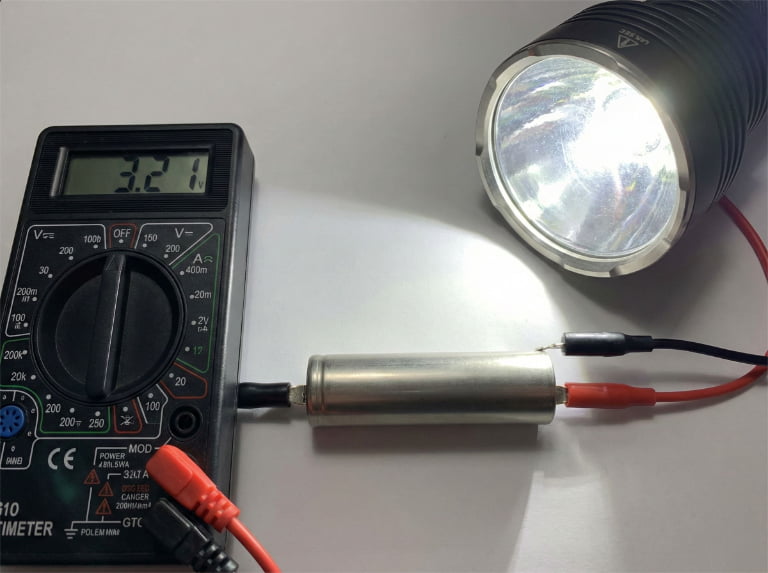
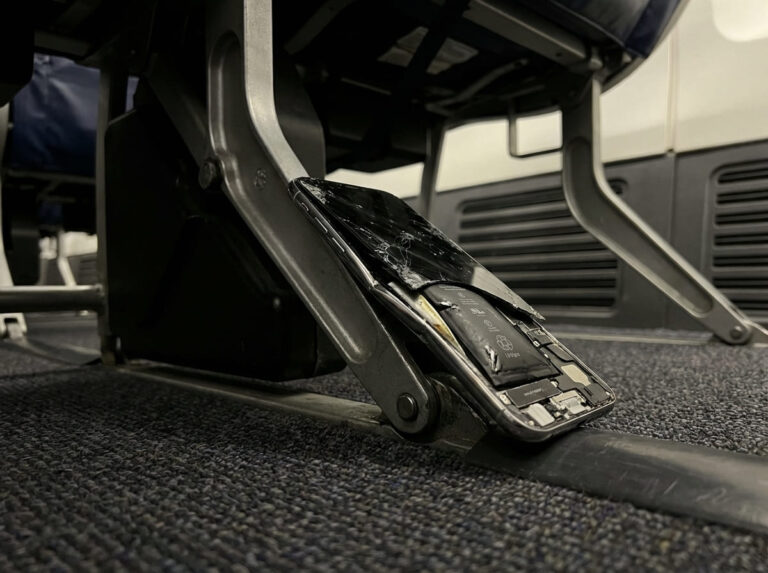
The biggest danger is hidden damage. Water could have gotten inside the cell and started a very slow chemical reaction. This reaction might not cause any problems for days or even weeks. You could use a multimeter to check the voltage, and it might look perfectly normal. But a multimeter cannot detect internal corrosion or a damaged separator, which is the thin plastic sheet that keeps the positive and negative parts of the battery from touching. Charging a water-damaged battery is the most dangerous thing you can do. The extra energy can speed up those hidden chemical reactions, causing the battery to overheat, swell up, and possibly catch fire.
Professional Verification and the Final Verdict
In our labs at Litop, we have special equipment to check for internal damage. We can use X-rays to see inside the battery without opening it. But this is not something you can do at home. Certifications like UL or CE test batteries for safety, but those tests are done on new, undamaged batteries. They do not mean a battery is safe after it has been damaged by water. So, my professional advice is simple: safety must come first. The cost of a new battery is very small compared to the potential damage from a fire. If your battery gets a serious soaking, please replace it.
Conclusion
A lithium battery's survival underwater depends on its IP rating and the type of water. Always respect these limits for your product. If a battery is exposed to water beyond its rating, the safest choice is always to replace it instead of risking a dangerous failure.
Find out what makes a battery waterproof and how it can benefit your device. ↩