Struggling with slow and expensive "last-mile" deliveries? This final step in the supply chain is often a major bottleneck, eating into profits and frustrating customers with delays.
A delivery drone follows a three-step process: ground control planning, autonomous flight, and precision delivery. The ground station sets the route, then the drone uses GNSS and AI-powered obstacle avoidance to fly on its own. It completes the delivery by either dropping the package or using a tether.
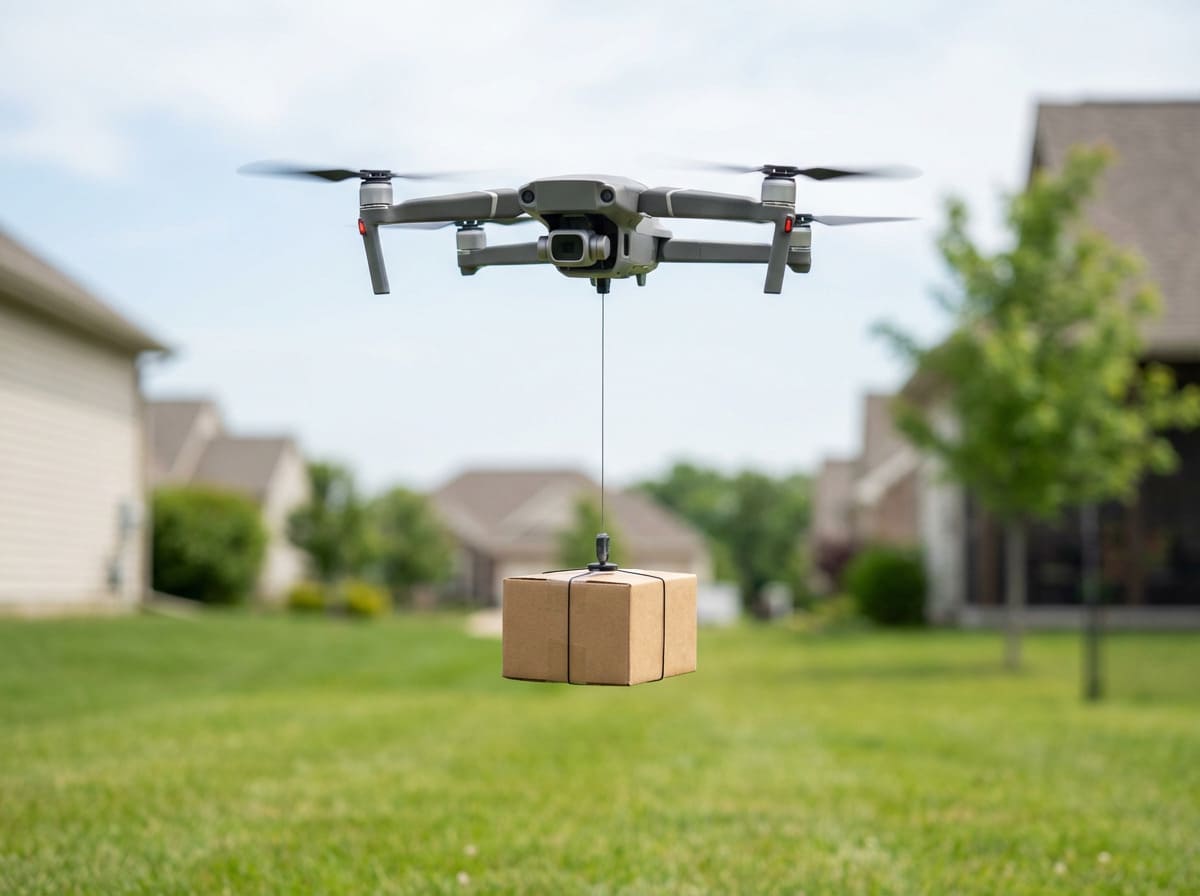
This process sounds straightforward, but making it a reality is incredibly complex. At Litop, we supply custom batteries for these advanced machines, so we're right at the heart of the technical challenges. Our clients, who are developing these drones, are constantly working to solve some very tough questions. They need to figure out the costs, get the right permits, automate their ground operations, and win over public trust. Let's explore the real-world problems and solutions that are shaping the future of drone delivery.
How much is the cost per delivery for "last-mile" drones, and when will it be cheaper than human delivery?
High operational costs are a huge barrier for drone delivery services. This expense makes it difficult for companies to justify the massive investment needed to start and scale operations.
Currently, the cost per drone delivery is between $10 and $20. This is still more expensive than most ground-based gig economy services. Experts predict that with larger-scale operations and better automation, drone delivery costs could drop below human delivery costs within the next 5-10 years.
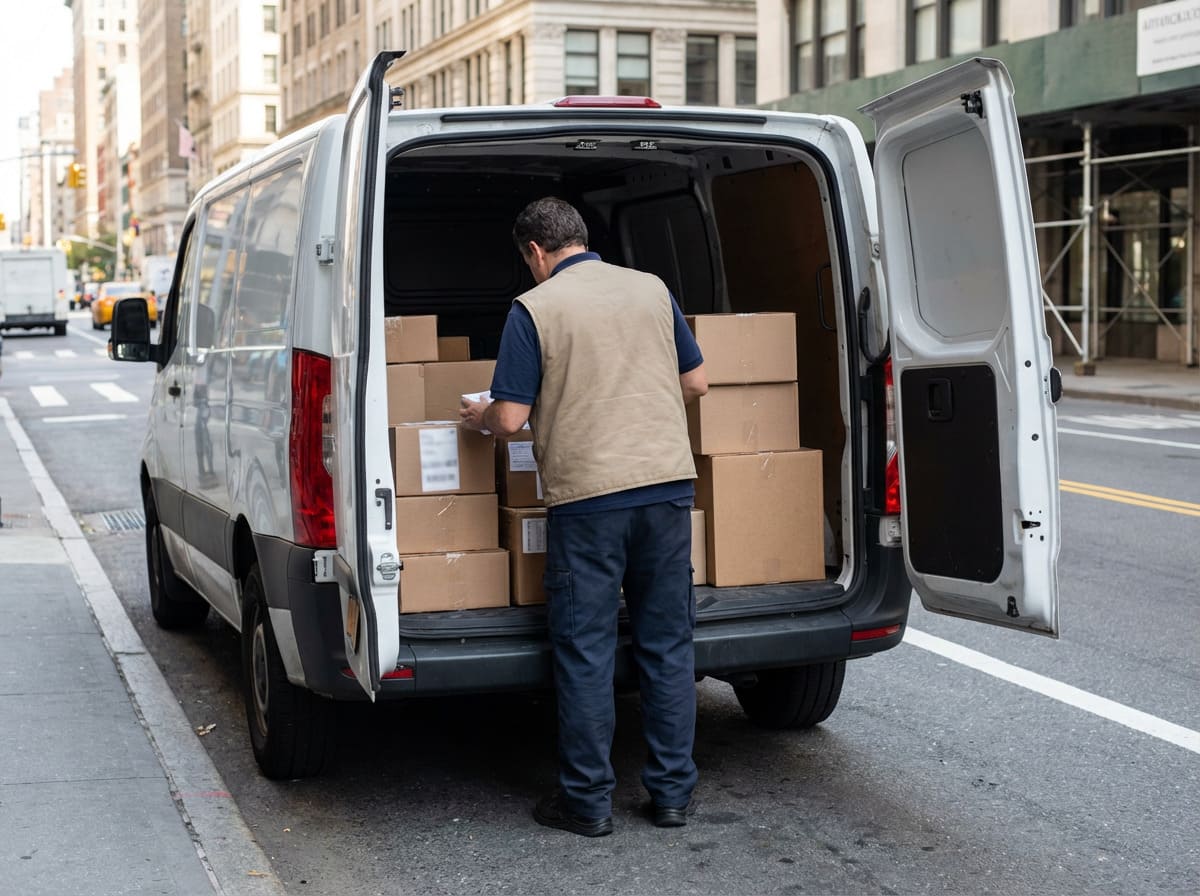
I was talking with a client, Michael, who runs a medical device company. He humorously noted, "Caroline, my delivery drivers cost a fortune in fuel and insurance, but at least I don't need a federal license to hire them." He hit on a key point: the cost of drone delivery isn't just about the drone itself. It’s a complex equation with many variables. To understand when it becomes profitable, we have to break down the costs. On one side, you have the human delivery model. On the other, the drone model.
| Cost Factor | Human Delivery (e.g., Car) | Drone Delivery (UAS) |
|---|---|---|
| Labor | Driver wages, benefits | Remote pilot salary (1 pilot per many drones) |
| Vehicle | Car purchase, maintenance | Drone purchase, maintenance |
| Energy/Fuel | Gasoline, diesel | Electricity (battery charging) |
| Infrastructure | N/A | Automated ground hubs (Vertiports) |
| Insurance | Commercial auto insurance | Aviation & third-party liability insurance |
| Compliance | Standard business licenses | FAA certifications1, airspace authorizations |
The path to making drones cheaper hinges on tackling the right-hand column. First is scale. A single remote pilot, managing a fleet of 10 or 20 drones flying Beyond Visual Line of Sight (BVLOS), drastically reduces the labor cost per package. Second is automation on the ground. Manually swapping batteries and loading packages is a non-starter. This is where our work at Litop becomes critical. We design modular battery packs with smart BMS technology. These batteries communicate their health and charge level, allowing a robotic arm in a "nest" or "vertiport" to swap a depleted battery for a fresh one in under three minutes. This level of automation is essential to run a high-volume, low-cost operation.
How can you get permanent permission for "Flight Over People" in dense urban airspace under the Part 107/108 framework?
Flying drones over people is heavily restricted for obvious safety reasons. This regulation is a major roadblock, making consistent and reliable urban delivery services almost impossible to implement legally.
To get permanent permission for "Flight Over People," an operator must prove their drone meets one of four safety categories defined by the FAA. This requires extensive testing, detailed documentation of safety features like parachutes, and sometimes a formal airworthiness certificate for the drone.
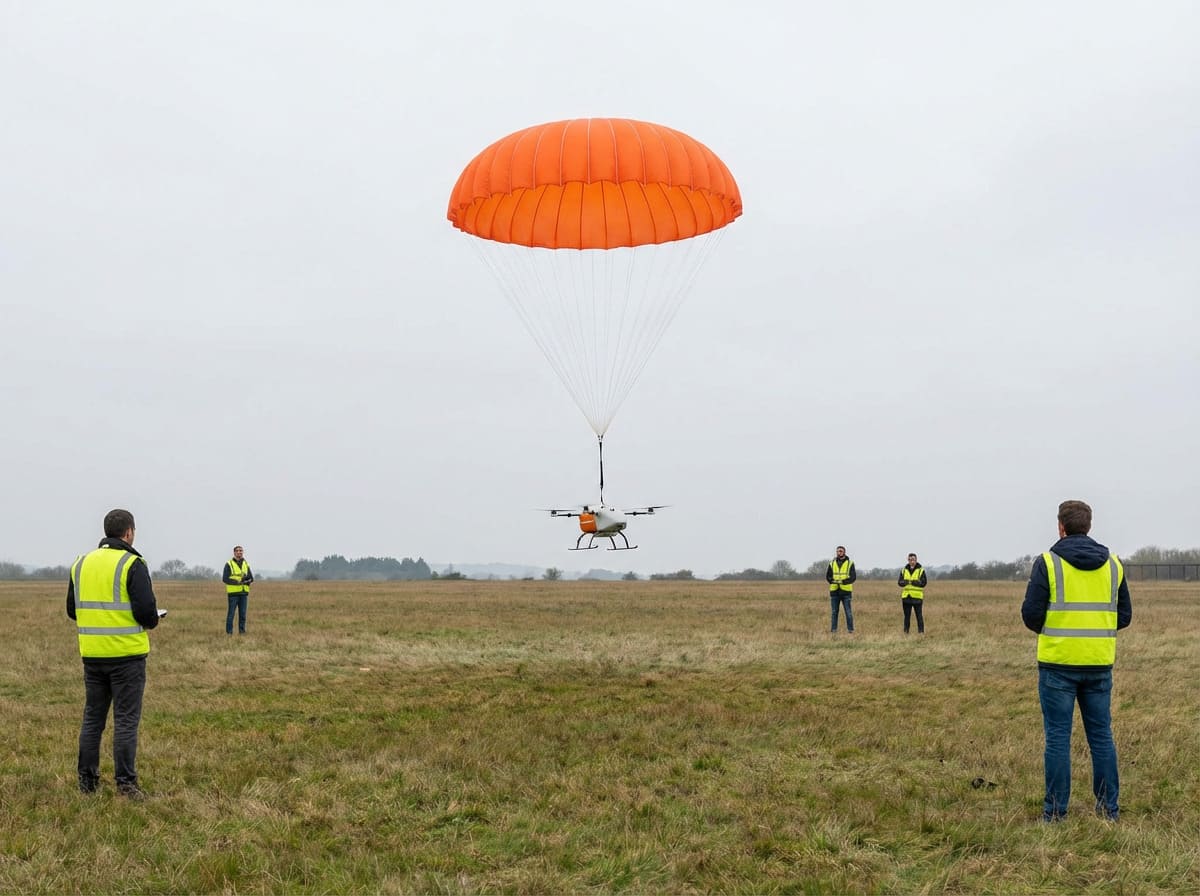
Gaining the trust of regulators like the FAA is the biggest hurdle for our clients in the drone logistics space. You can't just buy a drone and start dropping packages in a city. You have to prove, without a doubt, that your operation is safe. The FAA's Part 107 rule provides a pathway for this. It outlines four categories for operating over people, each with different requirements.
- Category 1 is for tiny drones under 0.55 pounds (250 grams), which are too small for most delivery tasks.
- Category 2 and 3 are the sweet spot for many delivery drones. Here, the manufacturer must prove through testing that if their drone hits someone, the impact force is below a certain injury threshold. These drones also can't have exposed rotating parts, like open propellers, that could cut skin. This is why you see many new delivery drones with shrouded fans or propeller guards.
- Category 4 is the highest level of certification. The drone must have an airworthiness certificate from the FAA, just like a commercial airplane. This is a long and expensive process but provides the greatest operational flexibility.
To support their application, operators use a risk assessment framework called SORA (Specific Operations Risk Assessment). It helps them analyze every aspect of the proposed flight—the drone's reliability, the pilot's training, and the environment—to identify and mitigate potential dangers. This includes adding redundant systems. For example, a drone might have six motors so it can still fly if one fails. It also needs a reliable power system. We help by providing battery packs with redundant connections and a smart BMS that can predict potential failures before they happen, ensuring the drone has enough power to land safely. It’s a painstaking process, but it’s the only way to make urban drone delivery a safe and approved reality.
How do drone delivery hubs (Vertiports/Nests) achieve fully automated battery swapping and package loading?
Manually landing a drone, changing its battery, and loading a new package is slow, inefficient, and expensive. This human bottleneck completely cancels out the speed advantage that makes drones so attractive for logistics.
Automated drone hubs use precision landing systems, robotic arms, and intelligent battery charging bays. When a drone lands, a robot removes the used battery, inserts a fully charged one, and loads the next package. The entire process often takes less than five minutes without any human help.
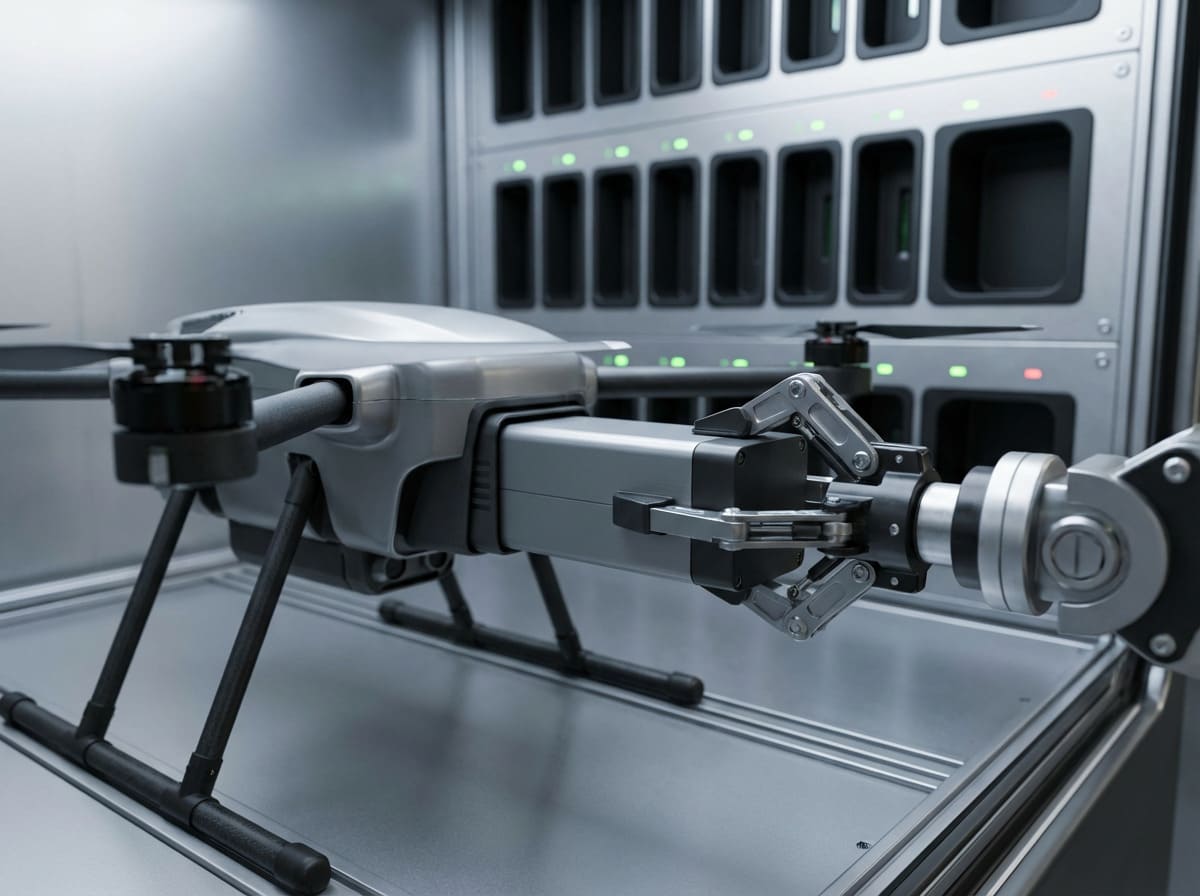
The magic of a scalable drone delivery network happens on the ground, in the "nests." I’ve seen some amazing prototypes from our partners, and it looks like something out of a science fiction movie. The goal is to keep the drones in the air as much as possible, because a drone sitting on the ground is not making money. The entire ground process is a finely choreographed robotic dance.
It starts with the drone's return. It uses high-precision GPS (RTK) or visual markers on the landing pad to land with centimeter-level accuracy. As soon as it touches down, clamps secure it in place. Then, a robotic arm gets to work. It first accesses the package compartment to unload any return items and load the new outbound package.
Simultaneously, or right after, another mechanism addresses the battery. This is where our expertise at Litop plays a direct role. We don't just sell batteries; we design them for automation. The robotic arm needs to grab the battery easily and securely. Our modular battery packs are designed with a rugged, standardized casing and a robust connector that can handle thousands of swap cycles. The arm unlatches the depleted battery, slides it out, and places it into a charging rack. The hub's software already knows the battery's state of health and temperature, thanks to the data from our smart Battery Management System (BMS). The system then directs the arm to retrieve a different, fully charged and cooled battery from the rack and insert it into the drone. The whole cycle—landing, swapping, and reloading—is over in minutes, and the drone is ready for its next mission.
How can the issues of privacy invasion and noise pollution from delivery drones be solved?
People are naturally worried about noisy drones with cameras flying over their homes and backyards. This public pushback is a serious issue that can delay or even stop drone delivery projects entirely.
Privacy concerns are managed by using low-resolution cameras only for navigation, encrypting all data, and having strict policies against storing any imagery. Noise is reduced through better aerodynamic designs, quieter propeller shapes, and flying at higher altitudes along routes that avoid residential areas.
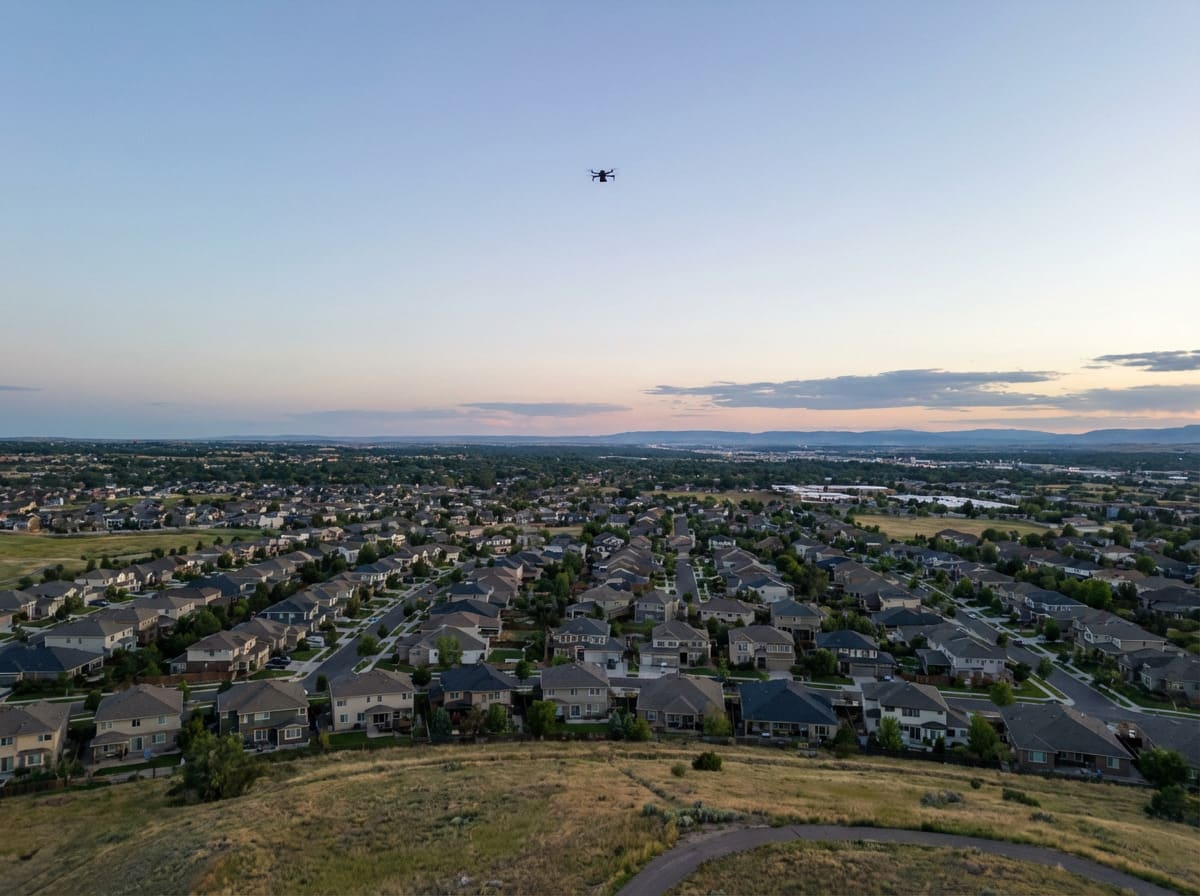
Technology and public trust go hand-in-hand. My client Michael once joked that his customers would be less than thrilled if a buzzing drone "peeking" into their window delivered their medical supplies. He's right. Public acceptance is non-negotiable, and the industry is tackling the two biggest concerns: privacy and noise.
For privacy, the solution is both technical and policy-based. Most delivery drones don’t need high-resolution cameras to do their job. They use cameras with a low resolution, pointed downwards, just to spot obstacles and navigate. Some are even moving to sensors like LiDAR, which sees the world as a cloud of points, not a picture. Furthermore, any data transmitted is encrypted, and there are strict rules against storing flight imagery. The FAA's Remote ID rule also helps build trust. It requires drones to broadcast their location and operator information, so they aren't anonymous. It’s like a digital license plate, making operations transparent and accountable.
For noise, engineers are getting creative. The buzzing sound comes from the propellers cutting through the air. By changing the shape of the propeller tips and optimizing their rotational speed, they can significantly lower the pitch and volume of the noise. The sound a new delivery drone makes is often described as more of a "whir" than a "buzz" and it blends into background city noise. Another key strategy is operational planning. Unmanned Traffic Management2 (UTM) systems create smart flight paths that route drones over industrial areas or major roads instead of quiet neighborhoods. By also flying at higher altitudes, the noise that reaches the ground can be reduced to a faint hum, or even become completely unnoticeable. It's about being a good, and quiet, neighbor.
Conclusion
Delivery drones are set to revolutionize logistics with incredible automation and smart navigation. While big challenges remain in cost, regulation, and public acceptance, the path forward is clear. Ongoing innovations in battery technology, safety systems, and automated ground hubs are solving these problems one by one.