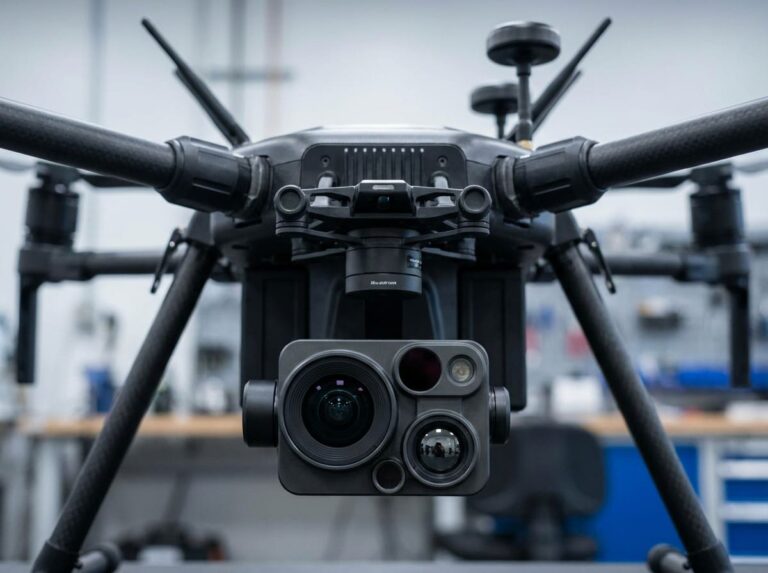
Your new device has unique power needs. But off-the-shelf batteries don't fit or perform well. We can help you build the perfect custom battery solution1 for your product.
To get a custom battery solution, you must first define your specific needs in detail. This includes voltage, capacity, size, and operating environment. Then, find a reliable manufacturer who can design, test, and produce it according to your exact specifications.

Getting the right battery is crucial for your product's success. It can seem like a complex process, but it's actually very straightforward when you break it down. You need to turn your idea into real, measurable data. Then you need to find a partner who can bring that data to life. Let's walk through this process together. I'll guide you through estimating costs, choosing the right materials, handling safety rules, and finding a manufacturer you can trust.
How Do You Estimate the Cost of a Custom Battery Pack?
Budgeting for a custom battery can be tough. Hidden fees and unclear pricing can disrupt your project. Let's make it clear how costs are calculated so you can plan with confidence.
Custom battery costs include a one-time setup fee for design and tooling, the unit price per pack, and a Minimum Order Quantity (MOQ). Costs vary based on cell type, complexity, and certifications. Always ask for a detailed quote breaking down these elements.

When we talk about custom battery costs, it's not just one number. The total cost is made up of a few key parts. Understanding these parts helps you see where your money is going and how to optimize your budget.
Non-Recurring Engineering (NRE) Fees2
This is often called a "setup fee" or "tooling fee." It's a one-time charge that covers the initial design, engineering work, and creation of any custom molds or tooling needed for your battery. For example, if your device needs a special curved battery shape, we have to create a specific mold for it. This fee covers that work. I remember a client, Michael, who was surprised by an NRE fee from another supplier. When he came to us, we explained that the fee was to create a unique mold for his new medical device's curved shape. Once he understood it was a single investment for a perfect fit, he was completely on board.
Unit Price
This is the cost for each individual battery pack. The unit price is influenced by several factors:
- Cells: The battery cells are usually the biggest part of the cost. The price depends on the chemistry, brand, and grade of the cells.
- Battery Management System (BMS): This is the circuit board that protects the battery from overcharging, over-discharging, and short circuits. More complex BMS boards with features like communication protocols cost more.
- Housing and Connectors: The material for the case (like plastic or metal) and the specific type of wires and connectors you need will affect the price.
- Labor: The cost of assembling all the components into a finished pack.
Minimum Order Quantity (MOQ)
The MOQ is the smallest number of units a manufacturer will produce in one batch. We have MOQs because setting up a production line for a custom product takes time and resources. Running a larger batch makes the process more efficient and cost-effective for everyone. At Litop, we try to be flexible with MOQs, especially for new companies and startups.
Here is a simple table to show a potential cost breakdown:
| Cost Component | Description | Example Cost |
|---|---|---|
| NRE Fee | One-time design, mold, and setup. | $1,500 |
| Unit Price | Cost per battery pack (for a 1000-unit order). | $15.00 |
| MOQ | Minimum number of units required. | 500 units |
| Total Initial Cost | NRE + (Unit Price x MOQ) | $1,500 + ($15.00 x 500) = $9,000 |
A great way to reduce costs is to use standard components where possible. For instance, designing your product around a standard cell like the 21700 can often eliminate the need for a custom mold, saving you the entire NRE fee.
What Is the Most Critical Factor When Choosing Cell Chemistry for Your Custom Battery Pack?
Choosing the wrong cell chemistry can lead to poor performance, short lifespan, or even safety issues. The options can be confusing. I'll help you select the right one for your specific application.
The most critical factor is your application's primary requirement. This could be high energy density for small devices (Li-ion/LiPo), superior safety and long life for industrial use (LiFePO4), or a balance of features for power tools (NMC). Your core need dictates the best chemistry.

The "best" battery chemistry doesn't exist. The best choice always depends on what you need the battery to do. At Litop, we work with several types of lithium-based chemistries because they offer different strengths. You have to decide which trade-offs are right for your product. Is size more important than lifespan? Is safety the number one priority?
Lithium-ion (Li-ion) / NMC3
When people say "lithium-ion," they often mean chemistries like Nickel Manganese Cobalt (NMC). These are very popular because they offer a great balance of high energy density and good power output. This means you can pack a lot of energy into a small, lightweight package. This is why they are perfect for consumer electronics, laptops, and electric vehicles. We often use standard cylindrical cells like the 18650 and 21700 for these applications.
Lithium Polymer (LiPo)4
LiPo batteries are a special type of lithium-ion battery. Their main advantage is flexibility. They don't need a rigid metal case, so we can make them in very thin or custom shapes. This is a huge benefit for products with limited or unusual space, like wearable devices, modern medical sensors, and drones. A client developing a smart ring came to us because they needed a tiny, curved battery. A standard cell wouldn't work. We designed a custom LiPo battery that fit perfectly, which was the key to making their product design possible.
Lithium Iron Phosphate (LiFePO4)5
If your top priorities are safety and a very long lifespan, then LiFePO4 is the best choice. These batteries are incredibly stable and are not prone to overheating. They can also be charged and discharged thousands of times, far more than other chemistries. This makes them ideal for applications where reliability is critical, like in energy storage systems, industrial equipment, and high-end medical devices. They are a bit heavier and larger for the same capacity, but the trade-off is superior safety and longevity.
Here's a table to help you compare:
| Chemistry | Key Advantage | Best For... |
|---|---|---|
| Li-ion (NMC) | High Energy Density | Laptops, Power Tools, Consumer Electronics |
| LiPo | Flexible Shape & Size | Wearables, Drones, Medical Devices |
| LiFePO4 | Extreme Safety & Long Cycle Life | Energy Storage, Industrial Equipment |
Choosing the right chemistry is the foundation of your battery pack. Be clear about your most important requirement, and the choice will become much simpler.
What Safety Certifications Are Needed for Custom Battery Solutions, and Who Handles the Process?
Navigating battery certifications can feel like a nightmare. A mistake can get your product blocked from key markets. Let us handle this complex process for you, ensuring full compliance and safety.
Essential certifications include UN38.36 for shipping, CE for Europe, and UL for North America. Other key standards are RoHS, KC, or PSE depending on the market. A reliable manufacturer like us manages the entire certification process, from design to lab testing and final approval.

Safety certifications are not optional. They are legal requirements that ensure your product is safe for consumers and can be legally sold and transported. The good news is, you don't have to become an expert in global regulations. Your manufacturing partner should handle this for you.
Key Certifications Explained
Different markets have different rules, but some certifications are almost always needed.
- UN38.3: This is the most fundamental one. It is a United Nations standard that is required to transport lithium batteries by air, sea, or land. The battery pack must pass a set of tough tests, including vibration, shock, and short circuit tests, to prove it can be shipped safely.
- UL Certification7: This is the gold standard for safety in North America (USA and Canada). Standards like UL 1642 (for cells) and UL 2054 (for battery packs) test for fire and explosion hazards. Many retailers will not sell a product without a UL mark.
- CE Marking8: This is required for products sold in the European Economic Area. The CE mark shows that your product meets the EU's health, safety, and environmental protection standards.
- IEC 621339: This is a major international safety standard for rechargeable batteries used in portable applications. It is becoming a common requirement worldwide.
Who Handles the Process?
The process of getting a battery certified should be managed by your manufacturer. Here’s how it works with us at Litop:
- You Tell Us Your Markets: Your job is to tell us where you plan to sell your product. This determines which certifications are necessary.
- We Design for Compliance: We design the battery pack from the very beginning to meet the requirements of those standards. This includes selecting certified cells and using a properly designed BMS.
- We Manage Testing: We work with accredited third-party labs to perform all the required tests. We prepare all the documentation and submit the battery samples to the lab.
- We Deliver a Certified Product: The final battery pack you receive comes with all the necessary certification documents, ready for your product to enter the market.
We recently helped a customer in the UK who was developing a new personal care device. They knew they needed it to be safe but weren't sure about the specific rules. We guided them through the process, ensuring the battery pack was designed to meet CE and RoHS standards and passed UN38.3 for shipping. This saved them months of potential delays and allowed them to launch on schedule.
How Can You Find and Evaluate a Reliable Custom Battery Pack Manufacturer?
Choosing the wrong supplier can lead to project delays, poor quality, and serious safety risks. Finding a trustworthy partner is difficult. I'll show you exactly what to look for.
Find potential suppliers through trade shows, Google searches, or B2B platforms. Evaluate them by checking their technical certifications (like ISO900110), reviewing case studies in your industry, and assessing their R&D team's experience. Always ask for sample test data and factory audit reports.

Finding the right manufacturer is more than just finding the lowest price. It’s about finding a partner who can deliver on quality, safety, and reliability. This is a long-term relationship, so it’s important to do your homework.
Where to Look
You can start your search in a few places. Trade shows like CES or Electronica are great because you can meet suppliers in person. Online searches using specific keywords like "custom LiPo battery manufacturer for medical devices" can yield good results. B2B platforms like Alibaba and Made-in-China are also options, but you need to carefully vet the companies you find there.
What to Evaluate
Once you have a shortlist of potential suppliers, it’s time to dig deeper. Here are the key things I recommend you check:
- Technical Qualifications: A serious manufacturer will have quality management certifications like ISO9001. Ask to see their certificates. Also, ask for data. Request test reports for their cells, like cycle life curves or discharge performance at different temperatures. A company that is proud of its quality will be happy to share this information. At Litop, our team of 30 R&D engineers is always ready to discuss technical details.
- Production Capability: Ask about their factory. Do they use modern equipment like automated production lines and laser welding? These things improve consistency and quality. A large production capacity, like our 120,000 units per day, shows that they are an established and stable company. I often offer new clients a virtual tour of our factory so they can see our processes for themselves.
- Relevant Experience: The most important question is: have they done this before? Ask for case studies or examples of projects they have completed in your industry. If you are making a wearable device, you want a partner who understands the challenges of making small, lightweight batteries. This experience is invaluable.
- Communication: This is critical. One of the biggest pain points I hear from clients like Michael is poor communication from previous suppliers. Your contact person should be knowledgeable and responsive. They should be able to answer both your commercial and technical questions clearly. If communication is slow or unclear during the evaluation stage, it's a major red flag.
Conclusion
Getting a custom battery is a partnership. It requires you to clearly communicate your needs and carefully select a manufacturer who can manage all the technical, safety, and production details. Define your specs, vet your partner thoroughly, and oversee the process for a successful outcome.
Learn how a custom battery solution can be tailored to your device's unique requirements, ensuring optimal performance and fit. ↩
Understanding NRE fees helps you plan for one-time setup costs and make informed decisions about custom designs. ↩
Discover why Li-ion/NMC batteries are popular for high energy density applications like electronics and electric vehicles. ↩
LiPo batteries offer flexible shapes and sizes, making them ideal for wearables and compact devices. ↩
LiFePO4 batteries provide superior safety and long cycle life, perfect for industrial and energy storage uses. ↩
UN38.3 certification is required for safe shipping of lithium batteries, ensuring compliance with global transport regulations. ↩
UL Certification is a key safety standard that can determine whether your product can be sold in the US and Canada. ↩
CE Marking is mandatory for selling batteries in Europe, proving compliance with health and safety standards. ↩
IEC 62133 is a widely recognized safety standard for portable batteries, often required for international markets. ↩
ISO9001 certification demonstrates a manufacturer's commitment to quality management and consistent production standards. ↩