Storing energy in winter is a huge challenge. Lithium batteries often fail in the cold, leaving you without power. Sodium-ion technology offers a promising, reliable solution for freezing temperatures.
By 2025, sodium-ion batteries are a mature and powerful complement to lithium for winter storage, but not a total replacement. They excel in extreme cold and offer great value, though they are larger. Their main role is to solve the low-temperature problems that lithium batteries can't.
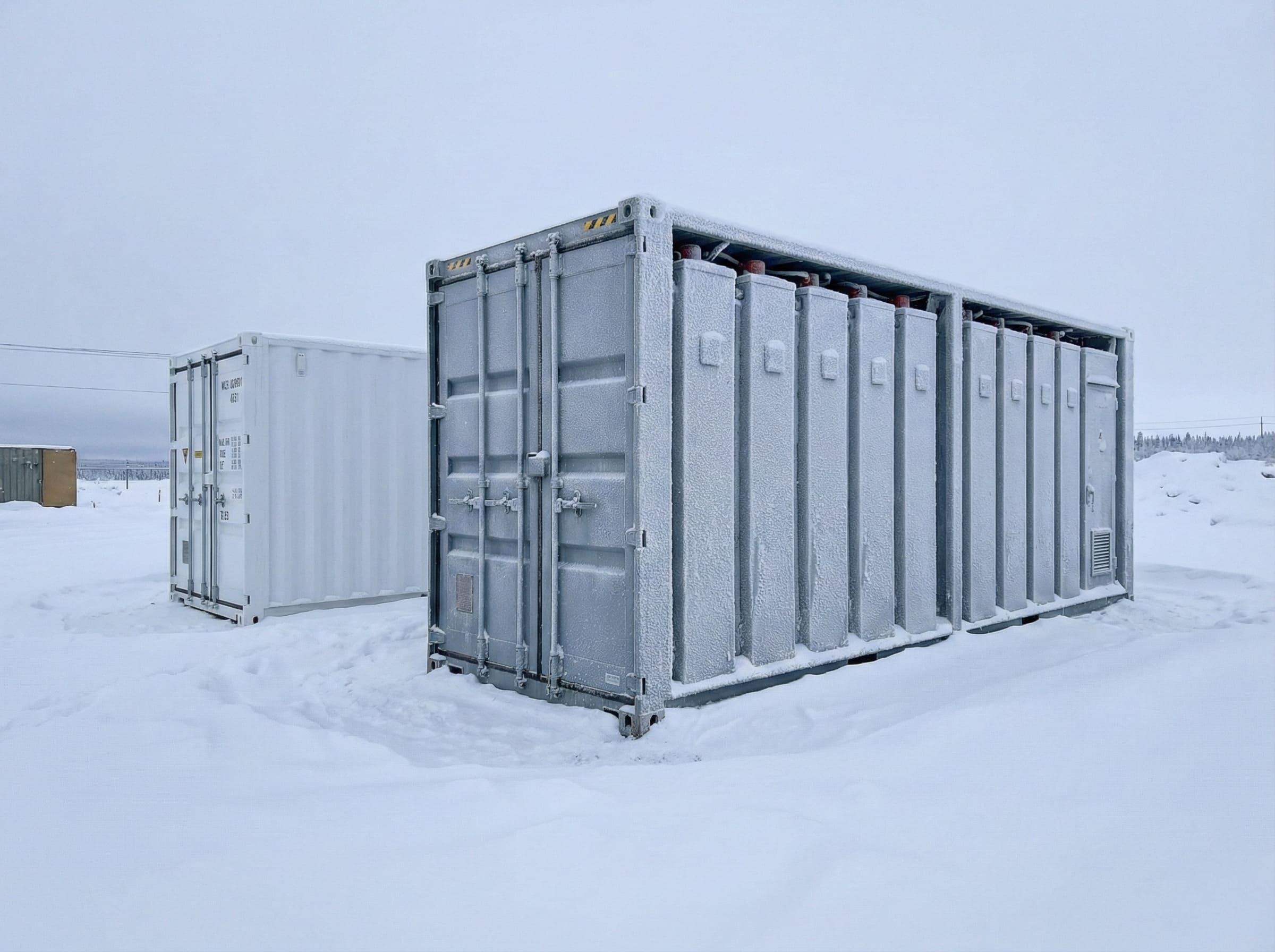
The conversation around energy storage is changing. For years, everyone focused on lithium-ion. But as we push into more demanding environments, like the freezing winters in Canada or Northern Europe, we see its limits. This is where I've seen a huge surge in questions about sodium-ion. My customers, especially sharp business owners like Michael, want to know if the hype is real. They're not just buying a battery; they're investing in reliability for their products. So, the question isn't just about a new technology—it's about whether it can be trusted when the temperature drops. Let's dig into the details and see if sodium-ion is truly ready for the job.
How Many Cycles Can Sodium-Ion Batteries Handle, and Are They as Durable as LFP?
You invest in a new battery system, expecting it to last for years. But what if it degrades quickly, forcing a costly replacement? Let's look at the real lifespan of sodium-ion.
Modern sodium-ion batteries can achieve an impressive cycle life of 3,000 to 30,000 cycles. This durability is very competitive with, and in some applications, even better than, high-quality Lithium Iron Phosphate (LFP) batteries, making them an extremely long-lasting choice for stationary storage.
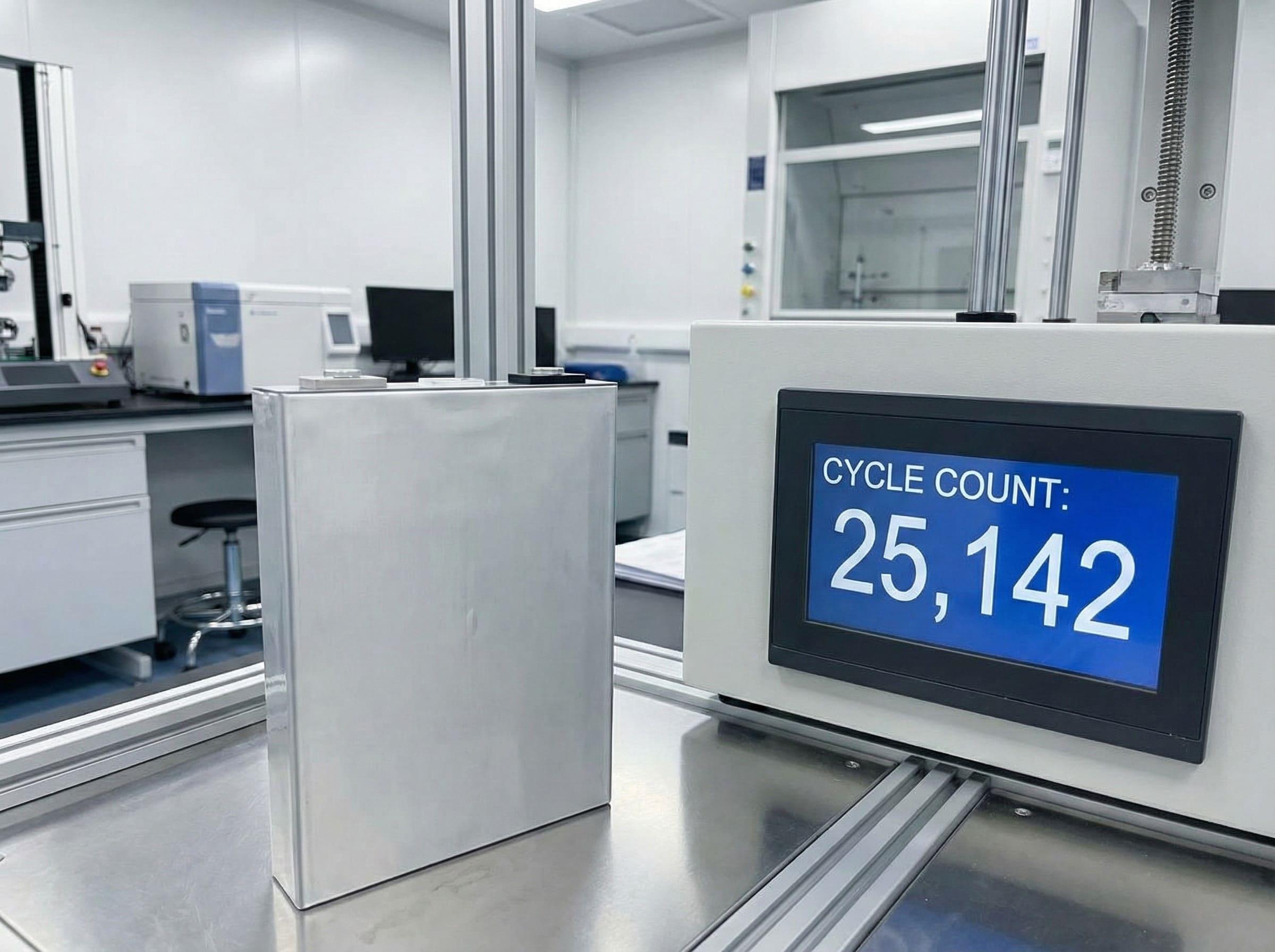
When my clients ask about battery lifespan, they're really asking about the total cost of ownership. A battery that lasts twice as long is often worth a higher initial price. For years, LFP has been the gold standard for safety and durability in stationary storage, typically offering 2,000 to 5,000 cycles. But the latest generation of sodium-ion batteries is changing the game. We are seeing commercial-grade sodium-ion cells that are rated for thousands of cycles without significant capacity loss. Some specialized chemistries used in large-scale grid storage are even projecting a staggering 30,000 cycles.
This is a massive leap forward. It means a sodium-ion system installed today could potentially operate for decades, far outlasting many of the components around it. The key is that this durability isn't just a lab result. These are real numbers from commercial products being deployed now. For applications like home energy storage or backup power for critical infrastructure, this long life is a major selling point. It directly impacts the return on investment. I've found that explaining this in terms of cost-per-cycle really helps customers understand the value.
Let's break down the comparison:
| Feature | Sodium-Ion (Na-ion) | Lithium Iron Phosphate (LFP) |
|---|---|---|
| Typical Cycle Life | 3,000 - 6,000+ cycles | 2,000 - 5,000 cycles |
| Best Case Cycle Life | Up to 30,000 cycles | Around 8,000 cycles |
| Durability Factor | High resistance to deep discharge | Good resistance, but sensitive |
| Primary Advantage | Long life & low-temperature performance | Proven technology & higher density |
Ultimately, the durability of sodium-ion is now on par with, and often exceeds, LFP, making it a very safe bet for long-term projects.
How Much Bigger and Heavier is a Sodium-Ion Battery Pack for the Same Capacity?
Space is almost always a premium in any installation. A battery system that is too big or too heavy can be a complete deal-breaker. So let's compare the physical footprint.
Sodium-ion batteries currently have a lower energy density, around 120-160 Wh/kg, compared to LFP's 160-200 Wh/kg. This means for the same energy capacity, a sodium-ion pack will be roughly 20-30% larger and heavier than its lithium counterpart.
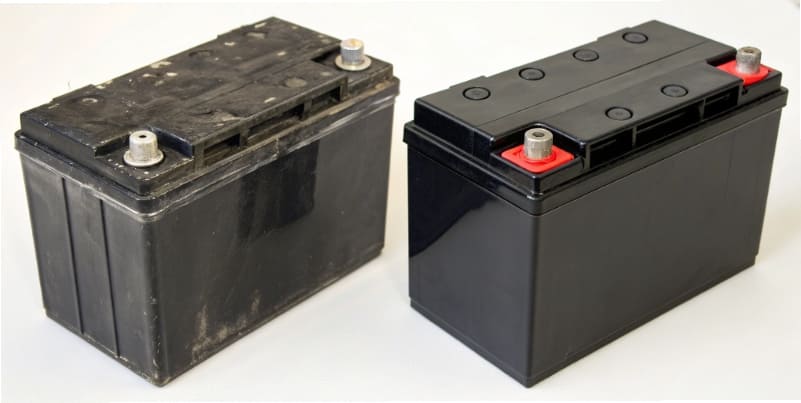
Energy density is a term we use a lot in the battery world. In simple terms, it's the amount of energy you can pack into a certain weight or space. Lithium is very light and energetic, which is why it's been so successful. Sodium is a bit heavier and less energy-dense. So, if you want to store the same amount of power, you'll need a physically larger sodium-ion battery.
I had a customer planning a backup power system for a remote communications tower. Space inside the shelter was extremely limited. We did the calculations, and the sodium-ion system was indeed larger. However, the tower was in a very cold region. The alternative LFP system would have required a dedicated heating system, which also took up space and consumed power. When we factored that in, the total system footprints were much closer. The customer chose the sodium-ion battery because its reliability in the cold outweighed the size difference.
This is a perfect example of the trade-offs involved. For stationary energy storage—like in a basement, a garage, or an industrial facility—an extra 20% in size is often not a problem. But for applications where every gram and millimeter counts, like in a portable medical device or an electric car, lithium is still the clear winner.
Here is a simple breakdown for a hypothetical 10 kWh system:
| Battery Type | Energy Density (Avg) | Estimated Weight | Estimated Volume |
|---|---|---|---|
| Sodium-Ion | 140 Wh/kg | ~71 kg (157 lbs) | ~100 Liters |
| LFP (Lithium) | 180 Wh/kg | ~56 kg (123 lbs) | ~78 Liters |
The difference is real, but in the right application, it's a manageable trade-off for the other benefits sodium-ion provides.
Do Current Inverters and Controllers Work with Sodium-Ion Batteries, or Do You Need a Special BMS?
You're excited to upgrade to a new battery technology. But the big question is, will it work with all your existing equipment? Let's talk about compatibility.
No, you cannot simply drop a sodium-ion battery into a system designed for lithium. Sodium-ion batteries have a different operating voltage and require a specific Battery Management System (BMS) designed for their unique chemistry to ensure safety, longevity, and performance.

The BMS is the brain of the battery pack. It manages everything: charging, discharging, balancing the voltage of individual cells, and monitoring temperature. It's the most critical safety component. Because sodium-ion cells have a different nominal voltage (typically around 3.0-3.1V) compared to LFP cells (3.2V) or NMC cells (3.6-3.7V), a standard lithium BMS will not work correctly. It would misinterpret the battery's state of charge, leading to dangerous overcharging or undercharging.
This is an area where we at Litop focus heavily. We design and manufacture custom BMS solutions right alongside our battery packs. This ensures perfect integration. I've seen too many issues arise from customers trying to pair a generic BMS with a specialized battery pack. It never ends well. The communication between the battery and the rest of the system, like the inverter and charge controller, is handled by the BMS. If the brain is wrong, the whole system fails.
While some advanced, high-end inverters can be programmed with custom charge profiles, the safest and most reliable approach is to use components that are explicitly certified for sodium-ion chemistry. The industry is adapting, and more compatible off-the-shelf inverters and controllers are becoming available. However, the one non-negotiable component is the BMS. It must be designed specifically for sodium-ion to protect your investment and ensure safe operation. This is why a one-stop solution from a manufacturer who provides both the battery and the BMS is so valuable.
What is the Real-World Failure Rate of Sodium-Ion Batteries in Extreme Cold for 2025?
Lab results and spec sheets are great, but they don't mean much until the technology is proven in the real world. A battery that fails during a blizzard is a catastrophe.
In real-world commercial projects running in 2025, sodium-ion batteries demonstrate exceptionally low failure rates in extreme cold. They reliably retain over 85% of their capacity at -40°C, a feat that is nearly impossible for lithium batteries without extensive and power-hungry heating systems.

The performance of sodium-ion in the cold is its killer feature. Lithium batteries struggle because their liquid electrolyte starts to thicken and freeze at low temperatures, which dramatically slows down the chemical reaction needed to produce power. At -20°C, an LFP battery might lose 30-50% of its capacity. At -40°C, it's practically useless without a heater.
Sodium-ion chemistry is fundamentally different and far more robust in the cold. We now have concrete proof from massive, commercial-scale projects. For instance, the multi-megawatt-hour energy storage systems connected to wind farms in Inner Mongolia, China, operate through winters where temperatures regularly drop well below -30°C. These systems are reporting excellent performance and high uptime, with no need for complex heating. Another example is the grid-scale storage station in Jingmen, China, which also relies on sodium-ion to provide stable power year-round. These aren't small tests; they are vital pieces of energy infrastructure.
I was talking to an engineer who manages remote installations in Northern Canada. He said their lithium-based systems were a constant headache in winter. The heaters designed to keep the batteries warm were consuming up to 20% of the stored energy, defeating the purpose. They recently installed a sodium-ion pilot system, and he told me the difference was "night and day." Stable power, high capacity, and no energy wasted on heating.
Here’s a quick look at the performance difference:
| Temperature | Sodium-Ion Capacity | LFP Capacity (No Heater) |
|---|---|---|
| 25°C (77°F) | 100% | 100% |
| -20°C (-4°F) | > 90% | 50% - 70% |
| -40°C (-40°F) | > 85% | < 10% (Essentially unusable) |
This real-world data proves that for any application in a cold climate, sodium-ion isn't just an alternative; it's a superior solution.
Conclusion
In 2025, sodium-ion batteries are a fantastic solution for winter energy storage. Their amazing cold-weather performance, long cycle life, and lower cost make them ideal for stationary applications. While not a complete replacement for lithium due to lower energy density, they are a mature and powerful complementary technology. If you need sodium-ion batteries or want to learn more about sodium-ion battery technology, please feel free to contact us at [email protected].