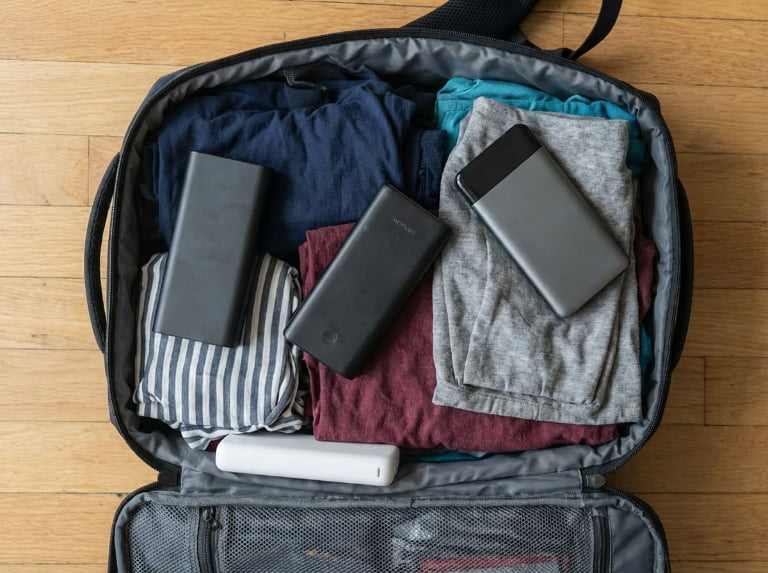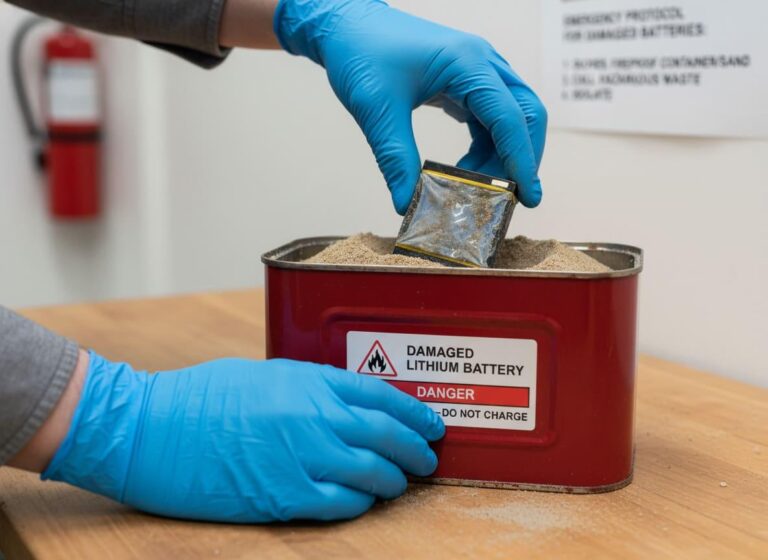
Flying with electronics is now a part of life, but what if one catches fire? The thought is terrifying. The risk is real, but understanding why it happens is the first step to staying safe.
Lithium batteries can cause fires on planes due to "thermal runaway." This is a rapid, uncontrollable chemical reaction inside the battery, often triggered by damage, overheating, or a defect. It releases intense heat (over 800°C), toxic gas, and flames within seconds.
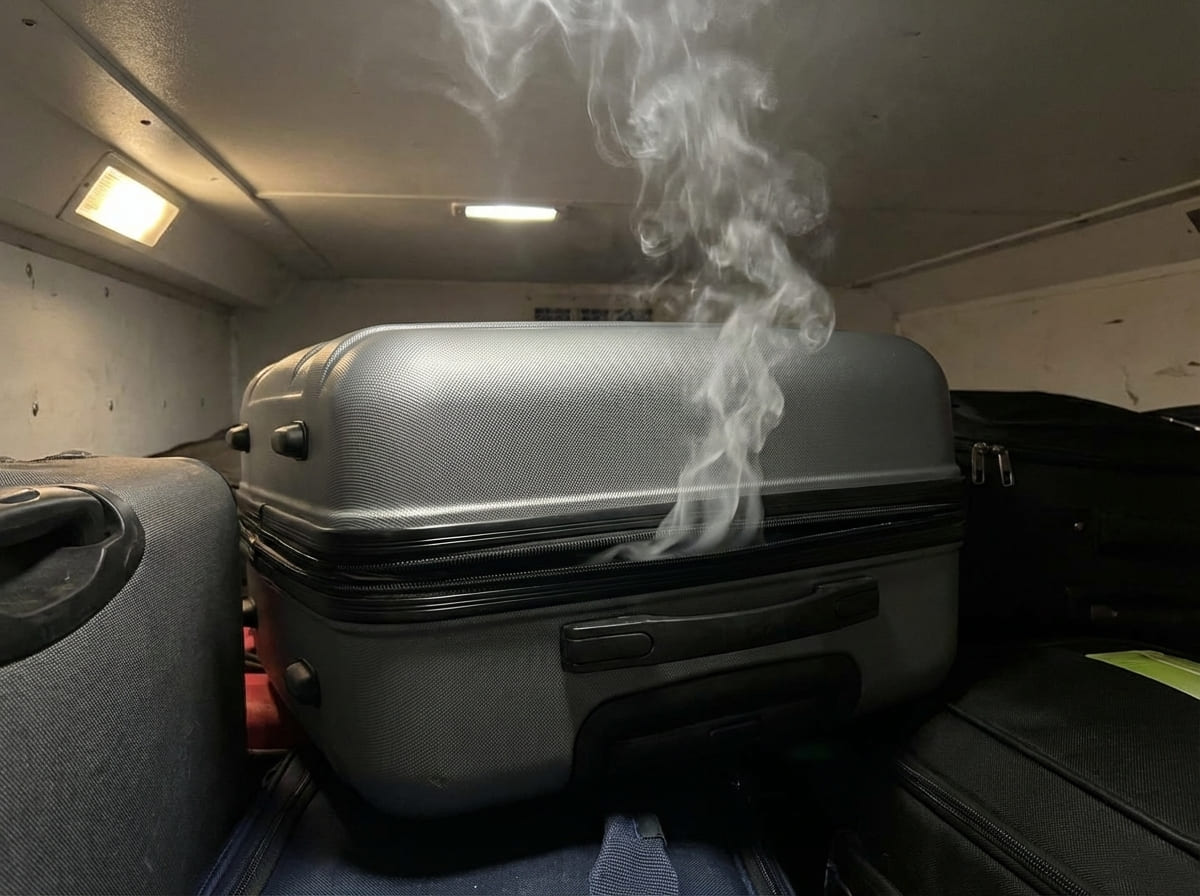
It’s one thing to know the term "thermal runaway," but it’s another to understand what it really means inside an airplane. The unique environment of a plane—the pressure, the dry air, the tight spaces—can turn a small battery problem into a major safety threat. This is why airline rules about batteries are so strict. Let's explore how flight crews handle these emergencies and what you need to know to protect yourself and others on your next flight.
Since fire extinguishers can't stop a lithium battery fire, how do cabin crews handle it on a plane?
You see smoke coming from a phone. You know a normal fire extinguisher won't work. Panic sets in. What can the crew possibly do? Crews are highly trained and have special equipment just for this.
Cabin crews use a specific two-step process. First, they use a Halon or water extinguisher to put out the immediate flames. Then, they submerge the device in water inside a special fire containment bag to cool it down completely and stop the internal reaction.
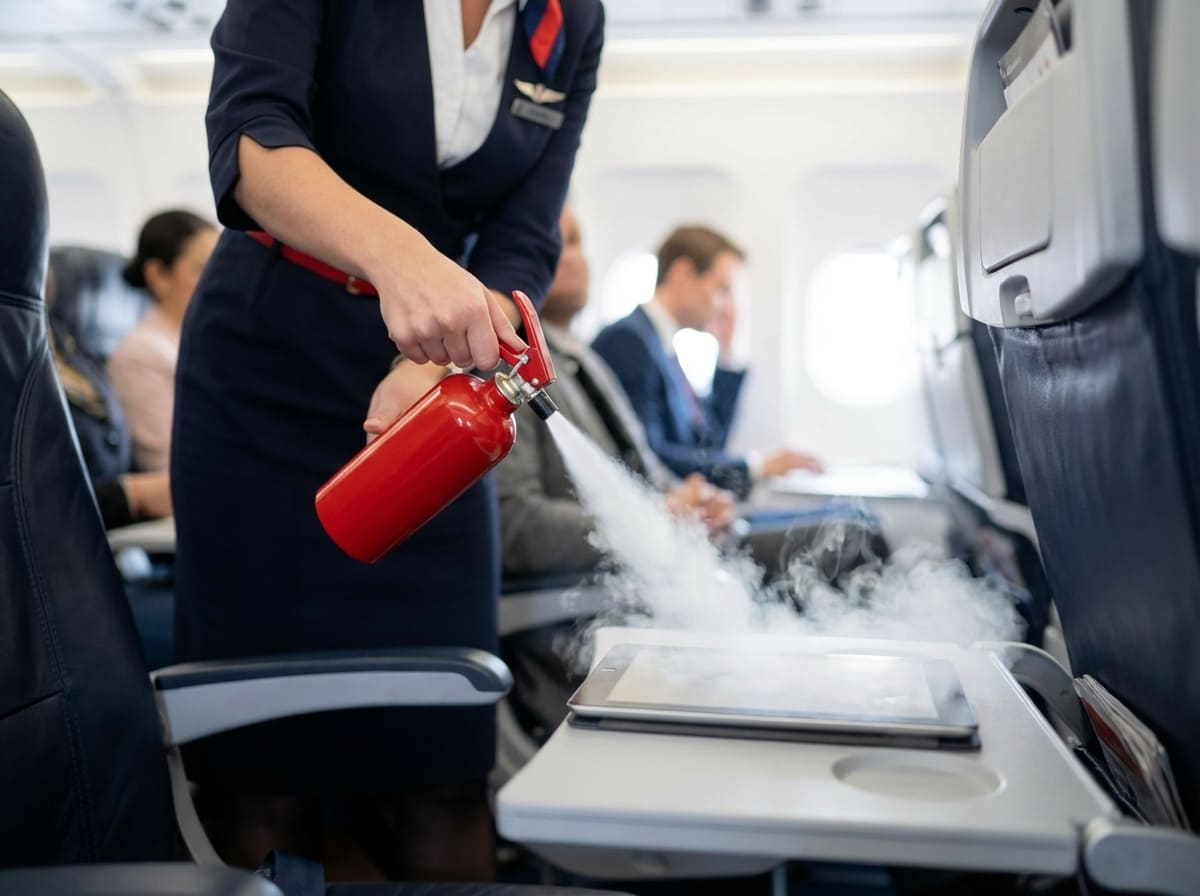
When a lithium battery catches fire, it's not like a paper fire. The problem is an internal, self-sustaining chemical reaction that generates its own heat. A standard fire extinguisher can knock down the flames, but it can't stop the reaction. The battery will just keep getting hotter and will likely burst into flames again. This is why airline crews have a very specific and effective protocol.
The Two-Step Emergency Protocol
The procedure focuses on two distinct goals: killing the flames and stopping the heat engine inside the battery.
- Extinguish the Flames: The crew's first action is to use a specialized extinguisher. This is often a Halon extinguisher, which is great at suppressing flames in an enclosed space without making a huge mess or damaging equipment. This deals with the immediate visual threat—the fire. But everyone on that crew knows this is only a temporary fix. The battery is still dangerously hot and unstable.
- Cool the Battery: This is the most important step. To stop thermal runaway, you have to remove the heat. The crew will use long tongs to pick up the smoking device and place it into a special piece of equipment called a fire containment bag. Then they will pour liquid over it—water, juice, soda, whatever is available—to completely submerge it. This massive cooling effect finally stops the chain reaction. In my years developing batteries at Litop, we always stress that managing heat is everything. The airline protocol is a perfect real-world example of this. It’s not just about fighting the fire; it's about stopping the heat source.
Why Standard Methods Fail
A simple fire extinguisher fails because it can't solve the core problem. The battery will continue to produce flammable gases and heat until the chemical reaction inside is finished. This makes re-ignition almost guaranteed.
| Feature | Standard Fire (e.g., paper) | Lithium Battery Fire |
|---|---|---|
| Main Goal | Remove oxygen/fuel source | Stop internal chemical reaction |
| Primary Tool | Fire extinguisher | Extinguisher + Cooling Agent |
| Key Challenge | Spreading flames | Thermal runaway, re-ignition |
| Final Step | Ensure fire is out | Submerge and contain device |
This is why you must always let the crew handle it. They have the training and the right tools for this very unique type of emergency.
Is it true you shouldn't move the seat yourself if your phone falls into the gap?
Your phone slips into the tight seat mechanism. Your immediate reaction is to move the seat to get it. But this simple action can create a very dangerous situation. Calling a flight attendant is the only safe choice.
Yes, this is absolutely true. Do not move the seat. The powerful mechanical parts can easily crush your phone's battery. This pressure can cause an internal short circuit, leading directly to thermal runaway1 and a fire. Always alert the cabin crew immediately for help.
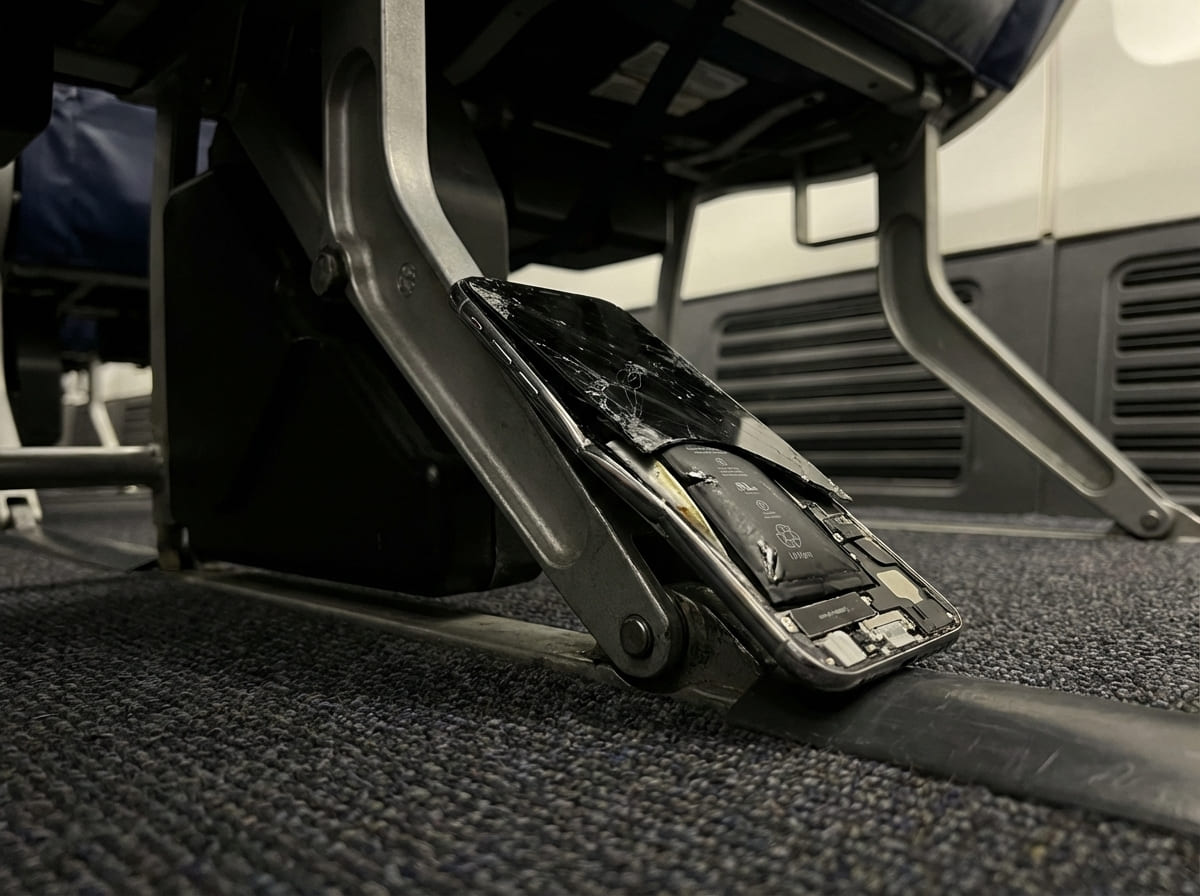
The pre-flight safety briefing on many airlines now includes a specific warning about this. It might seem like a small thing, but the risk is significant. An airplane seat, especially in business or first class, is a complex piece of machinery. It's not just cushions and fabric; it's full of metal bars, gears, and motors designed to move a person's weight. That machinery can exert incredible force.
The Crushing Force of an Airline Seat
When you press the button to recline or adjust your seat, you are activating a powerful system. If your phone is wedged in that system, the moving parts won't stop. They will press down on the phone with enough force to bend the metal frame and, more importantly, crush the lithium-ion battery inside.
As a battery manufacturer, I know exactly what happens next. Inside every battery are ultra-thin separator sheets that keep the positive and negative sides from touching. They are very delicate. A strong pinch can tear these separators, causing an instant and violent internal short circuit. This is one of the fastest ways to trigger thermal runaway. The battery can go from normal to a full-blown fire in just a few seconds.
The Right and Wrong Way to React
If your phone disappears into the seat, your actions in the next few seconds are critical.
| Do | Don't |
|---|---|
| Stay calm and don't panic. | Try to get the phone yourself. |
| Immediately press the call button. | Move your seat or the seat in front. |
| Tell the flight attendant exactly what happened. | Ask your neighbor for help moving the seat. |
| Follow the crew's instructions. | Forget about it until after the flight. |
Flight crews are trained for this scenario. They have the right tools and know-how to safely get the device out, sometimes by using special tools to retrieve it or by accessing a panel on the seat. They know how to do it without putting any pressure on the phone. Trust their training; it's the safest thing for everyone on board.
Does using a fast charger or a high-power power bank on a plane double the fire risk?
You're on a long flight and want to charge your devices as quickly as possible. But you've heard that fast charging creates more heat, which sounds risky on a plane. The truth is, while it's not a simple "doubling" of risk, it does introduce factors you need to be aware of.
It doesn't necessarily double the risk, but it does increase it. Fast charging generates more heat, and heat is the enemy of lithium batteries. If the battery, charger, or cable is faulty or of low quality, this extra heat can accelerate the path to thermal runaway.
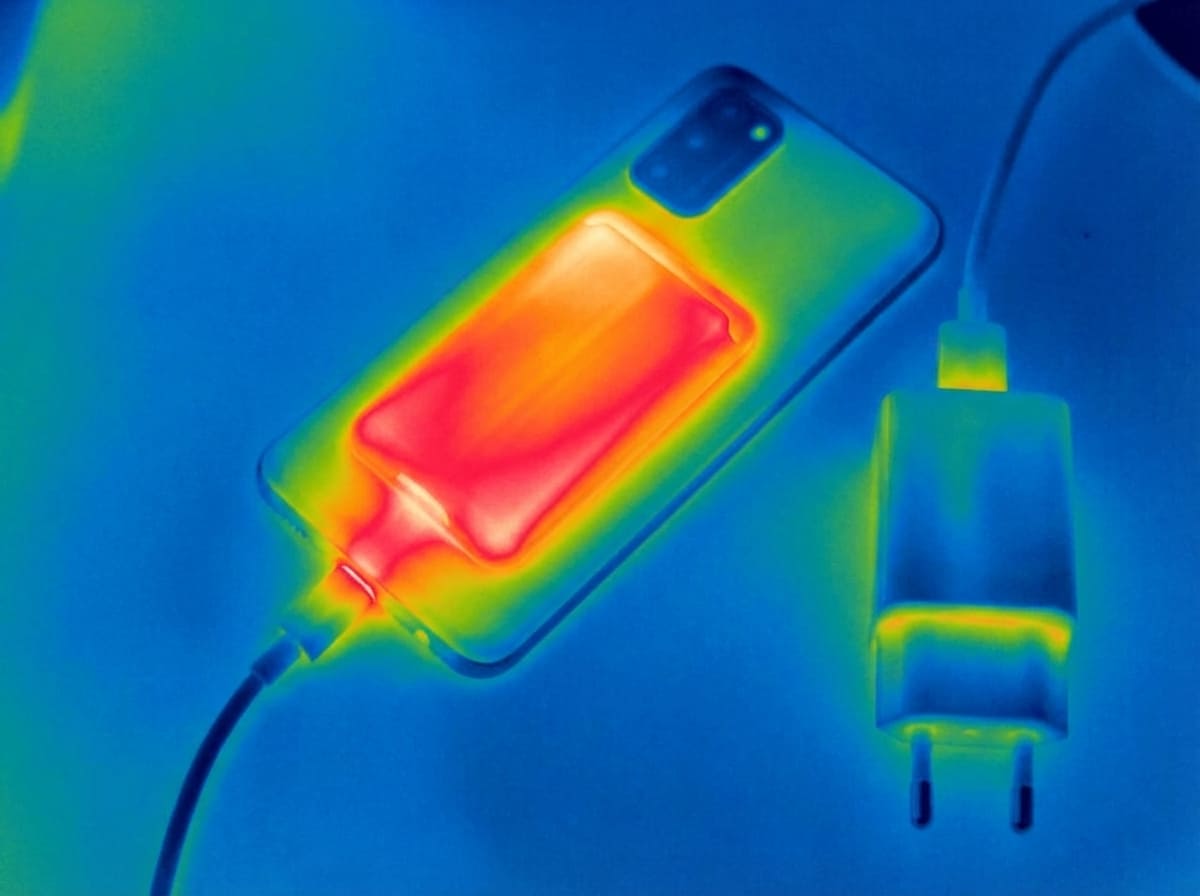
The key to understanding the risk is to understand heat. All charging creates some heat, but fast charging creates more. It does this by pushing more electrical current into the battery more quickly. This process is less efficient, and that wasted energy is released as heat. While modern devices are designed to handle this, the airplane environment adds new challenges.
Heat: The Byproduct of Speed
A high-quality device has a sophisticated Battery Management System, or BMS. At Litop, the BMS is one of the most critical components we design. Its job is to manage the flow of power and, crucially, to monitor temperature. If a battery gets too hot during fast charging, a good BMS will tell the charger to slow down, allowing the battery to cool.
The danger comes from low-quality or counterfeit equipment. A cheap power bank or a frayed cable might not have a proper BMS. It might not have reliable temperature sensors. It could keep pushing high current into a battery long after it has started to dangerously overheat. This is where the risk really increases.
Compounding Risk Factors on a Plane
The airplane cabin makes it harder for devices to cool down.
- Poor Ventilation: Where do you put your phone when it's charging? Usually in the seat-back pocket or on the tray table, maybe covered by a book or a jacket. This traps heat and prevents air from circulating around the device, making it get even hotter. I once saw a passenger charging their phone under their pillow to sleep. I had to politely tell them it was a serious fire hazard.
- Constant Use: You might be charging your device while also watching a movie or playing a game. This makes the processor work harder, which generates even more internal heat on top of the heat from charging.
Even the best battery has its limits, especially when it can't breathe. The risk isn't from fast charging itself, but from the combination of fast charging with low-quality gear in a confined, poorly ventilated space. Always use certified, brand-name chargers and cables, and make sure your device has room to cool.
What should I, as a passenger, do first if I see a power bank smoking in the overhead bin?
You're settling into your seat and you see wisps of smoke coming from the overhead luggage bin. Your instinct might be to open it or to run away. Both are the wrong thing to do. There is a clear, simple action you should take to keep everyone safe.
Do not open the bin. Do not touch it. Immediately get the attention of the cabin crew. Shout "Fire! Fire!" in a loud, clear voice and point to the bin. Getting the trained crew involved instantly is the single most important and safest first step.
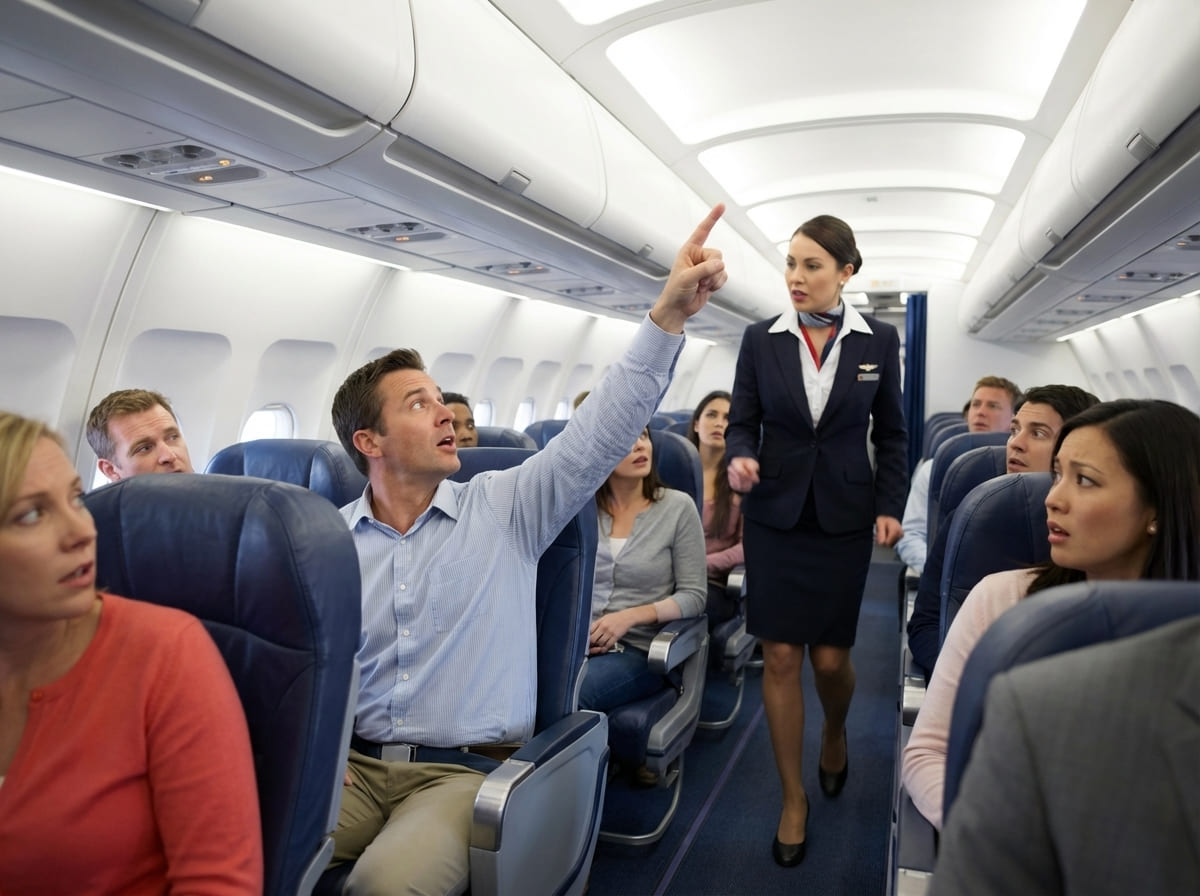
In a potential fire situation on a plane, passengers have one critical role: to be the eyes and ears that alert the crew. Your job is to be the first line of detection. The crew's job is to be the first line of response. Trying to solve the problem yourself can make things much, much worse.
The Passenger's Critical Role: Alert, Don't Act
There are very good reasons why you should not try to be a hero and open that overhead bin.
- Oxygen Rush: Opening the bin can introduce a sudden rush of fresh oxygen from the cabin. This can cause a smoldering, smoking battery to burst into a much larger, more aggressive fire.
- Toxic Fumes: The smoke from a lithium battery isn't like wood smoke. As a battery expert, I can tell you it's a toxic and corrosive mix of electrolyte vapors. Breathing it in is harmful, and it can quickly fill the cabin. The crew has protective breathing equipment; you do not.
- Explosion Risk: A battery in thermal runaway can rupture or explode, sending shrapnel and flaming liquid out of the bin. You could be seriously injured.
Shouting "Fire!" is better than pressing the call button. In a noisy cabin, a button push doesn't convey urgency. A human voice shouting about a fire gets an immediate, priority response from the crew and other passengers.
What Happens Next
Once you alert the crew, their training takes over. They will immediately clear passengers away from the area. One crew member will grab the fire extinguisher and protective gear while another cautiously opens the bin, ready to fight the fire. They will then use the two-step protocol to extinguish the flames and cool the device in a containment bag. Your job is to stay out of the way, listen to their instructions, and allow them to do their work. They may direct you to a different seat or give you other commands. Following their lead is the key to a safe outcome for everyone. Your quick alert is the first and most vital link in that chain of safety.
Conclusion
The risk of lithium battery fires on planes is real, driven by the process of thermal runaway. However, this risk is manageable with the right knowledge and procedures. Always alert the crew to any problem, use high-quality electronics, and never try to retrieve a dropped phone yourself. Safe travels depend on everyone being aware.
Understanding thermal runaway is crucial for recognizing the risks associated with lithium batteries. ↩