Confused by lithium battery rules at the airport? Different agencies seem to say different things. Get the clear answers you need to fly without stress and keep your devices powered.
The International Civil Aviation Organization (ICAO) sets the base rules. The International Air Transport Association (IATA) details them for airlines. In the U.S., the FAA and TSA enforce these rules at the airport. Each plays a specific, crucial role in ensuring your travel safety.
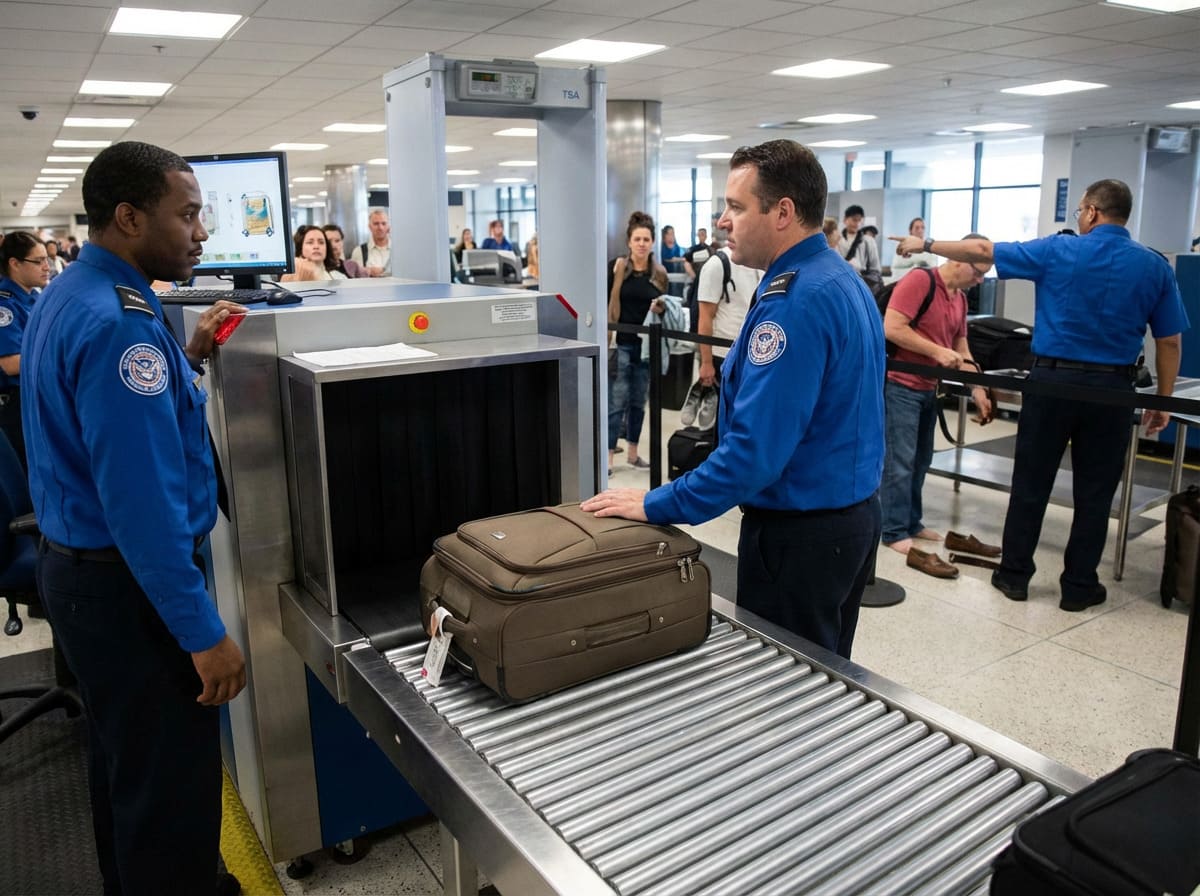
It feels like a alphabet soup of acronyms, doesn't it? ICAO, IATA, FAA, TSA. When you're standing in a security line, you just want to know if your power bank is okay or not. I've worked with countless clients in my years at Litop, helping them design batteries for products that travel the world. The confusion over these rules is a constant source of anxiety. The good news is that there is a clear hierarchy and logic to it all. Let's break down who does what, so you can pack your bags with confidence and know exactly what to expect on your next trip.
If TSA says it's okay, but the flight attendant says no, who do I listen to?
You're at the gate, your battery cleared security, but now the airline staff says no. This frustrating conflict can disrupt your travel plans and leave you feeling powerless.
Always listen to the airline. While the TSA provides security screening guidelines for the U.S., airlines have the final say on what is allowed on their aircraft. Their internal policies can be stricter than government regulations, and the flight crew's decision is binding for safety reasons.
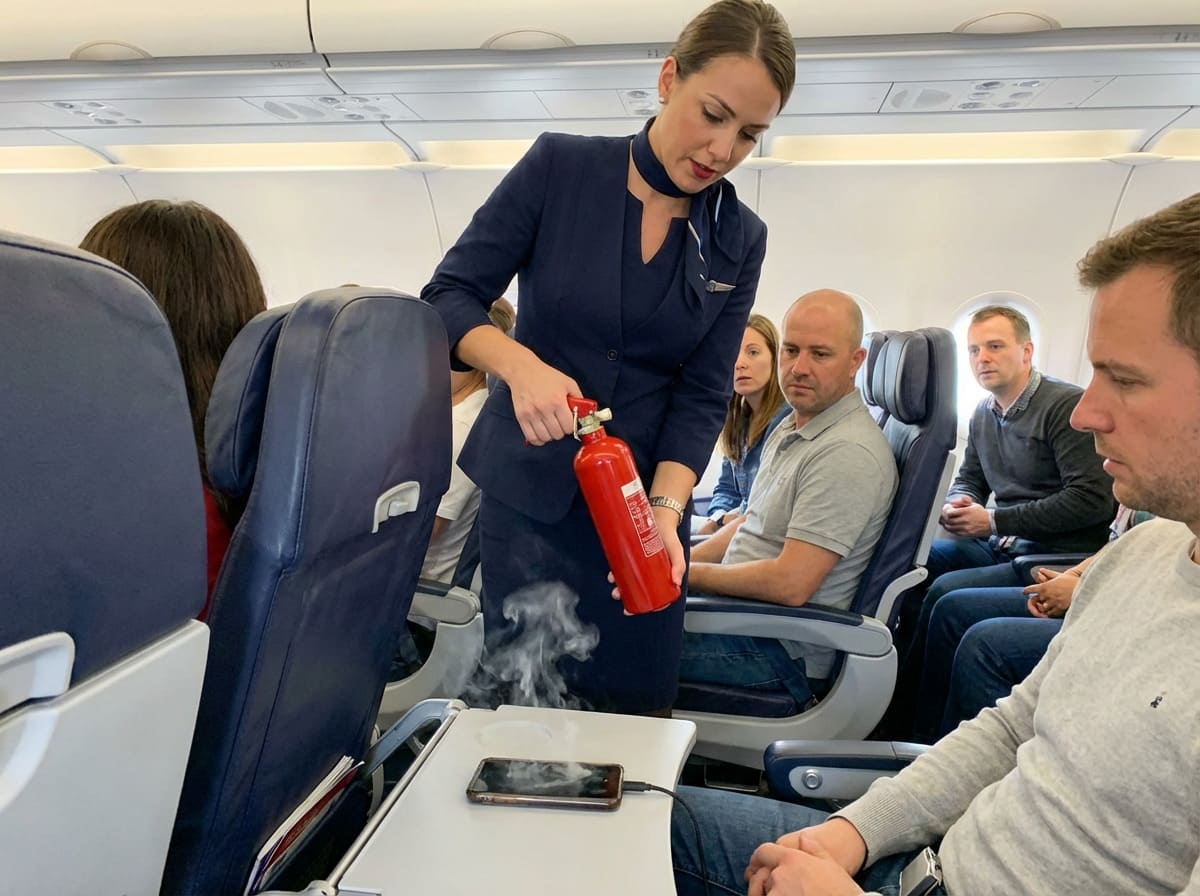
This situation is more common than you might think, and it highlights a crucial pecking order in aviation rules. I once had a client, a medical device developer, who was traveling to a major trade show. His prototype device used a 120Wh custom battery we built for him. He got TSA pre-approval, but the gate agent for his regional connecting flight denied him boarding with the battery. It was a nightmare for him. Understanding the chain of command is key to avoiding these problems.
The Hierarchy of Aviation Rules
Think of the regulations as a pyramid. At the very top, you have the global standards, and as you go down, the rules get more specific and can become stricter.
- ICAO (International Civil Aviation Organization): A UN agency that sets the high-level, foundational standards and recommended practices for international civil aviation. Their rules are the global baseline.
- IATA (International Air Transport Association): A trade association for the world's airlines. They take the ICAO standards and publish the Dangerous Goods Regulations (DGR), a detailed manual that provides practical instructions for airlines to follow. Most airlines worldwide operate based on the IATA DGR.
- National Aviation Authorities (e.g., FAA in the U.S., EASA in Europe, CAAC in China): These are government bodies that implement and enforce the global standards within their own country. They can add their own layers of regulation. The TSA works to enforce the FAA's rules at U.S. airport security checkpoints.
- The Airline (The "Operator"): At the bottom of the pyramid, but with the most direct power over your journey, is the airline. They can, and often do, establish their own policies that are even stricter than the government mandates.
Why Can Airlines Be Stricter?
An airline's primary responsibility is the safety of its passengers, crew, and aircraft. They have the right to refuse any item they deem a risk, regardless of whether the TSA screened it. There are several reasons for this:
- Aircraft Variation: The fire suppression system on a large Boeing 777 might be different from that on a smaller regional jet. The airline creates policies that account for the capabilities of their entire fleet.
- Insurance and Liability: Airlines have massive insurance policies and internal risk management departments that may dictate stricter rules to minimize liability.
- Crew Training: They standardize procedures for their crew. It's simpler and safer to have one strict, clear rule across the board than a complex set of exceptions that could be misinterpreted during an emergency.
Here is a simple table to show how the rules can differ:
| Regulation Body | Typical Rule for Spare Lithium-Ion Batteries | Final Say? |
|---|---|---|
| TSA/FAA | Allowed in carry-on if under 100Wh. Two spares allowed between 100-160Wh with airline approval. | No (at the gate) |
| Airline | May have a stricter policy, such as "No spare batteries over 100Wh allowed, period," or require more extensive documentation for exceptions. | Yes |
My best advice is to always check your airline's specific policy on their website before you even pack. Print it out and bring it with you. If you face a challenge, you can calmly show the gate agent their own rules. But remember, their decision on board their aircraft is final.
Is the TSA's 100Wh standard universal in Europe, China, or Southeast Asia?
You've memorized the TSA's 100 Watt-hour rule and think you're set for international travel. But assuming this rule is the same everywhere can lead to your batteries being confiscated far from home.
No, it is not universally applied in the exact same way. While the 100Wh limit is a common baseline derived from IATA guidelines, enforcement, documentation requirements, and specific exceptions can vary significantly by country. Always check the local civil aviation authority rules for your destination.
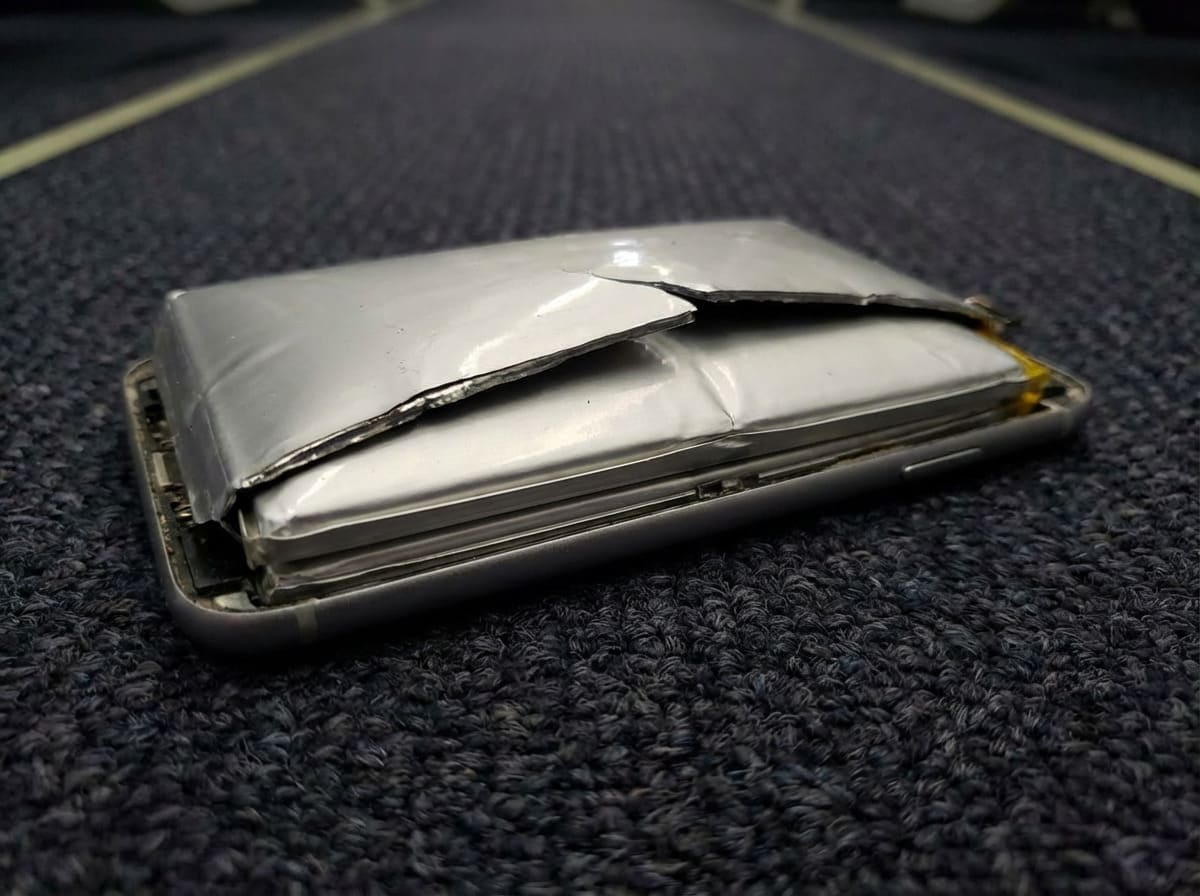
I work with clients from over thirty countries, and a big part of our job at Litop is ensuring the batteries we manufacture have the correct markings and documentation to travel globally. A customer in Germany might have a slightly different experience flying out of Frankfurt than a customer in Japan flying out of Tokyo, even with the same battery. The foundation of the rule is the same, but the house built on top of it can look a little different everywhere you go.
The Global Baseline: IATA's Dangerous Goods Regulations
The 100Wh threshold isn't arbitrary. It comes from the IATA DGR, which is the operational manual for nearly every major international airline. This is why you see the 100Wh number so consistently around the world—it's the global industry standard. The regulations generally state:
- Below 100Wh: Allowed in carry-on baggage. Both batteries in equipment and a reasonable number of spares are usually fine.
- 100Wh to 160Wh: Considered medium-sized batteries. You need airline approval before travel, and there's typically a limit of two spare batteries per person.
- Above 160Wh: Forbidden in passenger baggage and must be shipped as cargo.
Regional Differences in Enforcement and Details
While the baseline is similar, the local implementation can vary. Security agents in different countries are trained by their own national authorities, leading to different points of emphasis.
| Region/Country | Regulator(s) | Key Differences and Points of Emphasis |
|---|---|---|
| USA | FAA / TSA | Follows the 100/160Wh rule closely. Enforcement is generally consistent. The focus is on carry-on only for spares. |
| European Union | EASA / Member States | Harmonized rules are very similar to the FAA. However, individual airport security can have different interpretations. Always check with the specific airline. |
| China | CAAC | Extremely strict about markings. If the Wh rating is not clearly and professionally printed on the battery case, it will be confiscated, even if it's a tiny 10Wh power bank. Hand-written labels are not accepted. |
| Southeast Asia | Various (e.g., CAAS in Singapore) | Generally follows IATA rules, but enforcement can be inconsistent between countries and even between airports within the same country. It's best to be conservative here. |
| Japan | JCAB | Very diligent and by-the-book enforcement. Expect security to inspect markings on every battery. Their rules align closely with IATA standards. |
One of the most critical takeaways for any international traveler is the importance of clear and legible markings. This is a major pain point and a focus for us at Litop. We ensure every custom battery pack has professional, durable labels with all the required info (Voltage, mAh, Wh). If an airport security agent cannot read the Watt-hour rating, they are trained to assume the worst and confiscate it.
To carry a 160Wh battery, do I send the application to the airline, the FAA, or IATA?
You need to fly with a powerful battery for your professional camera or medical device. You know approval is needed for anything over 100Wh, but who do you ask? Contacting the wrong agency will lead to delays and likely a denial.
You must send the application directly to the airline you are flying with. IATA and the FAA are the rule-makers that create the exception, but only the airline (the "operator") can grant you specific permission to carry a battery between 100Wh and 160Wh on their plane.
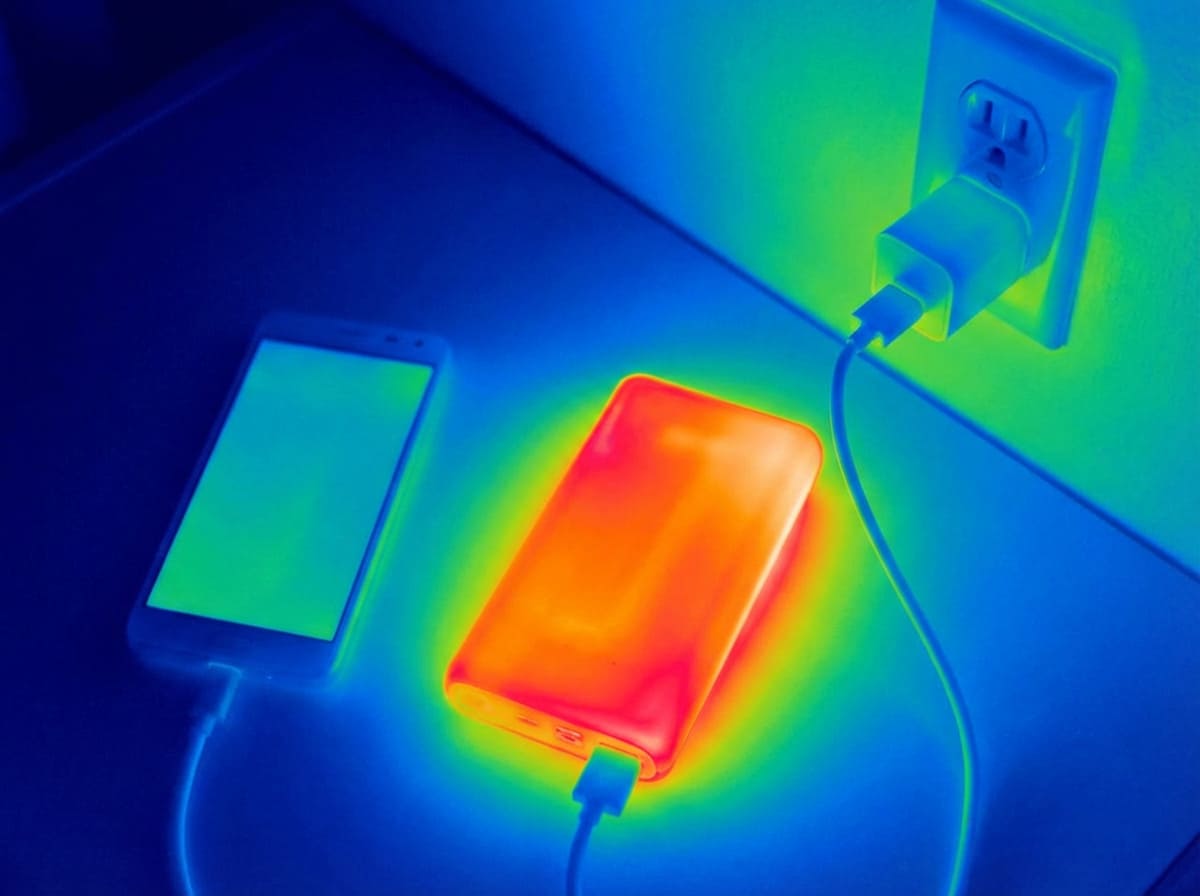
Think of it like this: the federal government sets the national speed limit, but if you want to drive an oversized truck on a specific highway, you need a permit from the state's Department of Transportation, not from Washington D.C. In this analogy, the airline is the state authority in charge of their "highway in the sky." I often have to guide my clients through this process. Sending a request to the FAA or IATA is a dead end; their job is to regulate the airlines, not to handle individual passenger requests.
Understanding the "Operator Approval" Clause
The official IATA Dangerous Goods Regulations contain the magic words: "operator approval is required." In the language of aviation, the airline you bought your ticket from is the "operator." They operate the aircraft, and therefore they are solely responsible for approving what goes on it. This approval process allows them to:
- Track the Item: They know who you are, what you have, and where you're sitting. In an emergency, this information is vital for the crew.
- Verify Compliance: They can ask for documentation, like a battery's technical data sheet or its UN 38.3 safety test certificate, to ensure it's a high-quality, safe product.
- Provide Special Instructions: They might instruct you to present the battery for inspection at check-in or inform the cabin crew when you board.
How to Apply for Approval: A Step-by-Step Guide
Getting approval is straightforward if you do it correctly and well in advance.
- Identify the Airline: If your journey involves multiple airlines, you need approval from each one. Start with the airline operating the first leg of your flight.
- Find Their "Special Assistance" or "Dangerous Goods" Policy: Go to the airline's website and search for these terms. This is where you'll find their specific rules and contact information. Do not call the general customer service number, as they are often not trained on these specific requests.
- Draft a Clear Email: Write a concise and professional email. Be proactive and provide all the necessary information upfront to avoid back-and-forth communication.
- Apply Early: Do this at least one week before your flight, if not more. These requests are handled by specialized departments and can take a few business days to process.
- Bring the Approval with You: Once you receive a written confirmation (usually an email), print it out and keep it with your travel documents. You will likely need to show it at check-in, security, and the gate.
What to Include in Your Request
To make the process as smooth as possible, include these details in your email:
- Your full name as it appears on your ticket
- Your booking reference or ticket number
- Your exact flight numbers and dates
- A clear description of the device the battery powers
- The battery's specifications: Watt-hour (Wh) rating is most important. Also include Voltage (V) and amp-hours (Ah).
- The number of spare batteries you wish to carry (maximum of two is typical).
- Attach a copy of the battery's specification sheet or a link to it if possible. For our Litop clients, we provide these documents to make this step easy.
By contacting the airline directly with all the right information, you demonstrate that you are a responsible passenger and make it easy for them to say "yes."
If security illegally confiscates my compliant battery, which agency should I complain to?
Your battery was under 100Wh, clearly marked, and perfectly legal, but the security agent took it anyway. You feel wronged and frustrated. Knowing who to turn to can help you seek recourse and potentially get compensation.
In the United States, you should file a complaint directly with the Transportation Security Administration (TSA). They have a formal claims process for items that are lost, damaged, or, in this case, wrongfully confiscated during the security screening process. Document everything immediately.

It's an infuriating experience. You followed all the rules, but a misinformed or overly cautious agent still takes your property. While getting the actual battery back is highly unlikely, filing a claim is about accountability and compensation. I advise my clients to be prepared, but if the worst happens, there is a path forward. The key is to act quickly and gather as much information as you can in the moment.
What to Do in the Moment of Confiscation
Your reaction at the checkpoint can make a big difference. Panicking or arguing will not help.
- Stay Calm and Polite: The agent in front of you holds all the immediate power. Getting aggressive will only make the situation worse.
- Ask for a Supervisor: Calmly state, "I believe this item is compliant with FAA regulations. Could I please speak with your supervisor?" A supervisor (they have different color shirts or insignia) is often more experienced with the nuances of the rules.
- Show the Rules: Have the relevant TSA or FAA webpage bookmarked on your phone. Showing them their own official rules can sometimes resolve the issue. For example, have the "Pack Safe: Spare Batteries" page from the FAA website ready.
- If They Still Refuse: Do not hold up the line or argue further. Before you surrender the item, ask for the agent's name (they may only give a badge number) and note the time, terminal, and checkpoint location. Ask if they can provide a receipt or any form of documentation for the confiscated item.
The Complaint Process in the U.S. (TSA)
Once you are through security, you can begin the formal process.
- Go to the TSA Website: Navigate to the "Claims" section (tsa.gov/travel/claims-and-lost-found).
- Fill Out the Form: Provide all the details of the incident. Be specific about why the battery was compliant (e.g., "It was an 85Wh battery, well under the 100Wh limit, and the capacity was clearly marked").
- Provide Proof of Value: Include a receipt for the battery or a screenshot from a website showing its replacement cost. This is crucial for a compensation claim.
- Submit and Wait: You will receive a claim number and an investigator will be assigned to your case. The process can take several weeks or months.
Complaining Outside the U.S.
The process varies by country. You will need to file a complaint with the equivalent government body that manages airport security. For example, in Canada, it's CATSA (Canadian Air Transport Security Authority). In the UK, it would be the specific airport's security management. The best approach is to search online for "[Country Name] airport security complaint process." In any location, the principles are the same: document everything, stay calm, and follow the official procedure for filing a claim.
Conclusion
Navigating lithium battery rules involves understanding a hierarchy of authority: ICAO sets global standards, IATA details them for airlines, national bodies like the FAA enforce them, and your airline has the final say. Always check your airline’s policy first to ensure a smooth journey. Fly safe.