Tired of devices dying too soon and disrupting your operations? A higher capacity battery seems expensive. Let's see if the investment truly pays off for your bottom line.
The ROI for a higher capacity battery pack is strong when long-term savings outweigh the initial cost. This includes lower energy bills, reduced maintenance, and a longer product lifespan. For businesses, this also means less downtime and higher productivity, making the upgrade a smart financial decision.
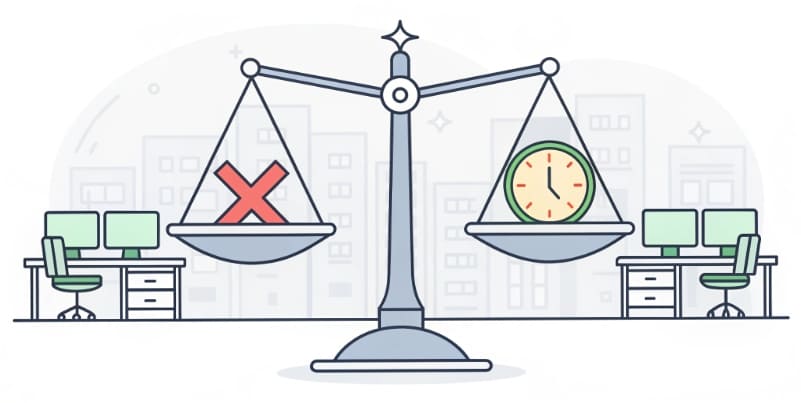
Calculating that ROI isn't just about the purchase price. It involves looking at specific numbers, hidden benefits, and even government help. I remember a client, Michael, who was skeptical about upgrading the batteries in his medical devices. He only saw the initial invoice from his previous supplier. But when we at Litop broke down the Total Cost of Ownership for him, he saw the bigger picture. Let's walk through that same process, so you can see it too.
How can I specifically calculate the payback period and ROI for my application?
You suspect a better battery could save you money, but how can you be sure? Making a big investment without a clear calculation feels like a gamble. Let's use a simple formula.
To calculate ROI, subtract the initial upgrade cost from your total savings, then divide by the cost. For payback period, divide the upgrade cost by your annual savings. The key is accurately estimating your savings based on your specific application, like energy arbitrage or fuel reduction.
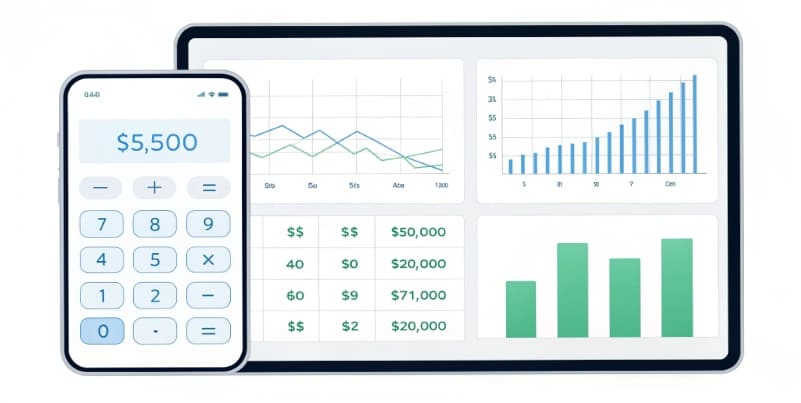
Calculating the return on a battery upgrade isn't as complicated as it sounds. It comes down to two simple formulas, but the magic is in finding the right numbers for your specific situation.
The Basic Formulas
First, let's get the math straight. These are the two key calculations you'll need:
- Return on Investment (ROI): This tells you how much money you made back relative to the cost.
(Total Savings - Initial Cost) / Initial Cost * 100% = ROI - Payback Period: This tells you how long it will take to earn back your initial investment.
Initial Cost / Annual Savings = Payback Period (in years)
The "Initial Cost" should include the price of the battery pack plus any installation or system integration fees. "Total Savings" is where it gets interesting, as this changes a lot depending on how you use the battery.
Application-Specific Calculations
Let's break down how to find your "Annual Savings" for different applications.
| Application | Key Savings Driver | How to Estimate Annual Savings |
|---|---|---|
| Industrial/Commercial Storage | Energy Arbitrage (Peak Shaving) | (Peak kWh Price - Off-Peak kWh Price) x Stored kWh x Cycles per Year |
| Electric Vehicles (EVs) | Fuel Savings | (Annual Fuel Cost of Gas Car) - (Annual Charging Cost of EV) |
| Medical/IoT Devices | Reduced Replacement & Downtime | (Cost of Old Battery + Labor) x Replacements per Year - (Cost of New Battery) / Lifespan |
For my clients in industrial sectors, the biggest win comes from "peak shaving." In areas with large differences between peak and off-peak electricity prices, they use our high-capacity packs to store cheap energy at night and use it during expensive peak hours. The savings are direct and substantial. For EV owners, the calculation is a straightforward comparison between gasoline costs and electricity costs. For medical and IoT device manufacturers, like my client Michael, the savings are in reliability and longevity. A longer-lasting battery means fewer costly replacements and, more importantly, less device downtime, which is critical in the medical field.
When calculating ROI, what non-monetary benefits should also be quantified and considered?
Your math shows the ROI, but it feels incomplete. You know reliability is important, but how does it fit into a financial formula? Let's quantify these hidden but critical benefits.
Quantify non-monetary benefits by assigning a dollar value to them. For example, calculate the cost of one hour of downtime in your business. A more reliable battery that prevents this has a clear financial value. Similarly, improved user experience can lead to higher customer retention.
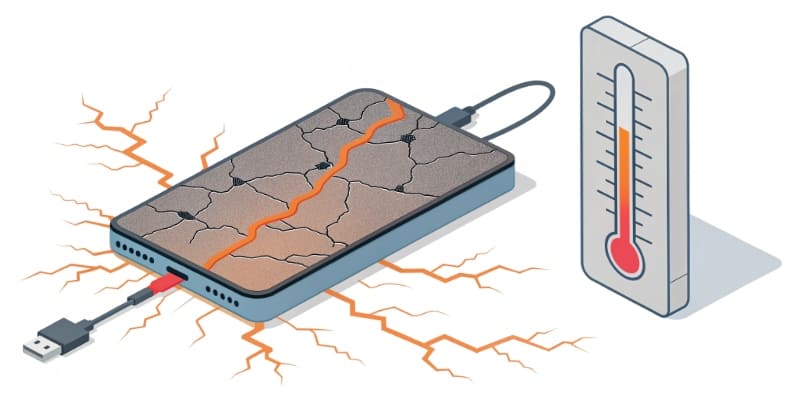
When I discuss battery solutions with business owners, I always stress that the best investments offer more than just monetary returns. The "soft" benefits of a battery upgrade—like reliability and brand reputation—have very real financial value. You just need to know how to measure them.
Calculating the Cost of Downtime
For any business, downtime is a killer. A higher-capacity, more reliable battery directly fights this. To put a number on it, ask yourself: what does one hour of stopped work cost me? The formula is simple: Lost Revenue + Wasted Labor Costs = Cost of Downtime per Hour. If a battery failure on your assembly line costs you $10,000 per hour, and a superior battery pack from Litop prevents just one hour of downtime per year, that's an extra $10,000 in savings for your ROI calculation. For my clients in the medical device industry, the stakes are even higher. A battery failure isn't just about lost revenue; it can impact patient safety and lead to massive costs from recalls and brand damage.
Valuing Brand Reputation and User Experience
Happy customers lead to more sales. A product with a longer battery life consistently gets better reviews and builds brand loyalty. You can quantify this. For example, if a longer-lasting battery in your wearable device leads to a 5% increase in positive reviews and a corresponding 2% lift in sales, that's a tangible number. (Annual Sales x 2%) x Profit Margin = Value of Improved User Experience. In consumer electronics, this is often seen in premium pricing. Customers are willing to pay more for the convenience of a device that doesn't need constant charging. That price difference is a direct measure of the non-monetary benefit.
| Non-Monetary Benefit | How to Quantify It | Example |
|---|---|---|
| Reduced Downtime | Cost of lost production/service per hour | $10,000/hr in lost manufacturing output |
| Improved Brand Reputation | Increased sales from better reviews/loyalty | A 2% sales lift due to 5-star reviews |
| User Convenience | Time saved from less frequent charging | 15 mins/day x employee wage x workdays |
By translating these benefits into dollars, you get a much more accurate picture of the total value of your battery upgrade.
What factors primarily offset the increased initial cost?
That high upfront cost for a premium battery pack can be a tough pill to swallow. It makes you question if the long-term benefits are real or just a sales pitch. Let's look at exactly where the savings come from.
The higher initial cost is primarily offset by three factors: a longer operational lifespan which reduces replacement frequency, lower maintenance needs, and direct energy savings. Together, these elements create a lower Total Cost of Ownership (TCO), justifying the upgrade.

When a procurement officer like Michael looks at a quote, the initial price often stands out the most. My job is to help them see beyond that number to the Total Cost of Ownership (TCO). A higher initial investment in a quality battery pack pays for itself in several clear ways over the product's life.
Longer Lifespan and Cycle Life
This is the most significant factor. A standard battery might be rated for 500 charge cycles. In contrast, a high-quality LiFePO4 battery pack, which we specialize in at Litop, can deliver 3,000 cycles or more. Let's do the math. Imagine a device requires a battery replacement every two years. The cheaper battery costs $50. A superior, longer-lasting battery costs $120 but runs for six years.
- Cheap Option (6 years): $50 x 3 replacements = $150
- Quality Option (6 years): $120 x 1 purchase = $120
In this simple case, you already save $30. But this doesn't even include the cost of labor and downtime for those two extra replacements. The longer lifespan directly lowers the TCO.
Reduced Maintenance and Replacement Costs
Fewer replacements naturally mean less maintenance. This is more than just saving on labor. It's about reducing all the associated "soft costs": the time your team spends ordering parts, the shipping fees, the administrative work, and the operational disruption during a swap. For many modern electronics, especially the compact medical and wearable devices we design custom batteries for, the battery is sealed inside. In these cases, a battery failure often means the entire device must be serviced or replaced. A battery that lasts the full intended life of the product eliminates these massive backend costs entirely.
Direct Energy Savings and Efficiency
Higher capacity allows for greater savings, especially in energy storage applications. A larger battery lets you store more cheap, off-peak energy to use during expensive peak times. Furthermore, quality matters for efficiency. A well-engineered battery pack has a higher charge/discharge efficiency, meaning less energy is lost as heat during operation. A battery with 95% efficiency wastes half as much energy as one with 90% efficiency. Over thousands of cycles, these small percentages add up to real, measurable savings on your electricity bill.
Are there government incentives that can make the upgrade more financially attractive?
The numbers for ROI look good, but the initial cash outlay is still a big hurdle. You might be missing out on "free money" that could make this upgrade an immediate win. Let's see what government help is available.
Yes, many governments offer significant incentives for adopting green technology. These can include investment tax credits (ITCs) for energy storage, EV purchase rebates, and local utility programs. These incentives can dramatically reduce your net initial cost and shorten the payback period.
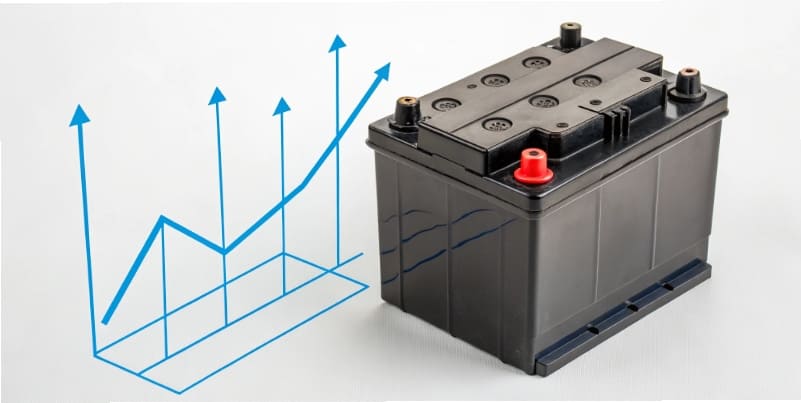
One of the most powerful tools for improving the ROI of a battery upgrade is something that doesn't come from the battery itself: government incentives. For my clients in the United States, Europe, and other regions, these programs can be a game-changer, turning a good investment into a great one.
Federal Tax Credits and Rebates
In the United States, the federal government offers powerful incentives. The Investment Tax Credit (ITC), for example, can allow businesses and homeowners to deduct a significant percentage (often around 30%) of the cost of a new energy storage system from their taxes. This applies to the entire project cost, including the battery pack and installation. For someone buying an electric vehicle, federal tax credits can reduce the purchase price by thousands of dollars, making models with larger, higher-capacity batteries much more affordable. These policies can change, so I always advise my international clients to consult a local tax expert to get the latest details.
State and Local Utility Programs
The incentives often get even better at the state and local levels. Many states and even individual utility companies offer their own rebates to encourage the adoption of energy storage. For instance, California’s Self-Generation Incentive Program (SGIP) has been a massive driver for battery installations there. A local utility might offer a cash rebate based on the capacity of your battery system—for example, $200 per kWh. On a 20 kWh commercial battery system, that's a $4,000 direct reduction of your initial cost. These programs exist because utilities want to reduce strain on the grid during peak demand, and high-capacity batteries are a perfect solution for that.
Finding and Applying for Incentives
Knowing where to look is key. In the US, the Database of State Incentives for Renewables & Efficiency (DSIRE) is an excellent resource. Similar databases and government energy agency websites exist in most developed countries. The application process can sometimes be complex, which is why working with an experienced supplier or installer is so valuable. At Litop, we ensure our battery specifications meet the technical requirements for many of these programs, and we often help our B2B clients navigate the documentation needed to secure these valuable incentives.
Conclusion
Upgrading your battery pack is a strategic investment, not just a cost. When you calculate the full ROI—including energy savings, longer lifespan, and government incentives—you'll often find it significantly lowers your total cost of ownership. It’s a smart move for long-term efficiency and reliability.