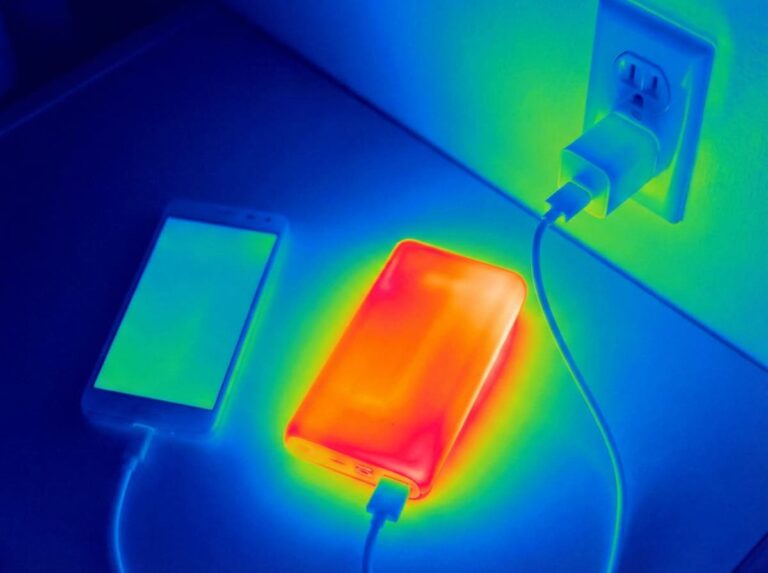
Struggling with heavy, bulky batteries that limit your product's potential? The promise of lighter power is exciting, but the timeline can be confusing. This major shift is happening sooner than you think.
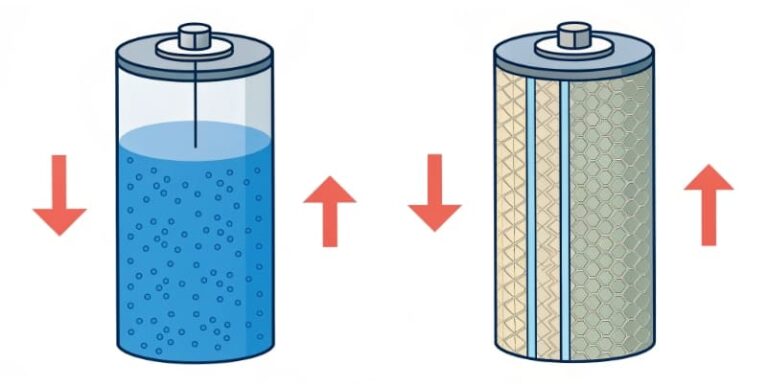
From 2026 to 2030, battery weight is set to drop by 20-25% for the same capacity. This will be driven by new materials and innovative structures, with energy density projected to reach 500Wh/kg. Your devices can become significantly lighter without sacrificing any performance.
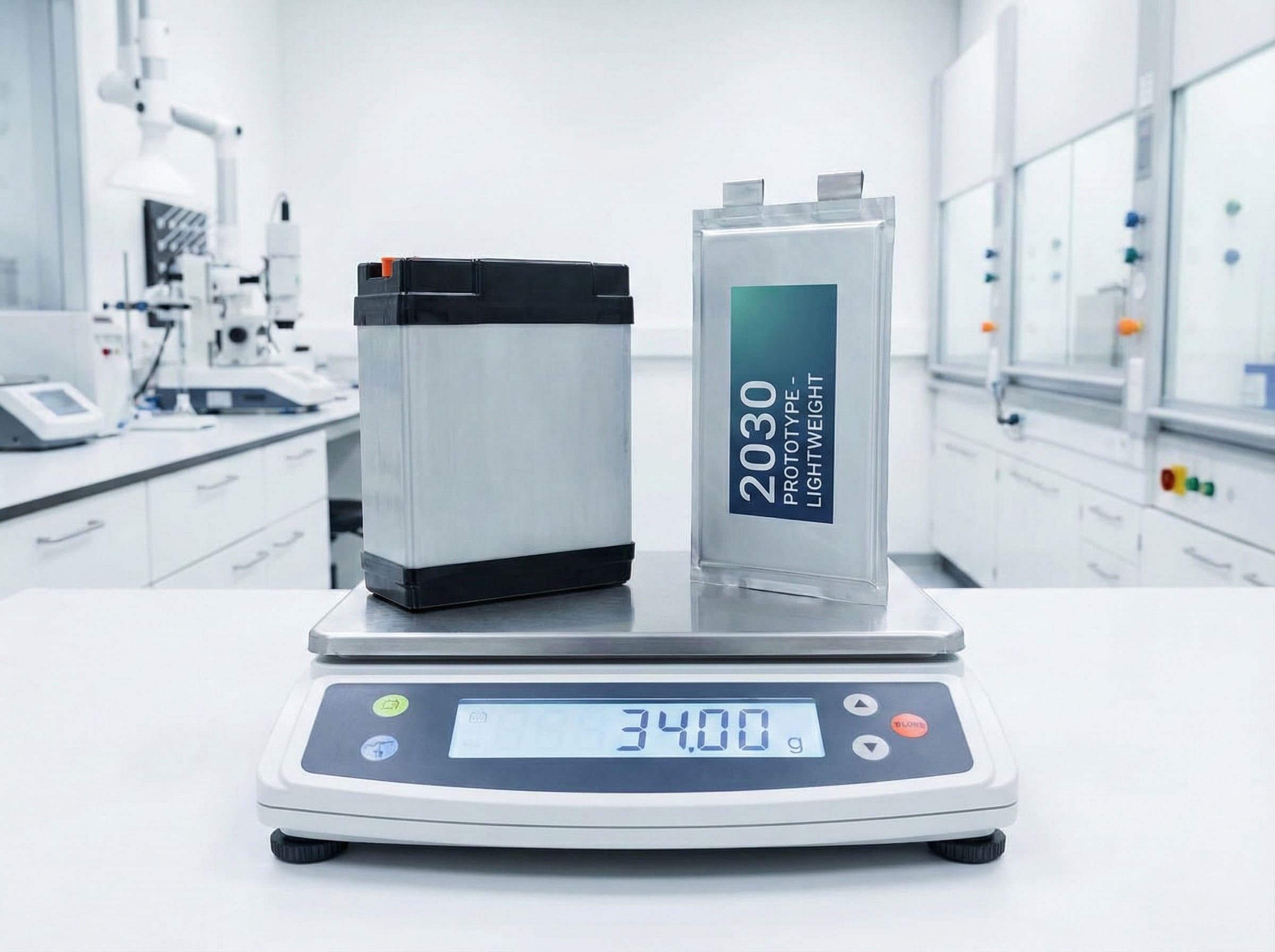
This weight reduction is a huge deal in my industry. As a battery manufacturer, I see firsthand how it will revolutionize everything from electric cars to the compact medical devices we specialize in at Litop. It’s not just about making things lighter; it’s about unlocking new possibilities for design and efficiency. My clients often ask me very specific and practical questions about this upcoming transition. Let's tackle some of the most common ones.
If I buy a LiFePO4 car now, will its value collapse when solid-state batteries arrive by 2028?
Worried your new electric car will be worthless in a few years? Solid-state batteries sound like a game-changer, making today's technology seem obsolete. But here’s a realistic look at the situation.
Your LiFePO4 car's value will not suddenly collapse. The transition to solid-state batteries will be gradual, and LFP technology will remain a safe and cost-effective choice for many years. Mass-market adoption takes time, so your car will likely follow a normal depreciation curve.
I get this question a lot, and it’s a valid concern. People see a big technology shift on the horizon and worry about their investment. But based on my experience watching the battery market evolve, a sudden "collapse" is highly unlikely. The reality is more nuanced. The transition will be slow and will affect different market segments in different ways. We need to look at how technology actually makes its way into the hands of consumers.
The True Pace of Technology Adoption
New battery technology, especially something as complex as solid-state, doesn't just appear everywhere overnight. It will follow a classic pattern. First, it will be introduced in high-end, premium vehicles. The manufacturers will use it as a key feature to justify a higher price tag. This initial rollout phase allows them to scale up production and work out any early issues. It will take several years for the technology to become affordable and reliable enough for the mass market. LiFePO4 (LFP) batteries, on the other hand, are already proven, safe, and incredibly cost-effective to produce. They will continue to be the workhorse for standard-range EVs and budget-friendly models for a long time.
Different Batteries for Different Needs
The market isn't a single entity where one technology simply replaces another. It’s a spectrum of needs. I see this every day at my company, where we design custom batteries. Some clients need maximum energy in a tiny space, while others prioritize cost and cycle life. It's the same for cars.
| Feature | LiFePO4 (LFP) | Early Solid-State |
|---|---|---|
| Primary Advantage | Cost & Safety | Energy Density & Range |
| Target Market | Mainstream & Commercial EVs | Premium & Performance EVs |
| Used Car Appeal | Proven Reliability, Low Cost | Cutting-Edge Tech, High Range |
| Resale Factor | Stable, predictable value | Initially high, but with uncertainty |
As you can see, they serve different purposes. A family looking for a reliable and affordable city car in 2028 will still find a used LFP vehicle very attractive. The person who wants the absolute longest range and latest tech will look for a solid-state model, but they will be shopping in a completely different price bracket.
Are heavier Sodium-ion batteries still relevant for the future?
Hearing about sodium-ion but confused by its lower energy density? It seems like a step backward in a world obsessed with making everything lighter. But its future is surprisingly bright.
Yes, sodium-ion batteries have a very strong future, despite being heavier. Their main advantages are extremely low cost and the use of abundant raw materials. This makes them perfect for applications where weight is not the most critical factor, like stationary energy storage.
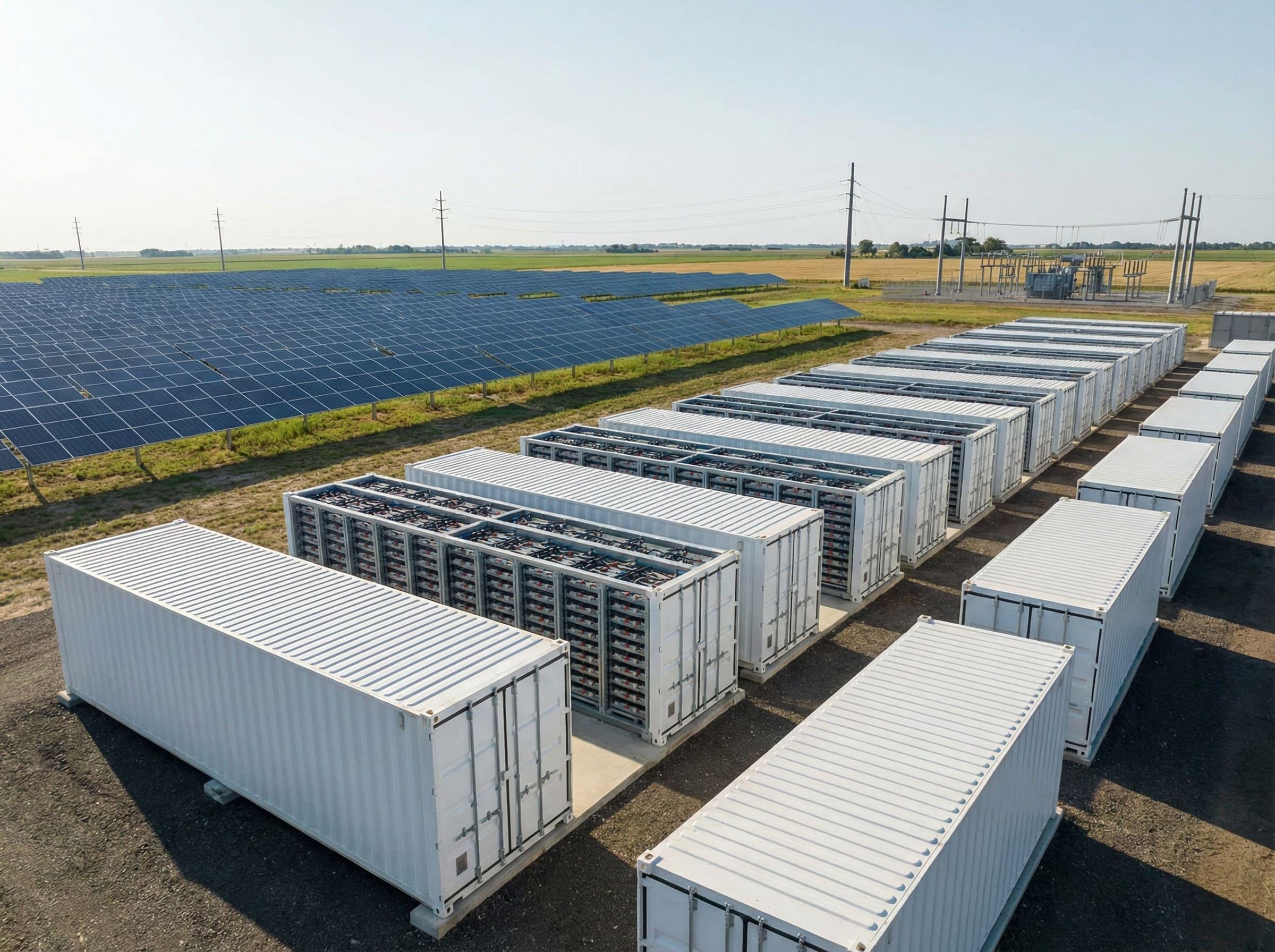
In the battery world, we often get focused on one metric: energy density, or Wh/kg. We're always trying to pack more power into a lighter package. That's a huge part of my work at Litop, especially for wearables and portable devices. However, for many large-scale applications, another metric is far more important: cost per kilowatt-hour ($/kWh). This is where sodium-ion (Na-ion) batteries come in. They force us to think about the right tool for the right job, not just the newest or lightest tool.
Cost is King in Stationary Storage
The primary ingredient in Na-ion batteries is sodium, which is one of the most abundant and cheapest elements on Earth. You can find it everywhere, from rock salt to seawater. Lithium, while not exactly rare, is much more concentrated in specific regions, and its price has been very volatile. For applications like grid-scale energy storage, where you need to store massive amounts of power from solar or wind farms, the physical weight of the battery system doesn't matter much. What matters is the total cost. Sodium-ion offers a path to dramatically cheaper energy storage, which is essential for a renewable energy future.
Finding the Right Application
The future of batteries isn't about one chemistry winning. It's about having a diverse portfolio of technologies for different needs.
| Battery Type | Key Advantage | Best Application |
|---|---|---|
| Sodium-ion (Na-ion) | Ultra-Low Cost | Stationary Energy Storage, Low-Speed EVs |
| LiFePO4 (LFP) | Balance of Cost & Safety | Mainstream EVs, Home Energy Storage |
| NMC / Solid-State | Highest Energy Density | Premium EVs, Aviation, High-End Electronics |
At Litop, we live by this principle. We wouldn't use a high-density, expensive battery for a simple backup power system. Likewise, we wouldn't use a heavy, low-density battery in a sleek medical wearable. Sodium-ion simply expands our toolkit. It will handle the heavy-lifting (in a figurative sense) for our energy grid, while lithium-based chemistries continue to power the devices we carry with us.
High EV insurance costs are a major headache for owners. You would think a lighter car would be safer and lead to cheaper premiums, but insurers seem slow to react.
Lighter batteries could help lower EV insurance costs, but it's not a direct one-to-one relationship. Current premiums are high mainly due to the immense cost of replacing the battery pack. Lighter, more advanced batteries may be even more expensive to repair or replace initially.
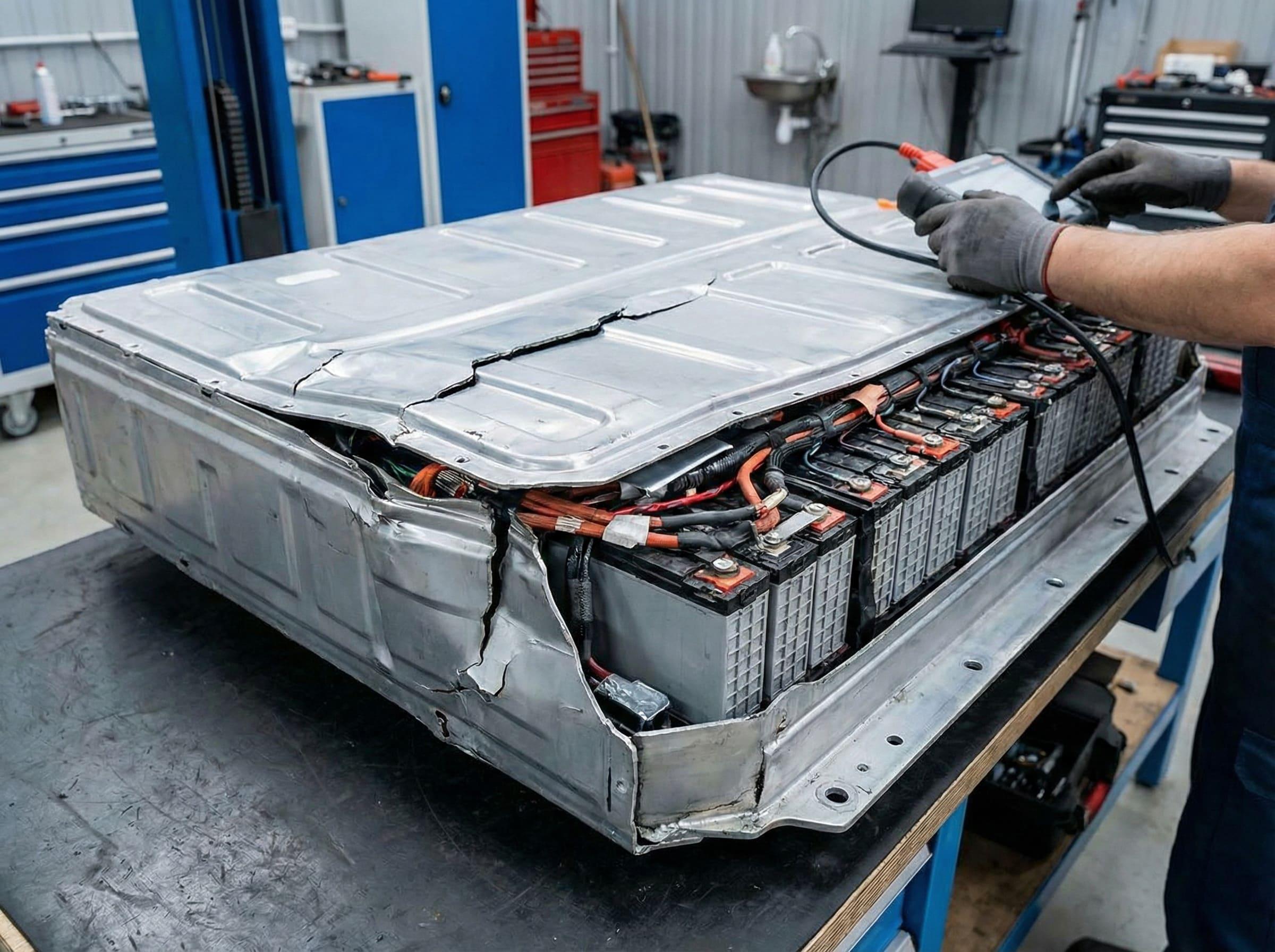
This is a topic that blends engineering with economics. As a battery expert, I can tell you all about the technical benefits of lighter batteries. But when it comes to insurance, the math is different. An insurer's main concern is financial risk. A 30% lighter battery is great, but if that battery costs 50% more to replace after a minor accident, the premium isn't going down. We need to look at what really drives the cost of EV insurance.
The Real Reason EV Insurance is Expensive
The single biggest factor is the battery pack's replacement cost. In many current EVs, the battery is a massive, single-unit component that can be worth 40% or even 50% of the entire vehicle's value. If it's damaged in a collision, even a minor one, the repair shop often has no choice but to replace the whole thing. This can easily lead to the insurance company declaring the car a total loss. Lighter weight might reduce the severity of some accidents, which is a positive factor, but it doesn't solve the core problem of a single, astronomically expensive component.
How New Battery Tech Changes the Equation
Future solid-state batteries, which will be much lighter, will also be very expensive to produce in their early years. They will use new materials and complex manufacturing processes. An insurance company will look at the replacement cost of a first-generation 500Wh/kg solid-state pack and likely price their policies even higher, at least at first. The benefit of lower vehicle weight might be completely negated by the higher component cost.
The true breakthrough for insurance costs will come from improved design and repairability. The industry is moving toward structural packs like Cell-to-Body (CTB), where the battery is part of the car's frame. This saves weight but makes repairs nearly impossible. The real solution will be when manufacturers design these advanced, lightweight packs to be modular and serviceable. If a mechanic can swap out just a small, damaged section of the battery instead of the entire pack, replacement costs will plummet. That is the innovation that will finally make insurers breathe a sigh of relief and lower their premiums.
By 2030, can fast-charging tech like 4C/6C replace the need for huge batteries?
Tired of waiting around for your EV to charge? Many people think a bigger battery is the only answer for long trips. But what if charging could be as fast as filling up at a gas station?
Yes, by 2030, ultra-fast charging will significantly reduce the need for massive batteries. When you can add hundreds of miles of range in just 5 to 10 minutes, the psychological need for a 600-mile battery disappears for most drivers and applications.
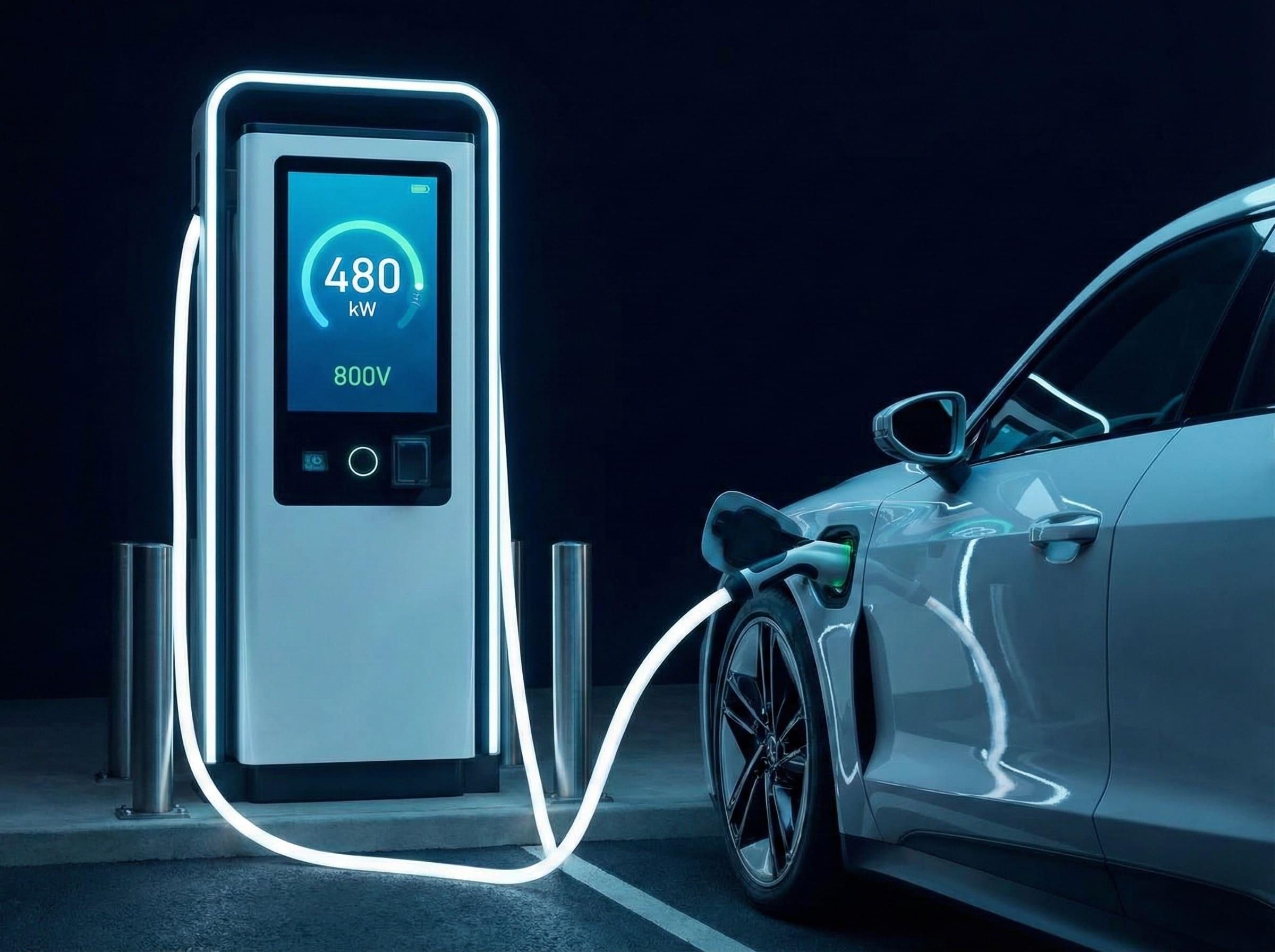
For years, the industry's answer to "range anxiety" was simple: add more battery. This led to bigger, heavier, and more expensive cars. But from my perspective as a battery developer, that's a brute-force solution. The more elegant solution is to attack the other side of the equation: charging time. If charging is no longer a long wait, you don't need to carry so much energy with you all the time. The rise of 4C and 6C charging technology is set to completely change how we think about battery size.
The Psychology vs. The Reality of Range
A 4C rating means the battery can be fully charged in one-quarter of an hour (15 minutes). A 6C rating means 10 minutes. When charging is that fast, the whole concept of range anxiety changes. The problem isn't just about how far you can go on a single charge; it's about the inconvenience of a long delay on a journey. If a 10-minute stop can add 250 miles of range, a road trip in an EV starts to feel a lot like one in a gasoline car. You drive for a few hours, take a short break, and you're back on the road. This convenience makes a giant 600-mile battery unnecessary for 99% of trips.
A Balanced Future: Right-Sizing the Battery
The future isn't about choosing between a big battery or fast charging. It's about finding the optimal balance. A smaller, lighter battery makes a car more efficient, more agile, and cheaper to build.
Here's how it could work on a hypothetical 500-mile trip:
| Scenario | Battery Size | Charging Speed | Total Trip Time (approx.) |
|---|---|---|---|
| Big Battery | 500-mile range | Standard 1C | 8 hours driving |
| Fast Charging | 300-mile range | Fast 6C | 8 hours driving + 10 min charge |
As you can see, the total time is nearly identical. But the fast-charging car is lighter, more efficient, and uses fewer precious resources. This requires huge investment in both battery technology that can handle the high speeds and a grid infrastructure that can deliver the power. But the payoff is enormous: a more sustainable and practical EV ecosystem. This "right-sizing" philosophy is exactly what we do for our clients' custom devices, ensuring they have just enough power, delivered effectively, without any wasted weight or cost.
Conclusion
The next five years will redefine our relationship with batteries. We are moving away from the "bigger is better" mindset. The focus is shifting to smarter, lighter, and more efficient power. This will make our devices and vehicles better and more sustainable for the future.