Worried about your expensive batteries being confiscated at the airport? The stress of losing valuable items and facing fines is real. Understanding the rules can save you from trouble and loss.
Breaking airport lithium battery rules can lead to confiscation, fines, and travel delays. Security may seize non-compliant batteries (oversized, unmarked, or improperly packed). In serious cases, especially with undeclared batteries in checked luggage, you could face hefty fines and legal action.
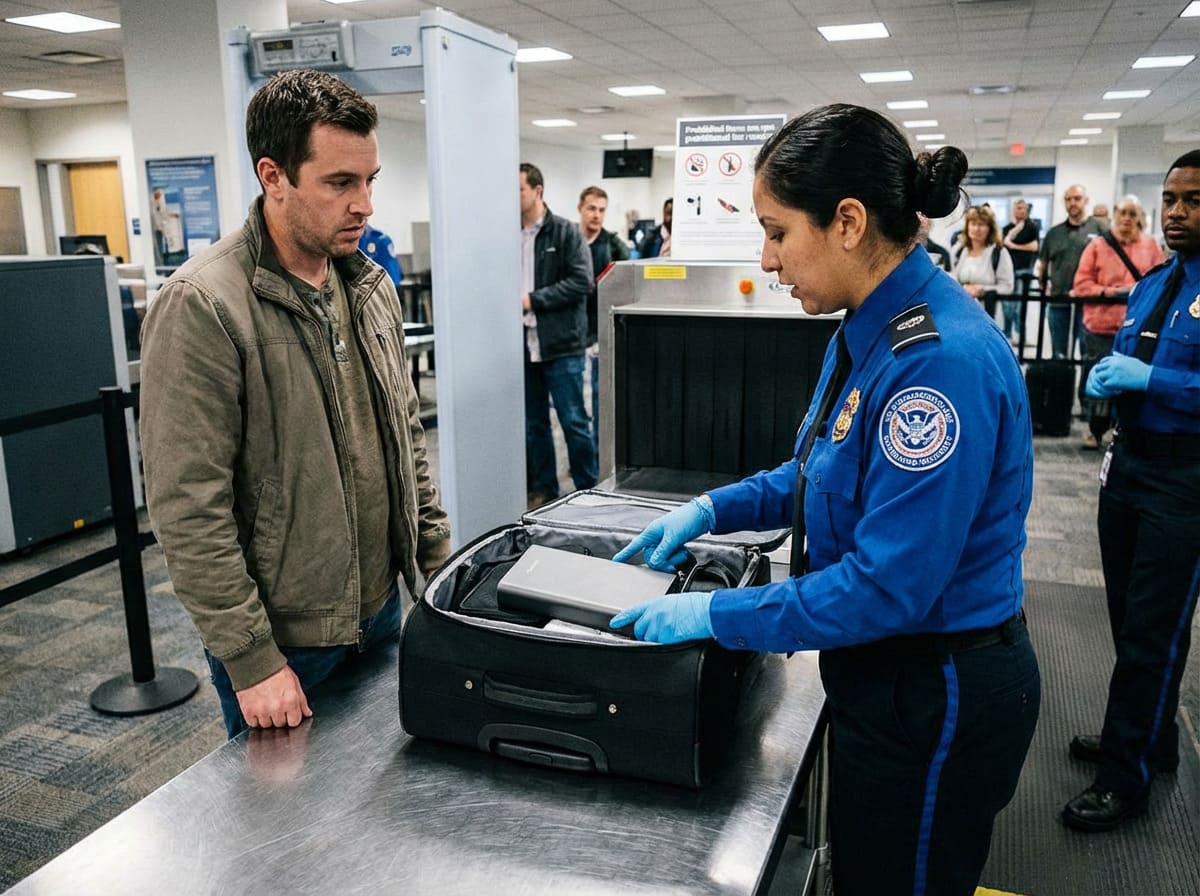
It's one thing to know the general rules, but it’s the specific, real-world situations that often cause the most confusion and stress for travelers. I’ve heard countless stories from my clients in the medical device and wearables industries who travel with sensitive, high-value prototypes. They worry about what happens if a simple mistake leads to a big problem. Let's break down some of the most common questions I get, so you can be fully prepared for your next business trip.
Can I get my expensive confiscated battery mailed back or have a friend pick it up?
Security just took your high-value battery, and you're wondering if it's gone forever. Getting it back seems complicated, but you might have options available to you.
It often depends on the airport's specific policy. Many airports offer options like mailing the item to an address at your expense or holding it for a short period for someone to collect. However, oversized or dangerous batteries might be designated for disposal with no return option.
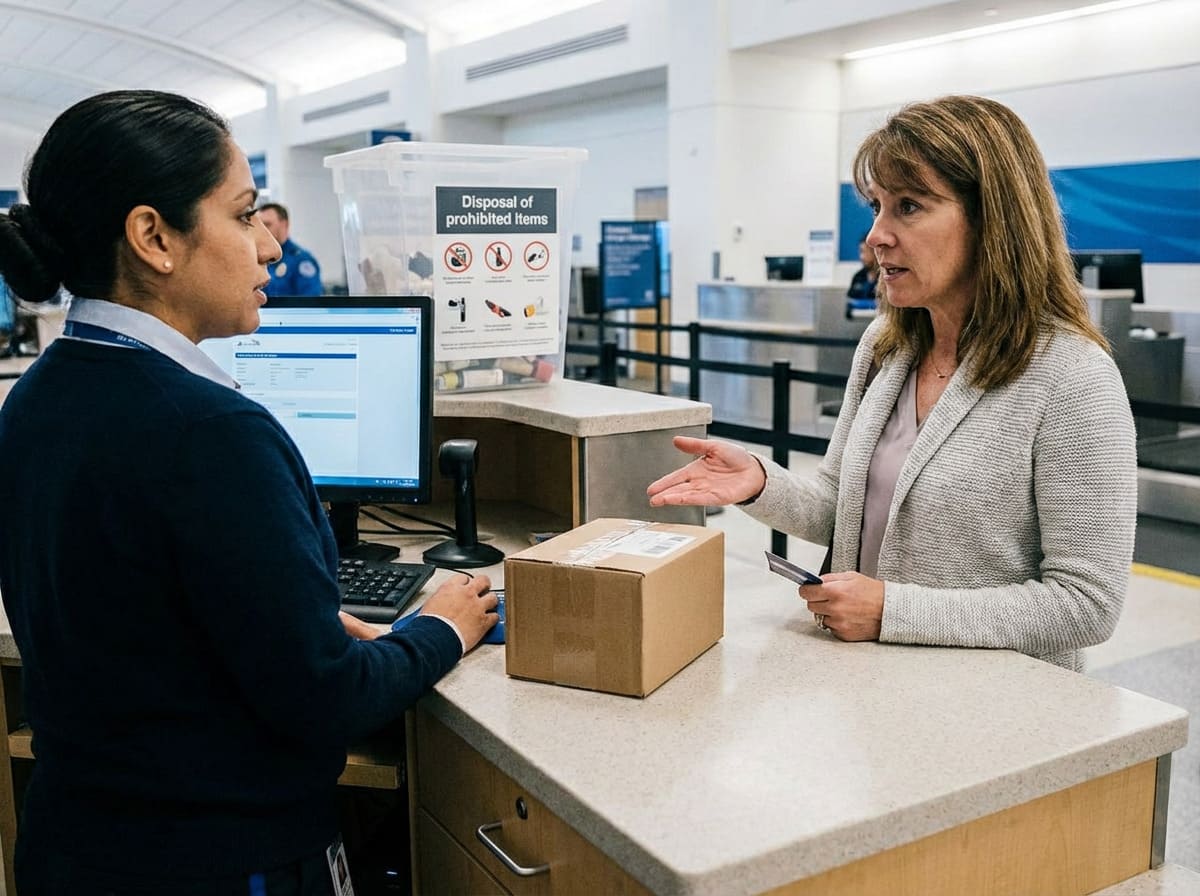
When a security officer flags your battery, your first instinct might be panic, especially if it's a critical component for a business presentation or a custom-made prototype. The key is to stay calm and immediately ask about your options. In my experience, the outcome often depends on the reason for confiscation and the airport's infrastructure.
I once had a client, a medical device developer, who was traveling with a custom LiFePO4 battery pack for a new prototype. The battery was just over the Watt-hour limit, and he was stopped. He almost lost a component worth thousands of dollars. Luckily, he was at a major international airport that had a mail-back service1 counter right after security. It caused him a delay and some extra cost, but he didn't lose the battery. This isn't always the case. Smaller, regional airports may not have these services. They might only offer you the choice to surrender the item. It is very important to understand the different possibilities you might face.
Here’s a breakdown of the typical options:
| Option | Description | Likelihood of Success |
|---|---|---|
| Mail-Back Service | You pay a fee on the spot to have a third-party service ship the item to your home or office. | High for standard items at major airports. Less likely for unmarked or potentially hazardous items. |
| Airport Storage | The item is held at a designated area (like a 'lost and found') for a limited time, usually 24-72 hours, for someone to pick up on your behalf. | Medium. This requires you to have a friend or colleague nearby who can get to the airport in time. |
| Hand-off to a Friend | If you are still landside (before passing through security), you can give the item to a non-traveling companion. | High, but only an option if you haven't already crossed the security checkpoint. |
| Voluntary Abandonment | You surrender the item to security for disposal. This is the most common and often the only option for non-compliant items. | N/A. This is the last resort when no other options are available. |
Your best chance of recovery is to ask the security officer clearly and politely, "What are my options for this item?"
I just forgot to take it out, will I really be fined thousands of dollars?
An honest mistake could lead to a huge fine. You're panicking, thinking this small oversight will cost you thousands. Let’s clarify when a mistake becomes a costly violation.
For a simple mistake, like leaving a power bank in your checked luggage, you'll likely just have it confiscated. Fines are usually reserved for more serious or repeated violations, like attempting to transport large, undeclared batteries, which poses a significant safety risk.
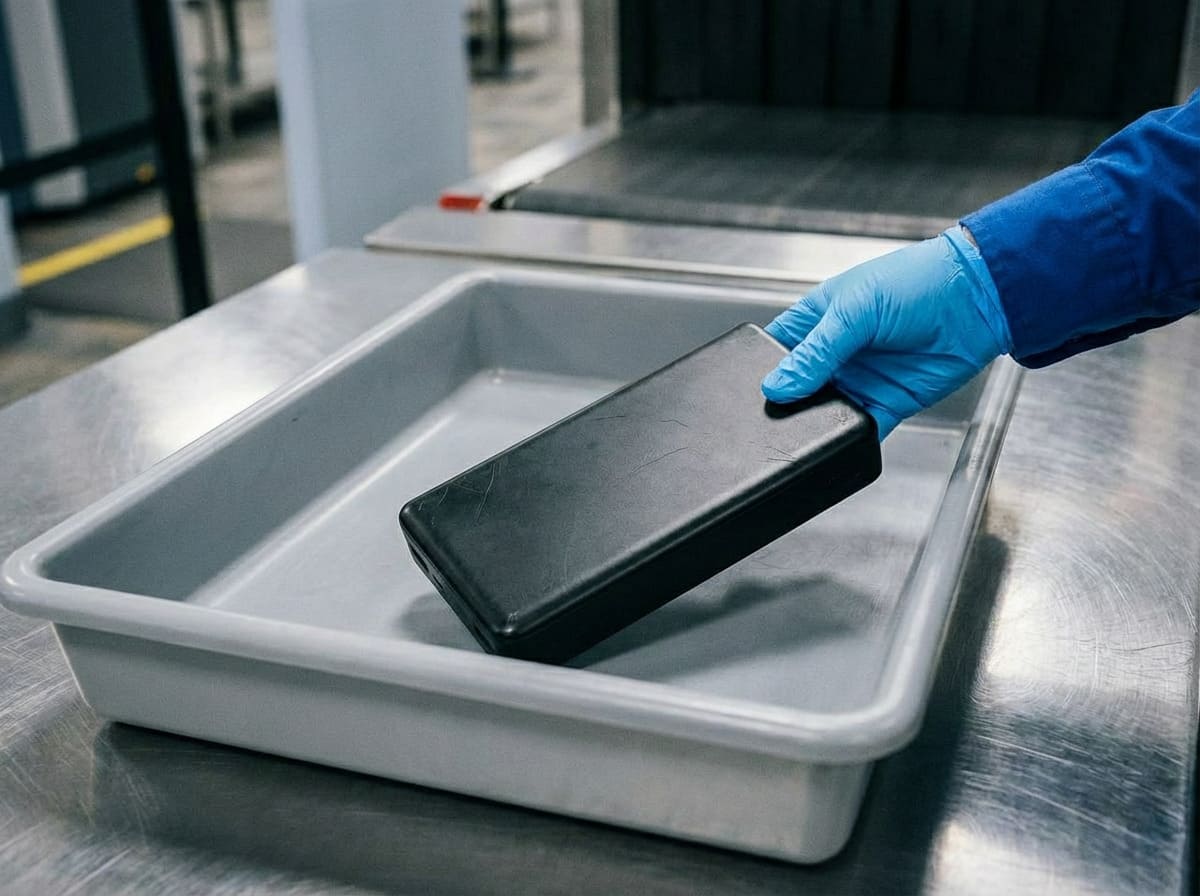
There is a big difference between simple forgetfulness and willful negligence. Transportation authorities like the FAA in the United States or EASA in Europe understand that travelers make mistakes. Their primary goal is safety, not punishment. If you accidentally leave a standard consumer power bank or a few spare 18650 cells in your checked suitcase, the most common outcome is that security will screen your bag, open it, remove the prohibited items, and leave a "Notice of Baggage Inspection" inside. You will only discover this when you arrive at your destination and find the items missing. There is typically no fine in this scenario.
However, the situation changes when the violation is more serious. Fines, which can indeed run into thousands of dollars, are reserved for actions that show a clear disregard for safety rules. For example, trying to ship a large quantity of lithium batteries without proper declaration, attempting to check in a battery well over the 160 Wh limit, or transporting damaged or recalled batteries. These actions are seen as creating a significant fire risk on the aircraft. A client from a consumer electronics brand once told me his company's entire travel policy was rewritten after an employee’s checked bag was opened and several prototype batteries were confiscated. They faced no fine, but it was a serious wake-up call about the potential consequences and the need for diligence. The authorities are focused on intent. An honest mistake is treated very differently from a deliberate attempt to bypass safety regulations.
Will this violation go on my record and affect future travel or TSA PreCheck?
A security slip-up has you worried about your travel future. Will this one mistake be on your permanent record? Let's look at the long-term consequences for frequent travelers.
A minor, first-time battery violation is very unlikely to be recorded in a way that affects your visa or trusted traveler programs like Global Entry/TSA PreCheck. However, severe violations or repeat offenses could lead to increased scrutiny on future trips or even program revocation.
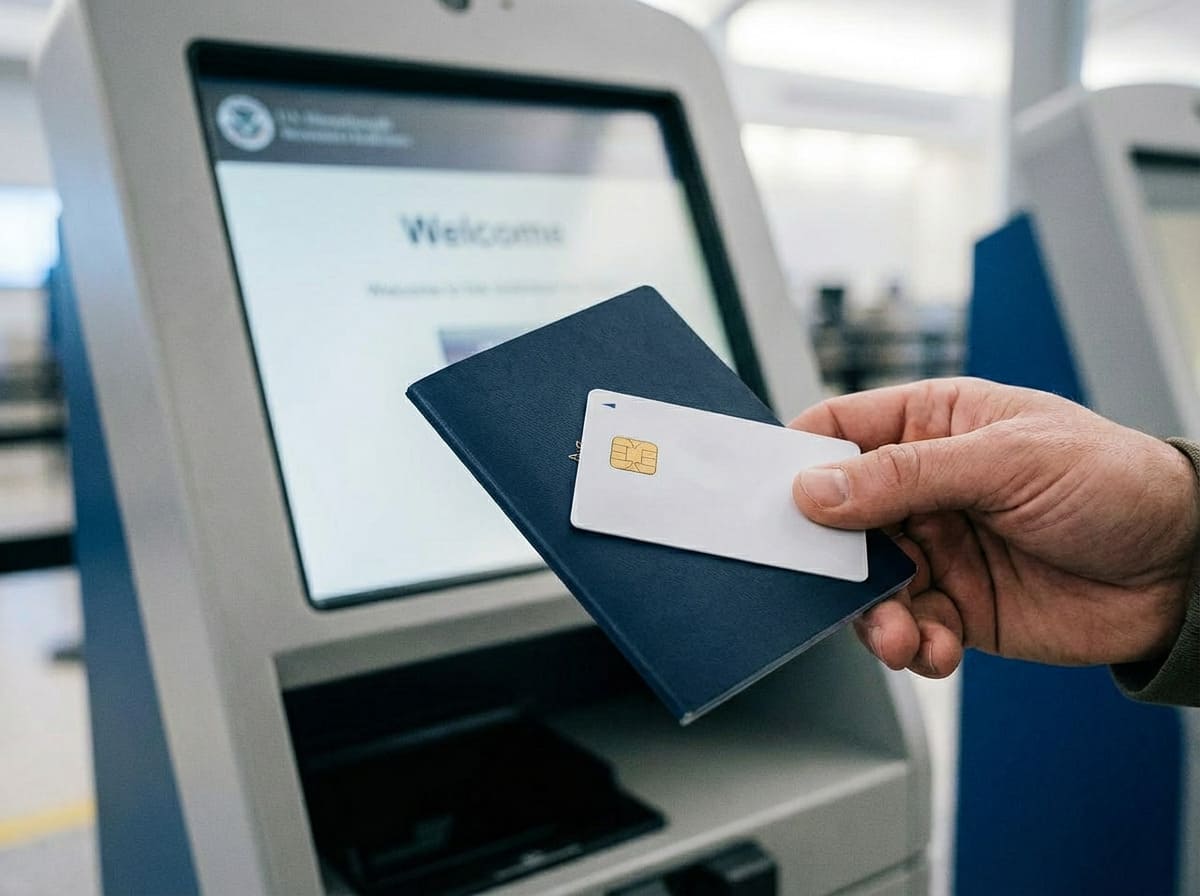
For business professionals who travel constantly, programs like TSA PreCheck2 or Global Entry are invaluable assets. The fear of losing this privilege over a simple battery mistake is understandable. The good news is that for most minor infractions, there are no long-term consequences for your travel profile. Airport security’s main job is immediate threat prevention. When they confiscate a power bank from your checked luggage, their goal is to remove the potential hazard from the aircraft. They are not typically creating a permanent black mark against your name for such a common and minor issue.
The situation becomes more serious if the violation results in a civil penalty or fine. In this case, a formal record is created by the governing body, such as the Department of Transportation. The regulations for trusted traveler programs state that any violation of transportation security regulations can be grounds for disqualification or revocation. A single, serious offense or a pattern of repeat violations could flag you as a higher-risk traveler. This might not only lead to losing your PreCheck status but could also mean you face more frequent and thorough secondary screenings on future flights. I always advise my clients, especially those in R&D who might travel with unique or powerful battery packs, to be extremely careful. Their status as a low-risk, trusted traveler is a business tool. Protecting it means being diligent about every rule, every time.
If my checked bag is opened for a battery and damaged, who pays for the suitcase?
You found your suitcase pried open and damaged by security. Now you're stuck with a broken bag. Let's find out who is responsible for the repair or replacement costs.
Generally, if security agencies like the TSA damage your bag or lock during a necessary inspection, they are not liable for the costs. Using a "TSA-approved" lock can prevent damage, as they have a master key. Compensation claims are rarely successful.
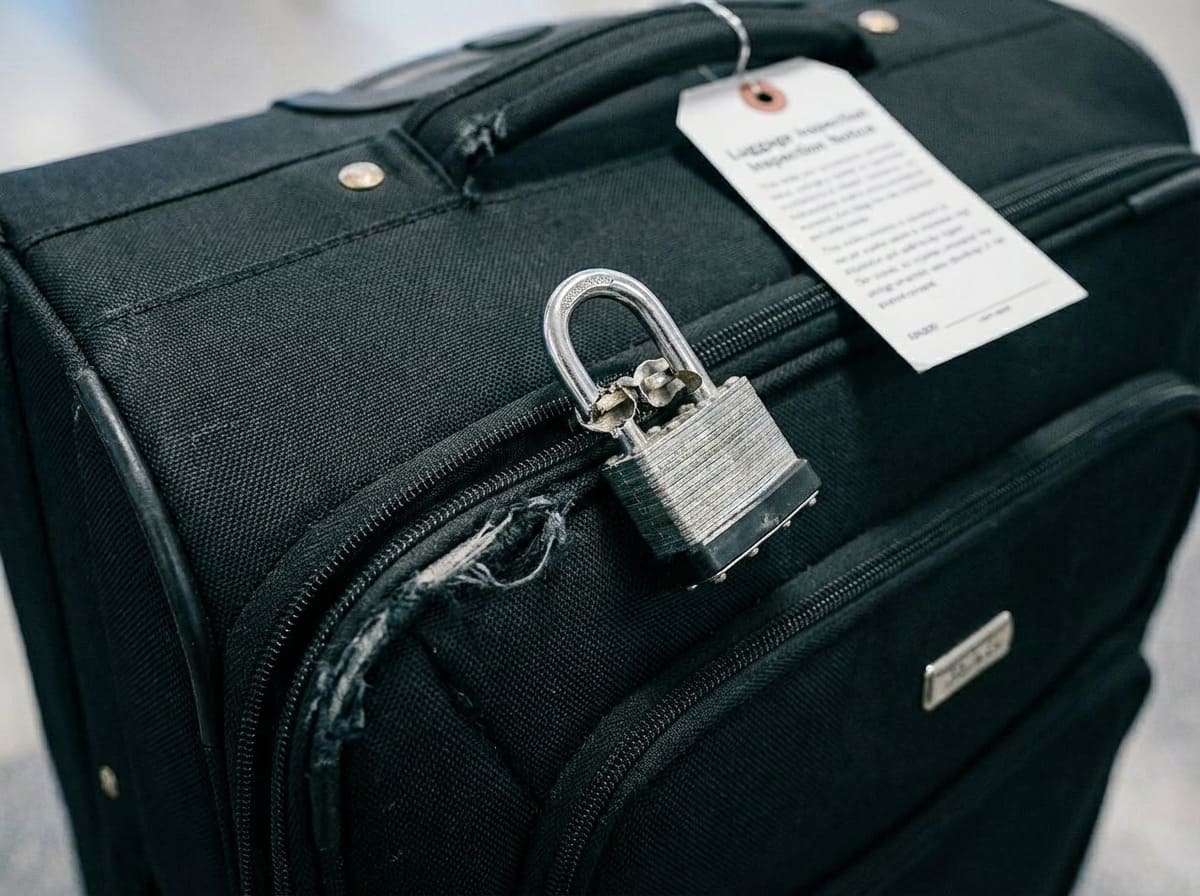
Discovering your luggage has been damaged upon arrival is frustrating, especially when it was done during a security inspection. Unfortunately, in most countries, transportation security agencies have the legal authority to open any bag they deem suspicious, using force if necessary. The notice they leave inside your bag usually includes a disclaimer stating they are not responsible for any damage caused during this essential security process. From their perspective, ensuring flight safety outweighs the cost of a broken lock or suitcase.
The single best way to avoid this is to use a TSA-approved lock (or a lock compliant with the security agency of the country you're in). These locks are designed with a special keyhole that allows security agents to use a master key to open your bag without breaking the lock or the zipper. This simple investment can save you a lot of hassle. While you can still file a claim for damages with the TSA or the relevant authority, the process is often long and rarely results in compensation, especially if you did not use an approved lock. They will argue that the damage could have been prevented. I always tell my team to think about the true cost. It’s not just about the price of a new suitcase; it's about the disruption. Arriving in a foreign country for a critical business meeting with a broken suitcase is a distraction and a problem you simply don’t need. A small investment in the right lock is a smart business decision.
Conclusion
Ultimately, prevention is the best strategy. Always check the specific battery regulations for your airline and destination countries before you pack. A few minutes of preparation can save you from confiscation, fines, and serious travel headaches, ensuring your business trip goes smoothly and successfully.