Struggling with short e-bike range1 and safety concerns? A poor battery choice can ruin your ride and pose a serious fire risk. Let’s find the right high-capacity battery for you.
For most e-bike riders, Lithium Iron Phosphate (LiFePO4)2 batteries are the best choice. They offer excellent safety, a very long lifespan, and great value. If you need maximum range or ride in extreme cold, Ternary Lithium (NCM)3 batteries are a good option, but require careful handling.
Choosing a battery is more than just picking the biggest number. It's about matching the technology to how you ride, where you live, and how much you value safety and longevity. As a battery manufacturer, I've worked with countless clients to find the perfect power solution, and it always starts with asking the right questions. So, let's dive into the details and break down exactly what you need to look for to upgrade your e-bike with confidence.
What factors like voltage, Watt-hours, and Amp-hours should I consider to choose the best battery for my e-bike?
Confused by battery specs like Volts (V), Amp-hours (Ah), and Watt-hours (Wh)? Picking the wrong ones means your battery might not fit, work, or give you the range you need.
Focus on Watt-hours (Wh) for total energy, which determines range. Voltage (V) must match your e-bike's motor. Amp-hours (Ah) measures capacity. A higher Ah or Wh means a longer ride. For high capacity, look for at least 48V and 20Ah.
When you're looking at battery specifications, it's easy to get lost in the numbers. But understanding three key terms will make your decision much clearer. Think of it like this: Voltage is the "power," Amp-hours is the "fuel tank size," and Watt-hours is the "total driving distance."
Breaking Down the Specs
- Voltage (V): This measures the electrical pressure. Your e-bike's motor and controller are designed for a specific voltage, usually 36V, 48V, or 60V. You must match the battery voltage to your bike's system. Using the wrong voltage can damage your bike's electronics. Most high-capacity e-bikes today use 48V or 60V systems for better efficiency.
- Amp-hours (Ah): This tells you the battery's capacity, or how much charge it can hold. A higher Ah number means the battery can deliver a certain amount of current for a longer time. For example, a 20Ah battery can deliver 1 amp of current for 20 hours.
- Watt-hours (Wh): This is the most important number for estimating your range. It represents the total amount of energy stored in the battery. You can calculate it easily: Voltage (V) × Amp-hours (Ah) = Watt-hours (Wh). So, a 48V 25Ah battery has 1200Wh of energy.
| Specification | What It Means | Why It Matters for E-Bikes |
|---|---|---|
| Voltage (V) | Electrical Power/Pressure | Must match your e-bike's motor and controller (e.g., 48V). |
| Amp-hours (Ah) | Fuel Tank Size / Capacity | A higher Ah gives you more ride time at a given power level. |
| Watt-hours (Wh) | Total Energy / Range | The best single indicator of how far you can go on one charge. |
For a true "high-capacity" experience, I recommend a battery with at least 20Ah. And when it comes to the cells inside, 21700 cylindrical cells4 are an excellent choice. They offer a great balance of energy density and stability, which is why we often use them in our custom packs.
How much range do high-capacity batteries typically offer, and what real-world factors affect it?
Promised a long range but your battery dies halfway? Advertised distances are often optimistic. Let’s look at what truly impacts how far you can actually ride on a single charge.
A high-capacity 48V 25Ah battery (1200Wh) can offer up to 80-100 km. But, your actual range is heavily affected by your weight, terrain (hills), riding mode (pedal-assist vs. throttle), tire pressure, and wind. Expect a 20-40% reduction from ideal conditions.

A battery's Watt-hour (Wh) rating is your starting point for estimating range, but it's not the whole story. The "up to" range advertised by manufacturers is based on perfect lab conditions: a lightweight rider on a flat, smooth road with no wind and minimal assistance. In my experience, real-world range is almost always lower. A simple way to get a more realistic estimate is to think about your e-bike's energy consumption, which is often measured in Wh per kilometer. A typical e-bike might use 10-20 Wh/km. So, a 1200Wh battery would give you roughly 60-120 km.
Factors That Reduce Your Range
Several factors can drain your battery faster than you expect. It's crucial to consider them when planning your rides.
- Terrain: Riding up hills requires a lot more power from the motor than riding on flat ground. A route with steep inclines will significantly reduce your total range.
- Rider and Cargo Weight: The heavier the load, the harder the motor has to work. A 100 kg rider will get less range than a 70 kg rider with the same battery.
- Riding Mode: Using the throttle-only or a high level of pedal assist consumes much more energy than a low-assist mode. The more you pedal, the farther you'll go.
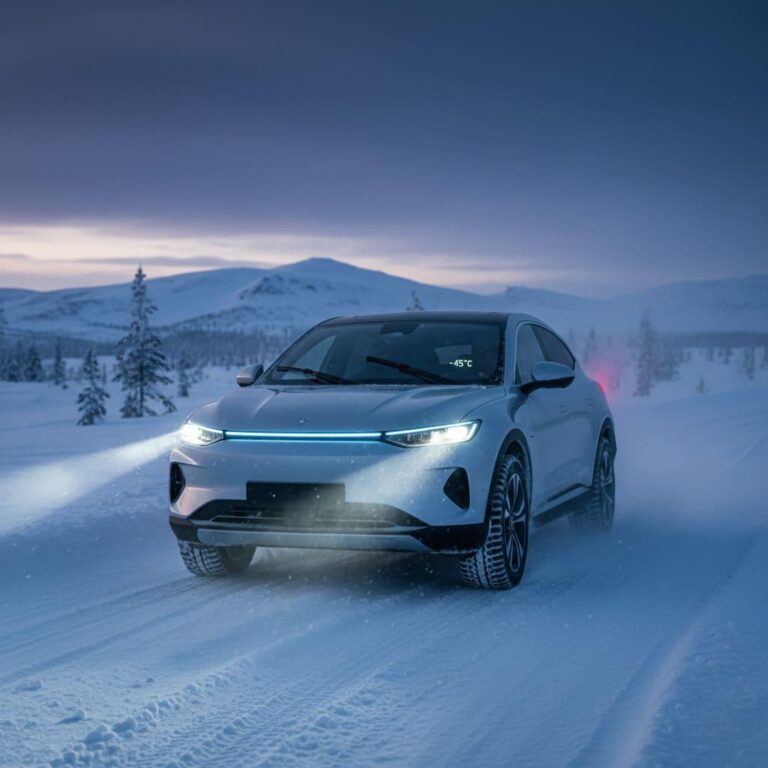
- Temperature: Lithium batteries perform best in mild weather. In cold temperatures (below 0°C), a battery's effective capacity can drop by 20% or more. Ternary (NCM) batteries handle cold better than LiFePO4, but both are affected.
- Tire Pressure: Under-inflated tires create more rolling resistance, forcing the motor to work harder and use more energy.
- Wind: Riding into a strong headwind is like riding uphill. It increases drag and drains your battery faster.
Besides capacity, what safety features and certifications should I look for to avoid fire risks?
Worried about e-bike battery fires? A cheap, uncertified battery is a huge risk to your home and safety. Let's discuss the essential safety features you must never overlook.
Always choose batteries with a high-quality Battery Management System (BMS)5 for protection against overcharging and short circuits. Look for key certifications like UN38.3 (for transport safety) and IEC 62133. These ensure the battery has passed rigorous safety tests.
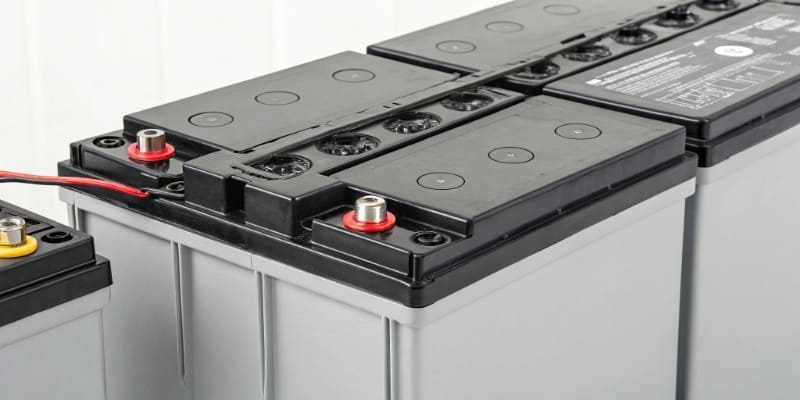
In the battery industry, safety is not a feature; it's a requirement. The recent news stories about battery fires are often linked to low-quality, uncertified products. When choosing a high-capacity battery, prioritizing safety is just as important as prioritizing range.
The Role of the Battery Management System (BMS)
The BMS is the battery's brain. It's an electronic circuit board inside the battery pack that monitors and manages all of its critical functions. A good BMS is your first line of defense against common causes of battery failure. It protects against:
- Over-charging: Stopping the charge when the cells reach their maximum voltage.
- Over-discharging: Shutting down the battery before the cell voltage drops too low, which can cause permanent damage.
- Over-current and Short Circuits: Cutting off power if it detects a dangerous surge of electricity.
- High Temperatures: Monitoring cell temperature and shutting down the battery if it gets too hot.
- Cell Balancing: Ensuring all the individual cells in the pack are at a similar voltage, which extends the battery's overall life.
Key Safety Certifications
Certifications from independent testing bodies are proof that a battery has met strict safety standards. At Litop, we ensure our products can meet these standards because we know how important they are.
- UN38.3: This is a mandatory international standard for safely transporting lithium batteries. It involves rigorous tests for shock, vibration, and short circuits. If a battery doesn't have it, you can't legally ship it.
- IEC 62133: This is a global safety standard for rechargeable lithium-ion cells and batteries. It covers a wide range of potential hazards to ensure the battery is safe for end-users.
- UL/CE: These are common certifications for products sold in the US and Europe, respectively, indicating they meet regional safety and environmental standards.
Finally, think about battery chemistry. LiFePO4 batteries are known for their exceptional thermal stability, making them far less likely to catch fire than Ternary (NCM) batteries. For customers who prioritize safety above all else, I always recommend LiFePO4.
How should I maintain and charge a high-capacity e-bike battery to maximize its lifespan (cycle count)?
Is your expensive new battery losing its charge faster than it should? Poor charging habits can destroy its lifespan, forcing you to buy a new one much sooner. Let's fix that.
To maximize lifespan, avoid extreme temperatures and never leave the battery fully empty. Charge it to 80-90% for daily use, saving a 100% charge for long trips. For long-term storage, keep it at a 40-60% charge level in a cool, dry place.
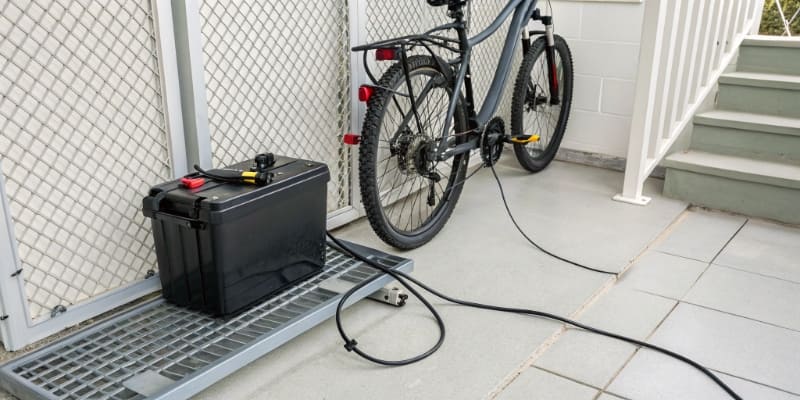
A high-capacity battery is a significant investment, and proper care can double its useful life. A battery's lifespan is measured in "charge cycles," which is the number of times it can be fully charged and discharged before its capacity drops significantly. A quality LiFePO4 battery can last over 5000 cycles, while a Ternary battery might last around 2000 cycles. But reaching those numbers depends heavily on how you treat it.
Best Practices for Charging and Maintenance
Following a few simple rules can make a huge difference in your battery's health and longevity. I always share these tips with my clients to help them get the most value from their purchase.
| Do | Don't |
|---|---|
| Use the original charger. | Use a damaged charger or cable. |
| Charge in a cool, ventilated area. | Charge the battery right after a long ride (let it cool first). |
| Store the battery at 40-60% charge if not using it for weeks. | Leave the battery fully charged or fully empty for long periods. |
| Charge to 80-90% for regular use. | Leave it plugged in for days after it's fully charged. |
| Keep the battery clean and dry. | Expose it to extreme heat (like in a car) or freezing cold. |
Maintenance Differences: LiFePO4 vs. Ternary (NCM)
The two main chemistries also have different care needs.
- LiFePO4 (LFP): These batteries are very robust. They are less sensitive to being kept at a full charge. In fact, I recommend charging them to 100% every few weeks to help the BMS calibrate and provide an accurate range estimate. They have very low self-discharge, so they hold their charge well in storage.
- Ternary (NCM): These batteries are more sensitive. Storing them at 100% charge for extended periods will accelerate their capacity loss. It's much better to follow the 80% rule for daily charging and store them at a lower state of charge.
By adopting these habits, you can ensure your battery delivers reliable performance for years to come.
Conclusion
Choosing the right e-bike battery means balancing range, safety, and your budget. For most users, a LiFePO4 battery is the safest, longest-lasting choice. If you face extreme cold or need absolute maximum capacity, a quality Ternary battery is a good alternative. Always prioritize certified products.
Explore the various factors that influence your e-bike's range for better planning. ↩
Explore the advantages of LiFePO4 batteries, known for their safety and longevity, ideal for e-bike riders. ↩
Learn about Ternary Lithium batteries, their benefits, and why they are suitable for extreme conditions. ↩
Discover why 21700 cells are preferred for high-capacity batteries due to their energy density. ↩
Learn how a BMS protects your battery from common failures and enhances safety. ↩