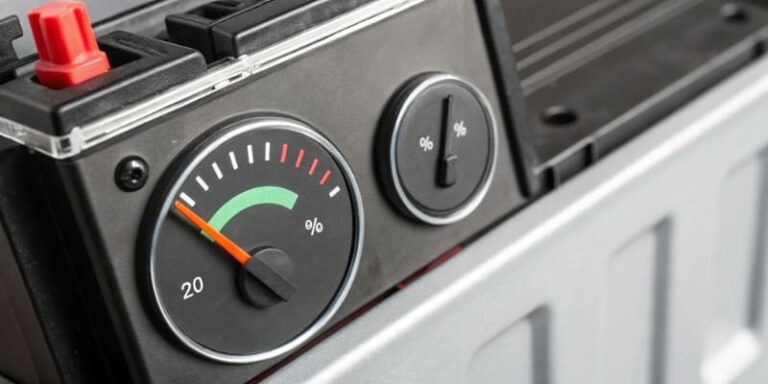
Worried about water ruining your expensive battery packs? A small leak can cause a catastrophic failure, leading to costly replacements and serious safety risks.
A BMS water detection system is a safety feature that uses sensors to identify moisture inside a battery pack. It immediately cuts off power to prevent short circuits, arcing, and thermal runaway, protecting both the battery and the device it powers.
This sounds like a simple, effective solution. But as with any technology, the details matter. How does it work? What are its limitations? And is it right for your product? As a battery manufacturer, these are questions I discuss with my clients every single day. One of my customers, Michael, who owns a medical device company in the U.S., is always focused on reliability. For his products, failure is not an option. He needs to understand every aspect of the battery's safety system. Let's explore the common questions he and many others ask.
Can this BMS detection system distinguish between external water ingress and internal coolant leakage?
You know there's a leak, but where is it from? Misdiagnosing the source as external water when it's internal coolant could lead to the wrong fix and bigger problems down the line.
Yes, an advanced BMS detection system can distinguish between external water and internal coolant. By using a smart layout of sensors, the system can pinpoint the leak's origin, allowing for a much more accurate diagnosis and response.

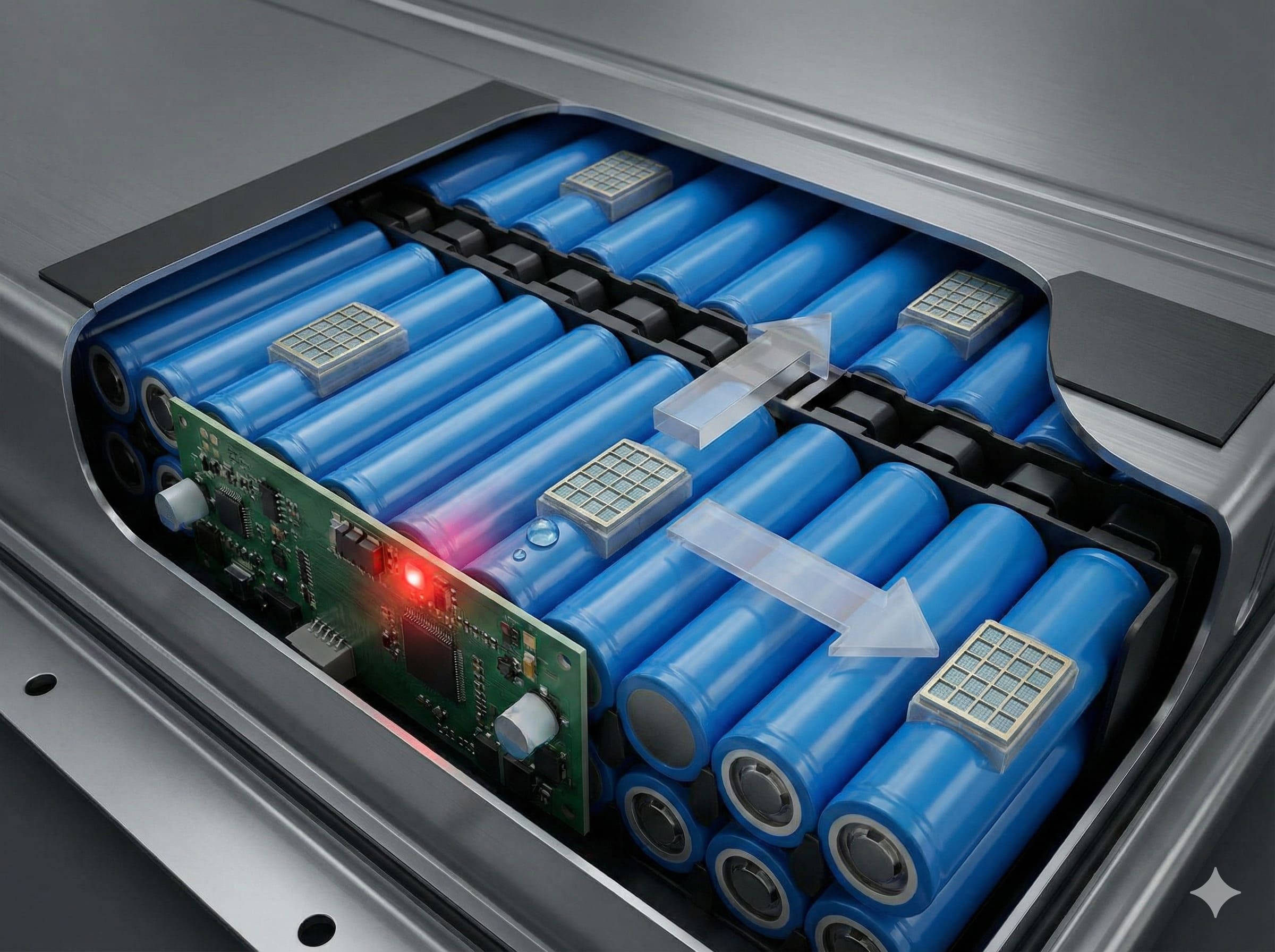
The key to this capability isn't magic; it's just smart engineering. In my experience at Litop, we achieve this by being very strategic about where we place the sensors inside the battery pack. It’s not about having one single sensor; it’s about creating a network.
Sensor Placement and Logic
We design the sensor layout based on the battery pack's construction. For example, we will place one set of sensors along the main housing seal or near potential entry points like connectors and vents. If these sensors are triggered, the system flags an "External Water Ingress" alert. In contrast, for liquid-cooled batteries, we place another set of sensors directly on or near the coolant lines and cooling plates. If one of those sensors detects moisture, the BMS knows it's an internal coolant leak. This specific information is critical for the repair technician.
Advanced Detection Strategies
For high-value applications like the medical devices Michael builds, we can go even further. Some sensors can detect the chemical properties of the liquid, like the glycol present in most coolants. This provides an additional layer of confirmation. The logic programmed into the BMS then interprets these signals to provide a clear picture of the situation.
Here’s a simple table I often use to explain this to clients:
| Leak Source | Typical Sensor Location Triggered | System Response / Indication |
|---|---|---|
| Rain / External Splash | Along the main housing seal | "External Water Ingress" alert |
| Submersion | Multiple external sensors triggered at once | "Submersion Event" critical alert |
| Internal Coolant Leak | Near coolant pipes or cooling plate | "Internal Coolant Leak" alert; may trigger a different safety protocol |
| Condensation | Specific "cold spot" sensors, often correlated with temperature data | "High Humidity" flag; may not trigger immediate shutdown |
This level of detail means you aren't just guessing. You can take precise, correct action, which saves time, money, and protects the integrity of the device.
If the BMS detects moisture and cuts off power, can the battery be repaired or must it be replaced?
Your device is dead, and the BMS detected water. The big question is, does this mean a total loss? The thought of replacing an entire expensive battery pack is a daunting one.
It really depends on how quickly the BMS acted and the extent of the water exposure. If detected early, the battery might be salvageable after a professional inspection and drying. However, for safety, significant water damage often requires a full replacement.
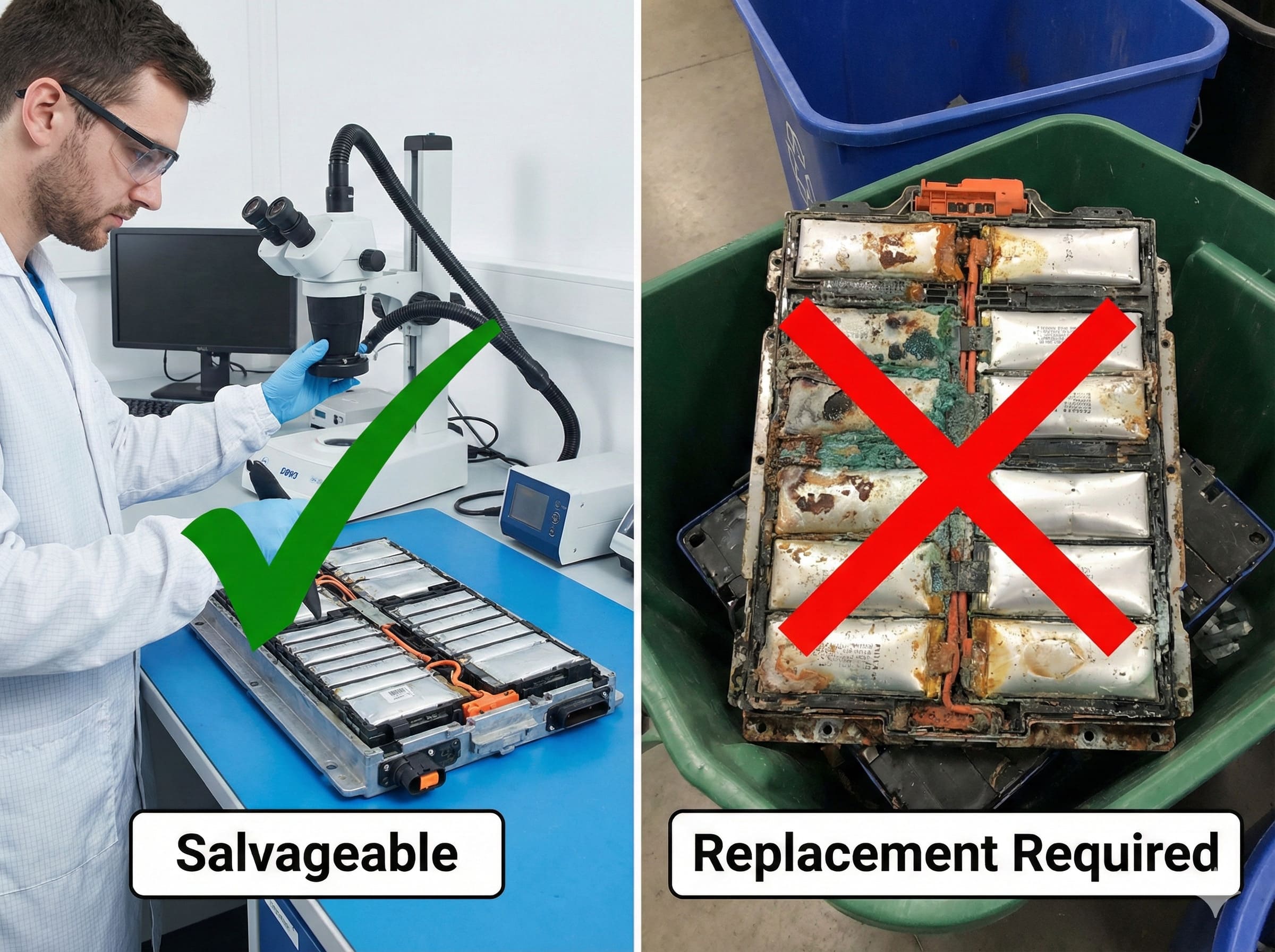
I always tell my clients to think of the water detection system as an emergency brake. Its job is to stop a small problem from becoming a catastrophe. A quick shutdown is actually a very good sign because it means the system protected the core components from severe damage. Whether the battery can be saved comes down to a careful assessment.
The Importance of Early Detection
The whole purpose of the system is to give you a chance at repair. Without it, water could cause a short circuit that leads to thermal runaway, completely destroying the battery and possibly the device. When the BMS cuts the power, it freezes the situation, preventing further damage and preserving the evidence of what happened. This is crucial for a proper diagnosis.
Assessing the Damage
A qualified technician will need to open the pack and perform a thorough inspection. They look for several key things:
- Type of liquid: Is it freshwater or saltwater? Saltwater is extremely corrosive and conductive. Any exposure to saltwater almost always means the pack must be replaced for safety reasons.
- Extent of corrosion: The technician will check the battery terminals, cell casings, and the BMS circuit board for any signs of rust or corrosion.
- Duration of exposure: Was it a small, quick splash or was the pack submerged for a period of time?
Here’s a general guide we use at Litop to advise our customers:
| Scenario | Damage Level | Likely Outcome | Rationale |
|---|---|---|---|
| Minor condensation, quickly detected | Minimal / None | Repairable | Components can be dried, cleaned, and tested. No permanent damage is likely. |
| Small freshwater leak, quick shutdown | Low | Potentially Repairable | Requires a professional to check for hidden corrosion. It's risky but possible. |
| Significant freshwater ingress | Medium to High | Replacement Recommended | Water can get trapped in unseen areas, causing delayed corrosion and future failures. |
| Any saltwater ingress | High | Replacement Necessary | The safety risks from salt corrosion are too high. It's not worth the danger. |
At the end of the day, safety is non-negotiable, especially in fields like medical devices. When there is any doubt, we always recommend replacing the pack.
In high-humidity tropical regions, how does the BMS avoid "false alarms" caused by condensation?
You operate in a humid place like Florida or Singapore. You can't have your devices shutting down all the time just because of a little condensation. That unreliability would frustrate customers and damage your brand.
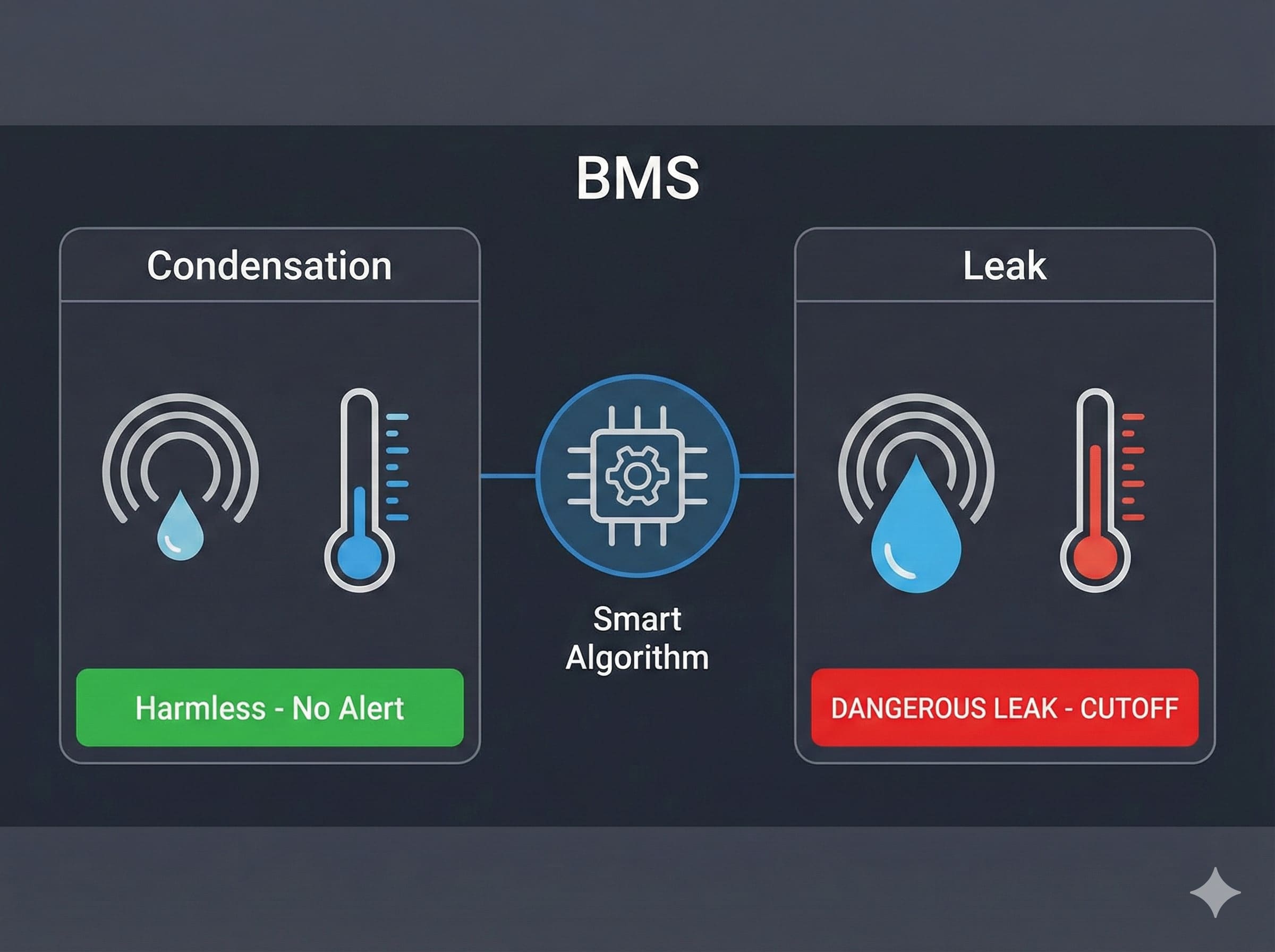
Advanced BMS systems use smart algorithms and multiple sensors to prevent false alarms. By comparing moisture readings with temperature data, the system can tell the difference between harmless condensation and a dangerous leak, ensuring reliable operation.
This is a very common and valid concern. The last thing anyone wants is a product that's too sensitive. At Litop, we address this by making the BMS "smarter." It's not just about detecting water; it's about understanding the context. We've spent years refining our BMS firmware to handle exactly these kinds of real-world conditions.
Smart Algorithms and Data Correlation
A modern BMS doesn't just see "wet" or "dry." It analyzes data from multiple sources. For instance, it constantly monitors the temperature both inside and outside the battery pack. Condensation typically forms when a cool surface meets warm, humid air—like taking a cold drink outside on a hot day. The BMS is programmed to recognize this specific thermal pattern. If it detects a small amount of moisture at the same time it sees a rapid temperature change indicative of condensation, it can flag the event as "condensation" instead of a "leak" and avoid a shutdown.
Multi-Level Thresholds
Instead of a simple on/off trigger, we implement multi-level alert strategies. This adds a layer of intelligence to the system's response.
- Level 1: High Humidity Detected. The system logs the event for future analysis but takes no action. This is just an observation.
- Level 2: Sustained Moisture. If moisture persists for a set period without evidence of a large leak, the system might send a non-critical maintenance warning.
- Level 3: Critical Water Ingress. If a large amount of water is detected suddenly, or if multiple sensors are triggered, the system initiates an immediate emergency shutdown.
This tiered approach ensures that the BMS only takes drastic action when absolutely necessary. It allows devices to function reliably in humid environments while still providing top-tier protection against actual leaks. It’s a balance of safety and practicality.
How much more expensive is it to install a BMS system with water detection compared to a regular BMS?
Adding features always sounds expensive. You might worry that including water detection will drive up your product cost and make it less competitive in the market. Is the added safety really worth it?
The extra cost for a BMS with water detection is surprisingly small, typically adding only 5-15% to the price of the BMS unit itself. Compared to the high cost of a damaged battery pack or a warranty claim, it's a minimal investment with a huge return.

This is the question that every procurement officer, including my client Michael, eventually asks. They need to justify every cent that goes into the bill of materials. I always enjoy this part of the conversation because the numbers speak for themselves. The value proposition is incredibly strong.
Breaking Down the Costs
The additional cost is not for a whole new system, but for a few small additions to the standard BMS. These include:
- The sensors themselves, which are often simple capacitive films or conductive traces.
- A slight modification to the BMS circuit board to read the sensor inputs.
- The labor to carefully place the sensors during the battery pack assembly.
When you look at the total cost of a custom battery pack, the BMS itself is just one component. Let's say the BMS is 10% of the total pack cost. A 10% increase in the BMS cost translates to only a 1% increase in the total cost of the battery pack. It’s a very small price for a powerful safety feature.
The Real Return on Investment (ROI)
The best way to look at this is not as a cost, but as an insurance policy. I often lay out a simple comparison for my clients to show them the real financial picture.
| Item | Illustrative Cost | Description |
|---|---|---|
| The Investment | ||
| BMS with Water Detection (Additional Cost) | $5 - $20 per unit | A small, one-time investment for a permanent safety feature. |
| vs. The Risks | ||
| Battery Pack Replacement | $200 - $2,000+ per unit | The full cost to replace a single water-damaged battery pack. |
| Warranty, Shipping & Handling | $50 - $100+ per incident | The operational costs associated with handling a failed product. |
| Brand Damage & Liability | Incalculable | The immense potential cost of a safety incident, product recall, or loss of customer trust. |
When you see the numbers side-by-side, the decision becomes very clear. For any high-value or mission-critical application, the small upfront cost of water detection is easily justified. It protects your investment, your customers, and your brand's reputation.
Conclusion
A BMS with water detection is a smart, low-cost safety feature that acts as an insurance policy for your battery pack. It protects against catastrophic failure, helps diagnose problems accurately, avoids false alarms, and provides an massive ROI by preventing costly replacements and protecting your brand.