Struggling to pick the right battery for your e-bike? A wrong choice can lead to poor performance and a frustrating ride. Let’s break down your best options.
For most e-bikes, 18650 batteries are the standard and often better choice. Their technology is mature, ensuring high consistency and reliability. They also offer better heat dissipation in a compact pack and fit into the majority of standard e-bike frames designed for them.
I get this question a lot, especially from enthusiasts looking to upgrade their ride or build a custom e-bike from scratch. It reminds me of a conversation I had with Michael, a client from the United States who owns a medical device company. He is very precise and was building a powerful e-bike for his commute. He was torn between the mainstream 18650s and the larger 26650s. The choice isn't always simple because it depends on your bike, your riding style, and your goals. Let's dive into the details so you can make an informed choice, just as I helped him do.
Do You Need to Replace Your Controller and Motor if You Switch from 18650 to 26650?
Worried that a battery upgrade will force a total system overhaul? A simple battery swap could lead to compatibility issues. Here’s what you need to know before you start.
Not necessarily. If your new 26650 pack has the same voltage and a continuous discharge rating that meets or exceeds your old 18650 pack, your motor and controller should work fine. The key is matching the electrical specifications, not the physical cell size.
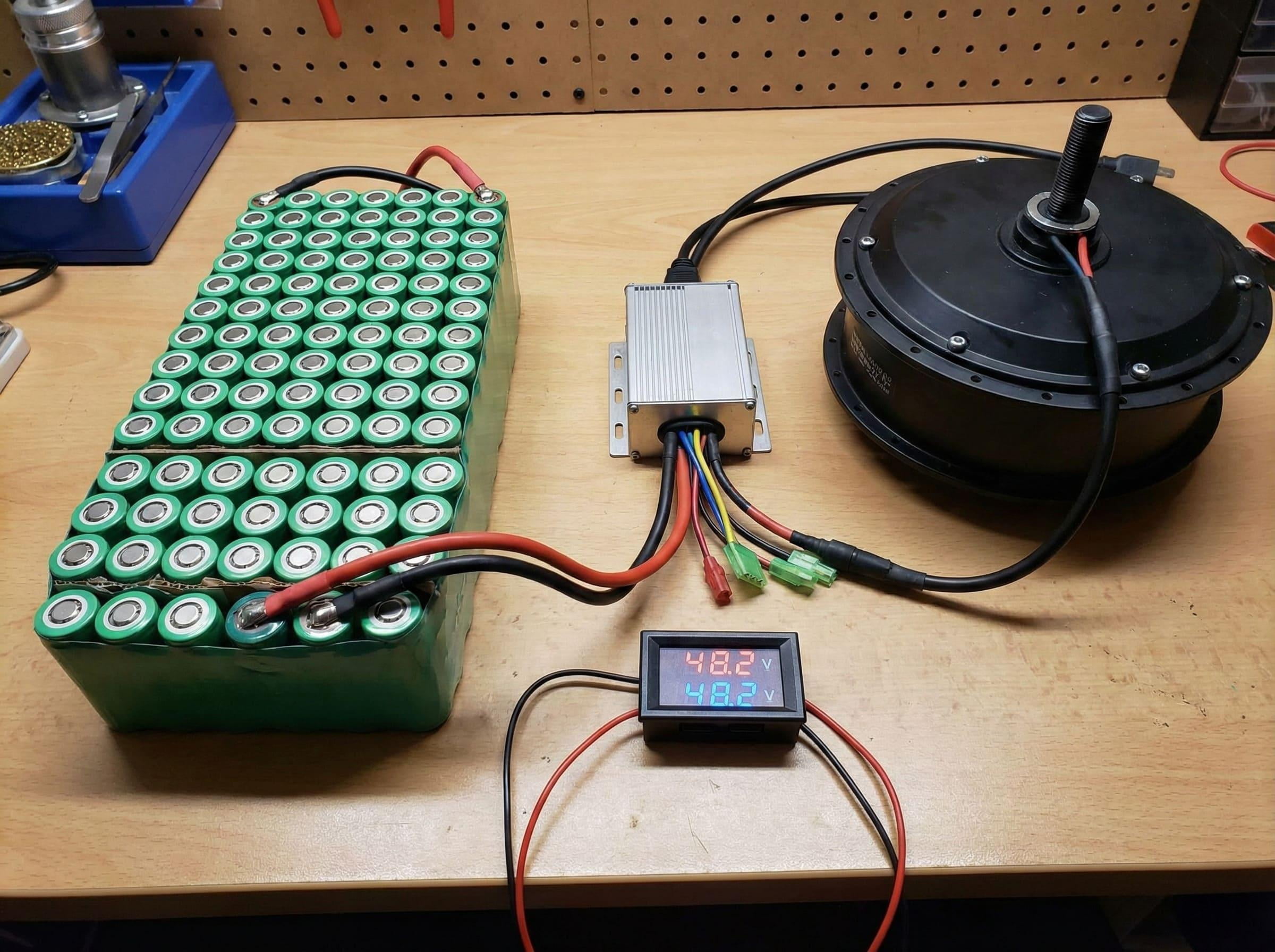
The most important factor here is voltage. Your e-bike's motor and controller are designed to run at a specific voltage, like 36V, 48V, or 52V. As long as your new battery pack delivers the same voltage, you have cleared the first and biggest hurdle. A 48V pack is a 48V pack, whether it's made from 18650 cells or 26650 cells. The number of cells in series (the "S" in 13S or 14S) determines the voltage, not the cell size.
Check Your System's Electrical Demands
The next thing to check is the current, measured in amps (A). Your motor will draw a certain amount of current, especially when accelerating or climbing hills. Your battery pack must be able to supply this current without being damaged. This is where the Battery Management System (BMS) and the cells' discharge rating (C-rate) come into play. The BMS is the brain of your battery, protecting it from over-current, over-voltage, and other faults. Your new 26650 pack's BMS must be rated for the peak current your motor demands. While individual 26650 cells have higher capacity, they often have a lower C-rate than high-performance 18650 cells. You must ensure the total pack can deliver the amps you need.
The Role of the BMS
| Parameter | Old 18650 Pack (Example) | New 26650 Pack (Scenario 1) | Compatibility |
|---|---|---|---|
| Voltage | 48V (13S) | 48V (13S) | Match: Compatible. |
| Capacity | 14Ah | 20Ah | OK: Higher capacity is fine, gives more range. |
| Max Continuous Discharge | 30A | 25A | RISK: Controller/motor may need 30A. The new pack could underperform or shut down. |
| Max Continuous Discharge | 30A | 40A | OK: Higher discharge capability is safe and provides a performance buffer. |
The bottom line is simple: match the voltage and ensure the new pack's maximum continuous discharge current is equal to or greater than your old one. If you do that, your existing motor and controller will be perfectly happy.
For Climbing Hills, Are 21700 or 26650 Batteries Better?
Need more power to conquer steep hills? Your battery choice is critical for delivering the torque and sustained output required. Let’s see which cell gives you the climbing advantage.
For climbing hills, 21700 batteries are generally the superior choice. They offer higher energy density and typically feature much better continuous discharge ratings (C-rates) than 26650s. This allows them to deliver more power efficiently, which is exactly what you need for tackling inclines.
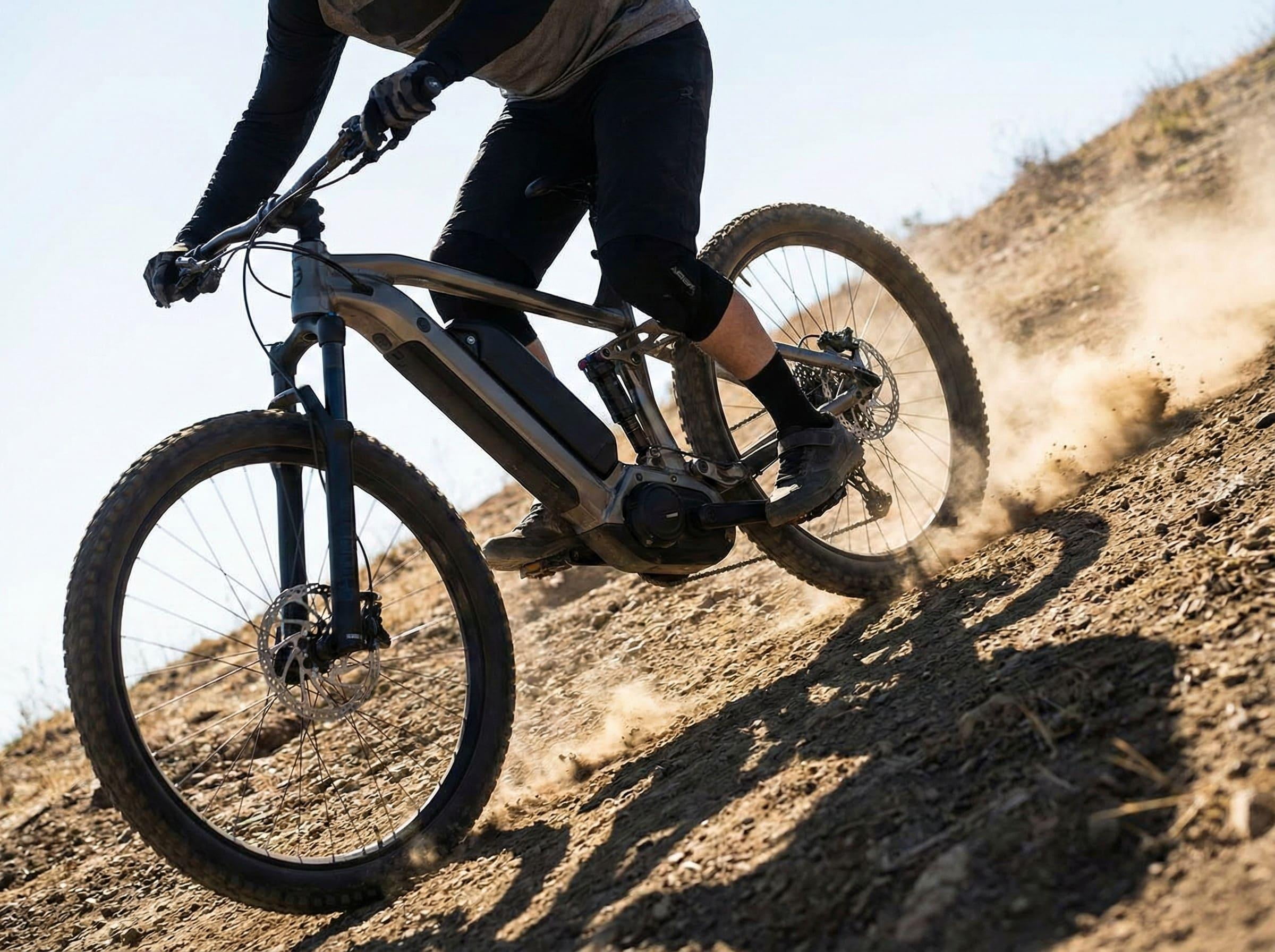
Climbing a steep hill puts a huge, continuous load on your e-bike's motor. To meet this demand, the motor draws a high amount of current from the battery for an extended period. The battery's ability to handle this without overheating or dropping voltage is crucial for performance. This is where the 21700 cell really shines compared to the 26650.
Why C-Rate and Energy Density Matter
The 21700 cell format, popularized by the electric vehicle industry, was designed from the ground up for high-power applications. Many 21700 cells are engineered to provide very high discharge rates, often in the 5C to 10C range (five to ten times their capacity in amps). In contrast, most 26650 cells are designed for energy storage, like in solar systems, and usually have low C-rates of 1C to 3C. When you're climbing, you need that high-current output, and 21700s deliver it.
Furthermore, 21700s have a higher energy density. This means they pack more power into a lighter and smaller package. For a bike, a better power-to-weight ratio always improves performance, especially when going uphill. A lighter battery pack means less work for the motor and you.
Heat is the Enemy
Another advantage is heat dissipation. A pack made of 21700 cells can be built with better spacing and airflow compared to a bulkier 26650 pack. Under the heavy load of a long climb, effective heat management is vital to prevent performance loss and protect the battery's lifespan.
| Feature | 21700 Battery | 26650 Battery | Best for Climbing? |
|---|---|---|---|
| Energy Density | Higher | Lower | 21700 (Lighter pack for the same power) |
| Typical C-Rate | High (5C-10C) | Low (1C-3C) | 21700 (Delivers more power under load) |
| Heat Dissipation | Good | Fair | 21700 (Less risk of overheating on climbs) |
| Weight | Lighter | Heavier | 21700 (Improves power-to-weight ratio) |
So, if you want your e-bike to feel like a mountain goat, a battery pack built with high-quality 21700 cells is your best bet.
For a DIY 48V Pack, Are 26650s Safer Than 18650s?
Building your own battery pack is rewarding but can feel risky. You naturally worry about safety and the potential for fires. Let's clarify which cell choice is actually safer for your project.
No, cell size does not determine safety. A battery pack's safety comes from three things: the quality of the individual cells, the quality of the build, and a high-quality BMS. A well-built 18650 pack with a proper BMS is far safer than a poorly made 26650 pack.
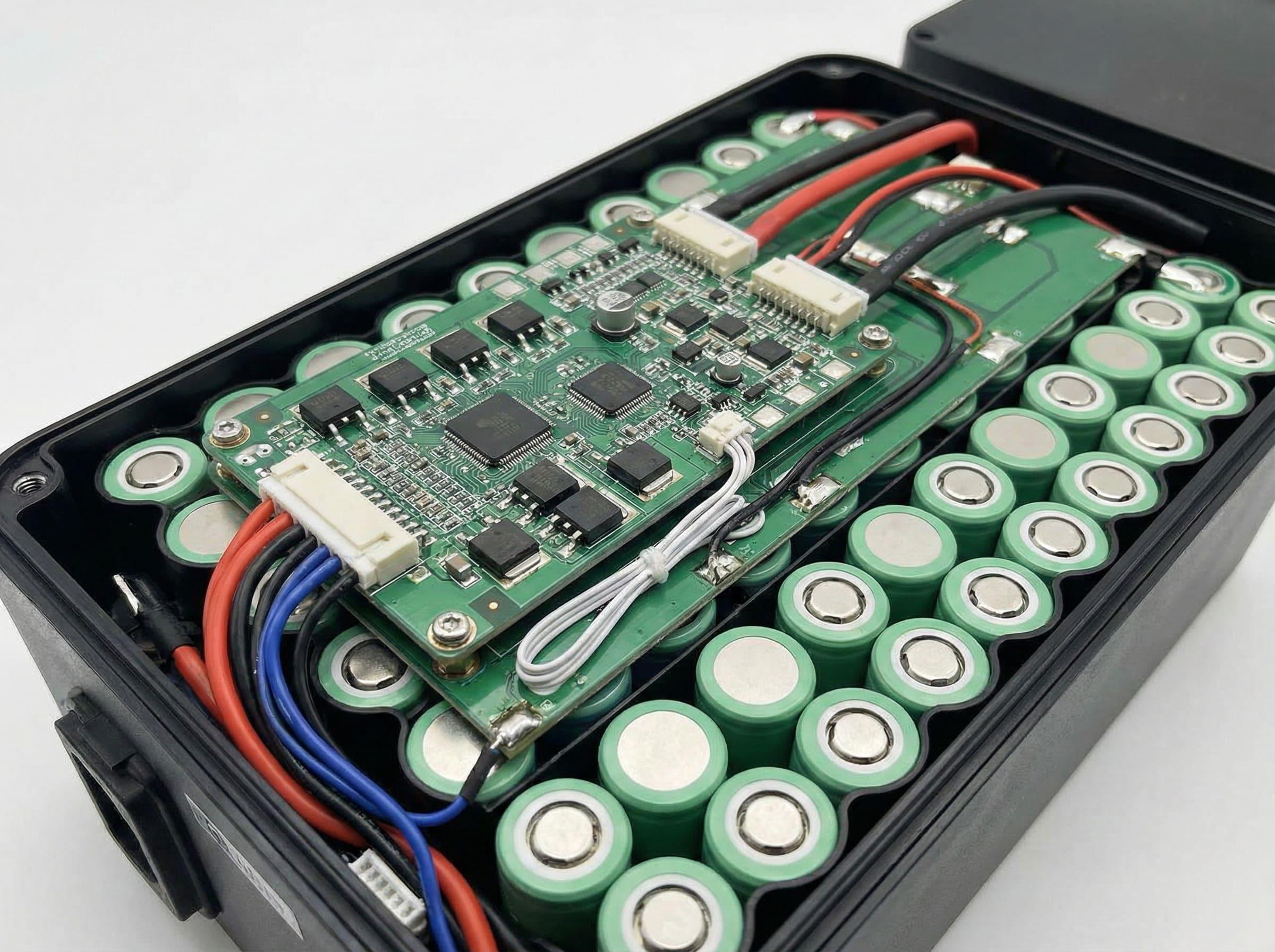
It's a common misconception that using fewer, larger cells (like 26650s) is inherently safer because there are fewer connections to fail. In reality, safety is a much more complex issue that has little to do with the physical dimensions of the cell.
Safety is Not About Size
Here are the factors that truly matter for a safe DIY battery pack:
- Cell Quality and Chemistry: This is your foundation. Always use Grade A cells from a reputable manufacturer like Litop. Cheaper, lower-grade cells are the number one cause of battery failures and fires. Also, some chemistries like LiFePO4 are more thermally stable than Li-ion (NMC), but may not be right for every e-bike due to lower voltage and energy density.
- A High-Quality BMS: The Battery Management System is your pack's non-negotiable safety brain. A good BMS will protect against over-charging, over-discharging, over-current, short circuits, and cell imbalance. Skimping on the BMS is the most dangerous mistake a DIY builder can make.
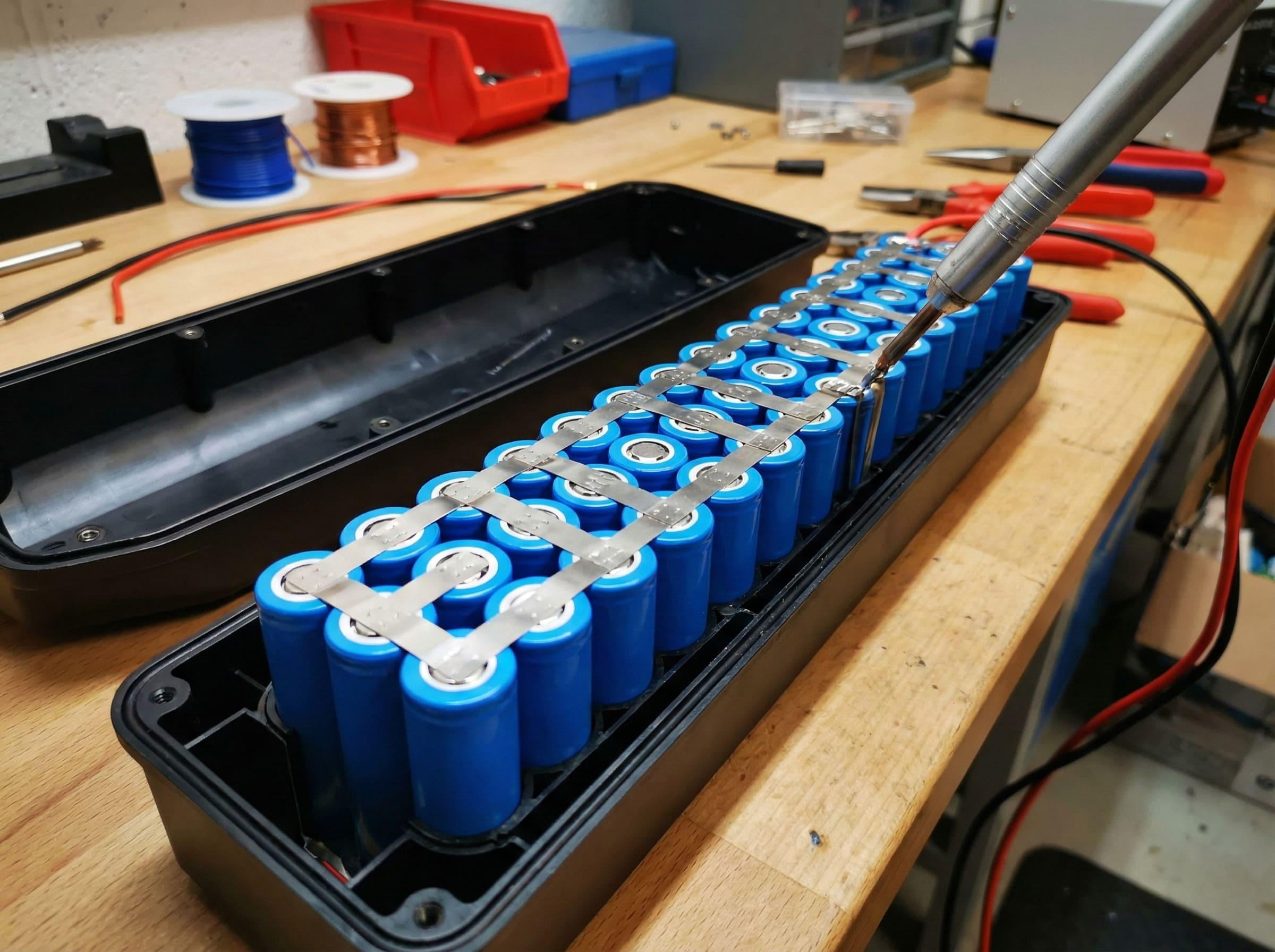
- Build Quality: How you assemble the pack is critical. This means using proper cell holders for vibration resistance and airflow, pure nickel strips of the correct thickness for the current, and clean, strong spot welds. Bad connections create high resistance, which generates heat and creates a fire risk.
The Role of Parallel Connections
Let's debunk the "fewer cells are safer" idea. Imagine you're building a 48V 20Ah pack. You could use 52 cells of 5000mAh 26650s in a 13S4P configuration (13 series, 4 parallel). Or, you could use 78 cells of ~3350mAh 18650s in a 13S6P configuration. If one cell fails in the 13S6P pack, the load is spread across the remaining 5 cells in its parallel group. In the 13S4P pack, the load is spread across only 3 remaining cells, putting them under much more stress. A pack with more cells in parallel can actually be more resilient to single-cell failures.
For your DIY project, focus your budget and attention on sourcing top-tier cells and a premium BMS. Using the mature, well-documented, and widely available 18650 format is often the most reliable and safest path.
In Winter, Which Battery Size Loses Less Range?
Does your e-bike range seem to plummet in the cold? Winter riding can be frustrating when your battery dies much earlier than expected. Let's find out which battery holds up better.
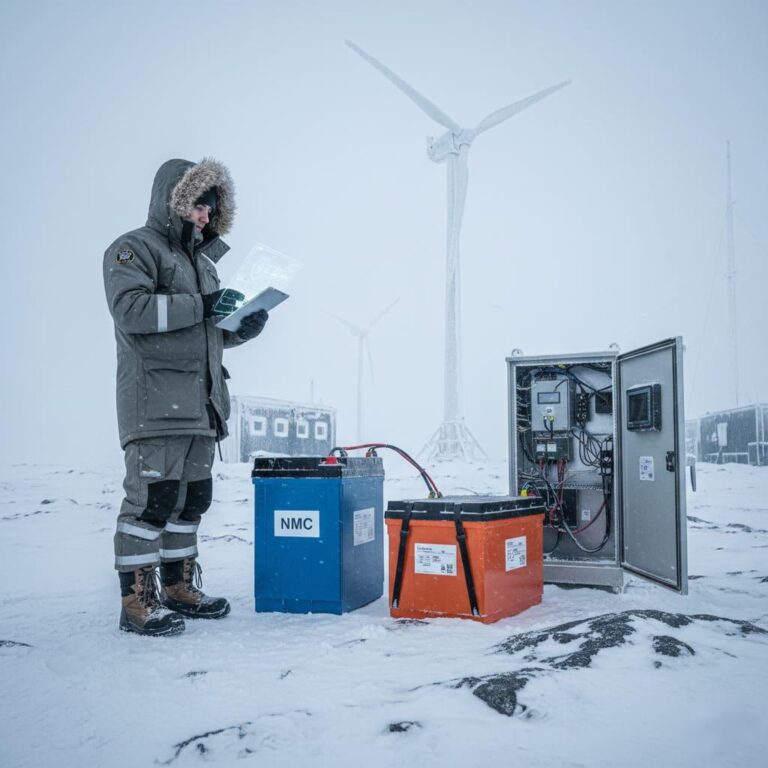
All lithium batteries lose range in the cold, and the effect is more about cell chemistry and pack design than the physical cell size. A larger 26650 pack might retain internal heat a bit better, but a pack built with specialized low-temperature cells is the only real solution.
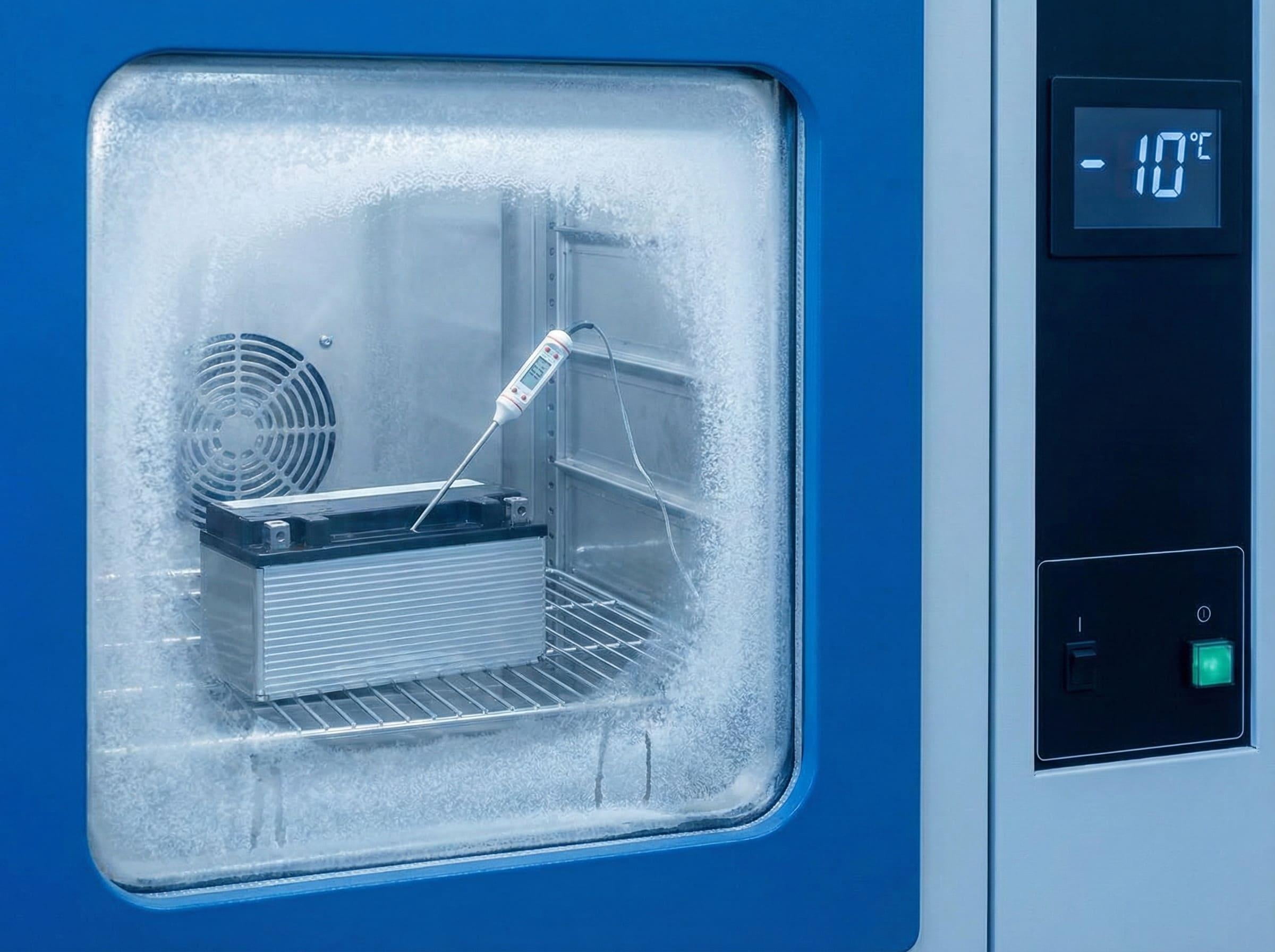
Riding below freezing is a challenge for any battery. When the temperature drops, the chemical reactions inside the battery slow down significantly. This increases the battery's internal resistance, which means it can't deliver its stored energy as efficiently. The result is a noticeable drop in both available range and power output. You might notice your bike feels sluggish and the battery meter drops much faster than usual.
Size and Mass vs. Advanced Chemistry
A larger, denser battery pack, like one made with 26650 cells, has a greater thermal mass. This means it will cool down more slowly than a smaller pack. This can provide a small, temporary benefit at the start of your ride. However, once the pack gets cold, its large mass also means it takes much longer to warm up. The marginal benefit of size is easily outweighed by other factors.
The real solution to cold-weather performance lies in the cell chemistry itself. Here at Litop, we've spent years developing special low-temperature battery formulations. These cells are designed to maintain low internal resistance and perform effectively even at temperatures down to -40°C. These specialized cells can be made in any format, including the popular 18650 size. Using a battery pack made with these cells will have a far greater impact on your winter range than simply choosing a larger cell format.
Practical Tips for Winter Riding
- Store and Charge Indoors: Always bring your battery inside to a room-temperature environment for storage and charging. A cold battery won't charge properly.
- Insulate Your Pack: Use a neoprene battery cover to help trap the heat the battery generates during use, keeping it in its optimal temperature range for longer.
- Start Gently: On a very cold day, start your ride on a low power-assist setting. This allows the battery to warm up gradually from its own discharge current before you demand full power.
Ultimately, if serious winter riding is your goal, don't focus on 18650 vs. 26650. Instead, look for a battery pack specifically built with high-quality, low-temperature cells.
Conclusion
For most e-bikes, the proven 18650 cell is the smart choice due to its reliability and fit. If you need maximum power for climbing, the 21700 format is superior. Remember, safety depends on quality components and build, not cell size, and for winter riding, specialized low-temperature chemistry is key.