Struggling to figure out battery weight for your project? The numbers can be confusing and misleading, making it hard to plan. This uncertainty can completely derail your design.
A 60 kWh lithium iron phosphate (LFP) battery pack typically weighs between 380 and 450 kilograms (about 838 to 992 pounds). The exact weight varies based on the manufacturer's design, the pack's energy density, and the weight of the casing, cooling system, and management electronics.
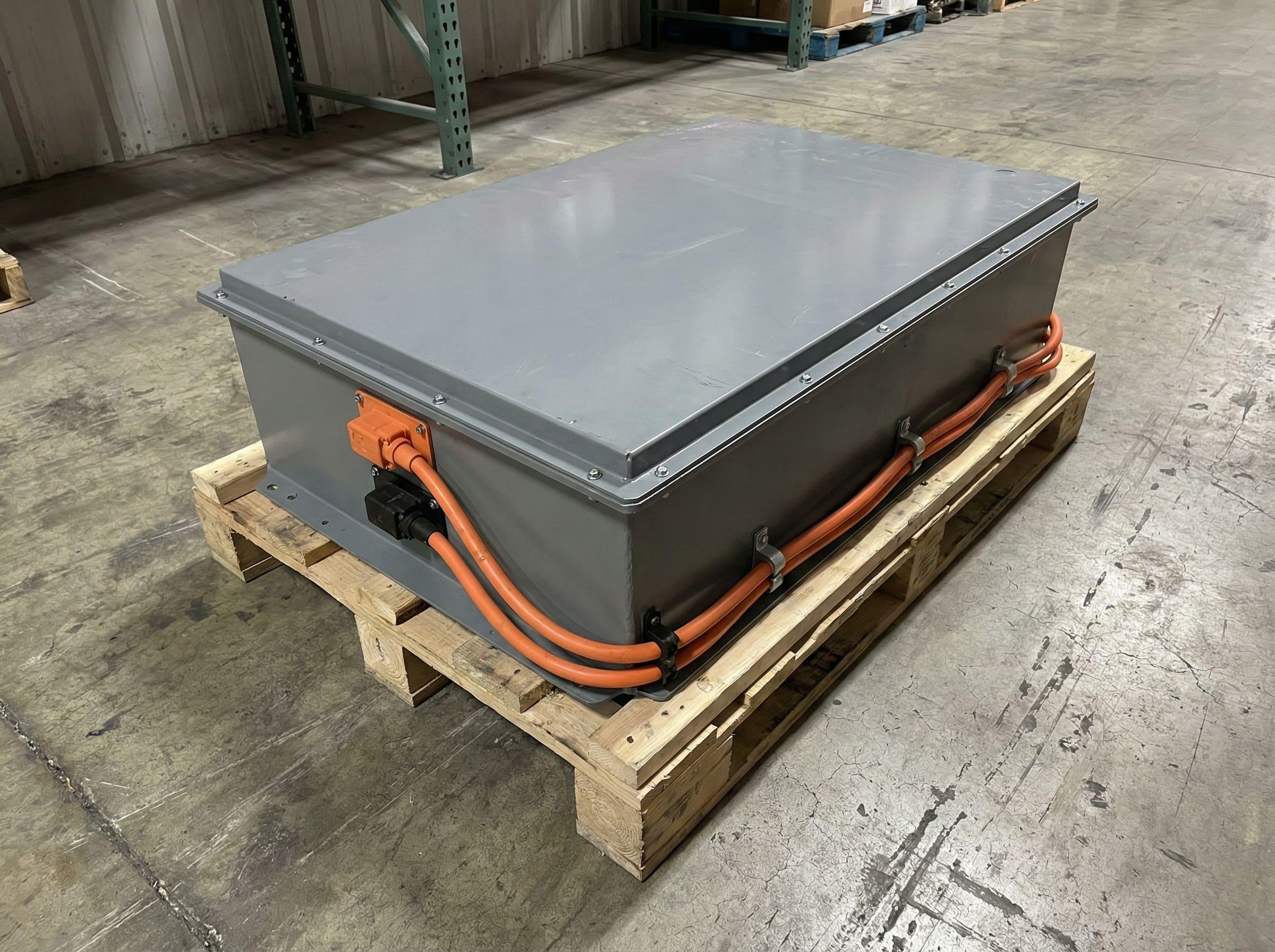
This weight might seem like a simple number, but it has huge implications for performance, whether it's in an electric vehicle, an RV, or a home energy storage system. The difference of a few kilograms can affect range, handling, and even safety. But why is there a range of 70kg for the same capacity? And how does this compare to other popular battery types? Let's break down the factors that contribute to this weight and explore what it means for different applications. Understanding these details will help you make a much more informed decision for your specific needs.
How much lighter is a 60 kWh ternary lithium (NMC) battery than a lithium iron phosphate one?
You're choosing between LFP and NMC batteries for your EV. The weight difference feels critical, but the real-world performance impact isn't clear, making the decision difficult.
A 60 kWh NMC battery pack is significantly lighter, usually weighing around 320 to 380 kilograms. This is because NMC chemistry has a higher energy density, meaning it stores more energy in less mass compared to an LFP battery of the same capacity.
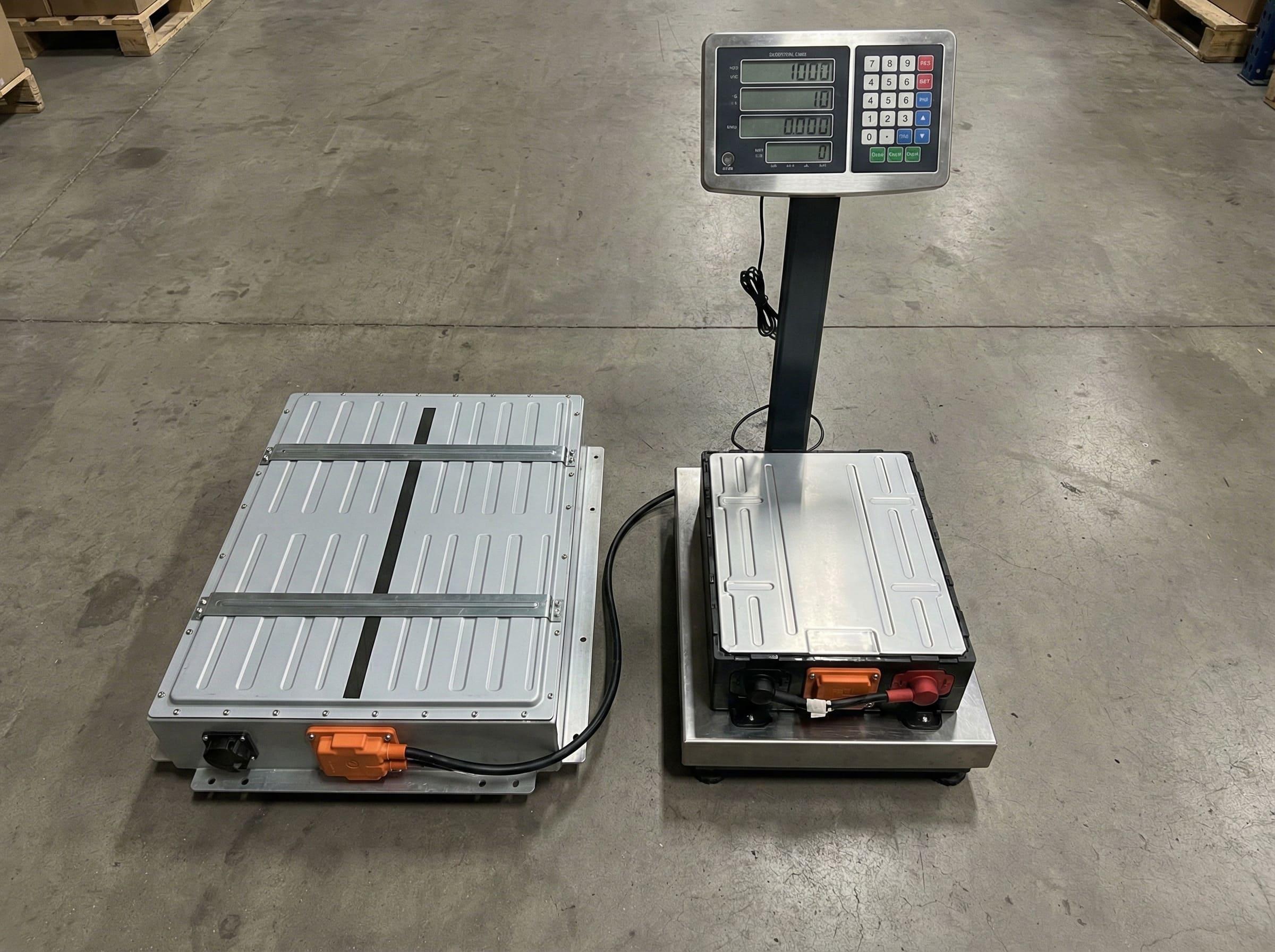
The key difference comes down to a metric called energy density, measured in watt-hours per kilogram (Wh/kg). Think of it as how much energy you can pack into every kilogram of battery material. LFP batteries typically have an energy density between 135 to 158 Wh/kg. In contrast, NMC (Nickel Manganese Cobalt) batteries boast a higher density, generally ranging from 180 to 220 Wh/kg.
Let's do the math. For a 60 kWh (or 60,000 Wh) pack:
- LFP: 60,000 Wh ÷ 135 Wh/kg = ~444 kg on the heavier end.
- NMC: 60,000 Wh ÷ 220 Wh/kg = ~273 kg on the lighter end.
Of course, these numbers are for the cells alone. A complete battery pack also includes a heavy-duty casing, a Battery Management System (BMS), cooling plates, and wiring. This is why the practical weight for a 60 kWh LFP pack lands in the 380-450 kg range. For example, the positive electrode material (the lithium iron phosphate itself) for a 60 kWh pack can weigh 126-150 kg alone. When you add the graphite negative electrode, copper and aluminum foils, separator, and electrolyte, the total cell weight adds up quickly. The same is true for NMC, bringing its practical pack weight to around 320-380 kg.
This table shows the trade-offs I often discuss with my clients at Litop:
| Feature | Lithium Iron Phosphate (LFP) | Ternary Lithium (NMC) |
|---|---|---|
| Estimated 60kWh Weight | 380-450 kg | 320-380 kg |
| Safety | Excellent (very stable) | Good (needs more management) |
| Lifespan (Charge Cycles) | 3,000 - 5,000+ | 1,000 - 2,000 |
| Cost | Lower (no cobalt) | Higher (contains cobalt) |
For a high-performance EV where every kilogram counts, the lighter NMC battery is often preferred for better acceleration and handling. But for applications where cost, safety, and a very long service life are the top priorities, the heavier LFP battery is the clear winner.
Why do some lightweight EVs have short ranges, while some heavy EVs have long ranges?
It's confusing when a heavy electric SUV claims a longer range than a small, lightweight electric city car. This makes you question whether vehicle weight is even that important for efficiency.
A heavy EV can have a longer range if it's equipped with a much larger battery. Range isn't just about weight; it's a balance between the total energy stored (kWh) and the vehicle's overall efficiency, which includes aerodynamics, powertrain design, and software.
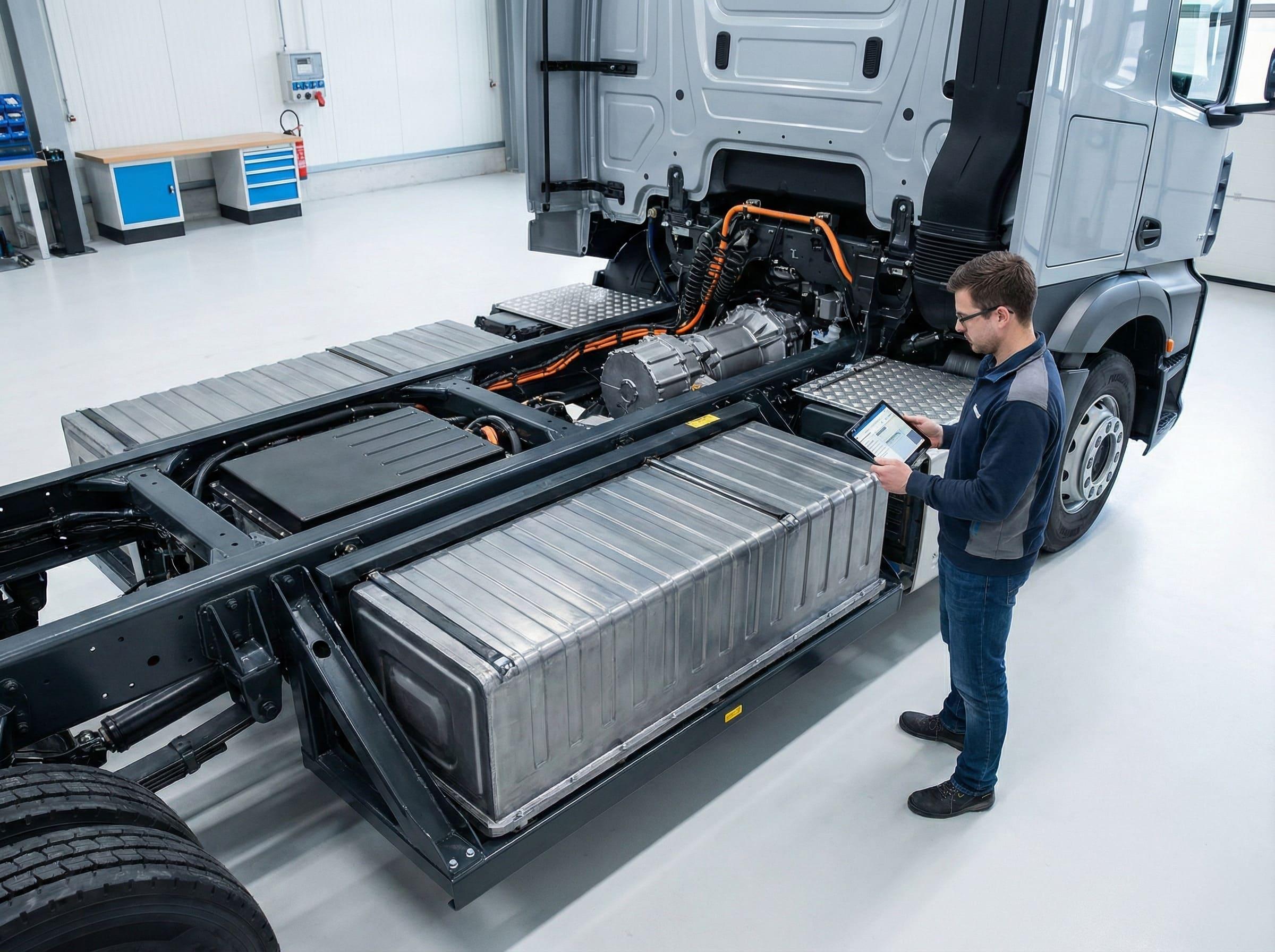
Think of the battery's capacity (kWh) as the size of the fuel tank. A massive, heavy truck with a 200 kWh battery has a much larger "tank" than a small, light car with a 40 kWh battery. Even if the truck is less efficient, its sheer energy storage allows it to travel farther on a single charge. This is the first part of the puzzle.
The second part is vehicle efficiency, often measured in watt-hours per kilometer (Wh/km). This is the EV equivalent of "miles per gallon." Several factors determine this efficiency:
- Aerodynamics: A sleek, low-drag design cuts through the air using less energy. This is why many EVs have such smooth, futuristic shapes.
- Powertrain Efficiency: This is how effectively the electric motor, inverter, and gearbox convert electrical energy from the battery into motion. Modern systems are incredibly efficient, but small differences add up.
- Rolling Resistance: The friction from the tires on the road consumes energy. Heavier vehicles and wider tires generally increase rolling resistance.
- Regenerative Braking: Smart software that captures energy during braking and sends it back to the battery can significantly boost real-world range, especially in city driving.
Here’s a simple comparison to illustrate the point:
| Vehicle Type | Total Weight | Battery Capacity | Efficiency (Wh/km) | Calculated Range |
|---|---|---|---|---|
| Lightweight City Car | 1,500 kg | 40 kWh | 125 Wh/km | 320 km |
| Heavy Electric SUV | 2,300 kg | 90 kWh | 180 Wh/km | 500 km |
As you can see, the heavy SUV goes much farther despite being less efficient per kilometer simply because it carries more than double the energy. At Litop, we see this principle in action. A client might need a battery for a rugged, off-road vehicle. The design isn't aerodynamic, but there's plenty of space for a large, custom battery pack. We focus on maximizing capacity in the available space, knowing that's the key to achieving the long range the customer needs. It's all about matching the battery's characteristics to the vehicle's purpose.
Which battery does the 60 kWh version of the Tesla Model 3/Y use, and is there a weight difference?
You hear that Tesla uses different battery suppliers for the same model. This creates uncertainty about what you're actually getting and if it affects the car's performance or weight.
The standard range Tesla Model 3 and Model Y, with battery packs around 60 kWh, primarily use LFP batteries supplied by CATL. Yes, there is a significant weight difference; these LFP packs are heavier than the NMC/NCA packs used in Long Range versions.
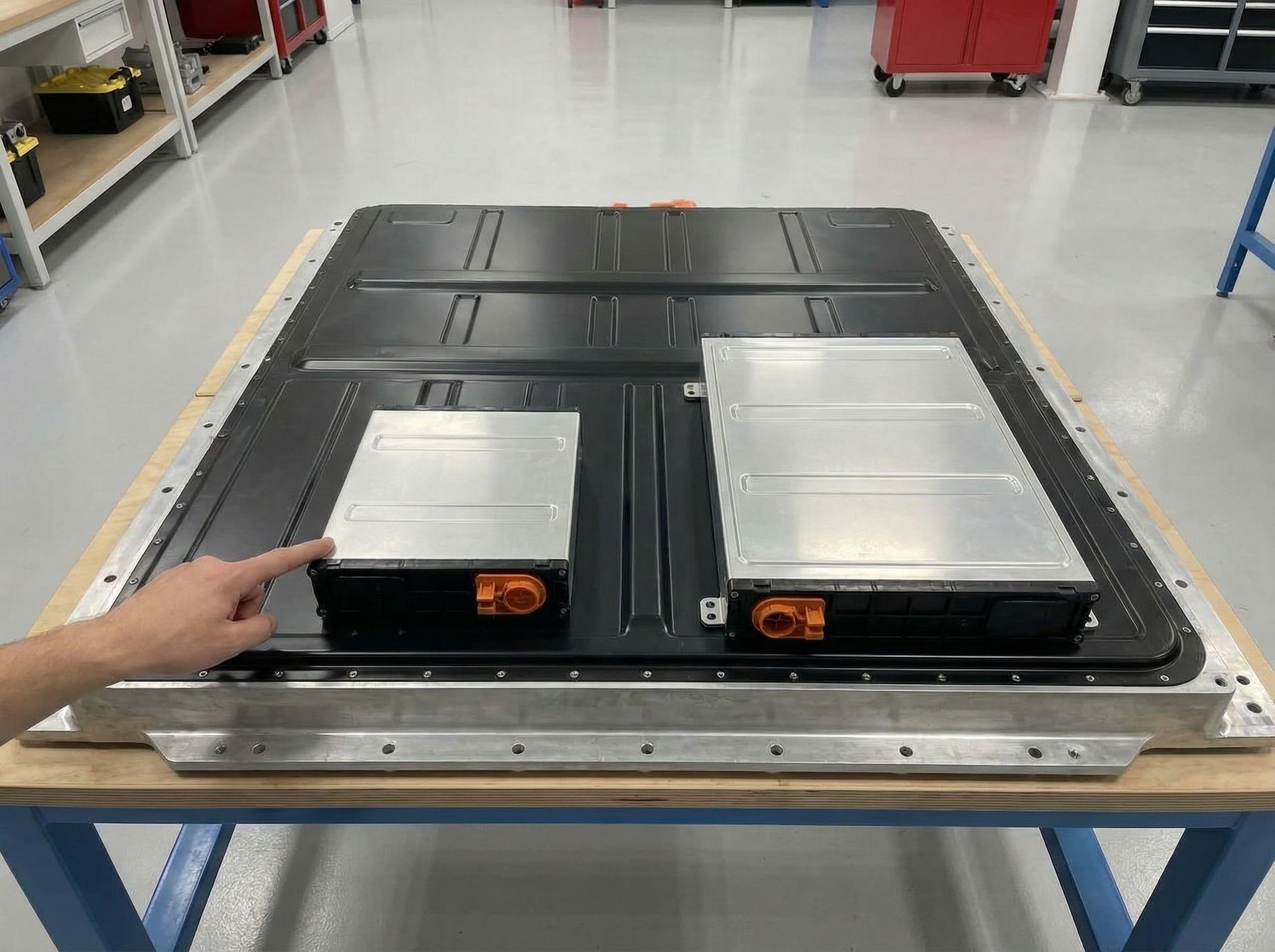
Tesla has a flexible battery sourcing strategy. For its Long Range and Performance models, it typically uses higher energy density cells like NCA (Nickel Cobalt Aluminum) or NMC (Nickel Manganese Cobalt) from partners like Panasonic and LG. However, for its standard range vehicles, Tesla made a strategic shift to LFP (Lithium Iron Phosphate) batteries, with CATL being the main supplier.
This decision has a direct impact on weight. An early Tesla Model 3 with a 62 kWh NCA pack weighed around 407 kg. In contrast, the current CATL-made LFP pack with a similar capacity (~60 kWh) is reported to weigh around 450-480 kg. This means the LFP version adds roughly 50-70 kg to the vehicle's weight compared to what an equivalent NCA pack would weigh.
So why would Tesla, a company obsessed with efficiency, deliberately choose a heavier battery? The answer is a classic engineering trade-off that I discuss with my B2B clients every day.
- Cost: LFP chemistry does not use cobalt, a very expensive and controversially sourced metal. This makes LFP batteries significantly cheaper to produce, allowing Tesla to offer a more affordable entry-level vehicle.
- Durability: LFP batteries are famous for their long cycle life. They can be regularly charged to 100% with far less long-term degradation compared to NMC/NCA chemistries, which manufacturers recommend charging to only 80-90% for daily use. This is a huge practical benefit for owners.
- Safety: LFP is the safest of the common lithium-ion chemistries. It has a much higher thermal runaway temperature, making it extremely stable and resistant to catching fire if damaged.
- Supply Chain Stability: The core materials for LFP, iron and phosphate, are abundant and globally available, creating a more stable and ethical supply chain.
Tesla bet that for the standard range buyer, the benefits of lower cost, superior durability, and enhanced safety would be more valuable than the slight performance penalty from the extra weight. This decision has been a massive success, proving that the "best" battery isn't always the lightest one.
For a home energy storage or RV, should you choose an LFP or lead-acid battery for a 60 kWh system, and what's the weight difference?
You're building an off-grid system for your RV or home. The massive weight and short lifespan of traditional batteries are a major concern, making the project seem impractical.
For any 60 kWh system, LFP is the superior choice by a huge margin. A 60 kWh LFP battery bank weighs around 400 kg. A lead-acid battery bank with the same usable energy would weigh a staggering 1,800 to 2,400 kg or more.
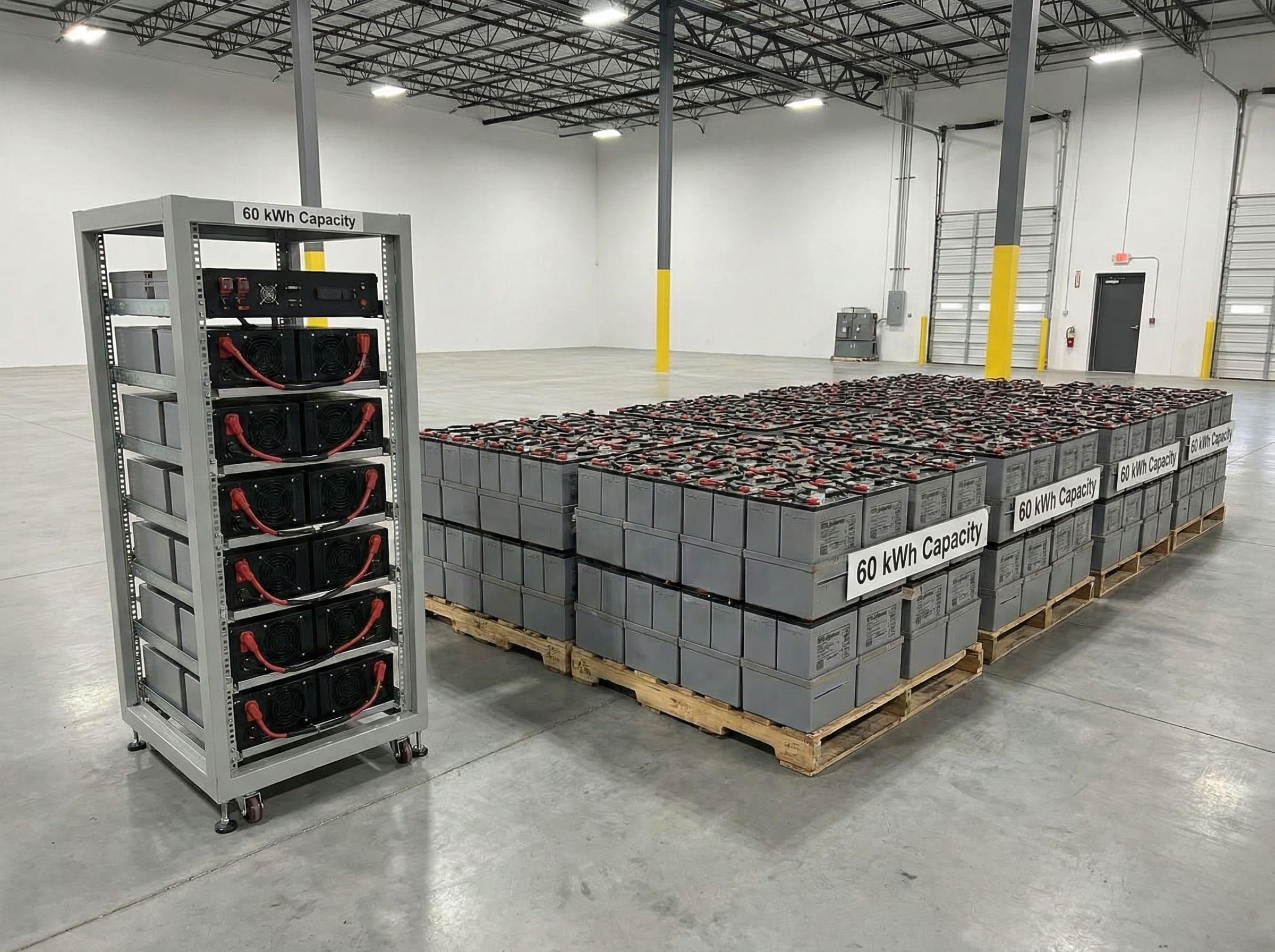
The weight difference between LFP and lead-acid technology is almost unbelievable until you look at the numbers. The core reason is again energy density. As we know, LFP batteries have an energy density of around 135-158 Wh/kg. Traditional deep-cycle lead-acid batteries are far less efficient, with an energy density of only 25-40 Wh/kg.
Let's calculate the weight for a 60 kWh (60,000 Wh) system:
- LFP: 60,000 Wh ÷ 150 Wh/kg (average) = 400 kg
- Lead-Acid: 60,000 Wh ÷ 30 Wh/kg (average) = 2,000 kg
But the story gets worse for lead-acid. You can only safely discharge a lead-acid battery to about 50% of its capacity without causing permanent damage. This is known as the Depth of Discharge (DoD). An LFP battery, however, can be safely discharged to 90% or even 100%. This means to get 60 kWh of usable energy from lead-acid, you would actually need a 120 kWh bank, doubling the weight to an impossible 4,000 kg (8,800 lbs)!
The differences are stark across the board:
| Feature | 60 kWh LFP System | 60 kWh Usable Lead-Acid System |
|---|---|---|
| Total Weight | ~400 kg | ~4,000 kg (for 120 kWh bank) |
| Lifespan (Cycles) | 3,000 - 5,000+ | 300 - 1,000 |
| Size / Footprint | Compact | Extremely large and bulky |
| Maintenance | None | Regular (checking fluid levels) |
For an RV, a 2,000-4,000 kg battery bank is simply not an option; it would exceed the entire payload capacity. For home energy storage, while space might be less of a concern, the fact that an LFP system will last 5 to 10 times longer and require zero maintenance makes it a much smarter long-term investment. This is why at Litop, almost all our clients in the RV and home storage markets now exclusively request LFP battery solutions. The benefits are just too compelling to ignore.
Conclusion
A 60 kWh LFP battery pack weighs around 380-450 kg. While heavier than an equivalent NMC pack, its advantages in cost, safety, and lifespan make it ideal for many EVs and essential for RV and home storage, where it is dramatically lighter and better than old lead-acid technology.