
Struggling with EV range anxiety? A heavy battery pack increases energy use, cutting your driving distance. Understanding this balance is key to finding the right electric vehicle for you.
The weight of an EV's battery creates a paradox. While a heavier battery often means more capacity and longer range, the added vehicle mass also increases energy consumption. As a rule of thumb, reducing a vehicle's weight by 100kg can extend its real-world driving range by approximately 17 kilometers.
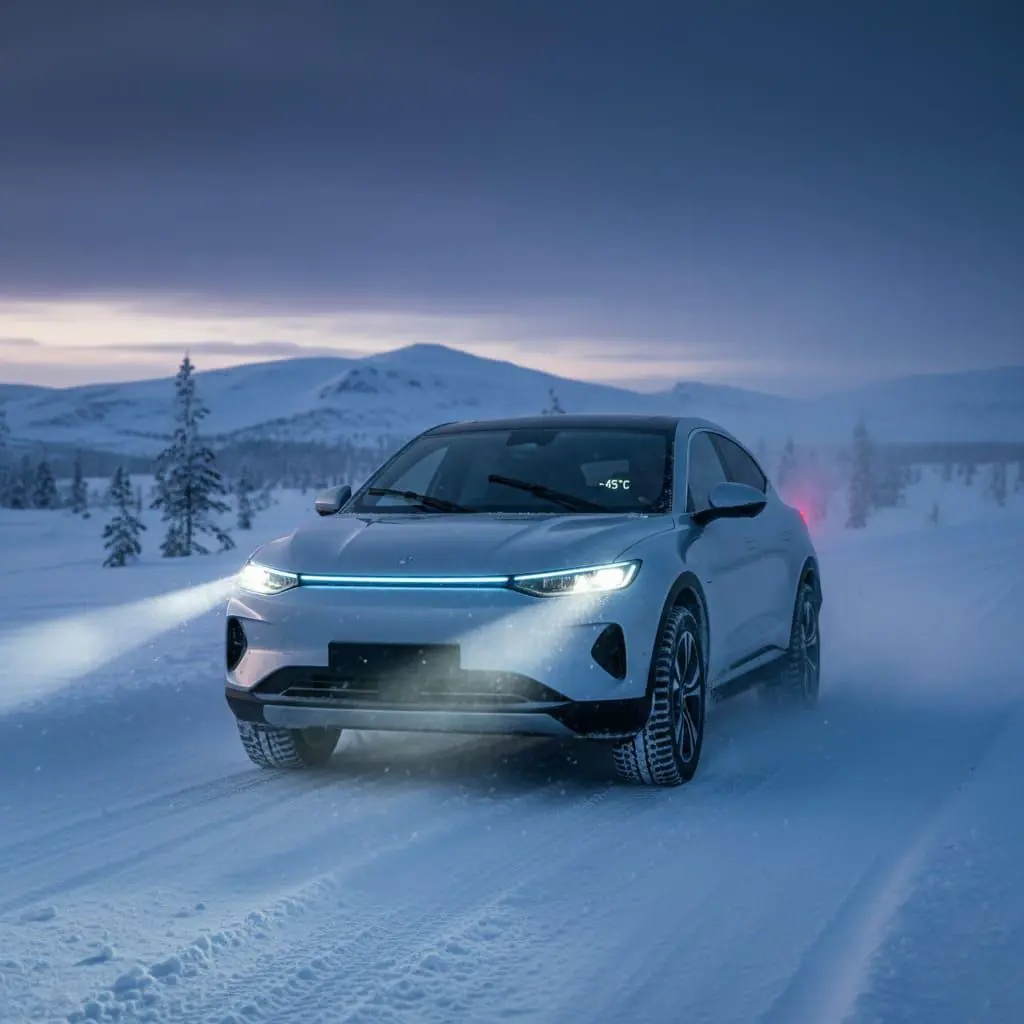
This relationship between battery weight and driving range is what I call the "double paradox" in the EV industry. On one hand, adding more battery cells increases the total energy capacity, which logically should extend how far you can drive. On the other hand, every extra kilogram of weight makes the car work harder to move, which drains the battery faster. It’s a constant tug-of-war. As a manufacturer of custom lithium batteries at Litop, I deal with this challenge every day. My clients, from medical device makers to consumer electronics brands, always want more power in a smaller, lighter package. This article will dive deep into this paradox and explore how the industry is working to solve it.
When will solid-state batteries become common, and how much weight can they save?
Are you frustrated by the bulky, heavy batteries in today's EVs? This limits vehicle design and performance. Solid-state batteries promise a lighter, more powerful, and ultimately better future for electric mobility.
Solid-state batteries are expected to become widely available after 2026. They promise to significantly reduce battery weight by boosting energy density to over 350Wh/kg. This could cut battery weight by 30-50% compared to current technologies while offering the same or even greater range.

For years, my team at Litop has been following the development of solid-state technology. It represents the next big leap in energy storage. The core benefit comes from replacing the liquid or gel electrolyte found in traditional lithium-ion batteries with a solid material. This change unlocks huge potential.
The Path to Lighter EVs
The primary advantage is a massive increase in energy density. Our industry goal is to reach 350 Wh/kg by 2026, and solid-state is the key. To put that in perspective, if we triple the energy density of current batteries, we could achieve a 1,000 km range with a battery pack weighing just a few dozen kilograms. This would be a game-changer, making EVs lighter, more agile, and more efficient. It could even make battery swapping a truly practical solution, as smaller packs would be easier to handle.
Comparing Future and Present Technologies
Here’s a simple breakdown of how solid-state batteries will stack up against what we use today:
| Feature | Current Li-ion (NMC/LiFePO4) | Future Solid-State |
|---|---|---|
| Energy Density | 150-260 Wh/kg | >350 Wh/kg |
| Weight | Heavy, bulky | 30-50% Lighter |
| Safety | Risk of fire from liquid electrolyte | Non-flammable solid electrolyte |
| Charging Speed | Slower, heat management needed | Potentially much faster |
| Mainstream Date | Now | Post-2026 |
While we are still a few years away from mass production, the progress is undeniable. At Litop, we are preparing for this transition by helping our clients design systems that can adapt to future battery technologies. The "small battery, long range" vehicle is no longer a distant dream; it's becoming an engineering reality.
Why are EV batteries so heavy, yet we still pursue large capacities?
You see that heavy batteries reduce an EV's efficiency. So it seems strange that manufacturers keep making them bigger. The simple reason is the market's demand to eliminate range anxiety.
We continue to pursue large, heavy batteries primarily to combat consumer range anxiety. Drivers want the confidence to handle long trips without frequent charging. For now, this demand for more miles per charge outweighs the efficiency losses from the added weight, especially for larger vehicles.
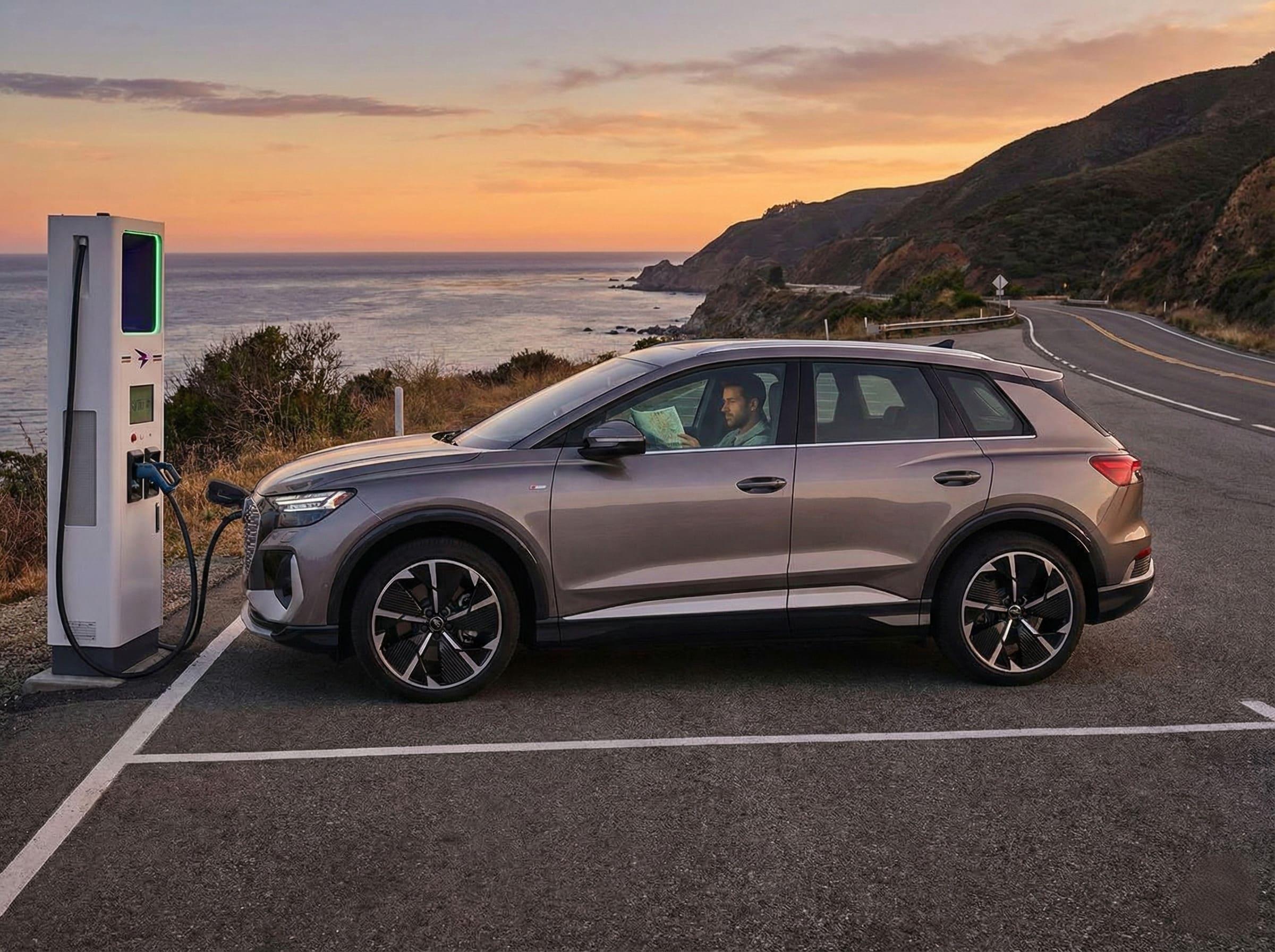
I recently spoke with a client, Michael, who is the procurement officer for a company that develops special-purpose vehicles. He put it perfectly: "Caroline, our end-users can't afford to worry about range. They need the absolute maximum distance possible, even if it means a heavier vehicle." This mindset is common across the market. The psychological comfort of having a 500-kilometer range is a powerful selling point that manufacturers cannot ignore.
The Weight Spectrum of Modern EVs
This demand has led to a wide range of battery weights across different vehicle classes. The battery is often one of the heaviest single components in an EV.
Here’s a look at typical battery weights you can expect to see in 2026:
| Vehicle Class | Typical Battery Weight | % of Total Vehicle Weight | Example |
|---|---|---|---|
| Micro Car | 95 - 120 kg | 20% - 25% | Wuling Hongguang Mini EV |
| Compact Car | 250 - 310 kg | - | Tesla Model 3 (Standard) |
| Mid-to-Large SUV | 420 - 600 kg | - | Audi Q8 e-tron |
| Performance Truck | ~700 kg | - | Tesla Cybertruck |
As you can see, a performance vehicle like the Tesla Cybertruck carries a battery that weighs nearly as much as a whole small car. This is a direct response to the market's "bigger is better" attitude toward range. At Litop, we help our clients navigate this. We design battery packs that push the limits of energy density, allowing them to offer competitive range figures while managing weight as effectively as possible. It's a delicate balance between engineering reality and customer perception.
How much do heavier batteries wear out a vehicle's tires and braking system?
Have you noticed that EVs seem to wear out parts faster? This can lead to more frequent and costly maintenance for tires and brakes. Understanding this impact is crucial for managing long-term ownership costs.
The significant weight of EV batteries accelerates the wear and tear on tires and brakes. The heavier mass requires more force to stop, wearing down brake pads and rotors faster. Similarly, tires must support more weight, leading to quicker tread degradation compared to lighter gasoline-powered cars.
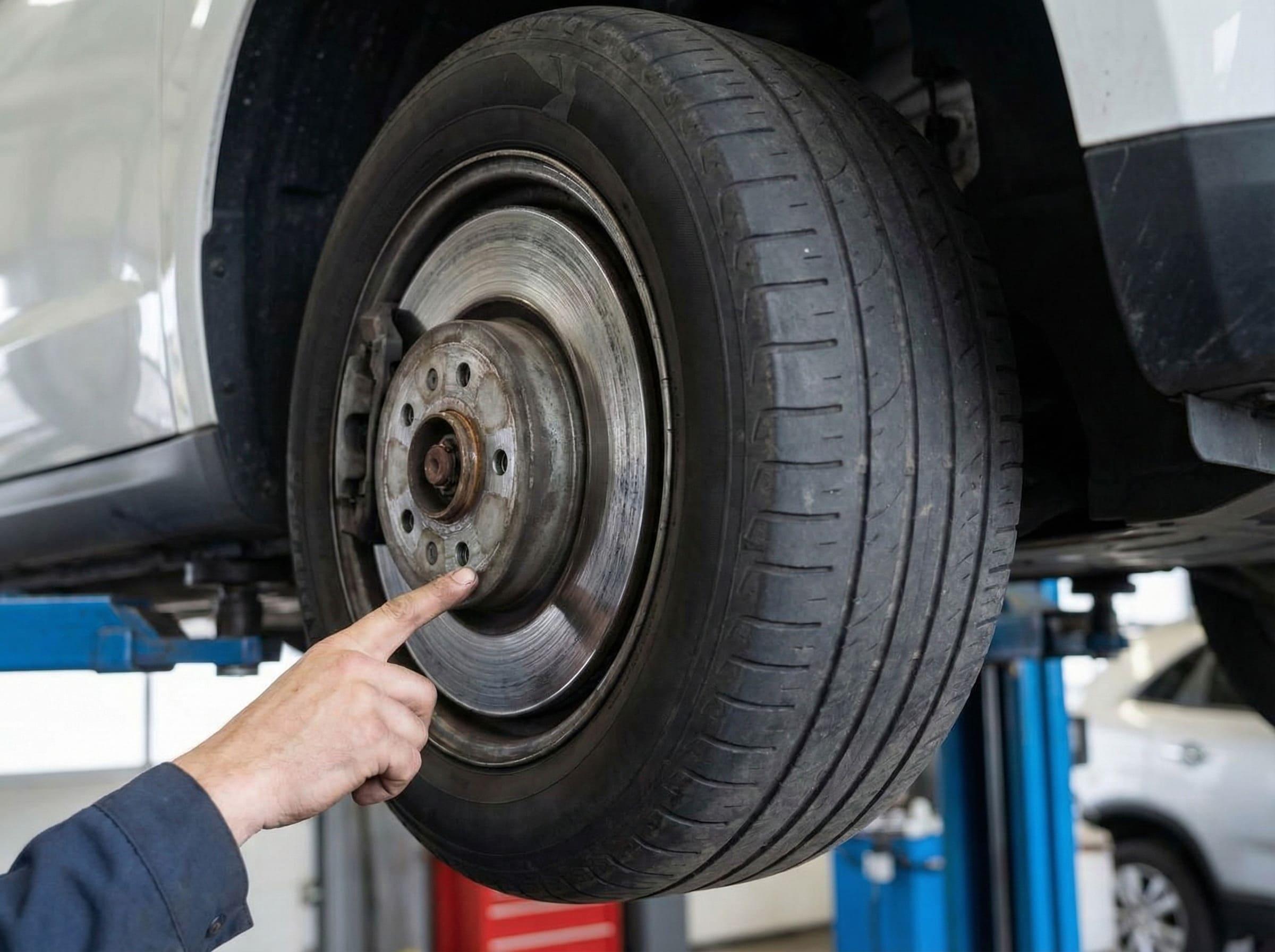
The laws of physics are simple: more mass means more inertia. An EV weighing over two tons needs a lot more energy to slow down than a gasoline car weighing 1,300 kg. While regenerative braking helps a lot by using the electric motor to slow the car and recapture energy, it can't do all the work. During a sudden stop or hard braking, the traditional friction brakes still have to engage, and they work much harder because of the vehicle's weight. This directly translates to more frequent replacement of brake pads and rotors.
The Unseen Costs of Weight
Tires face a similar problem. They are not only supporting a heavier static load but must also handle the instant torque delivered by electric motors. This combination of weight and power puts immense stress on the rubber. To address this, manufacturers have developed EV-specific tires that have stronger sidewalls and use harder rubber compounds. However, these specialized tires are often more expensive and still tend to wear out faster than their counterparts on lighter vehicles.
This is a system-level issue that we think about at Litop. When we engineer a lighter battery pack for a client, the benefits go far beyond just range. A lighter battery reduces the mechanical stress on the entire vehicle platform. This means:
- Longer life for brake components.
- Reduced tire wear.
- Improved handling and suspension performance.
By focusing on high-energy-density, lightweight battery solutions, we help our clients build vehicles that are not only more efficient to drive but also cheaper to own and maintain over their lifetime.
How much can you increase your actual range if you reduce the vehicle's weight by 100kg?
You want more range from your EV, but buying a bigger battery is expensive and adds weight. A powerful, often overlooked, solution is lightweighting. It’s a key strategy to boost efficiency without a bigger battery.
Reducing an electric vehicle's weight by 100 kg can increase its real-world range by approximately 17 kilometers. This impressive gain demonstrates that lightweighting is as effective at boosting efficiency as advanced technologies like 800V high-voltage systems.
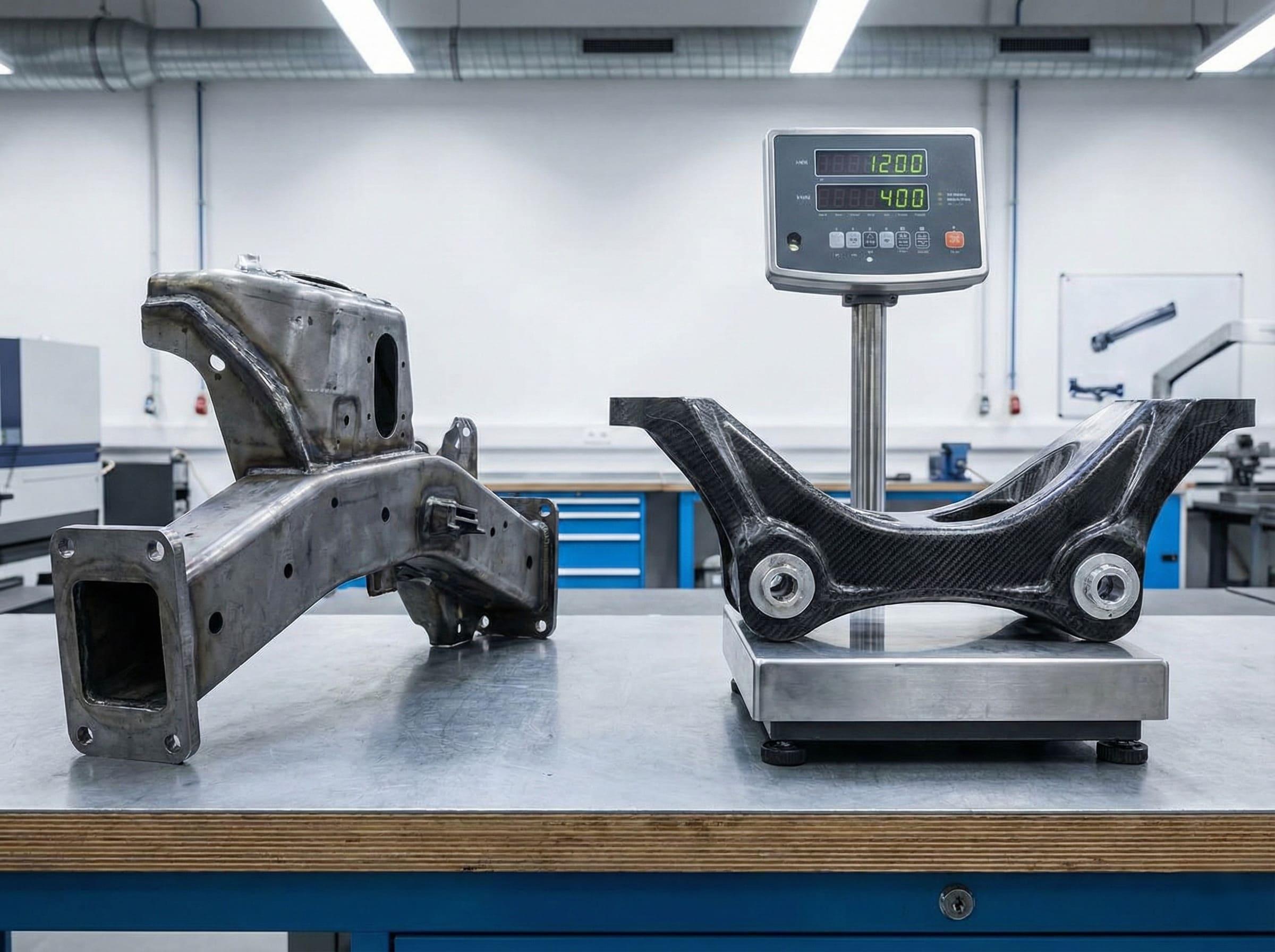
This "100 kg rule" is a guiding principle in modern EV design. At Litop, we see our clients—automakers and device manufacturers alike—obsessing over every single gram. The data backs up their focus. Studies show that a 10% reduction in total vehicle weight can improve range by 5-6% and lower energy consumption by 8-10%. An even more surprising benefit is that a lighter vehicle puts less strain on the battery during acceleration and driving, which can extend the battery's overall cycle life by more than 20%.
How to Achieve a Lighter EV
The MG4 EV is a fantastic real-world example. By using a chassis made of 78% high-strength steel and 22% aluminum alloy, its designers cut 156 kg from its weight. The result? Its energy consumption dropped to just 10.4 kWh per 100 km, about 15% lower than comparable models in its class.
There are several key strategies manufacturers use to achieve these results:
- Advanced Materials: Using carbon fiber, aluminum alloys, and next-generation high-strength steel in the body and chassis.
- Manufacturing Innovation: Adopting techniques like "giga-casting," where large sections of the car's frame are cast as a single piece of aluminum, reducing the need for numerous welded parts.
- Smarter Battery Design: This is where we come in. By developing high-energy-density cells and using Cell-to-Pack (CTP) or Cell-to-Chassis (CTC) integration, we can build smaller, lighter battery packs that deliver the same amount of energy. Optimized thermal management systems also reduce the weight of cooling components.
Lightweighting is the most elegant solution to the weight-range paradox. It doesn't just add range; it creates a more efficient, agile, and durable vehicle.
Conclusion
The "weight-range-cost" triangle is the central challenge in EV design. While big, heavy batteries provide long-range security, the future lies in lightweight design and advanced battery technology. Solutions from suppliers like us at Litop are key to creating a better balance of efficiency, performance, and affordability.