
Your high-capacity battery isn't performing as expected. This cripples your product's potential and frustrates users. The problem might not be the battery itself, but its management system.
A Battery Management System (BMS) directly impacts high-capacity performance by actively monitoring and controlling the battery's state. It prevents damage from overcharging or discharging, balances cell voltages for maximum usable energy, and manages temperature to ensure both safety and a long operational lifespan.

I’ve seen many clients invest heavily in premium high-capacity batteries, only to be disappointed by the real-world results. They expect long runtimes and reliability, but instead, they get unpredictable performance and premature failures. The missing piece of the puzzle is almost always an advanced Battery Management System (BMS). It’s the brain of the battery pack, and without a smart one, you’re just not getting what you paid for. Let's explore how a BMS unlocks the true power of your battery.
How does a BMS maximize lifespan and safety with key functions?
Your device's battery is dying too soon or, worse, becoming a safety risk. This uncertainty can damage your brand's reputation. A proper BMS uses specific functions to prevent this.
A BMS maximizes battery life and safety through three core functions: overcharge/over-discharge protection, which prevents cell damage; precise temperature monitoring to avoid overheating; and cell balancing, which ensures all cells in a pack work together efficiently, preventing premature aging of any single cell.
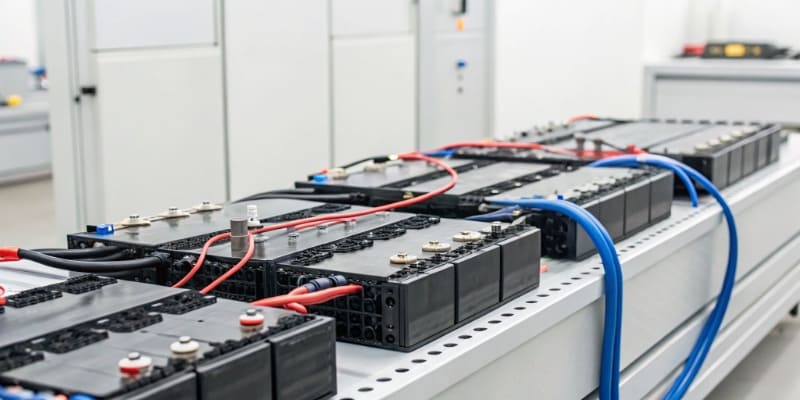
A few years ago, a client in the medical device field, let's call him Michael, came to us. His company was a leader in portable diagnostic equipment, but they were facing a high rate of battery failures in the field. The devices were shutting down unexpectedly, and the batteries had a very short lifespan. They were using high-capacity cells, so the issue wasn't the raw energy storage. After a thorough analysis, we pinpointed the problem: their existing BMS lacked effective cell balancing and robust protection. This experience highlighted just how critical these functions are.
Overcharge and Over-discharge Protection
This is the most fundamental job of a BMS. Lithium-ion cells have strict voltage limits. Exceeding the upper limit (overcharging) can cause overheating and thermal runaway, which is a major safety hazard. Going below the lower limit (over-discharging) can cause irreversible damage to the cell's internal structure, leading to permanent capacity loss. The BMS acts as a vigilant guard, constantly monitoring the voltage of each cell. If any cell approaches these dangerous thresholds, the BMS will immediately cut off the connection to the charger or the load, protecting the entire pack.
Temperature Monitoring
Temperature is a critical factor for both the performance and safety of lithium batteries. The ideal operating range is typically between 15°C and 30°C.
- Too hot: High temperatures accelerate chemical degradation inside the cells, shortening their lifespan. Extreme heat can also trigger dangerous thermal events.
- Too cold: Low temperatures slow down the chemical reactions, which reduces the battery's ability to deliver power and accept a charge. The BMS uses strategically placed thermistors to monitor the battery's temperature. If it detects temperatures outside the safe operating window, it can take corrective actions, such as reducing the charge/discharge current or even activating a cooling or heating system.
Cell Balancing
In a multi-cell battery pack, tiny manufacturing differences mean that no two cells are perfectly identical. Over time, these small differences cause some cells to hold slightly more or less charge than others. Without balancing, the entire pack's performance is limited by its weakest cell. The BMS uses balancing circuits to ensure all cells are at a similar state of charge, maximizing the pack's overall capacity and preventing any single cell from being overstressed.
| Feature | Without BMS | With Litop BMS | Impact |
|---|---|---|---|
| Safety | High risk of overcharge/overheat | Protected by cut-off circuits | Prevents thermal runaway |
| Lifespan | Reduced by cell degradation | Extended by 30-50% | Protects investment |
| Usable Capacity | Limited by the weakest cell | Maximized by cell balancing | Delivers full performance |
How can a poor BMS limit a battery's usable energy?
You paid for a high-capacity battery, but your device's runtime doesn't reflect it. This wasted potential means you are not delivering the value your customers expect.
A poorly designed BMS limits usable energy by using inaccurate state-of-charge (SOC) calculations, which can prematurely signal an empty battery. It may also enforce overly conservative safety limits or fail to balance cells, leaving a significant amount of energy trapped and unused within the pack.
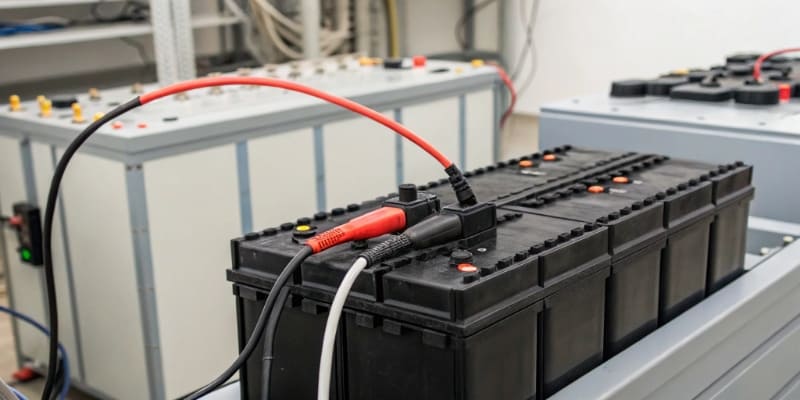
It’s a frustrating situation that I see all too often. A product designer carefully selects a 5000mAh battery but finds the device only uses about 4000mAh before shutting down. That’s 20% of the energy investment completely wasted. The culprit is usually a BMS that is either too basic or poorly calibrated for the specific cells it's managing. It's like having a large fuel tank but a faulty gauge that forces you to refuel when it's still a quarter full. This directly impacts the user experience and can make a premium product feel average.
Inaccurate State of Charge (SOC) Estimation
One of the BMS's most important jobs is to act as the battery's fuel gauge. A good BMS uses sophisticated algorithms that consider current, voltage, temperature, and battery age to provide an accurate SOC reading. A poor BMS might rely on a simple voltage reading. The problem is that a battery's voltage isn't a linear indicator of its charge, especially under load. This can lead to the BMS reporting the battery is empty when it still holds 10-20% of its charge, triggering an early shutdown to "protect" the cells. Our systems use dynamic algorithms that can improve SOC accuracy to within 1-2%.
Overly Conservative Safety Margins
Every BMS has safety cut-offs for voltage and current. A low-quality or "one-size-fits-all" BMS often uses excessively wide safety margins to prevent any possibility of failure, especially if it can't trust its own measurements. For instance, it might cut off the discharge when cells are still at 3.2V, even though they could safely discharge to 3.0V. While this seems safe, it prevents you from accessing the full capacity of the battery. A well-designed BMS, like those we build at Litop, is precisely calibrated to the specific cells in the pack. It allows the battery to operate closer to its true limits without compromising safety, unlocking up to 15% more usable energy compared to unprotected or poorly managed designs.
Lack of Effective Balancing
As we discussed, imbalance between cells is a major performance killer. If a BMS lacks an effective balancing function, the pack's capacity is dictated by the first cell to hit the empty voltage limit. The other cells might still have plenty of energy left, but it becomes inaccessible. The BMS has to shut down the entire pack to protect that one weak cell, wasting the energy stored in the others.
How does a BMS balance charge in a multi-cell battery pack?
In a large battery pack, some cells work harder than others, causing them to wear out faster. This imbalance degrades the entire pack, reducing its life and performance.
A BMS achieves charge balancing by either passively bleeding excess energy from higher-charged cells as heat or actively transferring energy from stronger cells to weaker ones. This ensures all cells are utilized evenly, maximizing the pack's overall capacity and preventing premature failure.
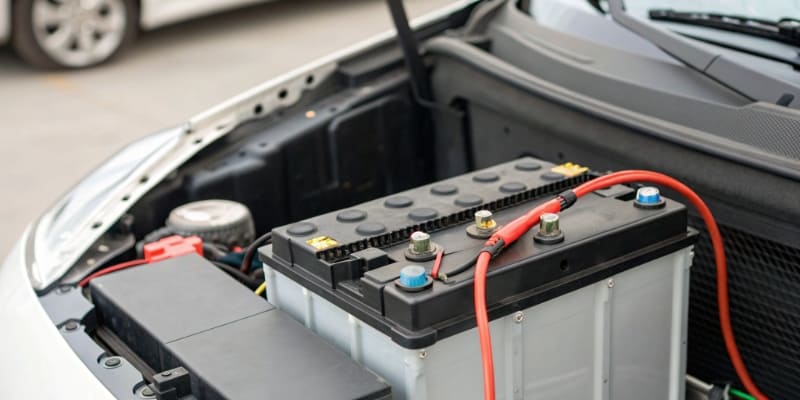
Imagine a team of rowers in a boat. If one rower gets tired and slows down, the entire boat's speed suffers. If that rower is constantly overworked, they will eventually burn out completely. Battery cells in a pack work the same way. When we assemble battery packs for our clients, whether for wearable devices or industrial equipment, we treat cell balancing as a non-negotiable feature. It’s the key to ensuring the entire "team" of cells performs in unison for a long, productive life.
What Causes Cell Imbalance?
No two battery cells are ever perfectly identical right from the factory. There are tiny variations in:
- Internal Resistance: Affects how efficiently a cell can be charged and discharged.
- Capacity: Some cells can hold slightly more energy than others.
- Self-Discharge Rate: Some cells lose charge faster than others when idle. Over hundreds of cycles, these small differences add up, causing the cells' states of charge to drift apart.
Passive Balancing Explained
This is the most common and cost-effective method. The BMS monitors the voltage of all cells during the charging process. When one cell's voltage gets higher than the others (meaning it's charging faster), the BMS connects a small resistor across that cell. This resistor bleeds off a small amount of energy as heat, slowing down the charge for that specific cell and allowing the other cells to catch up. It’s simple and effective for many applications, but it is less efficient as it wastes energy.
Active Balancing for Maximum Utilization
Active balancing is a more advanced and efficient technique. Instead of wasting excess energy as heat, an active balancing system uses small circuits (capacitors or inductors) to actively shuttle energy from the most charged cells to the least charged cells. This can happen during charging, discharging, or even when the battery is idle.
| Balancing Method | How it Works | Pros | Cons |
|---|---|---|---|
| Passive Balancing | Bleeds excess energy from high cells as heat. | Simple, low cost. | Wastes energy, less efficient. |
| Active Balancing | Transfers energy from high cells to low cells. | Highly efficient, maximizes usable capacity. | More complex, higher cost. |
Active balancing is particularly crucial for high-capacity and high-voltage battery packs, especially those with many cells in series. By ensuring every cell contributes equally, it can increase the pack's usable capacity by 5-15% and significantly extend its cycle life. This is the technology we recommend for demanding applications where maximizing performance and longevity is critical.
How does a BMS optimize performance across different temperatures?
Your battery-powered product works great indoors but fails in the cold or overheats in the sun. This inconsistent performance can make your product seem unreliable and poorly designed.
A BMS optimizes performance by monitoring the battery's temperature and adjusting its strategy. In cold conditions, it may limit the charging current to prevent damage. In hot conditions, it can reduce power output or activate cooling systems to prevent overheating and degradation.
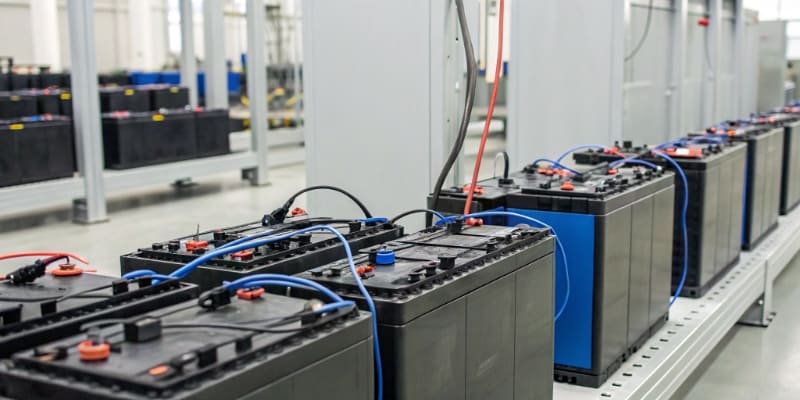
We have a client who develops environmental monitoring sensors for use in remote arctic and desert locations. For them, temperature is not an edge case; it's a daily reality. Early prototypes failed constantly because the batteries couldn't handle the extreme temperature swings. The solution was not a different battery, but a smarter BMS. We designed a system that could intelligently manage the battery's operation based on real-time temperature data, ensuring the sensors stayed online whether it was -20°C or +45°C. This is a perfect example of how the BMS is the key to unlocking performance in challenging environments.
The Impact of Cold Temperatures
At low temperatures, the internal resistance of a lithium-ion battery increases. This makes it harder for the battery to deliver power. Trying to charge a frozen battery, especially at a high rate, is extremely dangerous and can lead to a phenomenon called lithium plating, which permanently damages the cell and creates a safety risk.
- BMS Strategy: A smart BMS will detect the low temperature via its thermistors. It will then limit the charging current or prevent charging altogether until the battery warms up. For discharge, it may limit the peak power draw to prevent the voltage from sagging too much. For advanced systems, the BMS can even activate a small, built-in heater to bring the cells up to a safe operating temperature, which can improve capacity retention by over 20%.
The Dangers of High Temperatures
High temperatures are the enemy of battery longevity. Heat accelerates the chemical side reactions inside the battery that degrade the cells over time. Every 10°C increase above the ideal range can cut the battery's lifespan in half. In extreme cases, high heat can lead to thermal runaway.
- BMS Strategy: When the BMS detects high temperatures, it will take action to protect the battery. It might reduce the charging or discharging current to lower heat generation. In devices with active cooling systems, like electric vehicles or large energy storage systems, the BMS is responsible for turning on fans or liquid cooling pumps to maintain the optimal temperature, often a stable 15-30°C.
BMS Adaptive Strategies
The best BMS solutions don't just have fixed cut-offs. They use a multi-stage approach to temperature management:
- Warning Zone: As the temperature starts to deviate from the ideal range, the BMS might slightly reduce the maximum performance to prevent further temperature increase.
- Limit Zone: If the temperature continues to rise or fall, the BMS will enforce stricter limits on charging and discharging currents.
- Cut-off Zone: At extreme temperatures, the BMS will completely disconnect the battery to prevent catastrophic failure. This adaptive approach ensures the device provides the maximum possible performance for any given temperature, without ever risking the safety or long-term health of the battery.
Conclusion
A high-capacity battery is only as good as its Battery Management System. The BMS is not just a safety accessory; it's the core component that dictates usable energy, lifespan, and reliability. By intelligently managing every cell, a great BMS unlocks your battery's true potential and protects your investment.