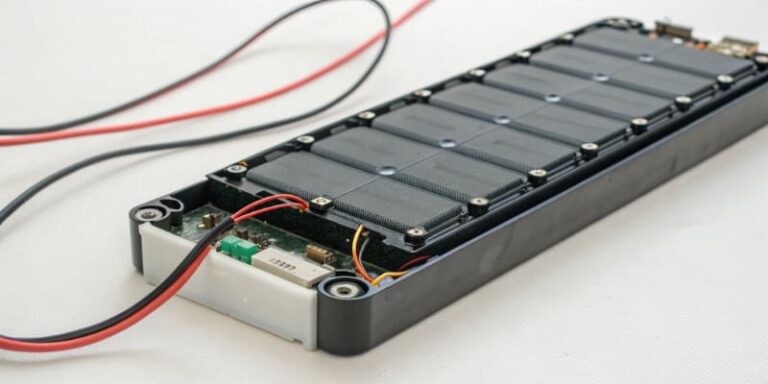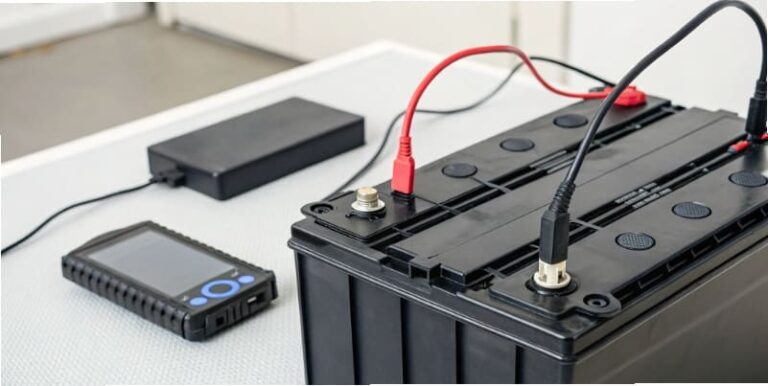
Struggling to keep your electronics working in humid weather? A dead battery can ruin your day, but a few simple tricks can keep your lithium batteries1 safe and sound.
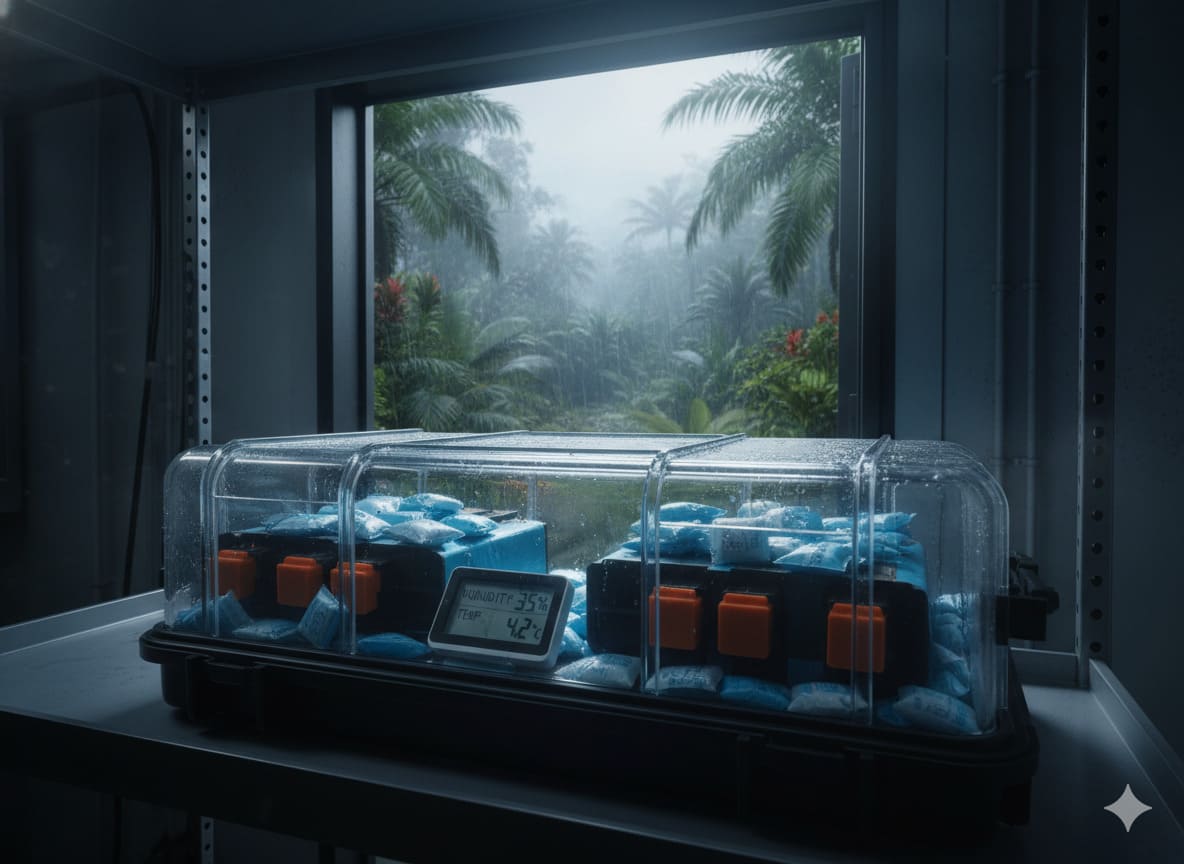
To protect lithium batteries in humid tropics, you must block moisture and control the storage environment. Use sealed, waterproof containers with desiccants to keep humidity low. For long-term storage, maintain a 40-60% charge and keep the battery in a cool place, around 4°C if possible.
Living and working in a humid, tropical climate presents unique challenges, especially for the sensitive electronics we rely on. I've been in the battery business for a long time, and one of the most common issues I hear about from customers in these regions is premature battery failure. The combination of constant moisture and high heat is a recipe for disaster for lithium batteries. It's not just about inconvenience; it's about protecting your investment and ensuring safety. But the good news is, with a bit of knowledge and some simple precautions, you can dramatically extend the life of your batteries. Let's dive into the practical steps you can take to safeguard them.
Can You Still Charge and Use a Lithium Battery After It Gets Damp or Wet?
Your device got caught in the rain, or worse, took a dip. Now you're wondering if you can just plug it in. This can be a very expensive and dangerous mistake.
Absolutely not. You should never charge or use a lithium battery immediately after it gets wet. Water can cause internal short circuits, leading to permanent damage, corrosion, or even fire. The battery must be completely dried and inspected for damage before you even consider reusing it.
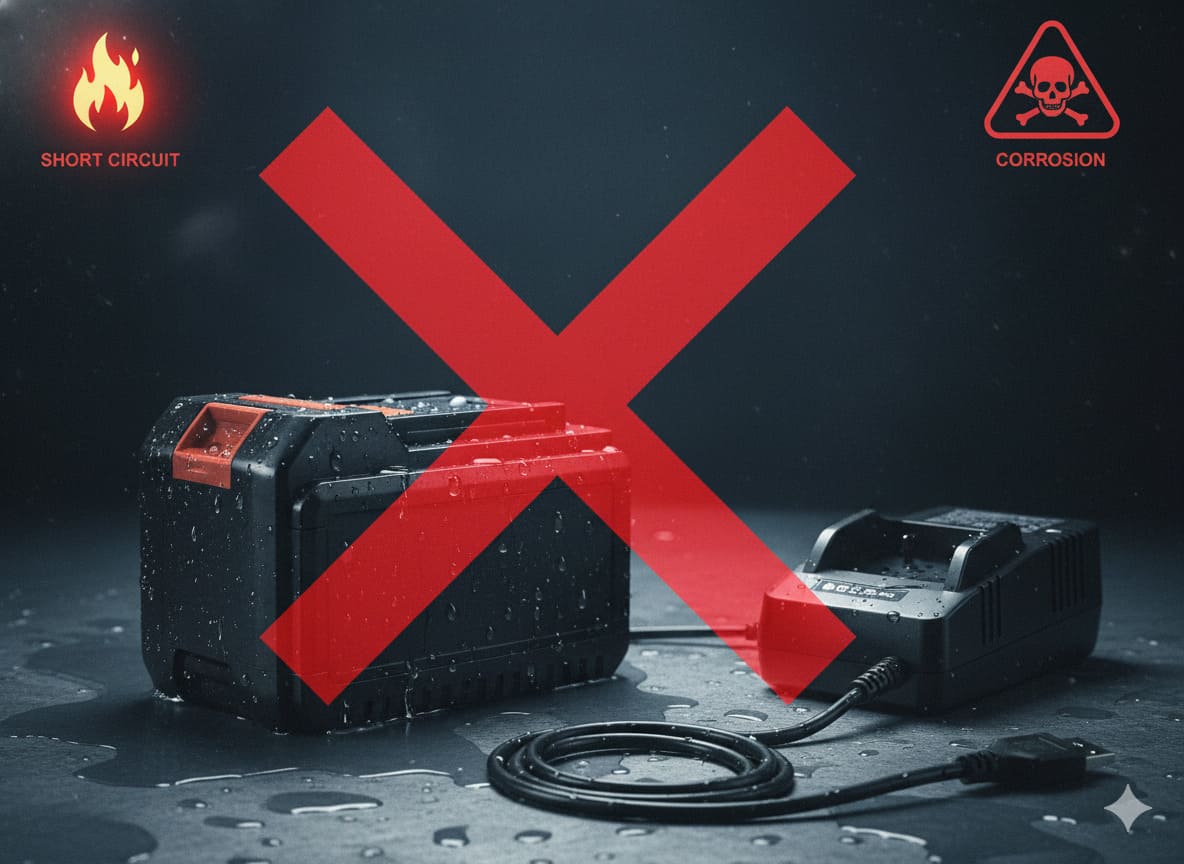
When a lithium battery gets wet, the immediate danger is a short circuit. Water, especially when it's not pure, is conductive. It can create new, unintended pathways for electricity to flow between the battery's positive and negative terminals. This can cause a sudden discharge of energy, generating a lot of heat and potentially damaging the battery's delicate internal structure and the device it's in. In my years of experience at Litop, I've seen countless cases where a customer tried to "save" a wet battery by charging it, only to end up with a completely dead device.
Beyond the immediate risk, moisture starts a slower, more insidious process: corrosion. The water reacts with the metal contacts and internal components, forming a crusty layer of green or white powder. This corrosion increases electrical resistance, which means the battery won't be able to deliver power effectively, and it won't charge properly either. The battery’s built-in Battery Management System (BMS) offers some protection against over-charging or short-circuiting, but it can’t stop the physical damage caused by water.
Here’s what you should do if your battery gets wet:
Step-by-Step Recovery Process
- Power Down and Disconnect: If the device is on, turn it off. If the battery is removable, take it out immediately. This is the most important first step to prevent short circuits.
- Dry the Exterior: Use a soft, dry cloth to wipe off all visible water from the battery and device.
- Use Desiccants: Place the battery in a sealed airtight container or bag filled with desiccant packets (like silica gel). These are much more effective than rice and absorb moisture from the air. Leave it for at least 48 to 72 hours. Do not use a hairdryer or oven, as high heat can cause further damage or even a fire.
- Inspect and Clean: After it's thoroughly dry, carefully inspect the metal contacts for any signs of corrosion. If you see minor residue, you can gently clean it with a cotton swab dipped in isopropyl alcohol. If the corrosion is severe, the battery is likely unsafe to use.
Only after you have completed these steps and see no signs of damage should you attempt to test the battery. When you do, monitor it very closely during the first charge for any signs of overheating, swelling, or strange smells. If anything seems off, stop immediately.
How Can You Tell if a Battery is Damaged by High Heat or Humidity from Its Appearance?
You think your battery is working, but it’s been in a hot, humid place. Hidden damage could be a ticking time bomb, so you need to know the warning signs.
Look for physical changes like swelling, which is a critical danger sign. Also, check for any corrosion—a white or greenish powder—on the metal contacts, discoloration or stains on the casing, and any warping or dents. These are all clear indicators of damage.
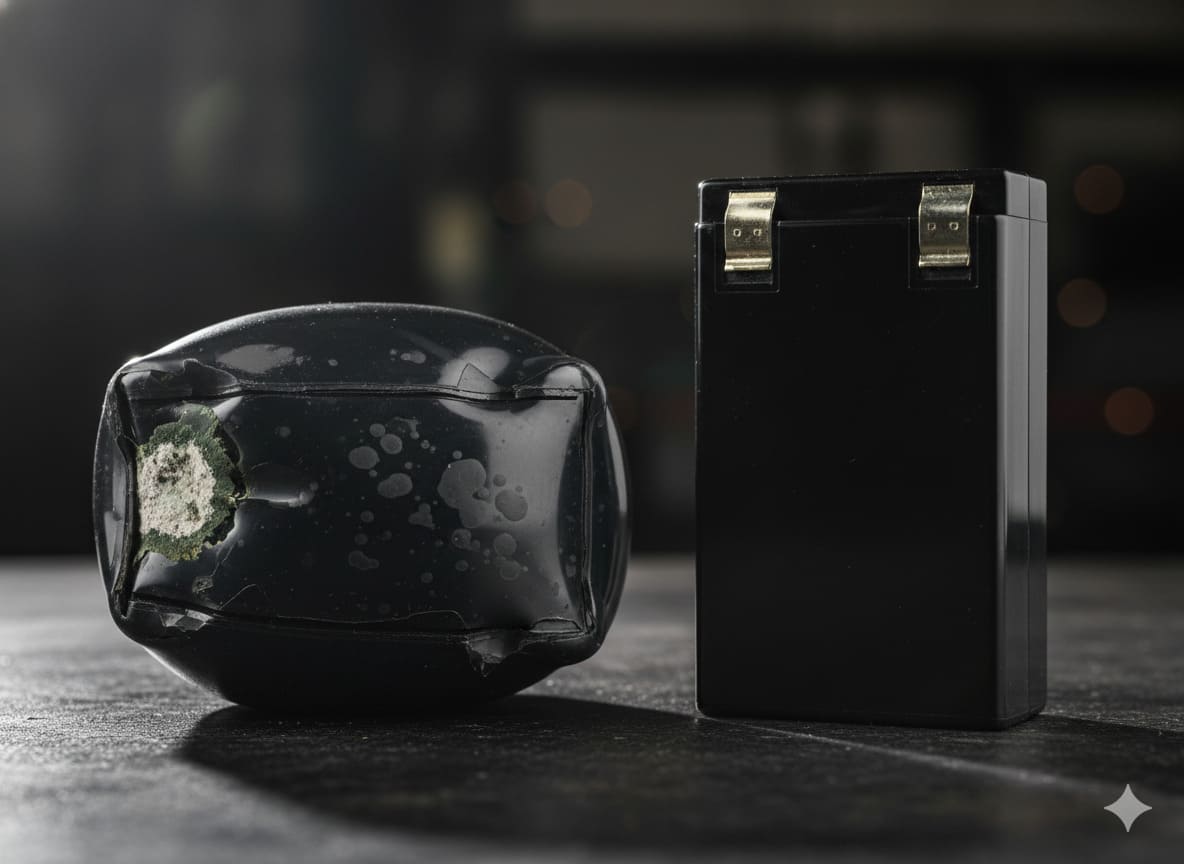
A visual inspection is your first line of defense in identifying a compromised battery. High temperatures and humidity accelerate the chemical degradation inside a lithium battery, and the signs often become visible on the outside. As a manufacturer, we at Litop build our batteries with durable casings and robust seals, but extreme conditions can still push any battery past its limit. Knowing what to look for can prevent device damage and, more importantly, ensure your safety. The most obvious and dangerous sign is swelling. This happens when the battery's internal components break down and release gas. The flexible pouch of a LiPo battery will puff up like a pillow. This indicates a severe internal failure, and the battery should be considered extremely hazardous.
Here’s a breakdown of the key visual cues that signal a battery has been damaged by heat or humidity:
| Visual Sign | What It Means | Action to Take |
|---|---|---|
| Swelling / Bulging | Internal gas buildup from chemical reactions. This is a high-risk situation that could lead to a fire. | Stop using it immediately. Do not attempt to charge or puncture it. Handle it with care and dispose of it at a proper recycling facility. |
| Corrosion | A white, green, or bluish powder on the metal terminals. This is caused by moisture reacting with the metal. | This impedes the battery's ability to charge and discharge. Minor corrosion can be cleaned, but it often signals internal moisture damage. Replacement is the safest option. |
| Discoloration / Stains | Dark spots, burns, or stains on the battery wrapper or casing. | This could be a sign of electrolyte leakage or localized overheating. The battery's integrity is compromised. Stop use and dispose of it safely. |
| Warping or Dents | The battery casing is physically deformed, dented, or bent. | Physical damage can break the internal seals, making the battery highly susceptible to moisture ingress and short circuits. It is no longer safe to use. |
Catching these signs early is crucial. Whenever you handle a battery that has been exposed to harsh conditions, take a moment to look it over carefully. A healthy battery should have a smooth, uniform shape with clean metal contacts. Any deviation from this is a reason for concern.
Should You Store Lithium Batteries Fully Charged or Empty for Long Periods in Tropical Regions?
You need to put your device away for a few months. Storing the battery at the wrong charge level, especially in the heat, can permanently destroy its capacity.
Neither is ideal. For long-term storage in any climate, but especially in hot tropical regions, you should keep the battery's state of charge between 40% and 60%. This is the most stable state for its chemistry and minimizes long-term capacity loss.
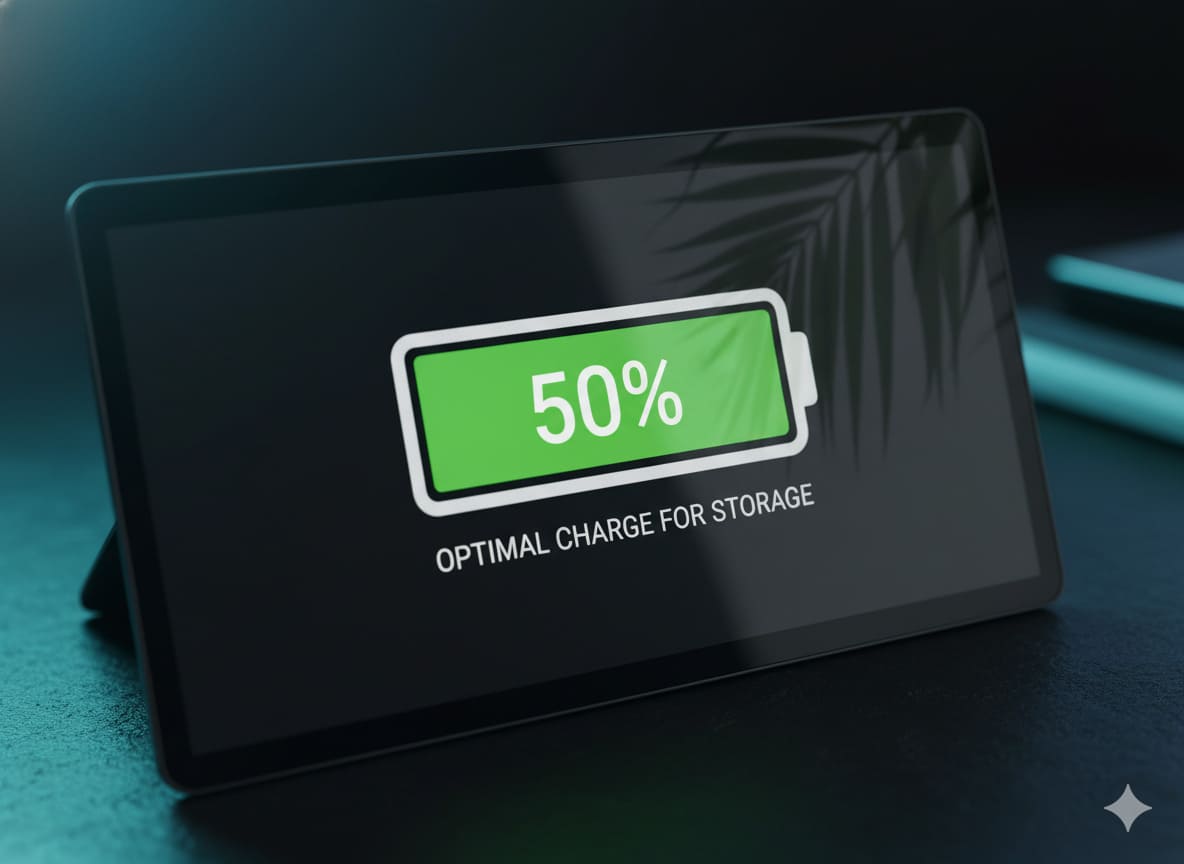
I often get this question from clients like Michael, who need to store medical devices for extended periods between uses. The way you store your battery has a huge impact on its overall lifespan, and the rules are even more important in a tropical climate where high ambient temperatures are the norm. Storing a battery at 100% charge is like holding a rubber band fully stretched for months—it puts constant stress on the internal components, specifically the cathode. This stress, combined with heat, rapidly accelerates chemical aging and leads to a permanent loss of capacity. You might store a fully charged battery for six months and find it only holds 80% of its original charge afterward.
On the other hand, storing a battery completely empty is also very risky. All batteries naturally self-discharge over time. If a depleted battery's voltage drops below a critical safety level, its protection circuit may trip and permanently disable it to prevent an unsafe recharge. This process, known as "deep discharge," can cause irreversible damage. The battery simply won't turn on or accept a charge ever again.
The sweet spot, or the "Goldilocks zone," is right in the middle. At 40-60% charge, the battery's voltage is low enough to reduce aging but high enough to prevent deep discharge. Here's a simple guide for long-term storage:
- Charge/Discharge to 40-60%: Use the device until the battery level is in this range.
- Isolate It: If possible, remove the battery from the device to prevent any small power draws.
- Keep it Cool and Dry: Store it in a cool, dark, and dry place. As my insights suggest, a temperature-controlled environment around 4°C is perfect, but a consistently air-conditioned room is also very effective. Always place it in a sealed bag with desiccants to fight humidity.
- Check Periodically: Every 3-6 months, check the charge level. If it has dropped significantly, top it up back to the 40-60% range before putting it back into storage.
At Litop, we can even design custom BMS solutions with a dedicated "storage mode" that automatically conditions the battery for you, making this process foolproof for high-value applications.
What is the Risk of 'Bulging' in This Climate and How Do You Handle It?
You noticed your phone case isn’t fitting right, and the battery looks puffy. This isn't just a cosmetic issue; it’s a serious safety hazard that needs immediate attention.
The risk of a battery bulging, or swelling, is much higher in hot and humid climates. Heat speeds up the chemical reactions that create gas inside the battery. If you see a swollen battery, stop using it, do not charge it, and handle it carefully.
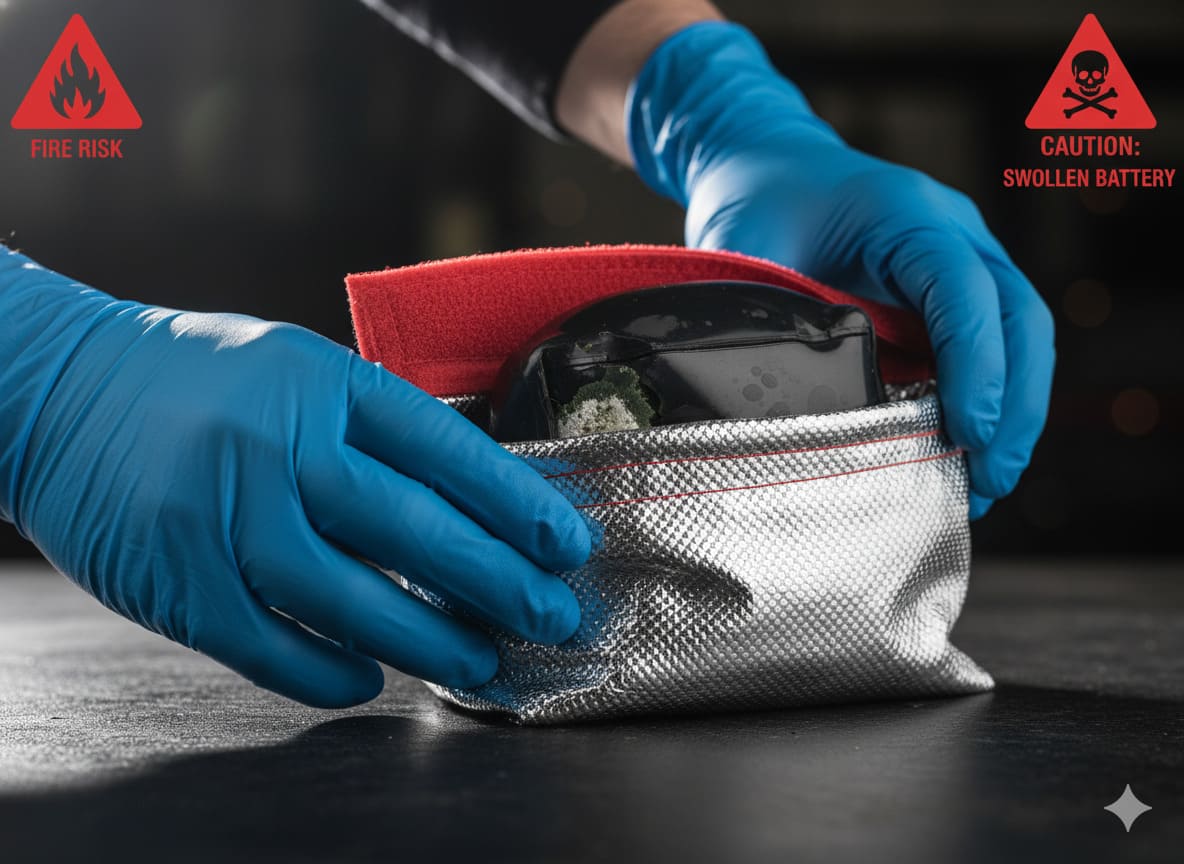
A bulging battery is one of the most alarming forms of battery failure. This swelling is caused by a process called "gassing," where the liquid electrolyte inside the battery breaks down into flammable gases. While this happens naturally as a battery ages, two factors in tropical climates put this process into overdrive: heat and humidity. High temperatures act as a catalyst, dramatically speeding up these unwanted chemical reactions. If moisture manages to get past the battery's seals, it can also react with the electrolyte and produce even more gas. The pressure from this gas pushes against the battery's flexible pouch casing, causing it to swell up like a balloon.
A swollen battery is unstable and dangerous. The pressure buildup increases the risk of the casing rupturing, which can release flammable electrolytes and potentially cause a fire. Knowing how to react is critical for your safety.
| What to DO | What NOT to DO |
|---|---|
| Stop using it immediately. Power down the device and unplug it from any power source. | Do NOT continue to charge it. Adding more energy increases the internal pressure and the risk of a rupture. |
| Handle with extreme care. If possible, remove the battery from the device without bending or putting pressure on it. | Do NOT puncture, crush, or bend it. Puncturing the pouch will cause a violent and dangerous release of its contents. |
| Isolate it in a safe place. Put the battery in a fireproof container (like a metal box with sand) and move it to a cool, ventilated area away from anything flammable. | Do NOT throw it in the regular trash. It's a serious fire hazard for garbage trucks and recycling facilities. |
| Dispose of it properly. Contact your local e-waste or hazardous waste disposal facility to find out where you can safely recycle it. | Do NOT try to fix or "deflate" it. The damage is internal and irreversible. |
Prevention is always the best strategy. This is why at Litop, we place such a strong emphasis on robust manufacturing processes. We use techniques like applying potting compounds to create a dense, impermeable protective layer around the battery cells for our clients with products destined for harsh environments. This provides an extra barrier against moisture, significantly reducing the risk of swelling and other humidity-related failures.
Conclusion
Protecting your lithium batteries in a humid, tropical environment comes down to two key principles: moisture control and temperature management. Always store batteries at a 40-60% charge in a cool, dry place. Regularly inspect them for damage like swelling or corrosion, and never use or charge a battery that has gotten wet.
Explore expert tips on maintaining lithium batteries to ensure longevity and performance in humid conditions. ↩