Struggling to justify the cost of a commercial drone? You know it's a powerful tool, but without hard numbers, getting budget approval feels impossible, leaving you stuck with inefficient methods.
To calculate ROI and TCO for commercial drones, you must comprehensively evaluate initial investment against operational savings and revenue, while also factoring in all lifetime costs. The ROI formula is (Net Profit / Initial Investment) x 100%, while TCO includes the drone's purchase price plus ongoing expenses like maintenance, software, and insurance.
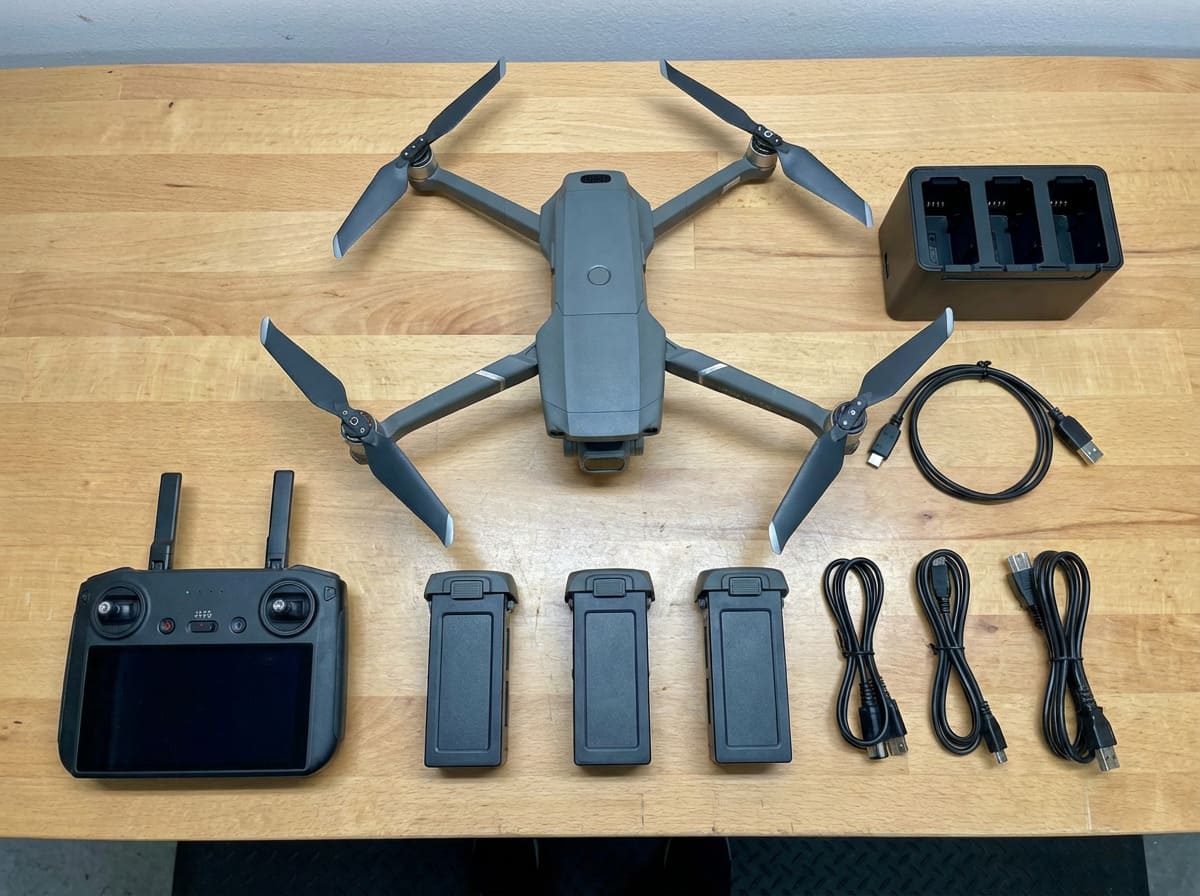
I talk to business owners like you every day. They see the potential of drone technology, but the numbers can seem intimidating. The good news is that breaking down these calculations is simpler than you think. It's about looking at the full picture, not just the price tag of the drone itself. Once you have a clear framework, you can confidently present a business case that makes financial sense. Let’s start by looking at the benefits that are often hardest to measure but can have the biggest impact.
How can you quantify intangible benefits like improved safety and reduced downtime for ROI calculations?
You know drones make job sites safer, but how do you assign a dollar value to an accident that never happened? If you can't, your ROI calculation will be incomplete, understating your investment's true value.
To quantify intangible benefits, assign them concrete financial values. For improved safety, calculate the average cost of a workplace accident in your industry (including fines and lost workdays) and multiply it by the reduced accident frequency. For downtime, calculate revenue lost per hour and multiply by hours saved.
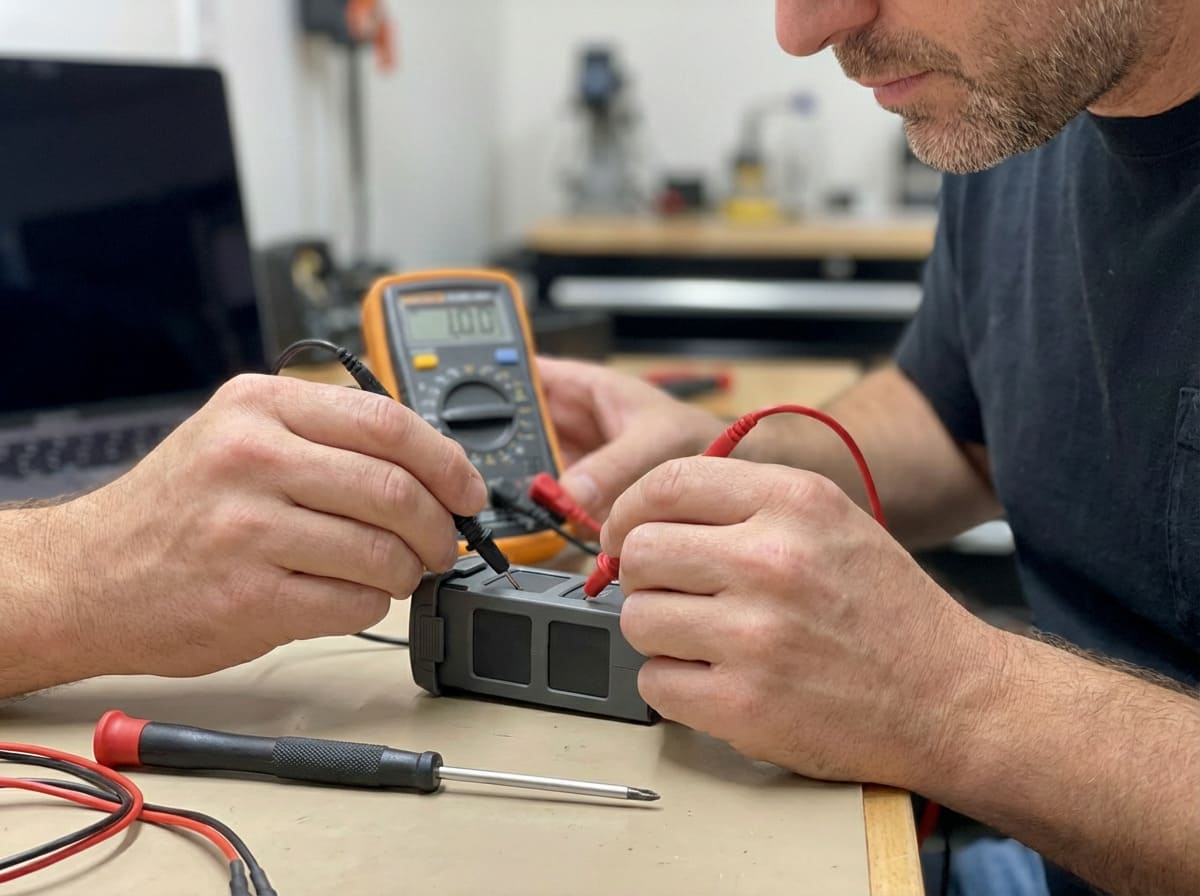
In my line of work, we help clients power devices for critical tasks, so we think about risk and value a lot. Let's dig deeper into how to turn these "soft" benefits into hard numbers for your ROI analysis. It's all about connecting actions to financial outcomes.
Valuing Improved Safety
Worker safety is a top priority, but it also has a clear financial component. A single accident can lead to staggering costs. Think about a dangerous task like inspecting a cell tower or a rooftop. Traditionally, this requires a person to climb, exposing them to fall risks. A drone eliminates that human risk entirely.
To put a number on this, you can research industry data for the average cost of a fall-related injury. This includes:
- Direct Costs: Medical bills, insurance premium hikes, legal fees.
- Indirect Costs: Regulatory fines (e.g., from OSHA in the U.S.), project delays, hiring and training a replacement, and damage to your company's reputation.
Here’s a simple way to look at it:
| Inspection Method | Human Risk Factor | Potential Cost of One Accident |
|---|---|---|
| Manual Climbing | High | $100,000+ |
| Drone Inspection | Negligible | $0 |
Even if the probability of an accident is low, the potential cost is enormous. By using a drone, you are effectively saving a percentage of that potential cost on every single inspection.
Valuing Reduced Downtime
In manufacturing, energy, or logistics, downtime is a direct hit to your bottom line. Every minute a production line is stopped or a power grid is offline, you are losing money. Drones can drastically shorten the time it takes to diagnose a problem.
Imagine a fault on a factory conveyor belt. A manual inspection might take a team two hours to locate the issue. A drone equipped with a thermal camera could fly over the line and spot an overheating motor in just 15 minutes.
- Time Saved: 1 hour and 45 minutes
- Revenue Lost per Hour: $20,000
- Total Savings: 1.75 hours * $20,000/hour = $35,000
Suddenly, the "intangible" benefit of speed has a very tangible value. This is where the quality of your drone's components, especially the battery, becomes critical. A battery failure mid-inspection erases all those time savings. That’s why a reliable power source isn't just a feature; it's the foundation of your ROI.
How should ongoing operational costs like insurance, certification, and compliance be estimated and accounted for in a TCO analysis?
You've budgeted for the drone, but now you're being hit with surprise costs for software and insurance. These unexpected expenses can turn a profitable drone program into a money pit, making your initial cost estimate useless.
To properly account for ongoing costs in your Total Cost of Ownership (TCO), create a detailed annual budget. Research industry-specific insurance premiums, pilot certification fees, software subscriptions, and maintenance costs. Sum these to find your annual operational overhead and add it to your TCO calculation over the drone's lifespan.
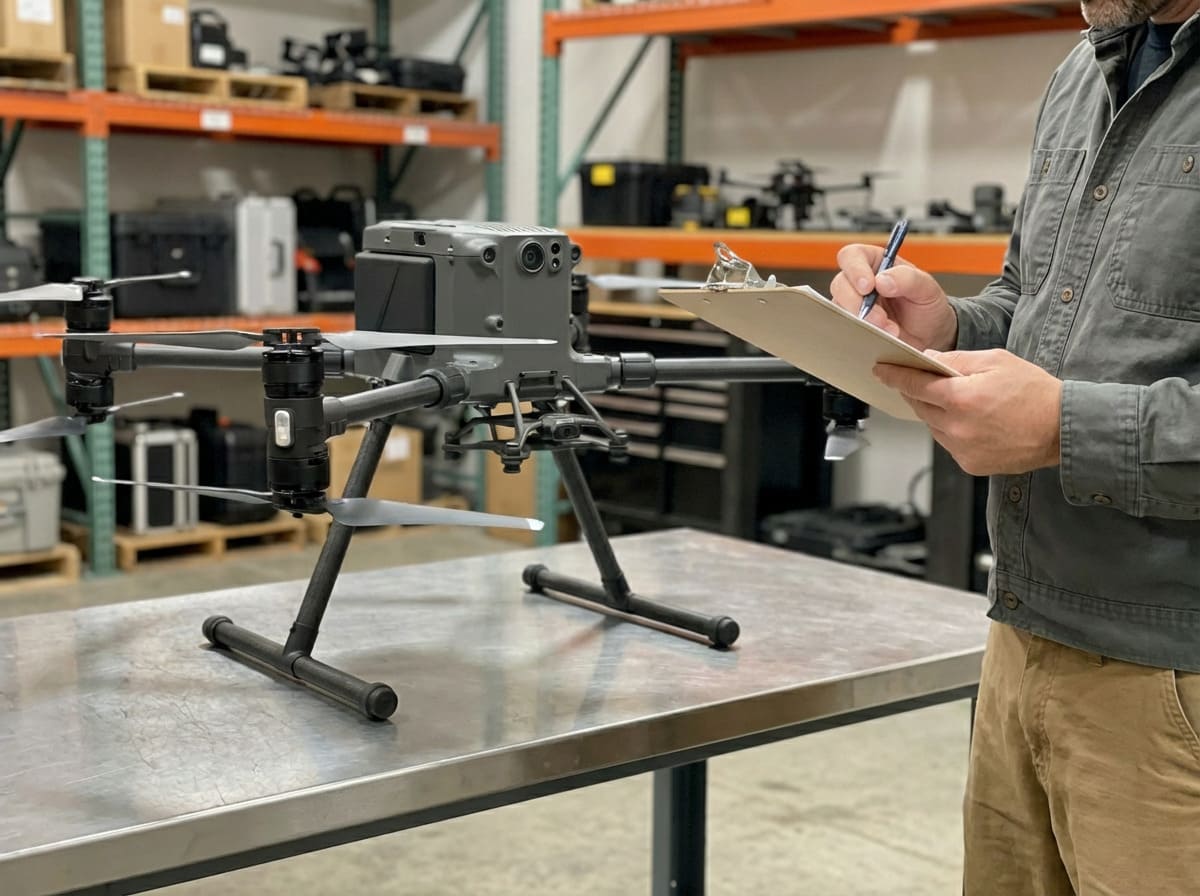
The initial purchase price of a drone is often just the tip of the iceberg. As a manufacturer, I always advise my clients to think about the entire lifecycle of their product. A low upfront cost can be misleading if the long-term expenses are high. Let's break down the most common operational costs you need to include in your TCO.
Core Operational Expenses
These are the recurring costs you can't avoid.
- Insurance: This is non-negotiable. You'll need liability insurance to cover potential damages and hull insurance to cover the drone itself. Rates vary widely based on your industry and the types of missions you fly.
- Certification & Training: In the U.S., pilots need an FAA Part 107 certificate, which requires recurrent testing. You may also need specialized training for advanced equipment like thermal or LiDAR sensors.
- Software: Flight planning, data processing, and fleet management almost always require monthly or annual software subscriptions. These can add up to thousands of dollars per year.
Maintenance and Consumables
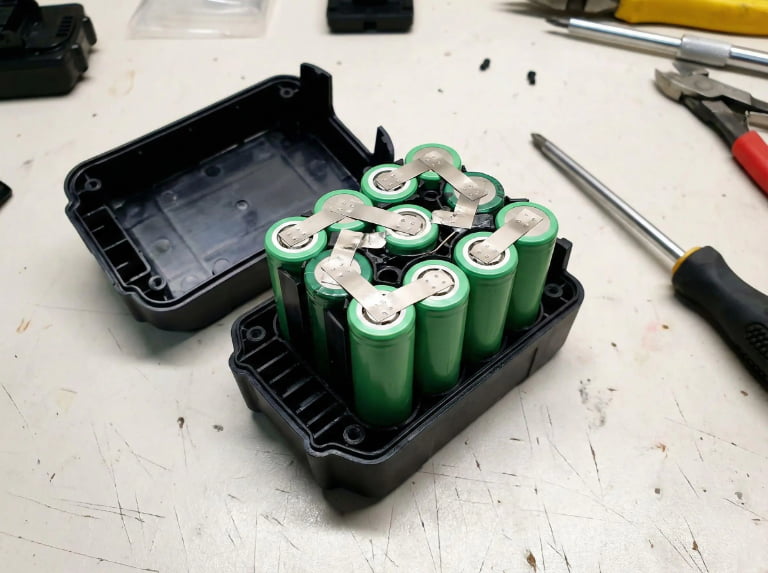
This is an area where TCO can differ dramatically from the initial price tag. Drones have parts that wear out and need regular replacement, such as propellers and motors. The most significant of these is the battery. Batteries are consumables with a finite number of charge cycles. This is a crucial point I discuss with customers like Michael, who value long-term performance in their medical devices. A cheap battery might seem like a saving at first, but if it has a short life or is unreliable, it will cost you more in the long run.
Consider this TCO comparison for batteries over a three-year period:
| Feature | Standard Battery | Litop High-Performance Battery |
|---|---|---|
| Purchase Price | $150 | $250 |
| Cycle Life | 200 Cycles | 600+ Cycles |
| Replacements Needed | 3 (or more) | 1 |
| Total Battery Cost | $450+ | $250 |
| Risk of Mission Failure | Higher | Minimal |
As you can see, the battery with the higher initial price actually results in a much lower TCO. Factoring this in gives you a far more accurate picture of your true operational costs.
How soon can you expect to see a positive return on investment after investing in a commercial UAS?
You've just spent thousands on a new drone system, and your boss is already asking when it will pay for itself. The pressure is on to show results, and without a clear timeline, the investment could be seen as a failure.
The payback period for a commercial UAS can range from a few months to over a year. It depends entirely on your initial investment, operating costs, and the value it generates. For high-utilization services like real estate photography or frequent industrial inspections, a positive ROI can be seen in 2-4 months.
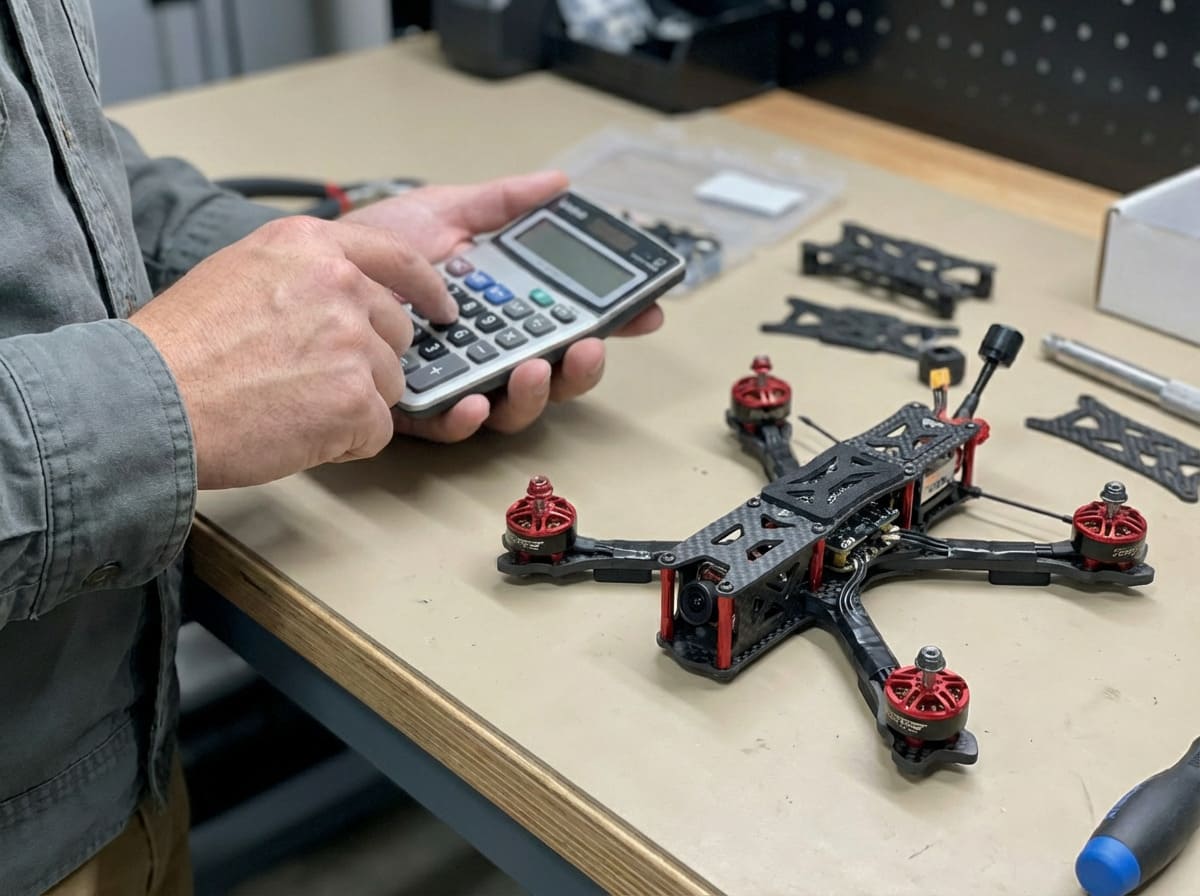
Calculating the payback period is one of the most satisfying parts of this process because it shows you exactly when your investment starts making you money. The formula is straightforward: Payback Period = Initial Investment / Net Monthly Profit (or Savings). Let's walk through two different scenarios.
Scenario 1: Revenue Generation Model
Let's use the example from my notes of a shared drone service at a tourist attraction. This is a direct revenue-generating model.
Initial Investment:
- Drone Hardware: $1,500
- Multiple High-Performance Battery Packs: $500
- Charging Station: $300
- Software & Licensing: $450
- Total Initial Investment: $2,750
Monthly Operations:
- Gross Revenue (100 flights @ ~$17/flight): $1,667
- Marketing & Platform Fees (30%): -$500
- Operational Costs (Maintenance, etc. at 10%): -$167
- Monthly Net Profit: $1,000
Payback Period Calculation:
- $2,750 (Initial Investment) / $1,000 (Monthly Net Profit) = 2.75 Months
In this high-volume model, the drone pays for itself in less than one business quarter. After that, it's pure profit.
Scenario 2: Cost Savings Model
Now, let's look at an industrial application, like a construction company using a drone for site surveying. Here, the ROI comes from cost savings.
- Cost of Traditional Survey: $5,000 (takes one week)
- Cost of Drone Survey: $500 in operator time and data processing (takes one day)
- Savings Per Survey: $4,500
If the total drone system cost was $10,000, you would calculate the payback period based on usage.
Payback Period Calculation:
- $10,000 (Initial Investment) / $4,500 (Savings Per Survey) = 2.2 Surveys
If the company performs one survey a month, the system pays for itself in just over two months. If they do one per week, the ROI is almost immediate. This demonstrates how, in high-value applications, the return on investment can be incredibly fast.
What are the biggest differences in cost and benefit metrics when calculating drone ROI and TCO across different industries?
You're trying to use an ROI template made for agriculture, but you're in public safety, and the numbers don't line up. Using the wrong metrics for your industry will lead to a flawed analysis and a bad decision.
The key metrics for drone ROI and TCO vary dramatically by industry. Agriculture focuses on yield increases and resource savings. Construction tracks time savings and error reduction. Public safety, however, prioritizes faster response times and improved situational awareness, valuing outcomes in lives and property saved.
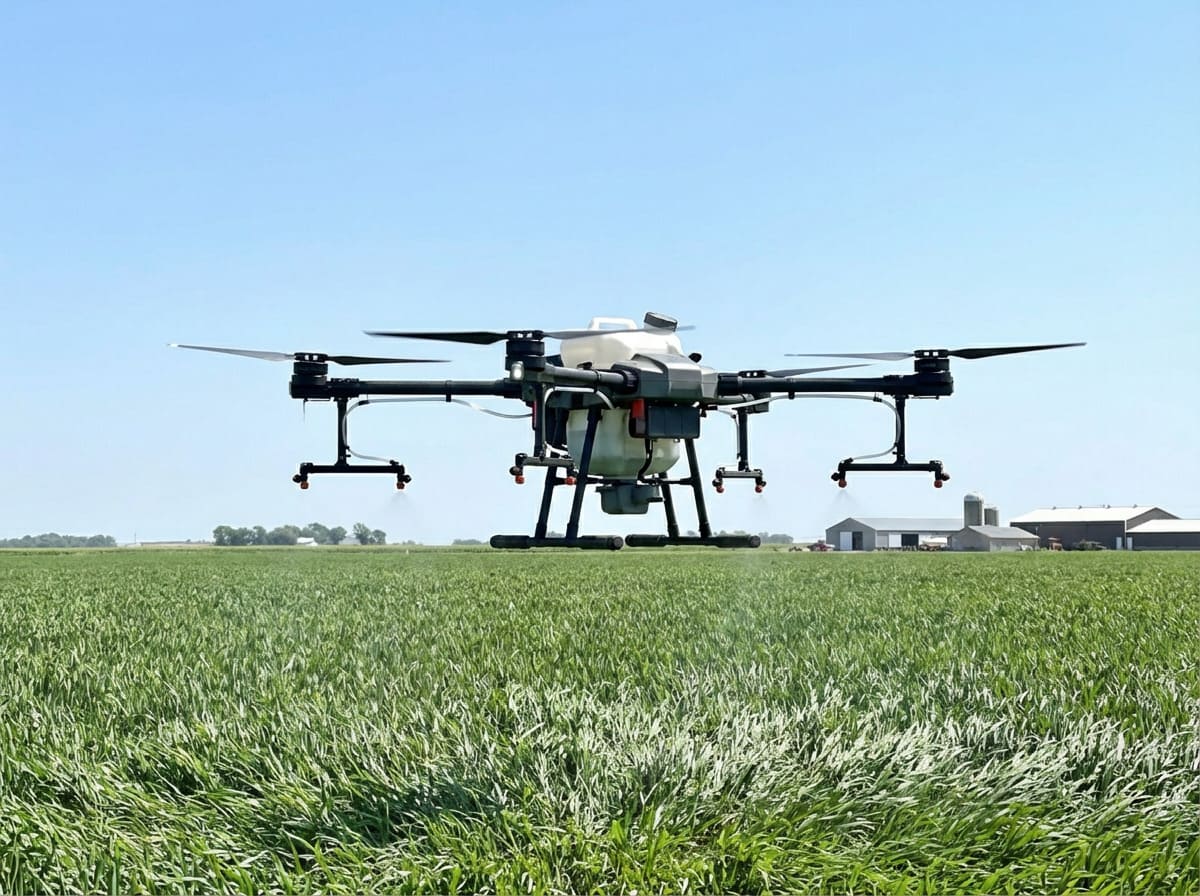
As a supplier to many different sectors, I've seen firsthand that a one-size-fits-all approach doesn't work. The value of a drone is defined by the job it does. What is considered a critical benefit in one field might be irrelevant in another. The key is to identify the Key Performance Indicators (KPIs) that matter most to your specific operations.
Let's compare a few key industries to see how their cost drivers and benefit metrics differ.
| Industry | Key Cost Drivers (TCO) | Key Benefit Metrics (ROI) |
|---|---|---|
| Agriculture | Specialized multispectral sensors, data processing software, a large number of batteries for covering vast areas. | Increased crop yield (%), reduced fertilizer/pesticide use ($ saved), early disease detection. |
| Construction | High-accuracy RTK/PPK GPS, durable drone frames, software for 3D modeling and volumetrics. | Reduced survey time (hours/days saved), fewer rework errors ($ saved), improved project tracking. |
| Public Safety | Thermal cameras, spotlights, loudspeakers, secure data links, ruggedized hardware. | Faster response time (minutes saved), improved situational awareness, enhanced officer safety (lives saved). |
| Energy/Utilities | High-zoom cameras, thermal sensors for inspection, drones capable of long-range flight, specialized software. | Reduced asset inspection costs ($/asset), minimized downtime ($/hour), removal of workers from dangerous situations. |
Let's look closer at Agriculture. A farmer flying a drone over hundreds of acres needs maximum efficiency. Flight time is everything. This is where battery performance is a dominant factor in the TCO. The need for high-energy-density batteries that maximize time in the air and minimize time on the ground swapping packs is paramount. A few extra minutes of flight time per battery, multiplied over dozens of flights, translates directly to lower labor costs and faster data collection, boosting the overall ROI.
Conversely, for Public Safety, the ROI isn't always financial. The "return" on using a drone to give a fire commander an overhead view of a blaze is measured in better resource deployment, which can lead to saving a home or a life. While you can partially quantify this by looking at reduced property damage claims, the primary benefit is mission effectiveness and safety, which are invaluable.
Conclusion
Calculating drone ROI and TCO requires a complete view. You must look beyond the initial price to include all operational costs, and you have to quantify both direct savings and intangible benefits like safety. A detailed analysis tailored to your industry will reveal the true financial value of your investment.