Frustrated with batteries dying in the cold? This unreliability can hurt your product's reputation. Understanding different battery chemistries is the key to solving this performance problem for good.
Sodium-ion batteries excel in the cold, retaining over 90% capacity at -20°C. NMC lithium batteries are next, with about 70% retention. Standard LFP and lead-acid batteries perform poorly, though specialized low-temperature LFP batteries offer a significant improvement, making them a viable, safer alternative.
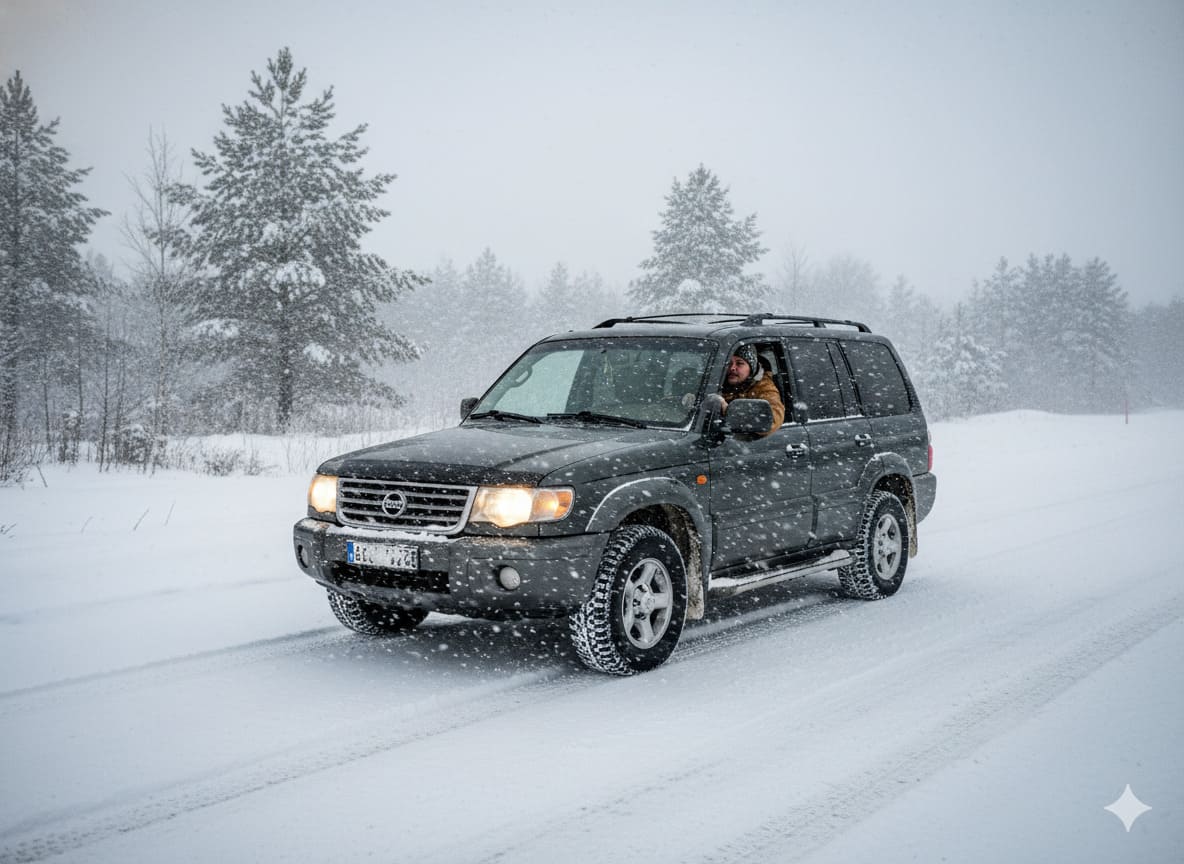
Choosing the right battery isn't just about picking the one that works best in the cold; it's about understanding the specific trade-offs and risks involved with each type. For instance, have you ever wondered why charging a lithium battery in freezing temperatures is so dangerous? The science behind it is fascinating and critical for anyone designing a reliable product. Let's dive deeper into the specifics of why certain batteries struggle and what you can do about it.
Why Can't Lithium Batteries, Especially LFP, Be Charged Below 0°C? What Permanent Damage Occurs From Forced Charging?
Ever charged a device in freezing weather? You might be causing irreversible harm without even knowing it. This damage shortens battery life and can even create dangerous safety risks.
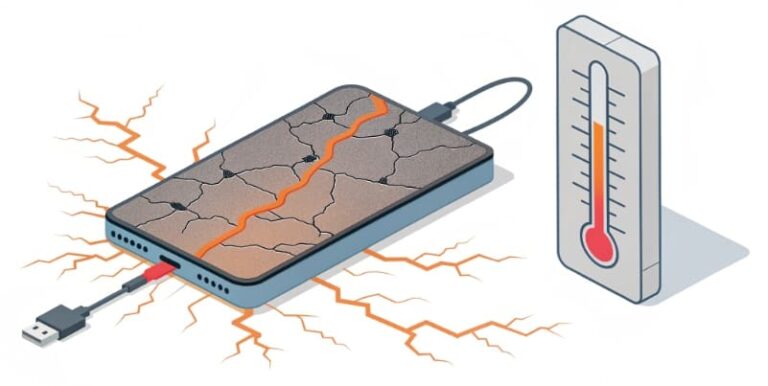
Below 0°C, lithium ions move slower and can't effectively embed into the anode. Instead, they plate on the anode's surface as metallic lithium. This process, called lithium plating, permanently reduces capacity, increases internal resistance, and can lead to short circuits and thermal runaway.

At Litop, we often get questions from clients like Michael, who are developing medical devices that need to be reliable in all conditions. He once asked me, "Caroline, why is this 0°C rule so strict? Can't we just push a little charge into it?" It's a great question that gets to the heart of battery safety.
The Science of Lithium Plating
When you charge a lithium battery, lithium ions travel from the cathode to the anode and insert themselves into the anode's graphite structure. Think of it like parking cars in a multi-level garage. In cold temperatures, however, this process slows down dramatically. The lithium ions are sluggish and the anode is less receptive. If you force the charge, the "cars" can't get into their "parking spots" fast enough. Instead, they pile up on the surface of the anode, forming a layer of metallic lithium. This is what we call lithium plating. This isn't a temporary issue; it's permanent damage. Each charging cycle in the cold adds to this metallic layer, which can grow into sharp, needle-like structures called dendrites.
| Consequence of Lithium Plating | Description |
|---|---|
| Permanent Capacity Loss | The plated lithium is no longer available for the charge/discharge cycle. |
| Increased Internal Resistance | The plating obstructs ion flow, making the battery less efficient and prone to heating. |
| Safety Hazard (Short Circuit) | Dendrites can grow through the separator and touch the cathode, causing a short circuit. |
| Thermal Runaway | A short circuit can lead to a rapid, uncontrolled release of energy, fire, or explosion. |
This is why a well-designed Battery Management System (BMS) is non-negotiable. Our BMS solutions at Litop are programmed to prevent charging below a safe temperature threshold, protecting the battery, your product, and the end-user.
Can Sodium-Ion Batteries Really Solve the Problem of Reduced EV Range in Winter? What Are Their Pros and Cons?
Worried about your electric vehicle's range dropping drastically in winter? This "range anxiety" makes EVs seem impractical for cold climates. But a new technology, sodium-ion batteries, promises a solution.
Yes, sodium-ion batteries significantly improve winter performance. They can retain over 90% of their capacity at -20°C. Their main advantages are excellent low-temperature performance and lower cost due to abundant sodium. However, their primary drawback is lower energy density compared to lithium-ion batteries.

Sodium-ion (Na-ion) technology is gaining a lot of attention, and for good reason. From a chemical standpoint, sodium ions are larger than lithium ions, which might sound like a disadvantage. However, the way they interact with the electrolyte and electrode materials at low temperatures is different and more efficient. The energy required for sodium ions to move is lower, meaning they can travel more easily to the anode, even when it's freezing. This results in much better charge and discharge performance in the cold. I remember a conversation with a potential client from Canada who was developing electric snowmobiles. He was frustrated with the performance drop of lithium batteries. When we discussed sodium-ion, it was a lightbulb moment for his project.
Sodium-Ion: A Balanced View
While the low-temperature performance is a game-changer, it's not a perfect solution for every application. You have to consider the trade-offs, especially for products where size and weight are critical.
| Aspect | Advantages | Disadvantages |
|---|---|---|
| Performance | Excellent low-temperature tolerance (works at -40°C). | Lower energy density (~140-160 Wh/kg vs. 250+ for NMC). |
| Cost | Raw materials (sodium) are abundant and cheap. | Manufacturing is still scaling up, not yet at full economy. |
| Safety | Generally considered safer, less prone to thermal runaway. | The technology is newer, with less long-term real-world data. |
| Lifecycle | Good cycle life, comparable to LFP batteries. | Research and development are still ongoing. |
For applications where weight and space are less critical but cost and cold-weather reliability are paramount—like stationary energy storage or certain types of vehicles—sodium-ion is incredibly promising. It's a technology we at Litop are watching very closely as it matures.
In Frigid Regions, Which Is Better for Home Energy Storage or Vehicle Power: NMC or LFP?
Trying to decide between NMC and LFP batteries for a cold-climate project? The wrong choice could mean a system that fails in the dead of winter. Let's clarify their differences to help you decide.
For raw performance, NMC (Nickel Manganese Cobalt) is generally better in the cold, retaining more capacity. However, LFP (Lithium Iron Phosphate) is safer, has a longer cycle life, and is cheaper. With a proper heating system, a specialized low-temperature LFP battery is often the superior long-term choice.
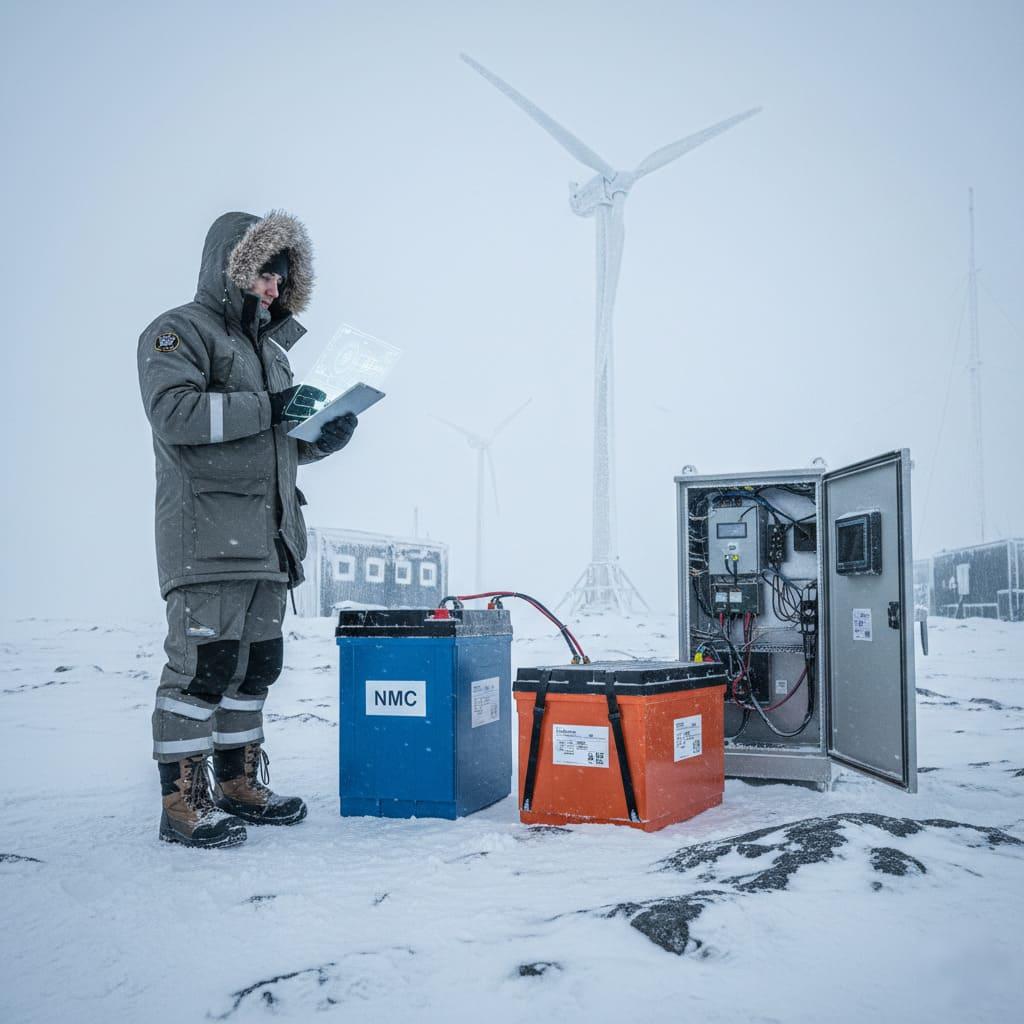
This is a classic dilemma we help our customers navigate every day. The answer isn't simply "one is better than the other." It depends entirely on your priorities: raw performance versus safety, longevity, and cost. A standard, off-the-shelf LFP battery will perform quite poorly in sub-zero temperatures. Its internal resistance spikes, and its usable capacity can drop by over 60%. A standard NMC battery fares better, which is why it's common in high-performance EVs. However, the game changes when you introduce specialized low-temperature LFP batteries, like the ones we engineer at Litop. These use modified electrolytes and materials to dramatically improve cold-weather performance, bringing them much closer to NMC levels while retaining LFP's inherent benefits.
Head-to-Head: NMC vs. LFP in the Cold
Here’s a breakdown for a typical -20°C (-4°F) scenario, comparing standard NMC to a specialized low-temperature LFP.
| Feature | Ternary Lithium (NMC) | Lithium Iron Phosphate (LFP) - Low-Temp Version |
|---|---|---|
| Capacity Retention | Good (~70-80%) | Very Good (~85-95% with proper design) |
| Energy Density | Higher (more power in less space/weight) | Lower |
| Safety | Good, but lower thermal stability than LFP | Excellent, very stable chemistry |
| Cycle Life | Good (2,000-3,000 cycles) | Excellent (4,000-6,000+ cycles) |
| Cost | Higher (uses expensive cobalt) | Lower |
So, what's my recommendation? For a high-performance EV where every gram matters, NMC might still have an edge. But for home energy storage or commercial vehicles where safety, long-term cost, and durability are the top priorities, a properly managed, low-temperature LFP system is almost always the smarter, more robust choice.
How Can We Improve Battery Performance in Extreme Cold Using External Methods like Insulated Boxes, Self-Heating Tech, or BMS Algorithms?
What if you're stuck with a battery that hates the cold? Redesigning your product is often not an option. Thankfully, you can use clever external systems to boost performance significantly.
To boost cold performance, use a multi-layered approach. An insulated enclosure maintains temperature. Self-heating technology uses a small amount of the battery's own energy to warm the cells before charging or heavy use. Finally, a smart BMS can optimize everything based on temperature data.
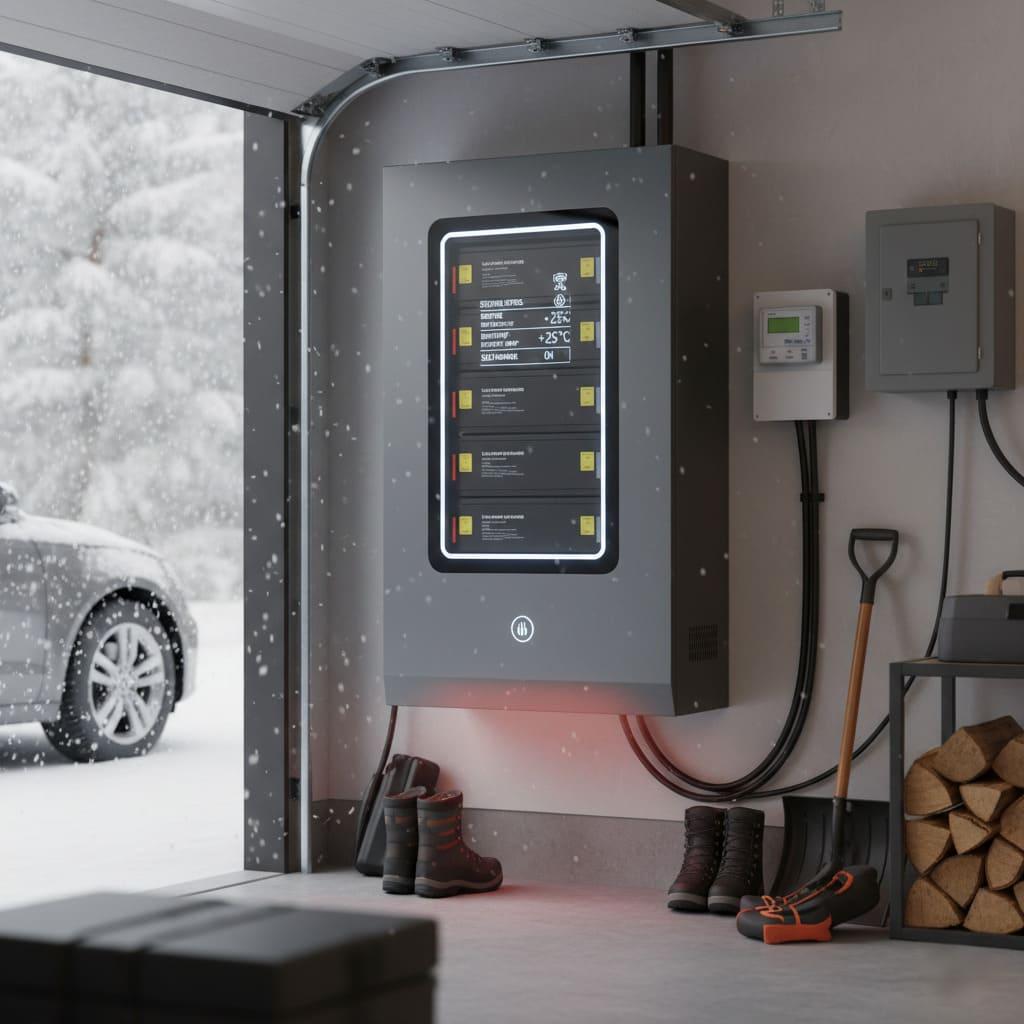
Just because a battery has poor native cold performance doesn't mean it's useless in a cold environment. Most high-reliability systems we build for clients in places like Russia and Canada rely on the system around the battery. A well-designed battery pack is an ecosystem.
Insulation: The First Line of Defense
The simplest step is passive thermal management. An insulated box, much like a winter coat, traps the heat the battery naturally generates during operation. This slows down cooling, keeping the cells in their optimal temperature range for longer. It's a low-cost, effective first step.
Self-Heating Technology: Active Thermal Management
For extreme cold, active heating is necessary. At Litop, we can integrate thin heating films directly into the battery pack. When the BMS detects low temperatures, it diverts a small amount of energy to the film, gently warming the cells to an operational temperature (e.g., above 5°C) before allowing charging or heavy use.
The Smart BMS: The Brain of the Operation
The Battery Management System (BMS) ties everything together. It constantly monitors cell temperature and makes critical decisions. A smart BMS will:
- Prevent charging below 0°C.
- Activate the self-heating system when needed.
- Limit the discharge current when the battery is cold to prevent damage.
- Adjust charging algorithms based on temperature for maximum efficiency.
By combining these methods, we can make even a standard battery perform reliably at -30°C. It’s all about designing a complete, intelligent system, which is exactly what we specialize in at Litop.
Conclusion
Choosing the right battery for cold weather involves trade-offs. Sodium-ion excels but has lower density. NMC is a good performer. However, a specialized LFP battery with smart thermal management often provides the best balance of safety, longevity, and cost-effective reliability for demanding applications. If you need sodium-ion batteries or want to learn more about sodium-ion battery technology, please feel free to contact us at [email protected].