Struggling to find real high-capacity batteries? Worried about fakes that underperform and create safety risks? I'll show you how to secure genuine cells directly from China.
To source genuine high-capacity battery cells from China, prioritize official brand channels or authorized distributors. Always request batch quality reports, factory inspection data, and clear after-sales service terms to ensure traceability and quality. Avoid unverified sellers on large platforms. This is the surest way to get authentic products.

Sourcing from China can feel like navigating a maze, especially with batteries. You see promises of high capacity at low prices, but how do you know what's real? The stakes are high; a bad battery can ruin your product's reputation and even pose a safety hazard. I've been in this industry for over eight years, and I've seen it all. Let me guide you through the process, step by step, so you can buy with confidence and avoid the common pitfalls. It's about knowing what to ask for and who to trust.
What reliable certifications (like UN38.3, UL, CE) and documents can you ask for to ensure compliance and safety?
Worried your batteries won't meet international safety standards? Afraid of customs issues or product liability? You need proof of compliance, but it's hard to know which documents actually matter.
Always demand key certifications like UN38.3 for transport safety1, CE for the European market, and UL for North America. Also, request the Material Safety Data Sheet (MSDS)2 and batch-specific test reports. A legitimate supplier like Litop will provide these without hesitation.
When you're sourcing batteries, documents are your first line of defense. They aren't just pieces of paper; they are proof that the product meets global standards for safety and quality. A professional supplier knows this and will have everything ready. If a potential partner hesitates or makes excuses when you ask for these files, consider it a major red flag. They might be hiding something, or they simply might not have done the required testing. Either way, it’s a risk you can’t afford to take, especially if your products are for medical or high-value consumer electronics. These documents protect your business, your customers, and your reputation.
Here is a breakdown of the most critical documents and what they mean for you:
Key Certifications and Their Importance
| Certification | What It Covers | Why It's Important For You |
|---|---|---|
| UN38.3 | Transport Safety (tests for shock, vibration, short circuit, etc.) | This is mandatory for shipping lithium batteries by air, sea, or land. Without it, your shipment will be stopped. It ensures the battery can be transported safely. |
| UL (e.g., UL1642, UL2054) | Product Safety (electrical, fire, and mechanical hazards) | This is a key safety standard, especially for market access in North America. It shows a commitment to high safety and quality. |
| CE Mark | EU Market Compliance (meets health, safety, and environmental standards) | This is essential if you plan to sell your final product anywhere within the European Union. It's a declaration of conformity. |
| IEC 621333 | International Safety Standard for portable batteries | This is a globally recognized benchmark for battery safety. Many other national standards are based on it, making it a strong indicator of quality. |
| MSDS/SDS | Material Safety Data Sheet / Safety Data Sheet | This document provides details on handling, storage, and emergency procedures. Shippers and customs officials require it for all dangerous goods. |
Always ask for copies of these certificates. A trustworthy manufacturer will also provide batch-specific quality reports and factory inspection data, linking the paperwork directly to the cells you are buying.
How can you quickly spot fake or low-quality batteries with a physical check?
You've received a batch of batteries that look okay, but something feels off. Are you concerned you've been sent fakes or Grade B cells? There are simple physical checks you can do.
Check the battery's weight; genuine high-capacity cells are denser and heavier. Scrutinize the label for poor printing quality, spelling errors, or blurry logos. Authentic batteries have crisp, clear printing and often a unique, verifiable serial number on each cell.
While documents are crucial, you should never skip a physical inspection. I once had a client, Michael, who was building a new medical device. He got samples from another supplier that seemed too good to be true. He sent them to us for evaluation. The first thing we did was put them on a high-precision scale. They were nearly 20% lighter than the genuine cells they were supposed to be. That weight difference comes from one thing: less active material inside, which means lower capacity and performance. Fakes are often filled with cheaper, lighter materials to cut costs.
Here’s a simple checklist you can use for a quick physical inspection:
Visual and Physical Checks for Authenticity
- Weight is a Big Clue: As I mentioned, fakes are almost always lighter. Get the official datasheet for the cell model you are buying and check the specified weight. Compare it against the cells you receive. A significant difference is a clear sign of a fake.
- Examine the Wrapper and Printing: Look very closely at the PVC wrap or label on the cell.
- Printing Quality: Authentic cells from major brands like Samsung, LG, or Panasonic have flawless, high-resolution printing. Fakes often have blurry text, slightly incorrect colors, or even spelling mistakes.
- Wrapper Seams: The wrapper on a genuine cell is applied perfectly, with a clean, straight seam. Fakes might have sloppy seams, wrinkles, or air bubbles underneath.
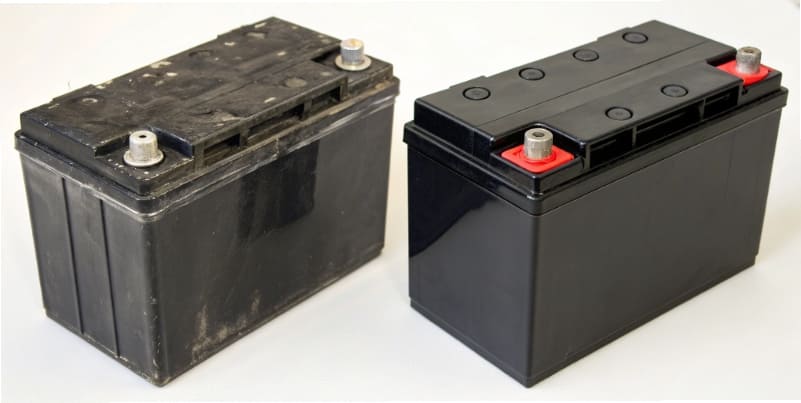
- Check the Terminals: The positive and negative ends of the battery should be clean and precisely manufactured. Be suspicious if you see scratches, dents, or small marks from spot welding that has been removed. This often means you have been sold used or recycled cells that were taken from old battery packs and re-wrapped to look new.
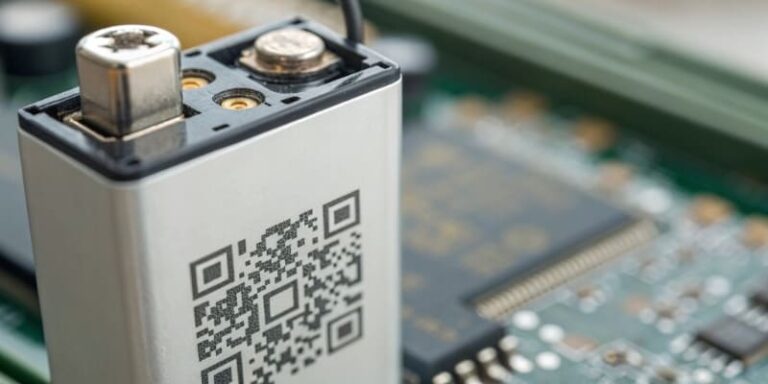
- Look for Unique Serial Numbers: Many top-tier manufacturers now print a unique serial number or QR code on every single cell. If all the batteries in your batch have the exact same serial number, they are almost certainly fake. A real production run will have sequential or unique codes.
These simple checks take only a few minutes but can save you from a massive headache down the line.
What are the risks of sourcing batteries from online platforms like Alibaba, and how can you screen suppliers effectively?
Tempted by the incredibly low prices you see on platforms like Alibaba? But how do you separate the genuine manufacturers from the shady traders? The risk of getting scammed is real.
The biggest risk is "picture selling"—traders show photos of high-quality cells but ship fakes or Grade-B stock. To screen suppliers, check their business license, years on the platform, transaction history, and customer reviews. Always insist on video calls to see their factory and stock.

Online B2B platforms are powerful tools, but they are full of risks when it comes to high-tech components like batteries. The most common problem is what I call "picture selling." A small trading company in a tiny office can download high-quality images of genuine Panasonic 18650 cells, create a professional-looking listing, and offer them at an unbeatable price. When you place an order, they scramble to find the cheapest possible cells, wrap them in fake labels, and ship them to you. You think you're getting A-grade cells, but you're actually getting low-capacity, untested, or even used products.
At Litop, we are a manufacturer. We control the entire process from R&D to production. When you talk to us, you are talking to the source. This is the best way to avoid these risks.
If you must use these platforms, here is how to screen potential suppliers more effectively:
A 4-Step Screening Process for Online Suppliers
- Investigate Their Profile: Don't just look at the product photos. Dig into the supplier's company profile.
- Business Type: Look for "Manufacturer" or "Manufacturer, Trading Company." Be cautious of profiles that only say "Trading Company."
- Years on Platform: A supplier with 5+ years on the platform is generally more stable and reliable than a company that just registered last month.
- Verification Badges: Look for "Verified Supplier" or similar badges, which mean the platform has done some basic checks on the company’s existence and location.
- Ask for Legal Documents: A real manufacturer will not hesitate to share their business license and quality system certifications, like ISO90014. Check if the company name on the license matches the store name.
- Demand a Live Video Factory Tour: This is my favorite test. Tell them you are a serious buyer and want a live video call to see their facility. Ask them to walk you through their production line, show you their testing equipment, and pan across their warehouse inventory. A trader can't do this. A real factory will be proud to show off its operations.
- Always Start with a Sample Order: Never place a large order without first getting and testing samples. When you test them, use the physical checks I mentioned earlier and, if possible, run them through a battery analyzer to verify their capacity and internal resistance.
This process requires more effort, but it dramatically reduces your risk of being scammed.
What specific safety regulations and shipping documents are needed for importing lithium batteries internationally?
Confused by the complex rules for shipping lithium batteries? Worried your shipment will get stuck in customs or be rejected by carriers because of missing paperwork? You need to get this right.
For international shipping, you must classify batteries correctly (e.g., UN3480 for batteries alone). You will need a Shipper's Declaration for Dangerous Goods, the MSDS, and the UN38.3 test report. All packages must have the correct lithium battery handling labels.
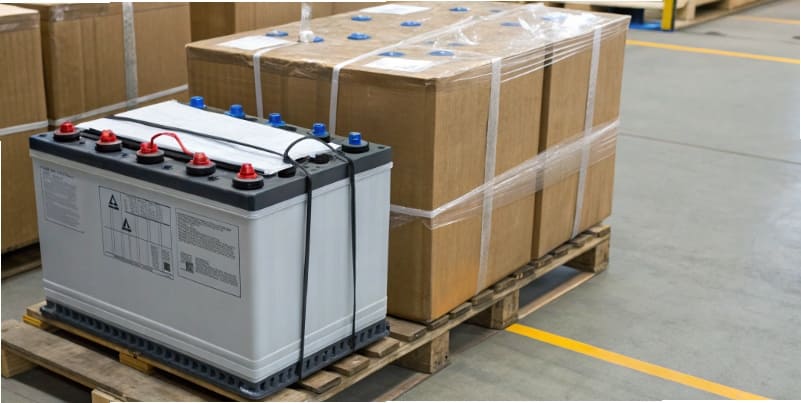
Shipping lithium batteries is not like shipping T-shirts. They are classified as "Dangerous Goods" (Class 9) for a reason, and the regulations are strict and non-negotiable. I have seen clients' shipments held in customs for weeks, costing them thousands in delays and fees, all because of a missing label or an incorrect document. A professional supplier understands these rules inside and out because it's part of our daily business. We ensure every shipment is 100% compliant. If a supplier seems unsure about shipping requirements, they are not experienced enough to be your partner.
Here’s what you need to know to ensure a smooth shipping process:
Essential Guide to Battery Shipping Compliance
- Correct Classification: The first step is to correctly identify your shipment with a UN number. The two most common for lithium-ion cells are:
- UN3480: For lithium-ion batteries shipped by themselves. This category has the strictest regulations.
- UN3481: For lithium-ion batteries packed with or contained in equipment. The rules are slightly different but still very strict.
- Mandatory Documents: Your freight forwarder and customs will require this paperwork.
- Shipper's Declaration for Dangerous Goods: This is a formal declaration, typically for air freight (IATA), that details the hazardous materials in the shipment. It must be filled out perfectly.
- MSDS/SDS: As we discussed, this provides technical details for safe handling. No carrier will accept the shipment without it.
- UN38.3 Test Report or Summary: This is your proof that the batteries passed all required transportation safety tests.
- Proper Packaging and Labeling: This is where many inexperienced suppliers make mistakes.
- Strong Outer Packaging: The box must be strong enough to withstand drops and impacts. It often needs to be a UN-certified box.
- Required Labels: The package must display several labels, including the Class 9 Dangerous Goods label and the specific lithium battery handling mark. These labels must be the correct size, color, and be placed on the correct side of the box.
Before your supplier ships your order, ask them to send you photos of the final packaged goods, showing all the labels clearly. This allows you to do a final check and gives you peace of mind that your valuable shipment will travel safely and without delays.
Conclusion
Sourcing genuine high-capacity batteries from China is very achievable. You just need to focus on verified suppliers, demand the right certifications, perform physical checks, and understand the shipping rules. Building a relationship with a trusted manufacturer like Litop removes the guesswork and ensures you get the quality you pay for.
Learn why UN38.3 certification is mandatory for shipping lithium batteries and how it ensures safe transportation. ↩
See how the MSDS provides critical safety, handling, and emergency information required by shippers and customs. ↩
Explore why IEC 62133 is a globally recognized benchmark for battery safety and its role in international compliance. ↩
Learn how ISO9001 certification indicates a supplier's commitment to quality management and consistent production. ↩