The market is full of fake batteries that overpromise and underdeliver. This can damage your product and your brand's name. It's a risk you can't afford to take.
To identify fake high-capacity batteries, check for unrealistically high capacity ratings, poor-quality printing on the label, and unusually low weight. Also, verify serial numbers on the manufacturer's official website and always purchase from authorized distributors to ensure authenticity and safety.

A client of mine, Michael, who runs a medical device company in the U.S., once told me a frustrating story. He sourced a batch of batteries from an unknown supplier because the price and stated capacity seemed too good to be true. And they were. The devices failed prematurely, leading to a costly recall and a hit to his company's reputation. This experience taught him, and reminds me, that vetting your components is not just about cost; it's about protecting your entire business. Understanding how to spot a fake is a crucial skill for any procurement officer or business owner.
How can you spot and avoid fake claims of super high capacity when buying batteries?
You found a battery with a massive capacity for a low price. But this could be a major red flag that leads to product failure and unhappy customers.
Avoid batteries with capacity claims that far exceed industry standards for their size. For example, a real 18650 battery's capacity is typically under 3600mAh. Anything advertised as 5000mAh or higher is almost certainly fake. Always be skeptical of numbers that seem too good to be true.
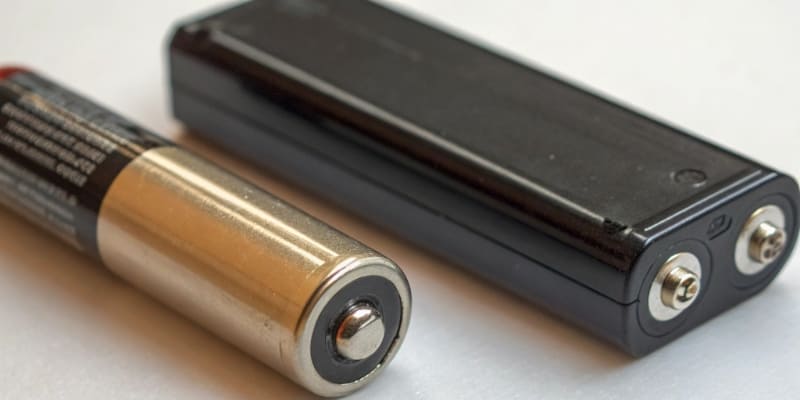
In my 8 years in the battery industry, the most common trick I've seen is the inflated capacity claim1. It's a simple and effective way to fool buyers who are focused on performance specs. But a little knowledge of industry norms can protect you. The chemical and physical limits of battery technology are well-established. A specific cell size, like a 18650 or 21700, has a maximum possible energy density with current technology. Manufacturers who claim to magically bypass these limits are not being honest.
Check Against Reality
A good first step is to compare the advertised capacity against known maximums for that battery type. Look at datasheets from major, reputable brands to get a baseline. If a deal looks exceptional, it probably is for the wrong reasons.
| Battery Type | Typical REAL Max Capacity | Common FAKE Capacity Claims |
|---|---|---|
| 18650 | ~3600 mAh | 5000mAh, 9900mAh, 12000mAh |
| 21700 | ~5000 mAh | 6000mAh, 8000mAh, 10000mAh |
| AA Li-ion | ~2000 mAh | 3000mAh, 4000mAh |
| 26650 | ~5500 mAh | 7000mAh, 9000mAh |
Look for Voltage Mismatches
Another telltale sign is incorrect voltage. Some counterfeiters will package cheaper Nickel-Metal Hydride (NiMH) cells, which have a nominal voltage of 1.2V, inside a wrapper that claims it's a Lithium-ion battery. A standard single-cell Li-ion battery should have a nominal voltage of 3.6V or 3.7V. If you see a "lithium" battery with a voltage that is a multiple of 1.2V, it’s a clear warning sign. Professional testing equipment will also reveal a very poor discharge curve, where the voltage drops off rapidly under load, unlike a quality Li-ion cell.
How can you check a battery's authenticity using its package, label, or serial number?
You're holding a battery, and it looks real, but you're not sure. Relying on appearance alone can be a costly mistake if the battery is a clever fake.
Examine the packaging for high-quality, sharp printing. Genuine batteries have clear text and graphics, while fakes often have blurry fonts or off-colors. Cross-reference the serial number on the battery with the manufacturer’s official website to confirm its authenticity.
The details on the battery itself are like a fingerprint. At Litop, we ensure every aspect of our custom batteries, from the wrapper to the contacts, reflects our quality standards. Counterfeiters, on the other hand, almost always cut corners on these details. The first thing I tell my clients to check is the physical quality. This goes beyond just the label. It includes the weight, the feel of the casing, and the condition of the metal contacts. A genuine battery feels solid and well-made. A fake often feels cheap and light.
The Three-Point Physical Check
When a new battery shipment arrives, you can perform a quick physical inspection.
- Weight and Feel: Counterfeit batteries are often significantly lighter than genuine ones, sometimes by 10-15% or more. This is because they use lower-quality, less dense materials, or in some extreme cases, are partially filled with sand to add weight. The plastic casing on a fake may also feel brittle or have a rough texture, unlike the smooth, durable polymer of a genuine battery.
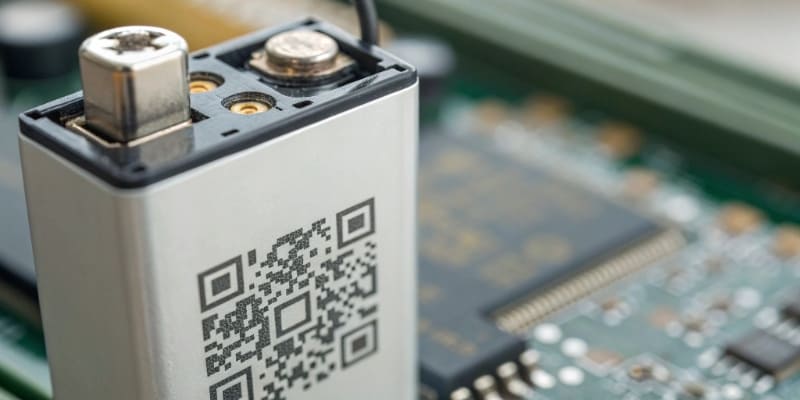
- Printing and Labels: Look closely at the wrapper. Genuine products from reputable manufacturers like us use high-resolution printing that is crisp and clear. Fakes often have fuzzy text, spelling errors, or logos that are slightly misshapen. Also, look for unique identifiers like QR codes or holographic stickers2 that many brands use as an anti-counterfeiting measure.
- Electrical Contacts: The positive and negative terminals should be clean, flat, and free of any marks. If you see scratches, oxidation, or small remnants of solder, you might be looking at a refurbished or used cell that has been re-wrapped to look new. New, quality batteries have pristine contacts.
A very reliable method some brands use is the "three codes in one" verification. This means the serial number printed on the battery, the information read by scanning a QR code, and the ID detected by device software must all match perfectly. Any mismatch is a huge red flag.
What are the safety risks of using fake or counterfeit batteries?
You might think a fake battery just means poor performance. But the real danger is much more serious, including the risk of fire, explosions, and damage to your expensive devices.
Fake batteries pose a significant safety risk because they lack essential safety features like a proper Battery Management System (BMS). They use substandard materials that can lead to internal short circuits, overheating, swelling, fire, and even explosions under normal use.
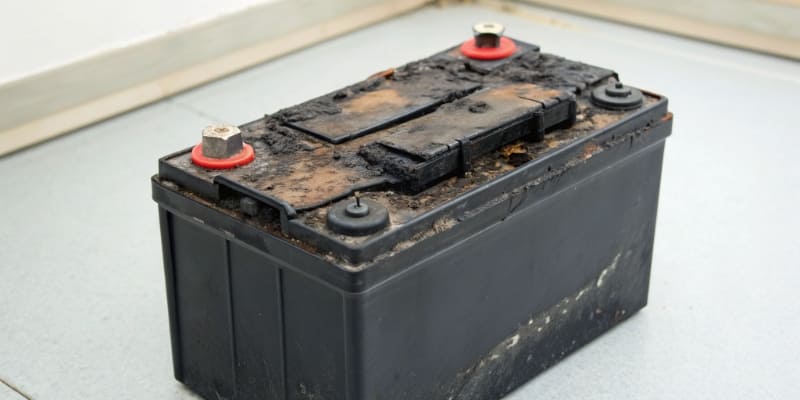
This is the part that worries me most as a manufacturer. A poorly made battery isn't just a component; it's a potential safety hazard. For my clients in the medical and wearable tech fields, product reliability is linked directly to user safety. A failure is not an option. Fake batteries are built with one goal: to look real enough to sell. Safety and quality are not part of that equation. They cut costs by using cheap, unstable chemical formulas and omitting critical safety components.
The Anatomy of a Disaster
Inside a counterfeit battery, you'll find a recipe for failure.
- No Protection Circuit Module (PCM/BMS)3: All quality lithium batteries, especially those in battery packs, include a small circuit board. This is the brain that protects against over-charging, over-discharging, and short circuits. Counterfeiters almost always leave this out to save a few cents. Without it, the battery is a time bomb. If overcharged, it can enter a state called thermal runaway.
- Poor-Quality Separator: Inside the battery, a thin, porous membrane called a separator keeps the positive and negative electrodes from touching. In cheap batteries, this separator can be low-quality and prone to tearing or melting, especially when hot. If the electrodes touch, it causes an internal short circuit, which leads to rapid heating and potential fire.
- Substandard Materials: From the electrode coatings to the electrolyte, every component in a fake battery is chosen for cost, not performance or safety. These materials degrade quickly, can't handle high charge or discharge rates, and produce excess gas, which is why fake batteries often swell up.
When thermal runaway occurs, the battery's internal temperature rises uncontrollably, causing the electrolyte to boil and burst from the casing, often with fire. For a device worn on the body or used in a medical setting, the consequences can be catastrophic.
Are there official apps, websites, or tools to check if a battery is real?
You've done the physical checks, but you want absolute certainty. You're wondering if there's a foolproof digital tool you can use to verify a battery's authenticity.
Yes, many major battery brands provide an official verification tool on their website. You can typically find a unique security code on the battery's packaging, scratch it off to reveal the number, and enter it online to confirm if the product is genuine.
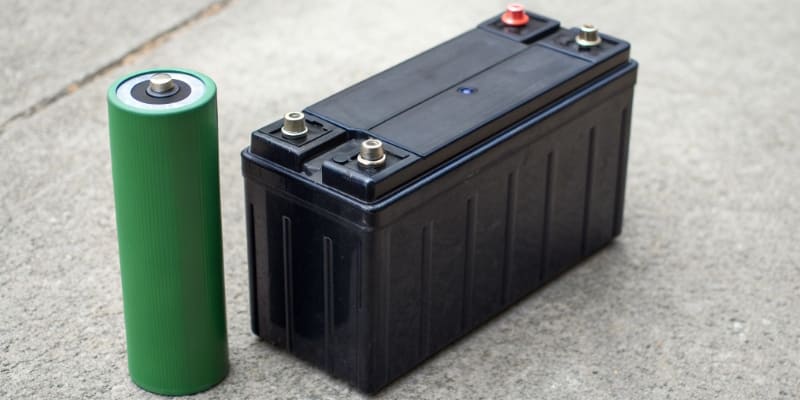
Using a brand's official verification system is the final and most reliable step you can take. These systems are designed specifically to combat counterfeiting. As a manufacturer, we understand the importance of giving our customers peace of mind. That’s why we, and other reputable companies, invest in these security measures. It creates a direct link between the physical product in your hand and the manufacturer's secure database, bypassing any fake packaging or misleading claims.
How to Use Verification Systems Effectively
While these tools are powerful, you need to use them correctly.
- Go to the Official Website: The most critical step is to ensure you are on the manufacturer's real, official website. Counterfeiters are clever and sometimes create fake verification pages that will approve any code you enter. Double-check the website address (URL) for accuracy. A quick search for "[Brand Name] official site" is a good practice.
- Use the Unique Security Code: Look for a scratch-off panel or a sticker with a unique serial number or QR code. These are designed to be single-use. The brand's system will often tell you if that specific code has been checked before. If it has been checked multiple times, you likely have a fake battery with a copied code.
- Scan QR Codes with Caution: QR codes can be very helpful, providing instant access to production data, specs, or the verification page. However, be aware that QR codes can also be programmed to lead to malicious or fake websites. Always check the URL that the QR code directs you to before entering any information.
Ultimately, the most secure tool of all is your sourcing strategy. The need for these verification steps is dramatically reduced when you work directly with the manufacturer or their officially authorized distributors. At Litop, we provide our B2B clients with complete transparency and documentation, so there is never any doubt about the authenticity and quality of their battery solutions. This direct relationship is your best defense against fakes.
Conclusion
To protect your products and reputation, always verify batteries. Check for realistic capacity claims, inspect the physical quality, and use the manufacturer's official verification tools. Most importantly, source your batteries from a trusted supplier like Litop to guarantee authenticity and safety from the start.