Want to know your EV battery weight without the hassle of removal? It feels impossible, leaving you guessing about this critical component. But there are clever ways to calculate it.
The most direct method is to find the vehicle's curb weight and subtract the known weight of the car without its battery. For a more technical estimate, use onboard sensor data to calculate the total mass from acceleration and torque, then subtract the non-battery weight. This can achieve 92-95% accuracy.

That's the quick answer. But I bet you're curious about the details. How accurate are these calculations? And what other ways can you find this information? As a battery manufacturer, I deal with these questions often. Let's dive deeper into the methods and explore some related questions you might have about your car's battery.
How can I find the exact weight of my car's battery using the VIN?
You have your Vehicle Identification Number (VIN) but don't know how to get battery specs from it. This feels like a dead end for finding info. But your VIN is a key.
A VIN decoder or contacting the manufacturer directly can provide detailed specifications, including the battery pack's model and weight. Some professional online databases link VINs to detailed build sheets which list the weight of major components, including the specific battery installed at the factory.
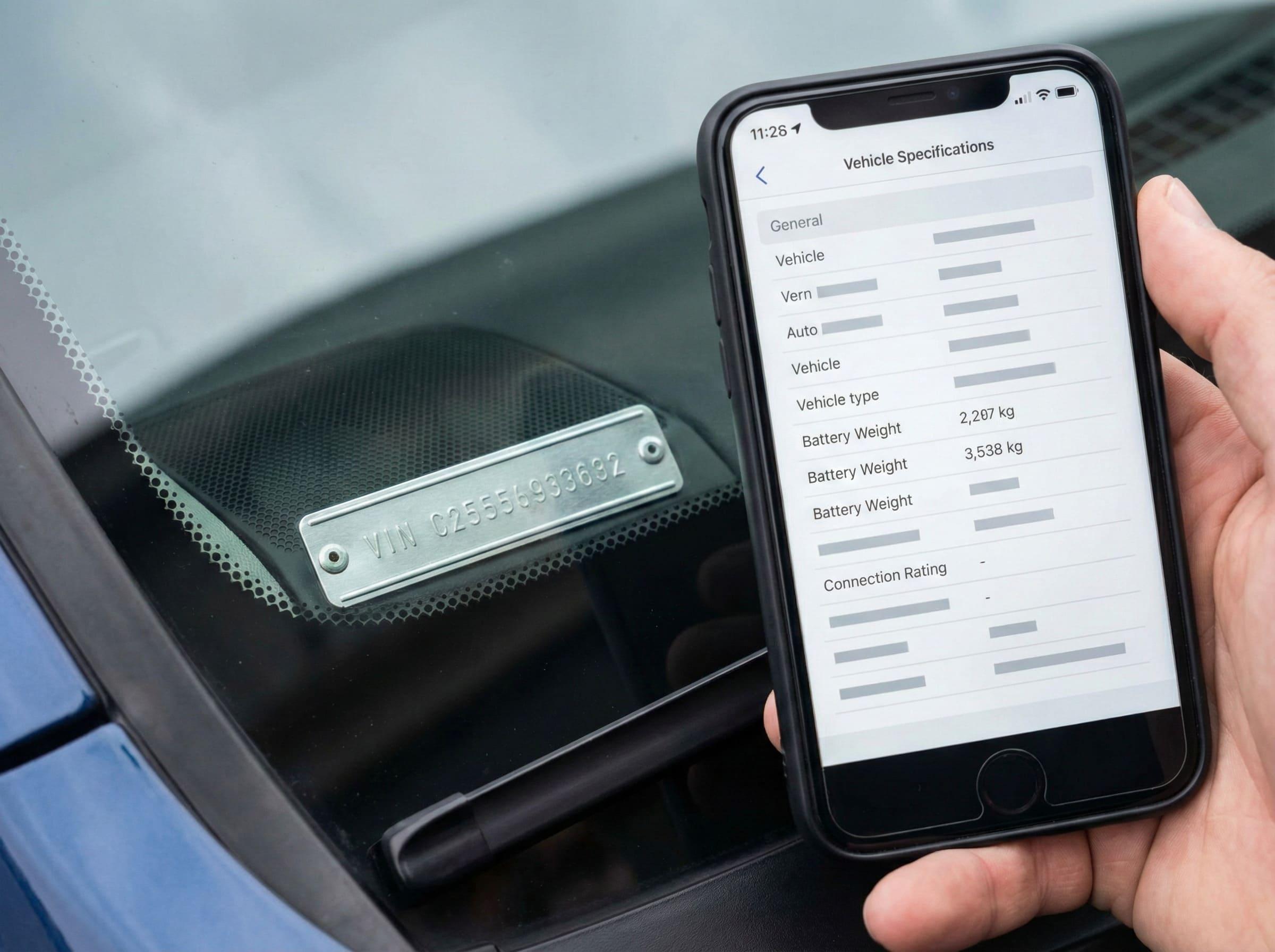
Your car's VIN is more than just a serial number; it's a complete fingerprint of your vehicle as it left the factory. Each character in the 17-digit code represents a specific piece of information, from the country of manufacture to the engine type and model year. For electric vehicles, this often includes details about the battery pack.
Here are a few ways you can use the VIN to find the battery weight:
Using Your VIN to Get Information
- Manufacturer or Dealership: The most reliable method is to contact the vehicle manufacturer's customer service or your local dealership. Provide them with your VIN, and they can look up the original factory specifications. This data, often called a "build sheet," will list the part numbers and details of all major components, including the battery pack and its official weight.
- Online VIN Decoders: There are many websites that offer free VIN decoding services. While most will give you general information, some subscription-based or professional-grade services can provide a much deeper level of detail. These are often used by mechanics and insurance companies.
- Owner's Manual and Forums: Sometimes, the owner's manual will list specifications for different trims, which you can narrow down using your VIN. Online owner forums for your specific car model can also be a goldmine. Other owners may have already done this research and can point you to the right resources.
I remember a client, a sharp procurement officer from the U.S. named Michael, who was developing a new medical transport vehicle. He needed to know the weight of the original battery to spec out a custom replacement from us. He simply provided the VIN, and my engineering team cross-referenced it with our industry database to find the exact weight and dimensions. This gave us the perfect starting point for his project.
| Method | Accuracy | Ease of Use | Cost |
|---|---|---|---|
| Contact Manufacturer | Very High | Easy | Free |
| Professional VIN Decoder | High | Moderate | Subscription Fee |
| Free VIN Decoder | Low to Medium | Easy | Free |
| Owner Forums | Medium | Moderate | Free |
You need to identify the battery model, but the label is buried deep in the car's structure. You feel stuck without this crucial information. Don't worry, there are other digital clues.
You can often identify the battery model through your vehicle's software or by using an On-Board Diagnostics (OBD-II) scanner. These tools access the Battery Management System (BMS), which digitally stores the model number, capacity, and other key specifications.
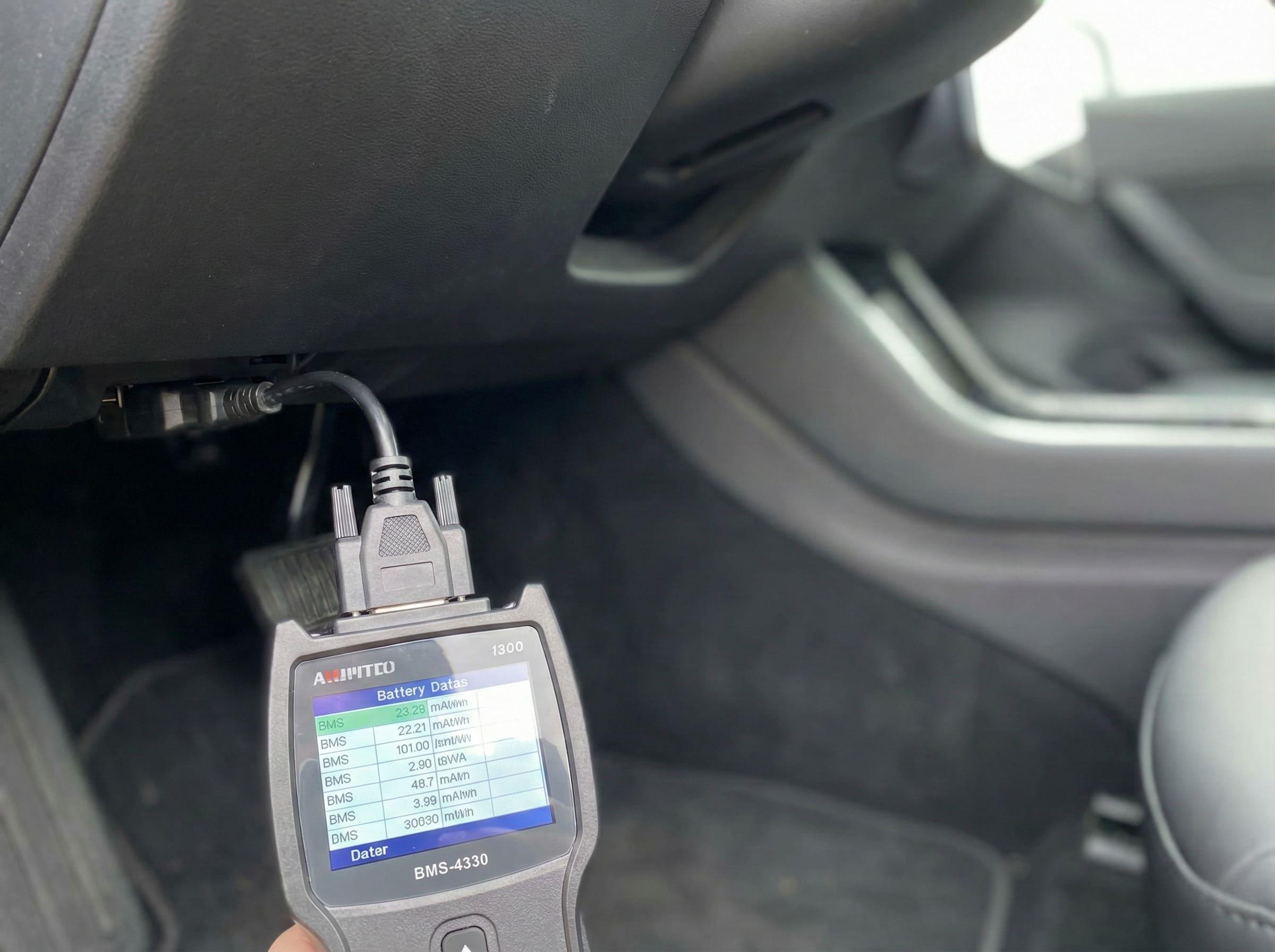
In modern electric vehicles, the battery pack is not just a dumb box of power; it's a smart, communicative component. The Battery Management System (BMS) is the brain of the battery. It monitors everything from temperature to voltage and stores vital information about the pack itself. The good news is, you can often access this information without any tools.
First, check your car's infotainment screen. Many EVs have a "service," "about," or "battery" section in their settings menu. Here, you might find detailed information, including the battery's part number or model identifier. It's the easiest place to look and requires no extra hardware.
If you can't find it there, your next best bet is the OBD-II port. This is the same port mechanics use to diagnose engine trouble codes. With a simple, inexpensive Bluetooth OBD-II adapter and a specialized smartphone app, you can talk directly to your car's computer systems, including the BMS.
Popular Apps for Reading Battery Data:
- Leaf Spy: Specifically for the Nissan Leaf, it's famous for providing incredibly detailed battery health and model information.
- Torque Pro: A general-purpose app for Android that can be customized to show a wide range of vehicle data, including battery stats on many EV models.
- Car Scanner ELM OBD2: Works for both iOS and Android and supports a wide variety of vehicles, often revealing BMS-specific data.
At Litop, the custom BMS units we design for our clients' products have this feature built-in. It allows their service teams to diagnose issues and confirm specifications remotely. This digital access is far more practical than physically trying to find a label on a battery pack that might weigh over 400 kilograms and is an integral part of the vehicle's structure.
Does the battery weight decrease as it ages?
You might wonder if an old, degraded battery is lighter than a new one. It seems logical that as it loses capacity, it might also lose mass. But the science is a bit surprising.
No, a lithium-ion battery's weight does not noticeably decrease with age or use. The chemical reactions that cause degradation involve the internal movement and rearrangement of ions and atoms, but the total mass of the materials inside the sealed battery cell remains virtually unchanged.
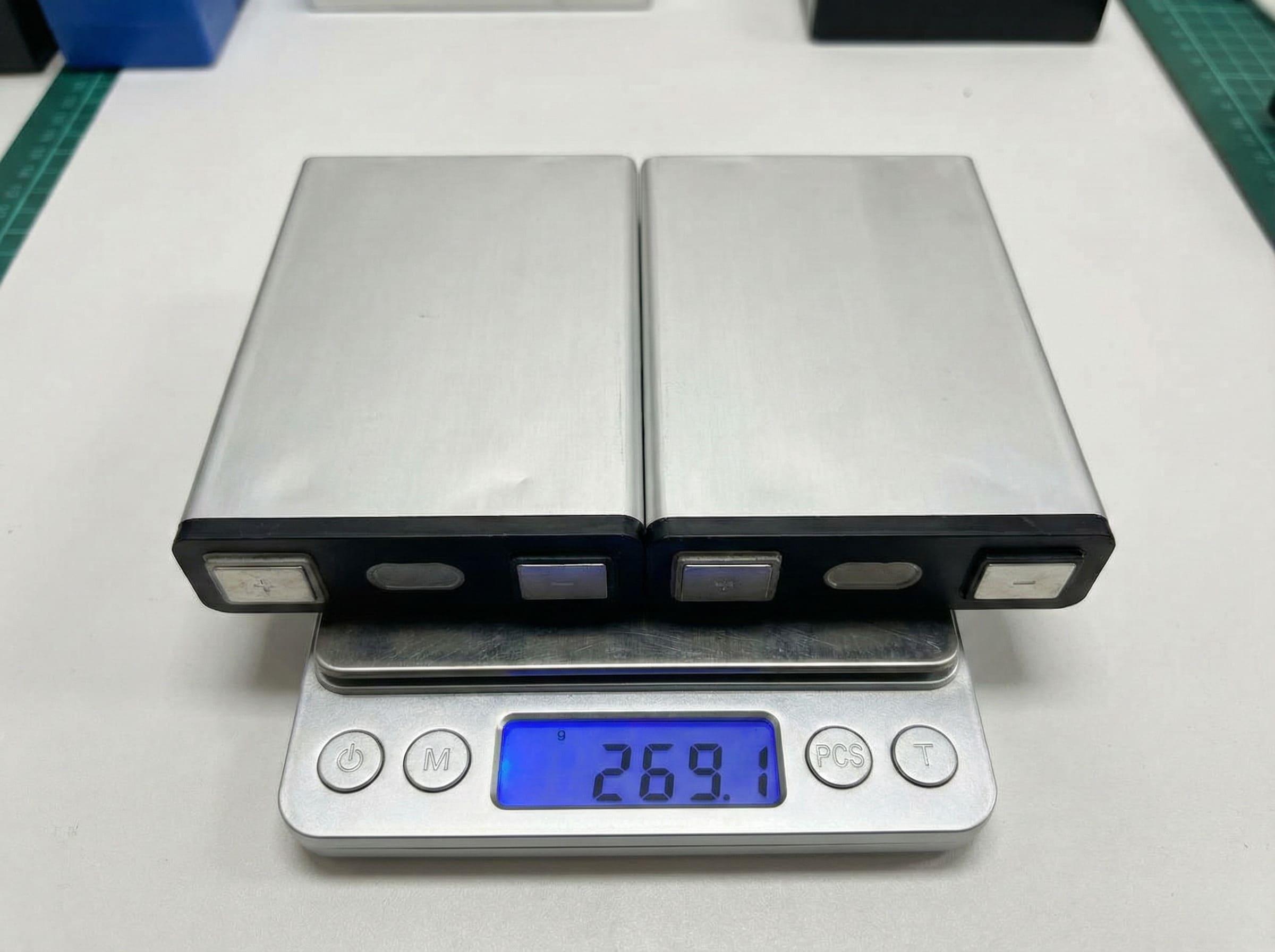
This question touches on a fundamental principle of physics: the law of conservation of mass. This law states that mass cannot be created or destroyed in an isolated system. A modern EV battery pack is a very well-sealed system.
Inside each battery cell, energy is stored by moving lithium ions from the cathode to the anode during charging and back again during discharging. Over time, some of these ions become trapped, and side reactions can create new layers of material on the electrodes, like the Solid Electrolyte Interphase (SEI) layer. This is what causes a battery to lose capacity and degrade.
However, all of these processes are simply a rearrangement of the atoms that were already inside the sealed cell. No material is lost to the outside world. The lithium ions, electrons, and other elements are all still accounted for. The amount of energy the battery can store changes, but its total mass does not.
You could contrast this with an old, non-sealed lead-acid car battery. In those, water from the electrolyte could slowly evaporate over time, leading to a small but measurable decrease in weight. But for the high-tech, hermetically sealed lithium-ion packs in today's EVs, this doesn't happen. Any mass fluctuation is so infinitesimally small that it would be impossible to measure outside of a highly sensitive laboratory. So, whether your battery is brand new or has 100,000 miles on it, it will weigh the same.
What are the requirements for the chassis and tire pressure if I install a larger battery?
You're upgrading to a heavier, high-capacity battery. You're excited about more range but rightly worried about the car's handling and safety. This is a critical concern to address properly.
Installing a heavier battery increases the vehicle's total weight. You must ensure the suspension can handle the extra load and adjust tire pressure accordingly. Exceeding the original design limits without reinforcement can seriously compromise safety, braking, and handling.
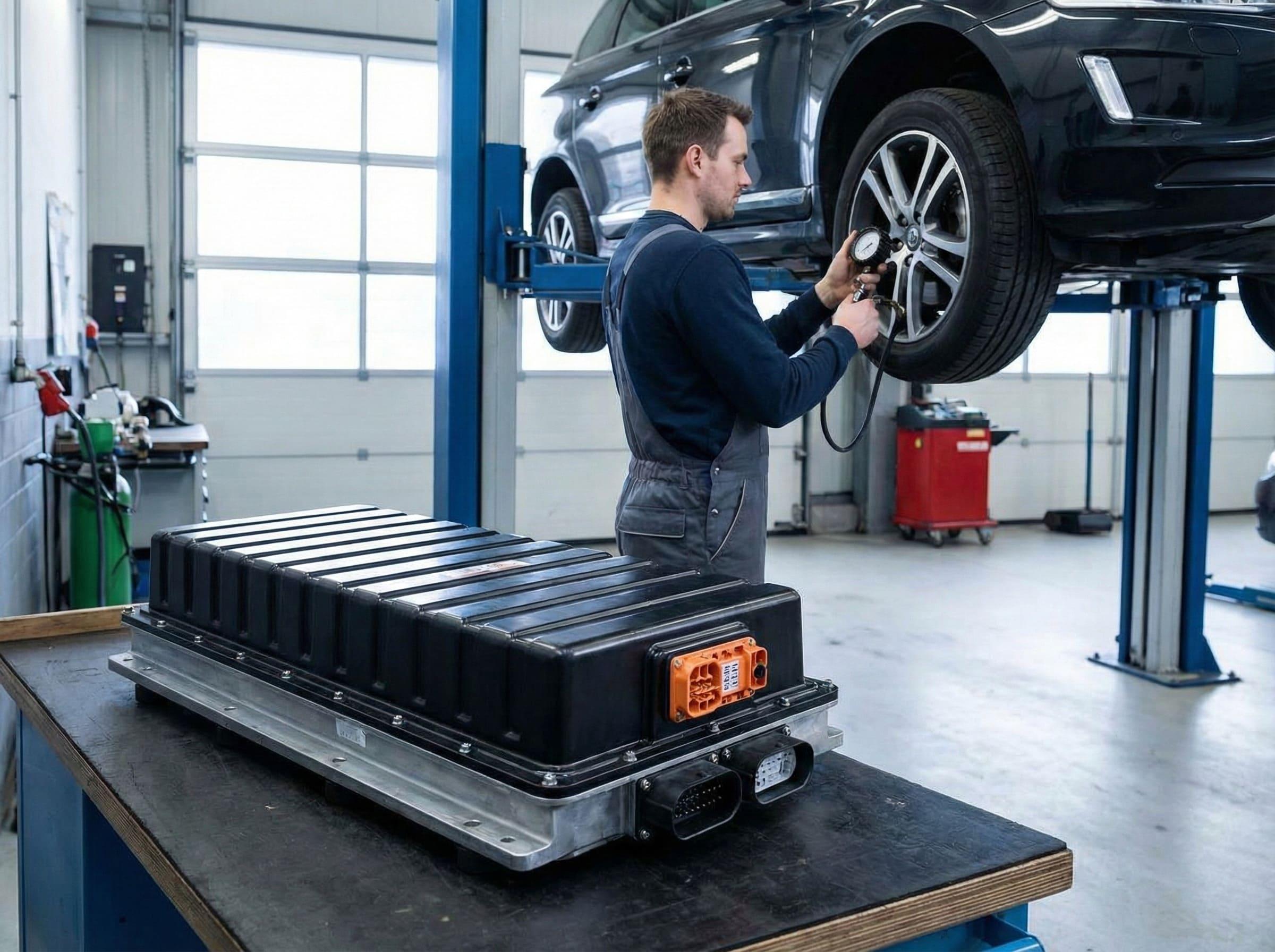
Upgrading your battery is an exciting prospect, but weight is a huge factor in vehicle dynamics. Automotive engineers spend thousands of hours fine-tuning a car's suspension and balance. Adding significant weight, especially from a heavy battery pack low in the chassis, will change everything.
Key Safety Checks for a Battery Upgrade
- Gross Vehicle Weight Rating (GVWR): Every vehicle has a GVWR, which is the maximum operating weight as specified by the manufacturer. This includes the vehicle itself, passengers, and cargo. Your new, heavier battery plus your typical load must not exceed this rating. Exceeding it puts a dangerous strain on the chassis, brakes, and suspension.
- Suspension Components: The original springs and shock absorbers were chosen for the car's factory weight. A significantly heavier battery can cause the suspension to sag or "bottom out" over bumps. This not only makes the ride uncomfortable but also reduces your control and can lead to premature failure of these components. You may need to install stiffer, heavy-duty springs.
- Tire Load Index and Pressure: Check the sidewall of your tires for the "load index," a number that corresponds to the maximum weight each tire can support. The vehicle's total new weight must be within the capacity of your four tires. Furthermore, the tire pressure listed on your door jamb sticker is for the original weight. A heavier vehicle requires higher tire pressure to maintain the proper tire shape and contact patch. You'll need to calculate a new appropriate pressure, making sure not to exceed the maximum pressure listed on the tire's sidewall.
At Litop, we take this very seriously. When we engineer a custom high-capacity battery for a client, our first step is to provide the exact weight and center-of-gravity data for the new pack. We work with their engineers to ensure the vehicle can safely handle the upgrade.
| Component | Key Consideration | Recommended Action |
|---|---|---|
| Chassis | Gross Vehicle Weight Rating (GVWR) | Ensure new total weight does not exceed GVWR. |
| Suspension | Springs & Shock Absorbers | Consult a mechanic; may need to upgrade to heavy-duty parts. |
| Tires | Load Index & Pressure | Verify load index is sufficient. Recalculate and adjust tire pressure for the new weight. |
| Brakes | Stopping Distance | Be aware that increased weight will lengthen braking distances. |
Conclusion
You can estimate your car battery's weight without removing it by using vehicle specifications or technical calculations. For precise details, your VIN is the key. Remember, battery weight doesn't change with age, and if you upgrade to a heavier pack, always address the impact on your chassis and tires first.