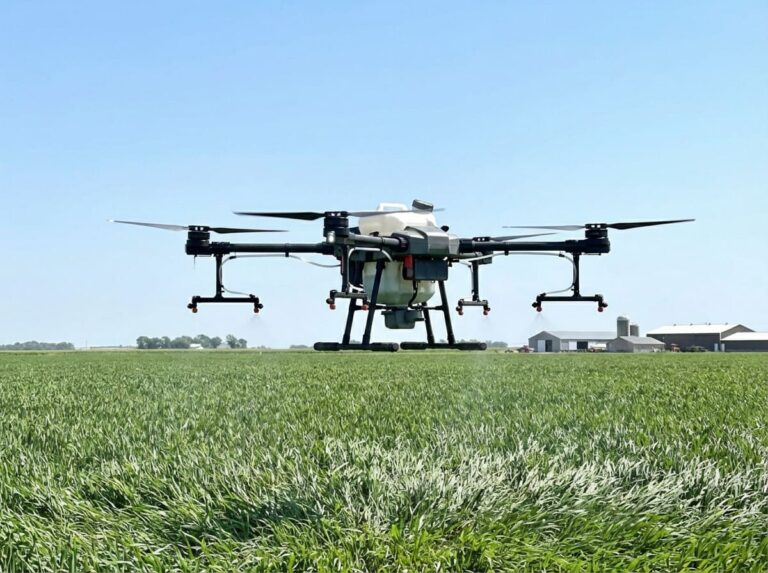
Energy infrastructure inspections face challenges like high costs, risky environments, and manual errors. UAS systems are changing the game, making inspections faster, safer, and more accurate.
UAS systems are used in the energy sector for pipeline, tower, and solar inspections by leveraging sensors and AI to detect leaks, corrosive damage, and solar panel defects. This automation reduces human errors and inspection times, while ensuring data-driven, high-quality reports.
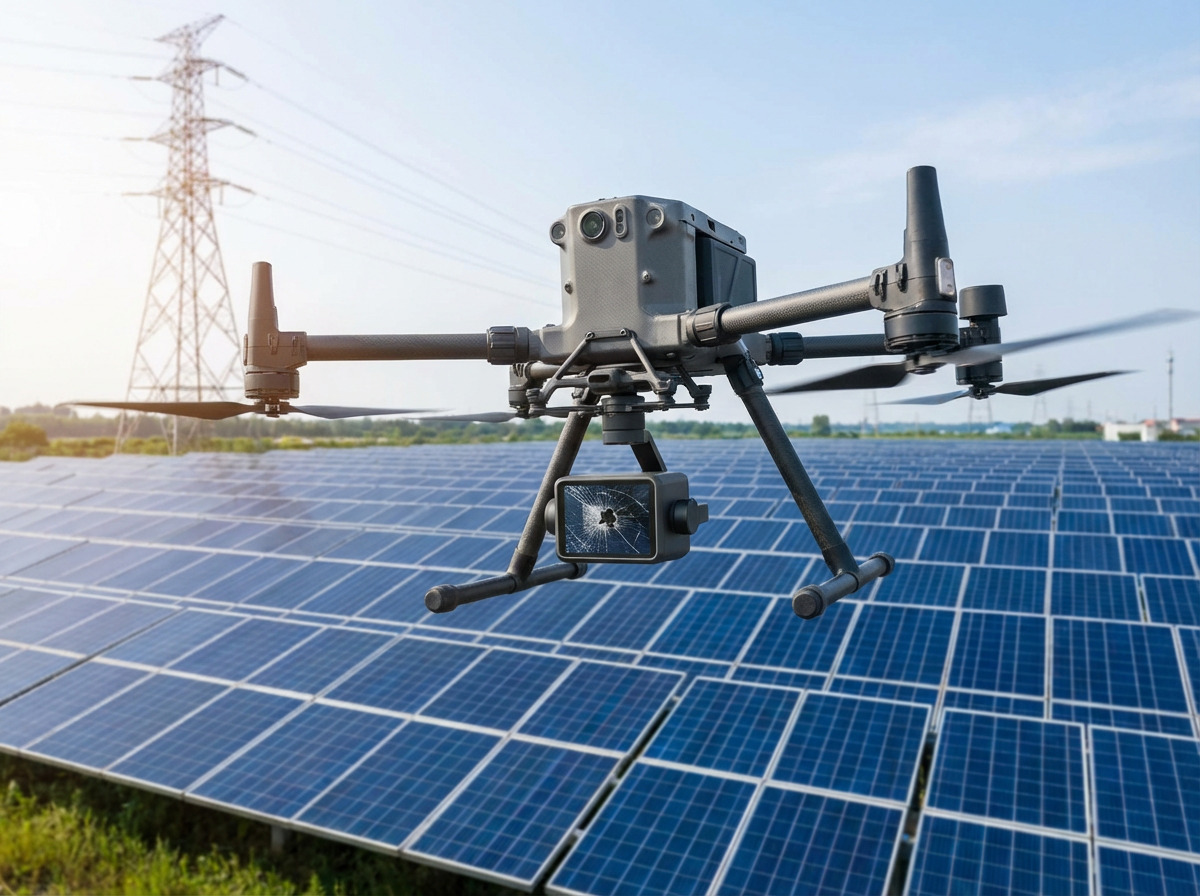
When I first saw a drone fly over a remote pipeline, collecting data I used to spend hours chasing, I realized things were changing. Automated inspections save time, lower costs, and keep teams out of danger. Sensors, AI, and smart software now spot faults in minutes. If you want reliable results, UAS systems1 meet the standards most energy brands require.
How Accurate Will AI Defect Identification Be by 2026? Can It Fully Replace Manual Review?
Manual defect detection can be slow and inconsistent. Companies wish for faster, more accurate, and automatic results. AI promises near-instant defect spotting, but can it do it alone?
By 2026, AI-based automated defect identification in UAS inspections is expected to reach 98% or higher accuracy. Yet, current systems still need human oversight to catch edge cases and contextual factors. Full replacement of manual review remains unlikely.
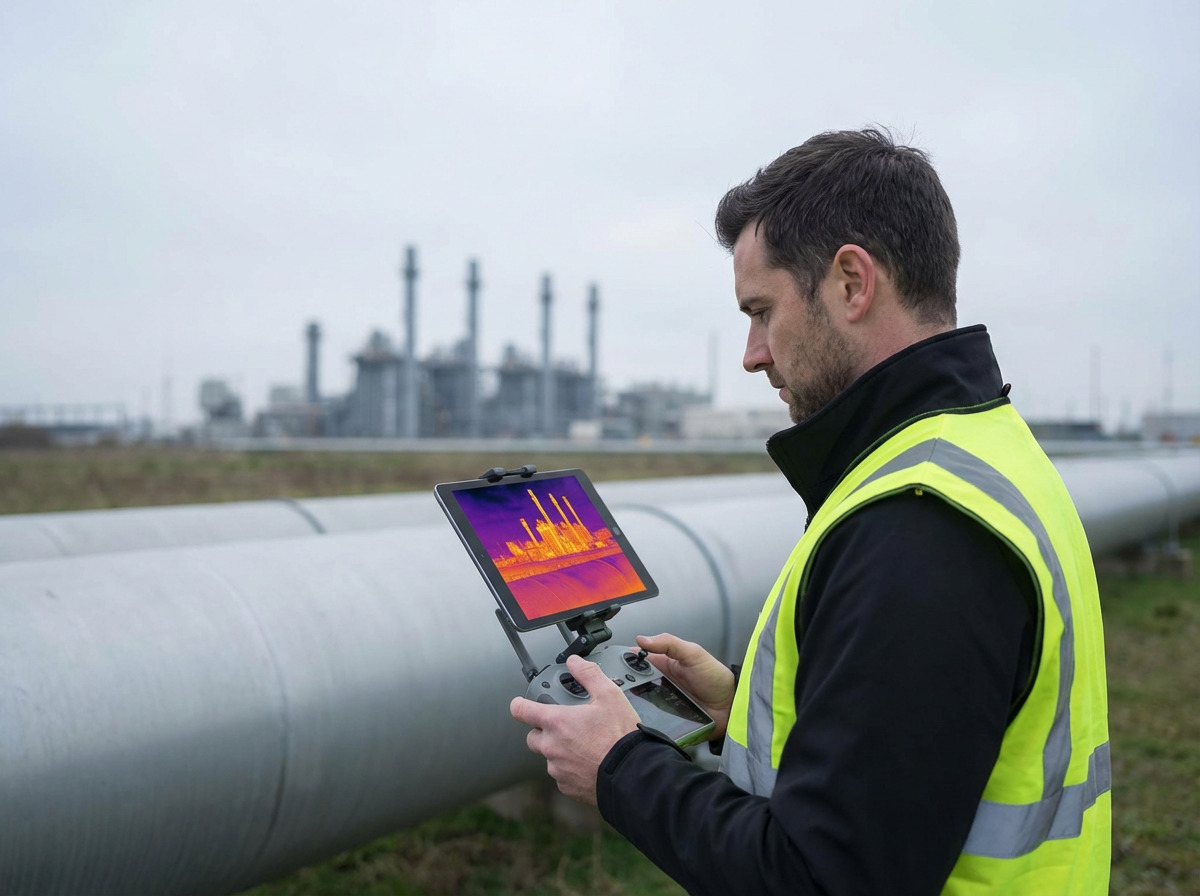
I remember testing our first AI detection system on solar panels. It flagged cracks invisible to the naked eye, and finished a task in ten minutes that used to take three hours. AI accuracy has grown, especially with deep learning and data labeling. Inspection experts now lean on AI for the heavy lifting, but not everyone trusts it blindly. Sometimes, a human will spot problems AI misses—things like shadow effects or rare failures. Most of my clients ask, “Can I rely only on AI?” My answer: AI reduces manual work by up to 90%, especially in normal cases. It excels at finding common defects such as hot spots on solar cells or corroded bolts on towers. However, for unusual cases and complex environments, a skilled technician still reviews the flagged images or data for confirmation. The future is human-machine collaboration, with manual audits shrinking as AI improves. Eventually, we may see a full switch, but brands focused on safety and compliance still want that final human check for peace of mind.
| Inspection Type | AI Accuracy (2023) | AI Projected Accuracy (2026) | Full Automation Feasible? |
|---|---|---|---|
| Pipeline Leak | 93% | 98% | Human oversight advised |
| Tower Corrosion | 91% | 97% | Partial automation |
| Solar PV Defects | 94% | 99% | Manual audit for edge cases |
How Can Drones Stay Connected and Safe in Strong Electromagnetic Environments Like Ultra-High Voltage Lines?
Flying drones near high-voltage power lines can disrupt signals. Operators worry about losing control or data. Ensuring safety is critical in risky electromagnetic fields.
Drones maintain stable flight near strong electromagnetic fields by using shielded electronics, frequency-hopping radios, and anti-interference BMS2. Redundant flight control and auto-return features are essential for safety. Operator training and pre-site testing remain crucial.
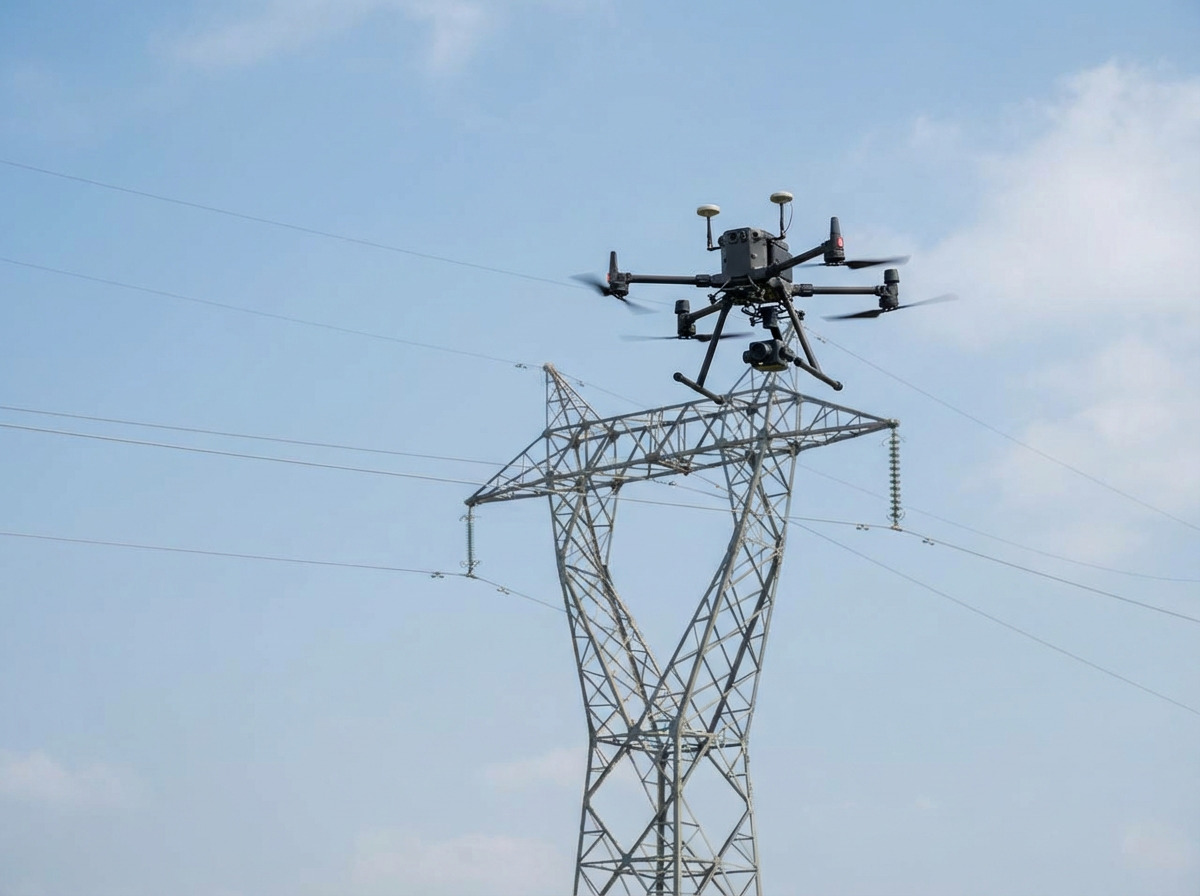
I recall our first drone team surveying 800kV transmission lines. Every operator feared signal drop and sudden loss of control. Today’s UAS systems have special shields around critical parts. RF modules use clever frequency hopping, avoiding interference from giant electric fields. Our BMS is custom-designed with additional insulation and filters to suppress unwanted signals. Most drones now include failsafe auto-return, shutting down or heading home when they lose signal. We always train our clients to test signal health before starting, and never fly closer to the wires than necessary. I tell partners: “Strong radios, backup controls, and insulated wiring make inspections possible in places people dread.” This approach transforms risky projects into safe, repeatable missions.
| Safety Measure | Purpose | Example |
|---|---|---|
| Shielded Flight Controller | Blocks EMI to prevent loss of control | Custom BMS |
| RF Frequency Hopping3 | Maintains link in changing environments | 2.4/5.8GHz |
| Auto-Return & Redundancy | Ensures drone returns in case of failure | GPS Home |
What Are the Regulatory and Technical Requirements for BVLOS (Beyond Visual Line of Sight) Pipeline Inspections?
Long pipelines cross remote regions. Traditional inspection methods require time and people. BVLOS enables drones to cover long distances, but strict rules apply.
BVLOS flights for pipeline inspections must comply with national aviation regulations. Operators need specific licenses, flight plans, and robust communication links. Technical requirements include obstacle avoidance, real-time video transmission, and reliable navigation.
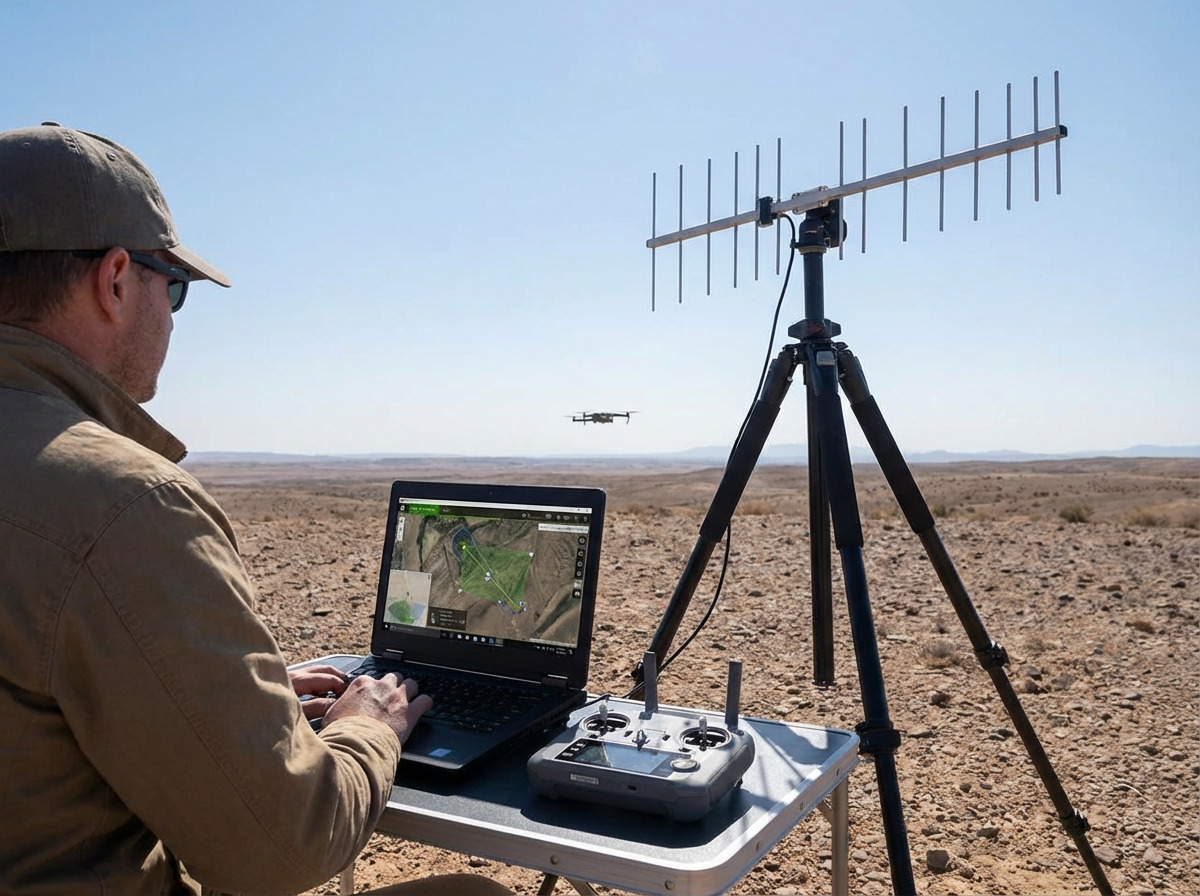
When a client asked, “Can your drones inspect 50 kilometers in one go?” I explained BVLOS regulations. In the US and EU, BVLOS flights need special permits and risk assessments. Our drones use LTE or satellite links for control beyond the operator’s visual range. They are equipped with collision-avoidance cameras and redundant GPS modules so that even if one system fails, another keeps the drone flying. Our clients prepare full flight plans for authorities, detailing possible emergency landings and data handling. UAS software logs data live, preserving evidence for compliance audits. Flight crews monitor drones from command centers, ready to intervene using automated or manual controls. Meeting these standards takes coordination between operators, hardware makers, and regulators, but it allows safe, non-stop surveys of long assets.
| Requirement | Detail | Region |
|---|---|---|
| Licensing | BVLOS Operator Certification | USA, EU, China |
| Flight Communications | LTE/Satellite/5G link | Global |
| Obstacle Avoidance | LiDAR, radar, or dual camera systems | All |
| Real-time Data Transmission | Secure, encrypted video feed | All |
What Are the Specific Weather, Lighting, and Timing Requirements for Infrared Drone Inspections of Solar and Electrical Assets?
Temperature and lighting conditions affect infrared imaging. Planning is key for clear, actionable reports. Wrong timing can lead to missed defects or false alarms.
Infrared UAS inspections require stable, sunny weather and times when the asset’s temperature varies from its surroundings. Best results occur in the morning or early afternoon with clear skies, avoiding rain and heavy clouds.
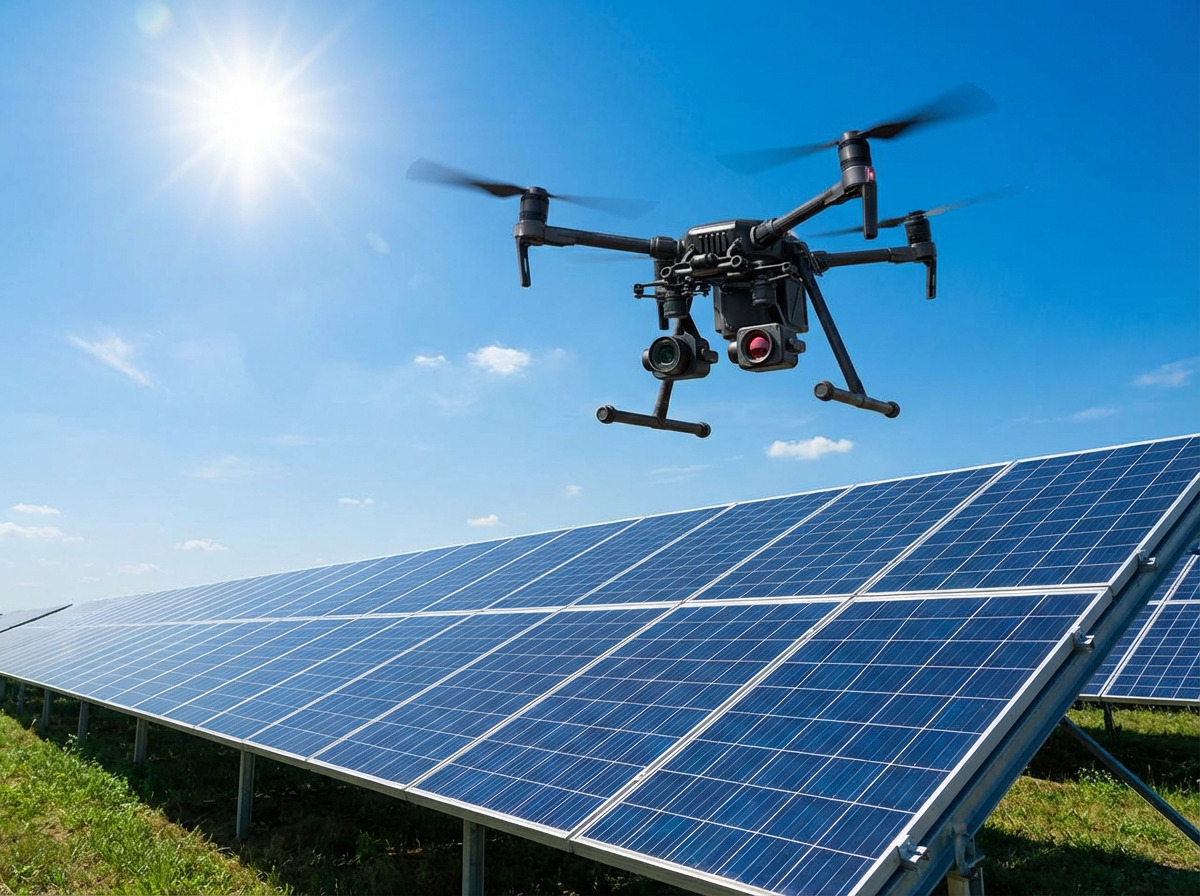
When we tested solar farm inspections, timing was everything. If you fly too early, panels are cold and defects stay hidden. Too late, and the sun’s angle distorts results. I follow a simple best practice: schedule flights from 10 a.m. to 2 p.m. on sunny days. This is when panels run hot, making cracks and hotspots visible. Clouds, rain, or haze blur thermal images, so I check the forecast before flying. For electrical towers and substations, mid-day flights avoid false positives from dew or night cooling. Fast-changing weather can throw off results, so automated UAS scheduling with weather API helps. Experienced teams know local climates and seasonality matter—summer heat boosts contrast, while winter inspections may need special setup. Always calibrate the thermal camera in the field before starting, and keep ground teams ready for unexpected changes. These steps ensure data that operators and auditors trust.
| Condition | Requirement | Best Practice |
|---|---|---|
| Temperature | Asset hotter than ambient | 10 a.m.–2 p.m., sunny |
| Lighting | Clear skies, minimal cloud | Schedule by forecast |
| Rain/Precipitation | Dry – avoid wet conditions | Postpone if necessary |
| Calibration | Field calibration essential | Before each flight |
Conclusion
UAS inspections transform the energy industry by automating detection, improving safety, and reducing costs. Drones, AI, and smart sensors deliver fast, accurate data, making infrastructure monitoring easier and more reliable.
Learn how Unmanned Aerial Systems are transforming inspection processes, saving time and reducing risks for energy companies. ↩
Discover how battery management systems with interference protection keep drones operational in risky areas. ↩
Learn how frequency hopping maintains stable connections in challenging electromagnetic environments. ↩