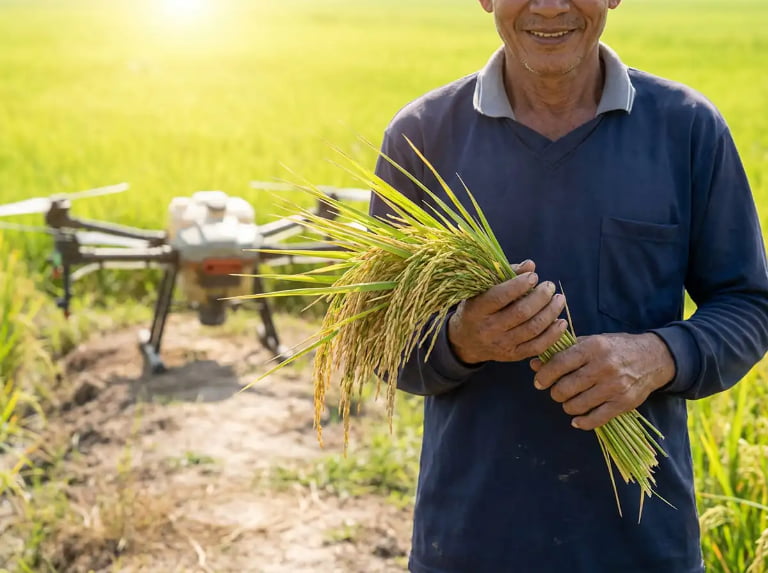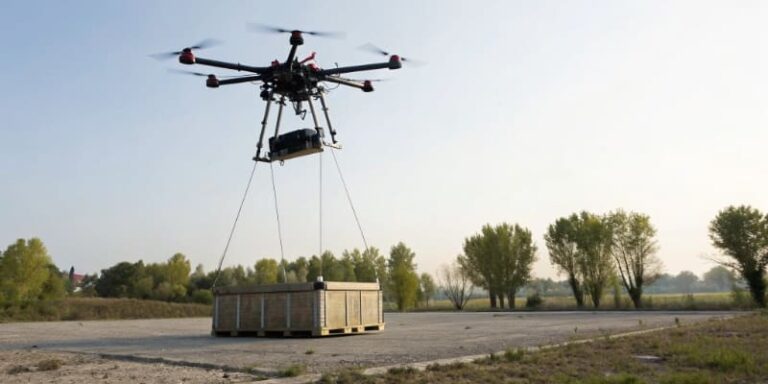
Responding to emergencies is dangerous and often blind. Sending crews into unknown situations is a huge risk. Drones offer a safer, faster way to assess scenes from above.
Public safety agencies use drones (UAS) for situational awareness, search and rescue, wildfire mapping, and accident reconstruction. They provide real-time aerial views, helping teams make better decisions, locate victims, and operate more safely and effectively.
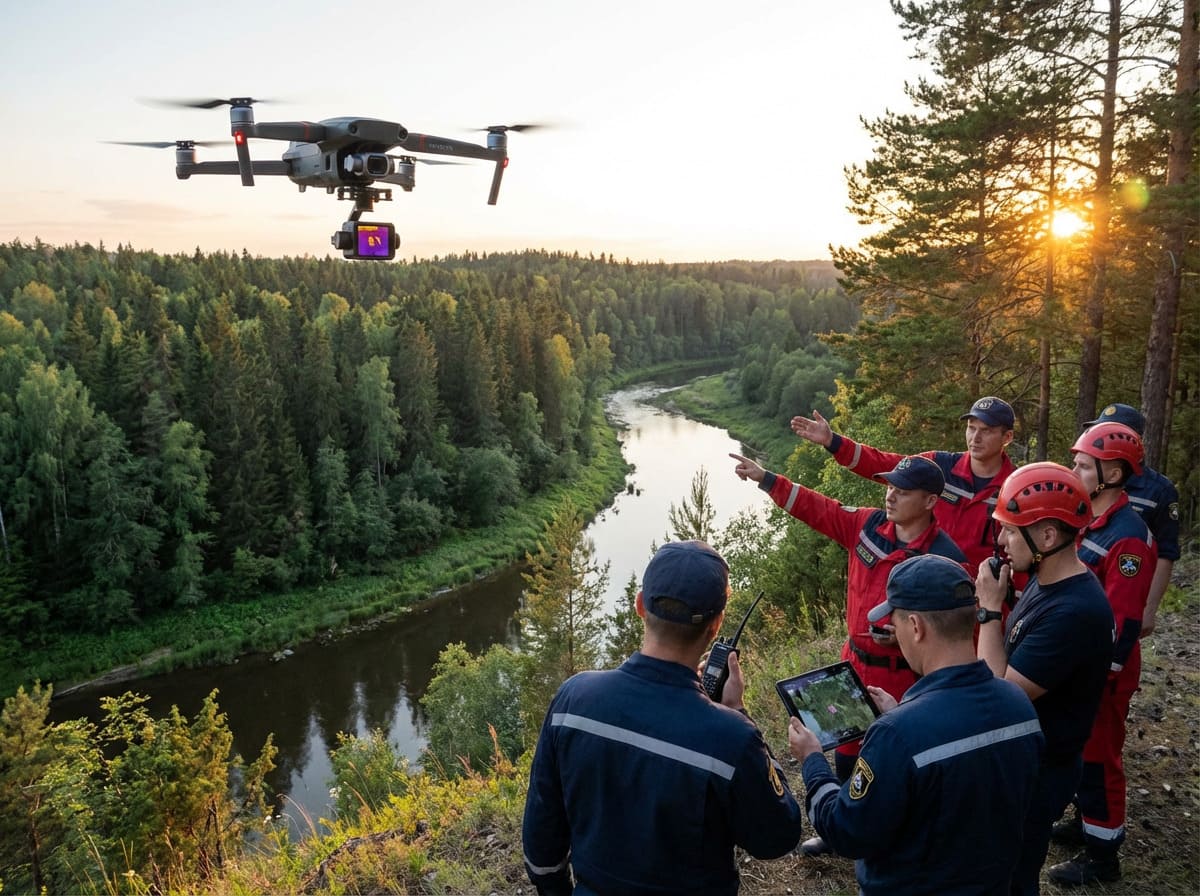
Drones are changing the game for police, fire, and emergency services. I've seen this firsthand with clients who develop these advanced systems. They demand batteries that won't fail in a crisis. But it’s not just about the technology. There are big questions about privacy, regulations, and funding. Let's look at how agencies are navigating these challenges.
How can agencies balance drone patrols with citizen privacy protection legally?
People worry about drones watching them from above. This fear of surveillance can halt important safety programs. Agencies build trust by creating clear, public policies for drone use.
Agencies balance privacy by creating strict policies that limit data collection to specific incidents. They often require warrants for surveillance, use drones only for active emergencies, and engage in public outreach to explain how and why the technology is used, ensuring transparency.
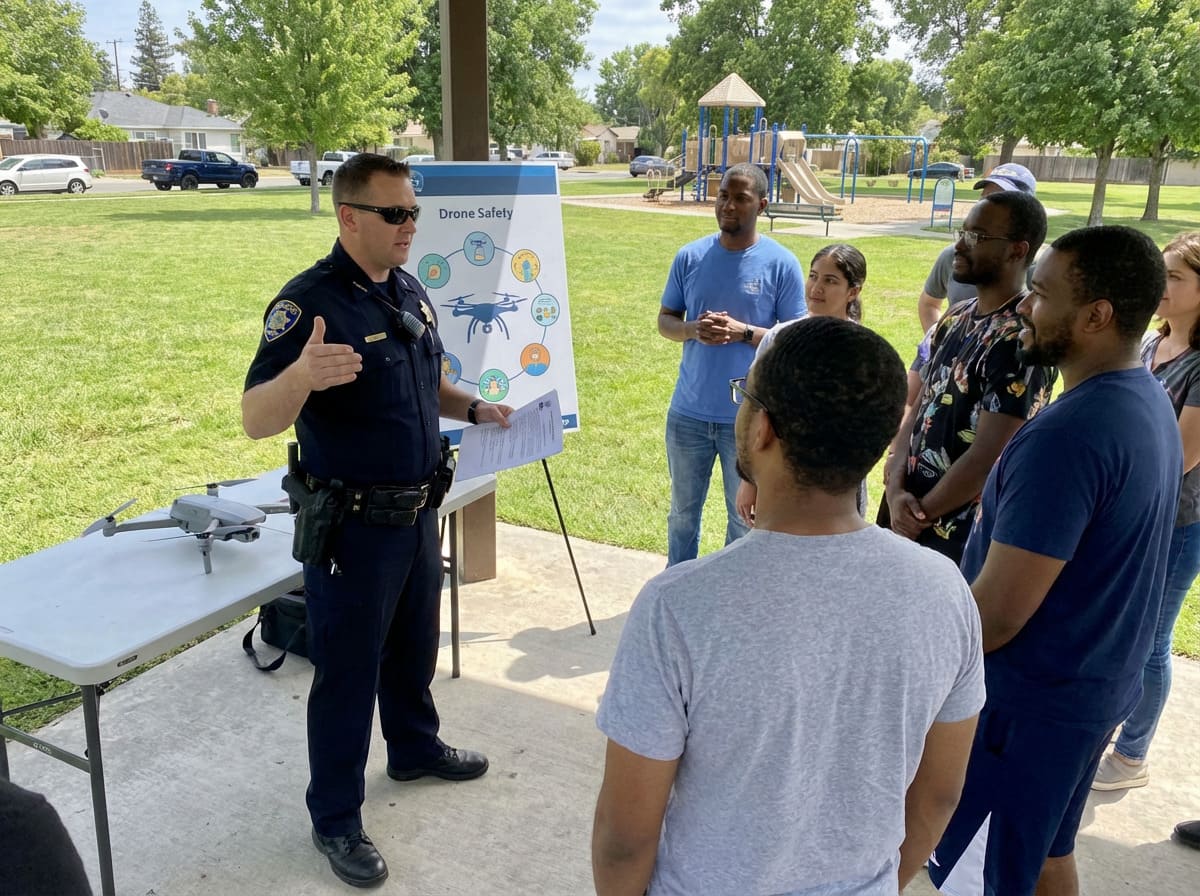
I've talked with many clients in this field. They all say that public trust is the most important part of a successful drone program. If people don't trust you, the best technology in the world won't help.
Building a Privacy Framework
The key is to have a strong, public-facing policy. This isn't just a legal document; it's a promise to the community. It should clearly state when and why a drone will be used. For example, it should only be for active emergencies like a fire or a search for a missing person, not for random patrols.
Data Management and Transparency
Another big piece is data. What happens to the video the drone records? The policy needs to cover this. Who can see it? How long is it stored? When is it deleted? Many successful programs have an open process for this. They might even publish flight logs so the public can see where and when drones were used.
Legal Guidelines
Legally, the Fourth Amendment in the U.S. protects against unreasonable searches. This means agencies usually can't just fly a drone over someone's backyard to look for problems. They often need a warrant unless there's an immediate, life-threatening situation.
Here’s a simple table to show the core ideas:
| Policy Area | Key Action | Why It's Important |
|---|---|---|
| Use Cases | Define specific, emergency-only scenarios. | Prevents mission creep and random surveillance. |
| Data Retention | Set strict limits on how long footage is kept. | Protects citizen privacy and reduces data liability. |
| Transparency | Publish policies and flight logs publicly. | Builds community trust and ensures accountability. |
| Legal Compliance | Require warrants for non-emergency surveillance. | Upholds constitutional rights like the Fourth Amendment. |
By being open and setting clear rules, public safety agencies can use this amazing technology while respecting everyone's privacy.
What specific FAA waivers1 are needed to establish a DFR program?
FAA rules can be a major hurdle for launching a drone program. Getting bogged down in paperwork delays life-saving technology. Knowing which waivers to apply for is critical.
To start a Drone as First Responder (DFR) program, agencies typically need FAA waivers for Beyond Visual Line of Sight (BVLOS) operations (§ 107.31) and operations over people (§ 107.39). A Certificate of Authorization (COA) is also required for public aircraft operations.
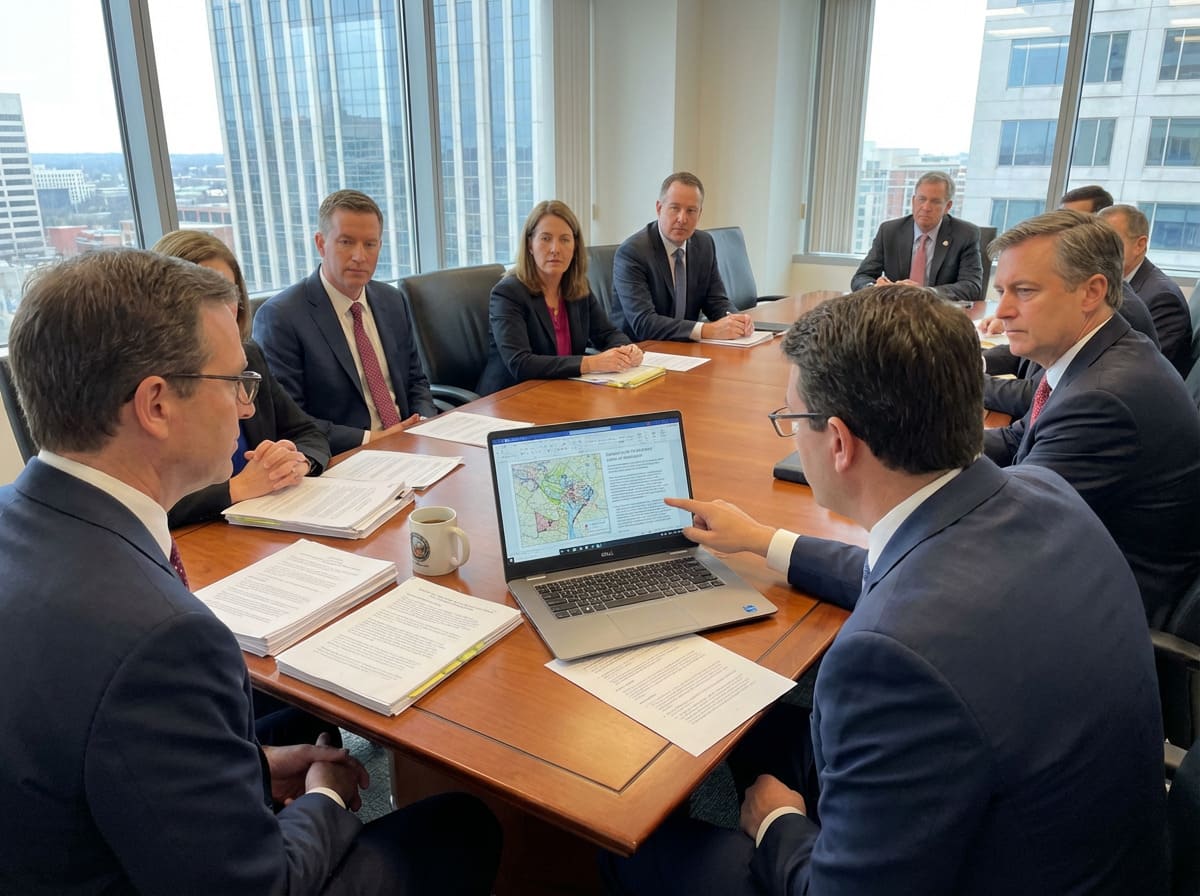
At Litop, we supply batteries for many advanced drone systems. Our clients often tell me that navigating the regulations is just as challenging as engineering the drone itself. For a DFR program, where a drone is launched from a rooftop to a 911 call location, you're breaking some standard rules. That's where waivers come in.
The Core Waivers
The biggest one is for Beyond Visual Line of Sight (BVLOS). Standard rules say the pilot must always be able to see the drone. A DFR drone flies miles away, so you need a waiver for this. To get it, you have to prove you can operate safely without seeing it. This usually involves technology like radar or advanced software to detect other aircraft.
Operating Over People and Moving Vehicles
The drone will also likely fly over people and cars. The FAA has specific rules for this. You need to show that your drone is safe and won't hurt anyone if it fails. This might mean using a drone with a parachute or one that has passed rigorous safety tests.
The COA Process
Public agencies like police and fire departments don't operate under the same rules as commercial pilots. They apply for a Certificate of Authorization (COA)2. This is an agreement with the FAA that outlines how, where, and when they can fly. It’s a more comprehensive approval that covers their specific public safety mission.
Here’s a breakdown of the key approvals:
| Approval Type | FAA Regulation | Purpose | Key Requirement |
|---|---|---|---|
| BVLOS Waiver | Part 107.31 | Fly beyond the pilot's direct sight. | Prove robust detect-and-avoid technology. |
| Ops Over People | Part 107.39 | Fly over uninvolved people on the ground. | Use a certified safe drone or one with a parachute. |
| COA | Public Aircraft | Authorize general public safety operations. | Be a government entity with a defined mission. |
Getting these approvals takes time and a lot of documentation. You have to prove to the FAA that your program is safe and well-planned.
How can you ensure uninterrupted video and autonomous obstacle avoidance in urban or indoor environments?
Drones often fail in "urban canyons" or indoors. A drone that loses its signal or crashes is a useless tool. The solution lies in better sensors and stronger links.
Uninterrupted video is achieved using redundant communication links, like cellular and mesh networks. Autonomous obstacle avoidance relies on a suite of sensors, including LiDAR, thermal, and visual cameras, combined with AI-powered software that creates a 3D map of the environment in real-time.
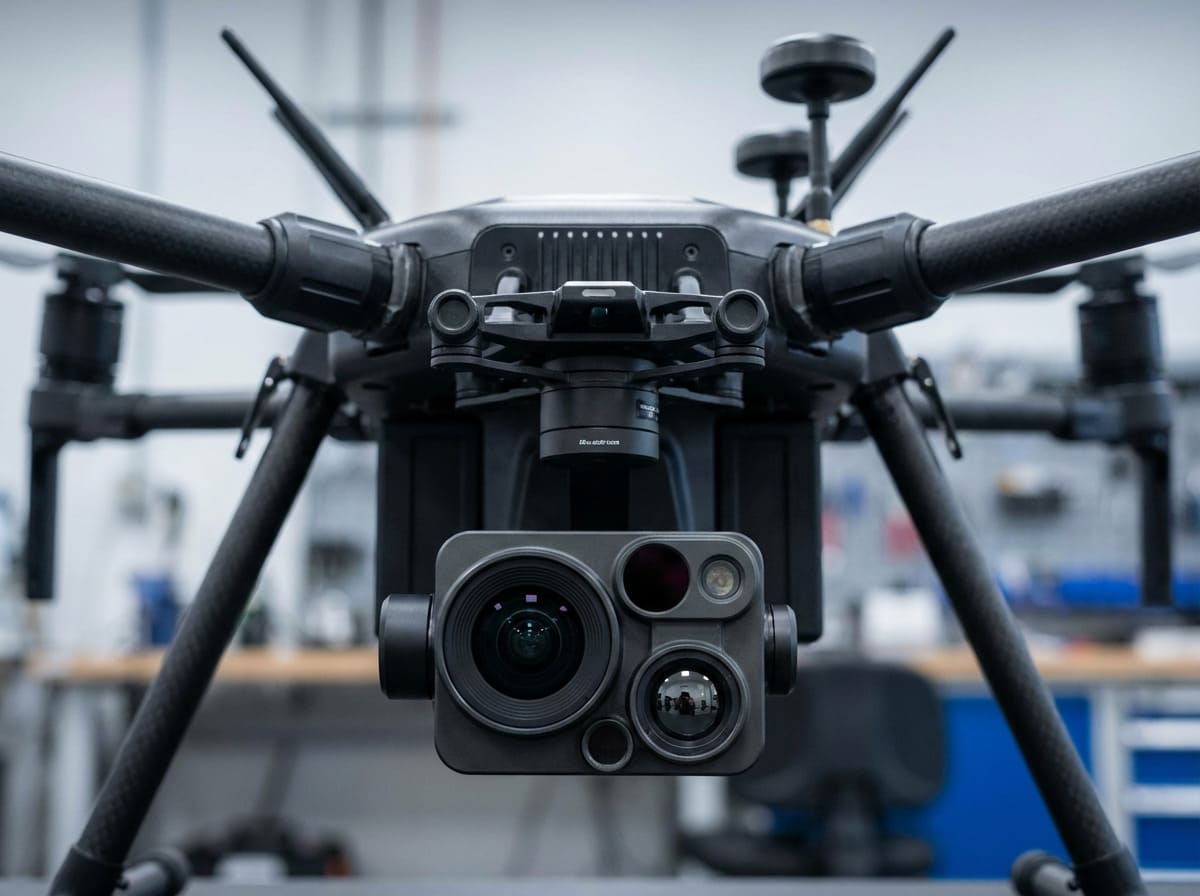
This is where our work at Litop gets really interesting. The advanced systems needed for these drones require incredibly reliable power. The sensors and processors for autonomous flight use a lot of energy, and failure is not an option.
Solving Signal Loss
In cities, tall buildings block the radio signals between the pilot and the drone. This is called the "urban canyon" effect. To solve this, drone manufacturers use multiple communication systems. They might use a standard radio link, but also have a 4G or 5G cellular connection as a backup. Some even use mesh networks, where drones can relay signals to each other.
Seeing in the Dark and Indoors
GPS doesn't work indoors or in tunnels. To fly autonomously, the drone needs to see and understand its surroundings. This is where a fusion of sensors comes in.
- LiDAR: This is like radar but with light. It scans the area and creates a very accurate 3D map. It's great for avoiding walls and obstacles.
- Visual Cameras + AI: Smart software can use regular camera feeds to identify objects and navigate, similar to how a person sees.
- Thermal Cameras: These are useful for seeing through smoke or in complete darkness, which is critical for fire departments.
For example, I read about a system developed in China for tunnel rescues. It navigates without any GPS signal. It uses its sensors to map the tunnel, identify fires, and locate people. This is the kind of advanced capability that's becoming essential. All of this technology—LiDAR, AI processors, multiple radios—needs a powerful, lightweight, and long-lasting battery to work. It’s a complete system where every part must be perfect.
What federal grants or funding programs are available for public safety agencies to acquire drones?
High-tech drones are expensive, and agency budgets are tight. Lack of funding shouldn't stop you from getting life-saving tools. Federal grants are available to help you buy them.
Agencies can apply for grants from the Department of Homeland Security (DHS)3, such as the Urban Areas Security Initiative (UASI)4 and the State Homeland Security Program (SHSP). The Department of Justice (DOJ) also offers grants that can fund drone programs.
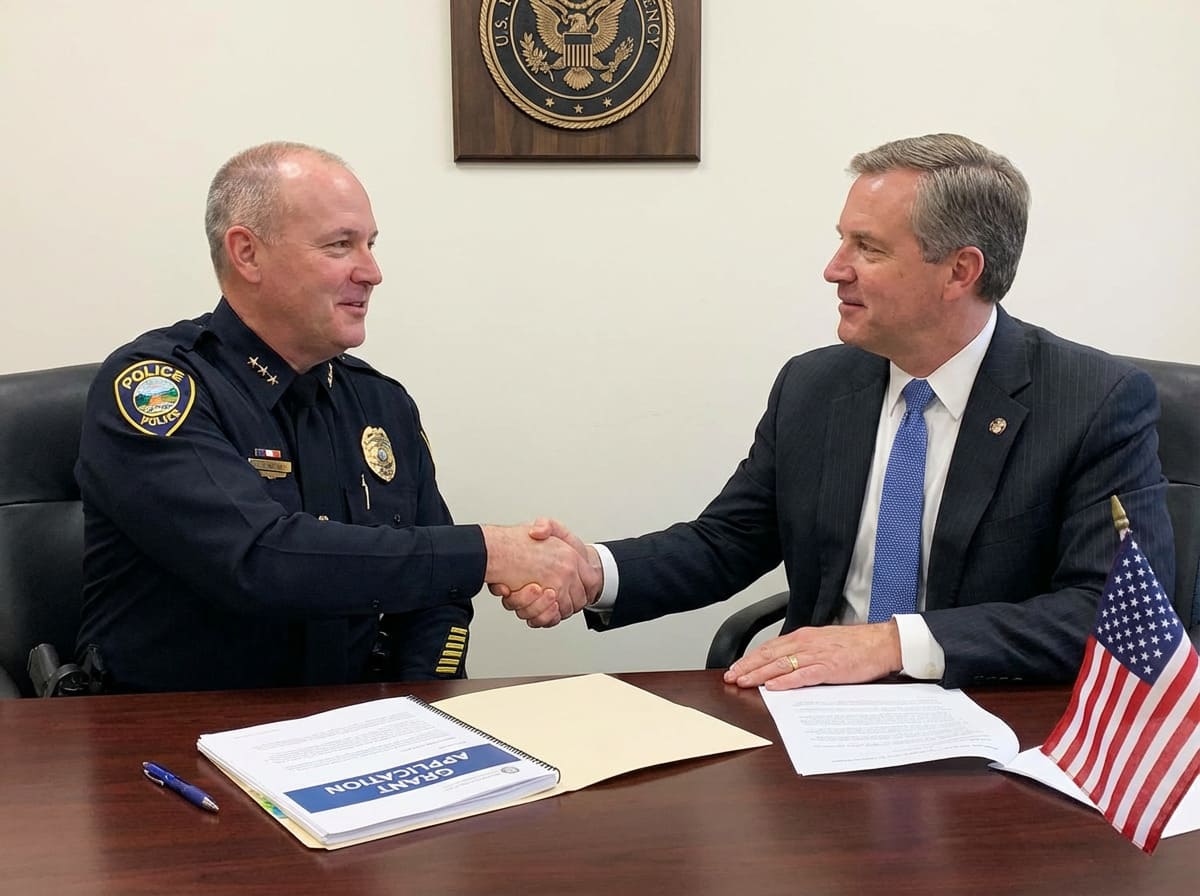
Finding the money for a new drone program is often the first and biggest challenge. I've heard this from many potential clients. They know the technology will save lives, but they need to figure out how to pay for it. Luckily, the U.S. federal government has several programs to help.
Department of Homeland Security (DHS) Grants
This is the biggest source of funding. Two key programs are:
- Urban Areas Security Initiative (UASI): This grant is for high-threat, high-density urban areas. It helps them build capabilities to prevent and respond to threats, and drones are a perfect fit.
- State Homeland Security Program (SHSP): This is a broader grant that goes to states, which then distribute the funds to local agencies. It can be used for a wide range of equipment, including UAS.
Department of Justice (DOJ) Grants
The DOJ also has programs that can help. For example, some agencies have successfully used funds from the Edward Byrne Memorial Justice Assistance Grant (JAG) Program. This grant is very flexible and can be used for law enforcement equipment.
Finding and Applying for Grants
The process can be complicated. The first step is usually to contact your state's emergency management agency. They manage the flow of many federal grants. You also need a very clear plan. The grant application should explain exactly how the drones will be used, who will be trained, and how the program will improve public safety.
| Grant Program | Federal Agency | Primary Focus | Best For |
|---|---|---|---|
| UASI | DHS | High-density urban areas | Major city police/fire departments. |
| SHSP | DHS | State & local preparedness | State, county, and local agencies. |
| JAG Program | DOJ | Law enforcement & justice initiatives | Local police departments for equipment. |
| AFG Program | FEMA/DHS | Firefighter equipment & training | Fire departments and EMS. |
With the right research and a strong application, funding is definitely within reach.
Conclusion
Drones are becoming essential tools for public safety. They offer a huge advantage in emergencies, from wildfires to search and rescue. While there are challenges with privacy, rules, and funding, the benefits in saving lives and protecting first responders are clear and growing every day.
Get insights into the necessary FAA waivers for public safety drone operations and their significance. ↩
Learn about the COA process and its importance for public safety drone operations. ↩
Learn about DHS grants that can help public safety agencies fund drone programs. ↩
Understand how the UASI grant supports urban areas in enhancing their security capabilities. ↩