Choosing between fixed-wing and multi-rotor UAS can be confusing. Each type offers strengths that fit different needs. Understanding the differences helps make the right decision.
Fixed-wing UAS excel in long endurance, fast speed, and large coverage, making them the top choice for tasks like power line patrols or mapping large areas. Multi-rotor UAS offer vertical takeoff, hovering, and easy operation, which is great for aerial photography or working in tight places.
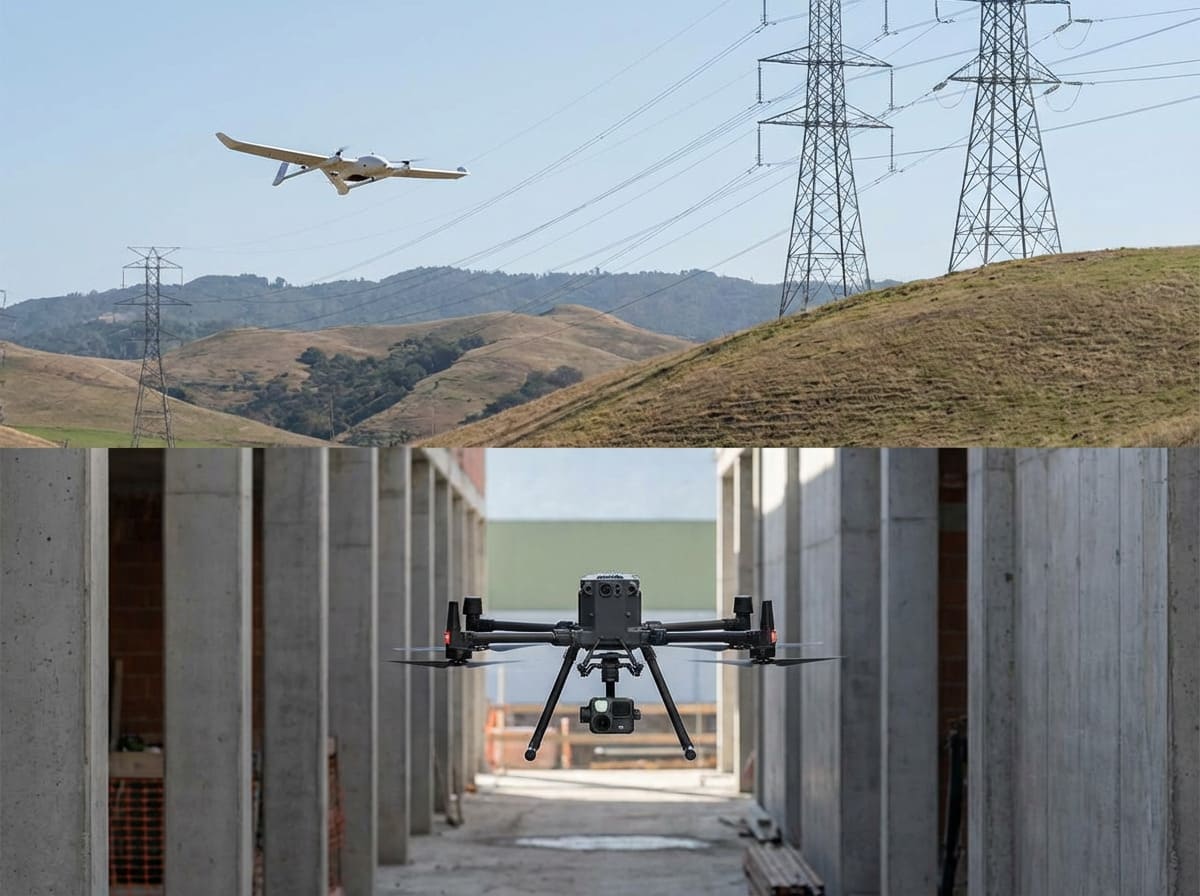
When you need to pick the right UAS platform, knowing the details behind both options keeps your workplace efficient and cost-effective. Let’s look deeper into each major consideration.
VTOL (Vertical Takeoff and Landing Fixed-Wing): Can It Completely Replace Traditional Fixed-Wing?
VTOL fixed-wing UAS promise the best of both worlds: long endurance and vertical takeoff. Many users hope VTOL will simplify deployments in all situations.
VTOL fixed-wing UAS1 can replace traditional fixed-wing in most scenarios where runway space is limited. They offer flexible takeoff and landing combined with long flight times, but may not match the pure efficiency or payload of classic fixed-wing.
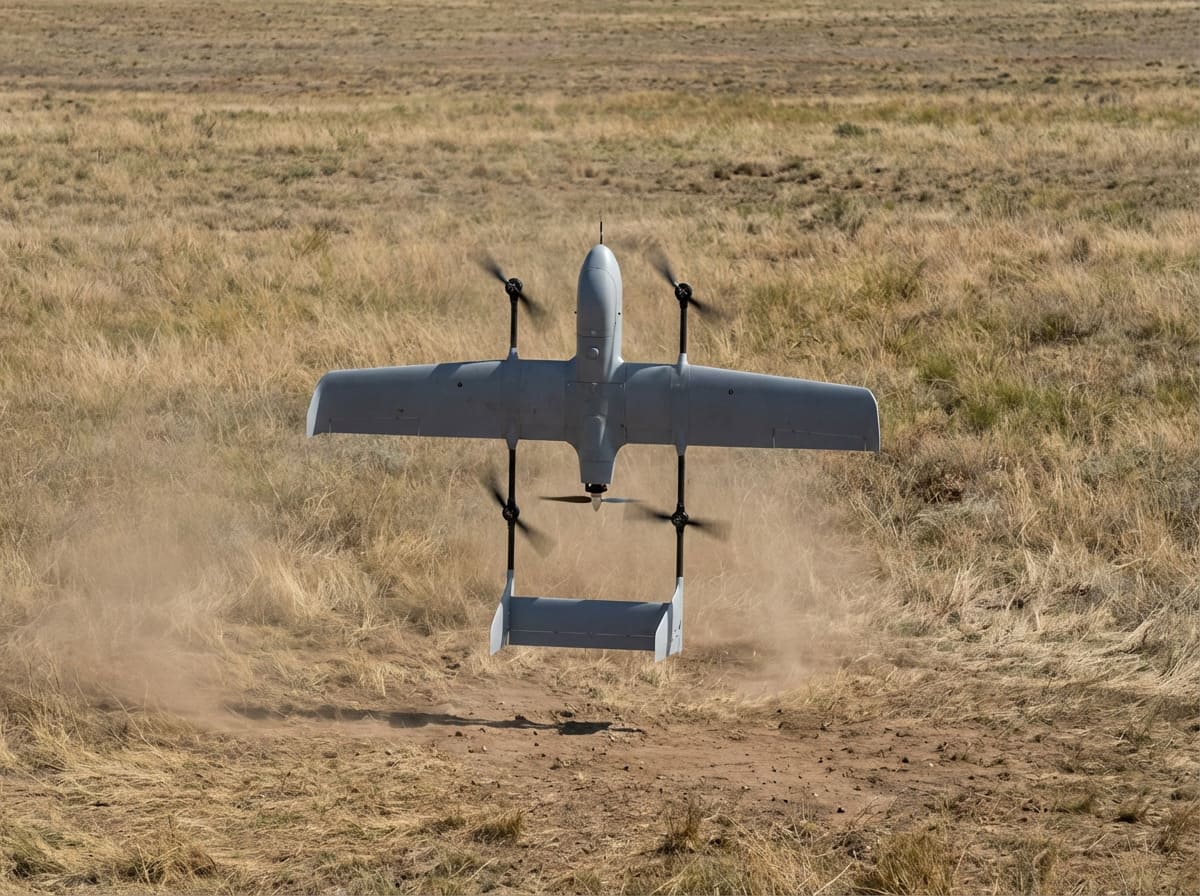
VTOL UAS are gaining attention from the survey and industrial inspection market. I have seen customers celebrate their ability to operate in rough fields, city rooftops, or forest clearings. While traditional fixed-wing UAS need a runway or open field for takeoff and landing, VTOL drones simply lift off. This shrinks the need for large operational teams. VTOL models also make emergency landings safer and open possibilities for rapid deployment.
However, VTOL fixed-wing still comes with trade-offs. Their flight times, while longer than multi-rotors, are usually a bit less than classic fixed-wing electro models with the same battery. Complex VTOL mechanisms add weight and can reduce payload. For clients whose mission maximums matter, pure fixed-wing provides slightly higher efficiency and less maintenance.
Here is a breakdown:
| Model Type | Takeoff/Landing | Endurance | Payload | Maintenance | Typical Use Cases |
|---|---|---|---|---|---|
| VTOL Fixed-Wing | Vertical + Glide | 60-120 min | Medium | Medium | Survey, mapping, inspection |
| Classic Fixed-Wing | Runway/Hand Launch | 90-180 min | High | Low | Long-range survey, patrol |
| Multi-Rotor | Vertical | 25-40 min | Low | High | Photography, small area tasks |
When customers ask me, I say VTOL is a bridge solution. It provides hybrid benefits for mixed terrain, but if pure endurance or cost is the priority, traditional fixed-wing still leads in open field use.
For a Specific Area (Like 500 Mu), Which UAS Has Lower Per-Mission Cost?
Cost is always at the center of decision-making. Many users want to know which drone saves them more money per flight when surveying or spraying 500 mu (about 33 hectares).
For large areas like 500 mu, fixed-wing UAS usually have lower per-mission cost due to longer endurance, higher speed, and less ground crew time. Multi-rotors may cost more per hectare because of limited coverage and frequent battery swaps.
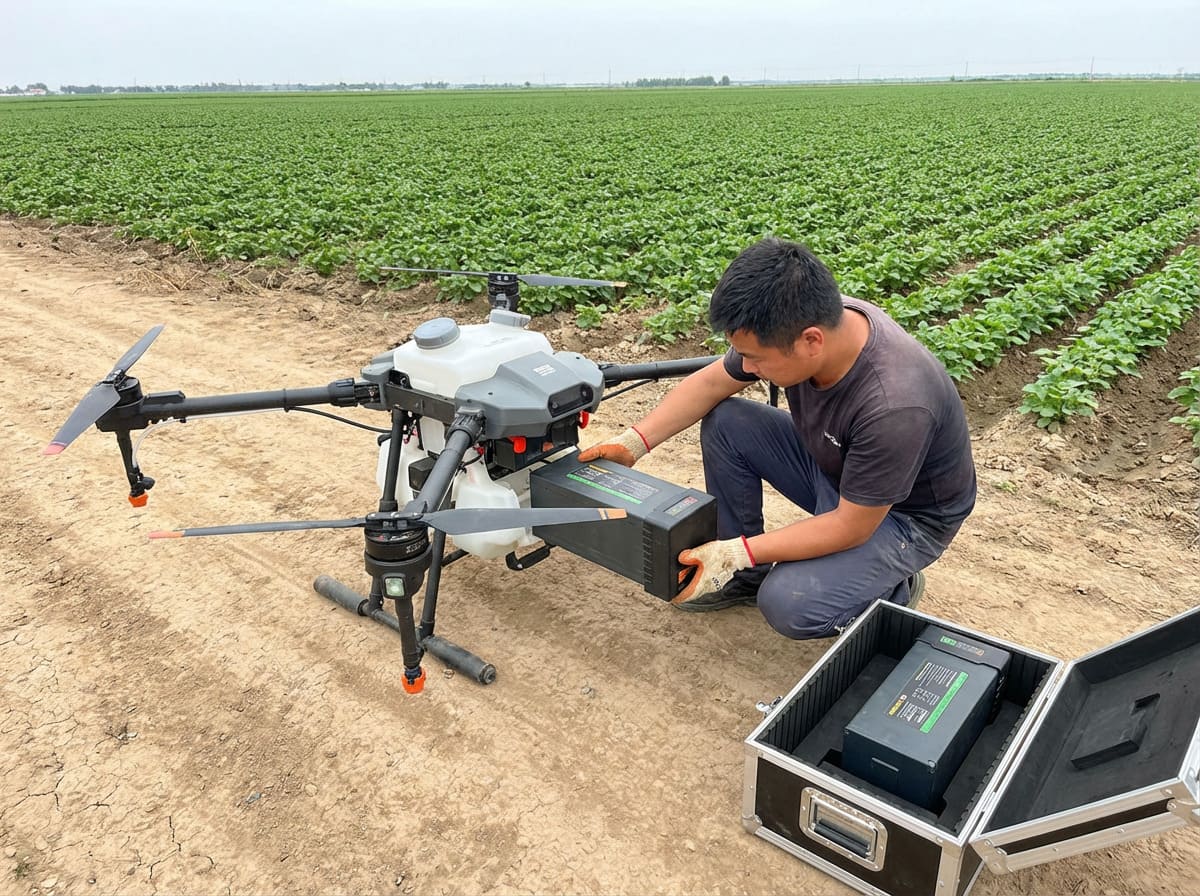
I have often helped clients do cost comparisons for agricultural spraying and mapping. The numbers show that fixed-wing UAS cover more ground faster, reducing time spent per hectare and thus labor and battery expenses. Fewer flights mean less chance of error or downtime. The main cost driver for multi-rotor comes from short flight times, needing more batteries, extra pilots, and more frequent maintenance between sorties.
Here is a simple table for spraying or surveying 500 mu:
| Type | Coverage/hour | Batteries needed | Staff required | Cost/hour | Total cost for 500 mu |
|---|---|---|---|---|---|
| Fixed-Wing | 60 ha | 2-4 | 2 | $50 | $275 |
| Multi-Rotor | 15 ha | 8-12 | 3-4 | $70 | $770 |
Despite the higher initial investment in fixed-wing hardware, long-term returns come from fewer total missions, easier logistics, and less downtime. Multi-rotors could be more economical for smaller or fragmented lots but lose their edge when scale increases.
When my clients need to maximize cost-effectiveness for big fields, I always point them to fixed-wing. The difference in efficiency is clear. That lets them plan bigger jobs with tighter budgets.
For Long-Distance Inspection Tasks, Which UAS Is Easier to Get BVLOS Approval for?
Beyond Visual Line of Sight (BVLOS) is a major milestone for industrial drone applications. Success hinges on regulatory approval, which factors in technical reliability, safety, and communications.
Fixed-wing UAS are usually easier to get BVLOS approval2 for long-distance inspection tasks because they are designed for extended flight time, high reliability, and stable communication systems. Regulatory agencies often favor fixed-wing platforms for these missions.
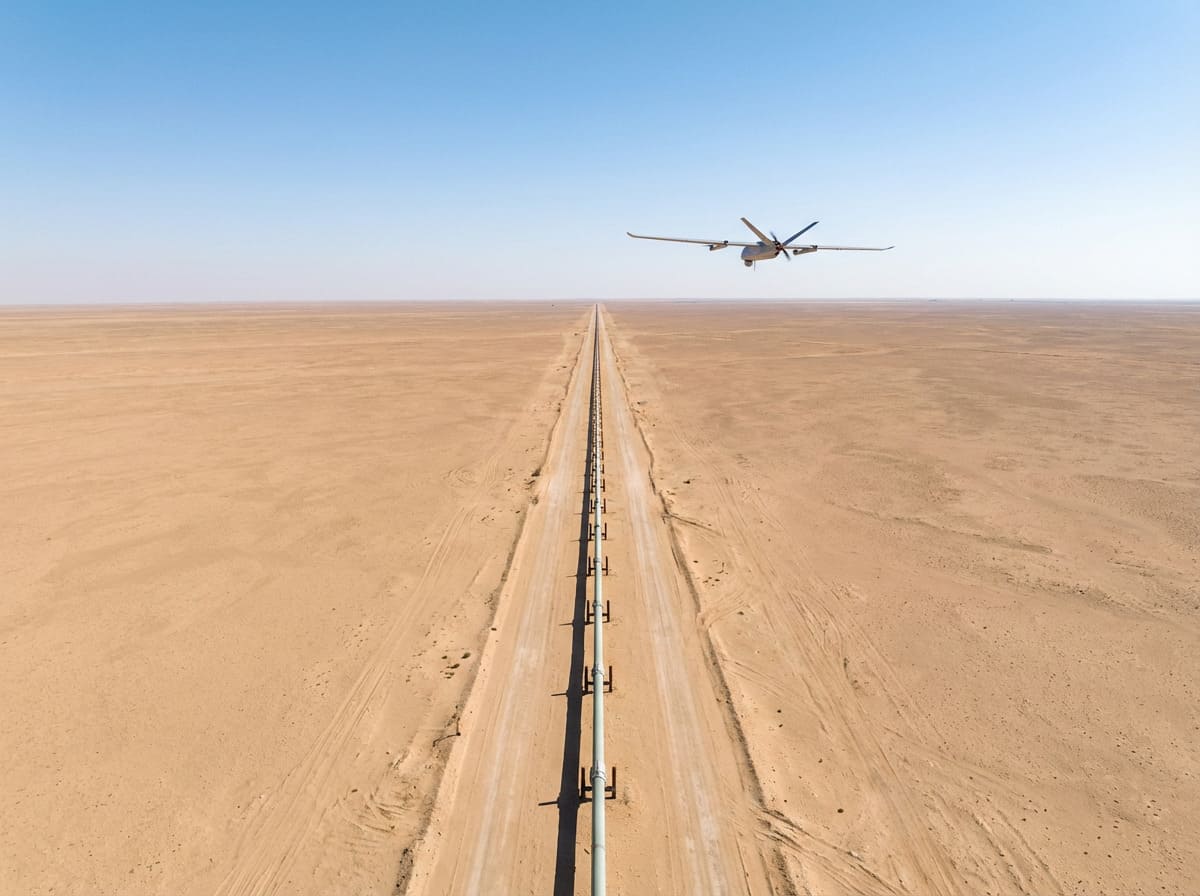
In my experience, most countries, including the US and Europe, consider several points before allowing BVLOS missions. Fixed-wing UAS typically include redundant safety systems such as fail-safe parachutes, better communication links, and well-tested autopilot features. Their predictable flight paths make it easier to calculate risk and design mitigation plans.
Regulators view multi-rotor UAS as riskier in BVLOS because they have shorter range, lower endurance, and less robust fail-safes. Communication over long distances—at least legally—requires stable signal and backup systems. Multi-rotors often lack the hardware to guarantee that.
Breakdown for BVLOS approval readiness:
| Feature | Fixed-Wing | Multi-Rotor |
|---|---|---|
| Endurance | 90-180 min | 25-40 min |
| Redundant Safety | Yes | Sometimes |
| Predictable Path | Yes | No (hover/stop) |
| Comms Range | Long (5-30 km) | Short (<5 km) |
| Regulator Perception | Favorable | Conservative |
I advise teams to use fixed-wing when BVLOS is key, especially for utility line inspection, pipeline patrol, or large-scale border monitoring. Multi-rotors shine for local tasks, quick launches, or close-by infrastructure.
If My Application Requires LiDAR (Laser Radar), Which Has Higher Modeling Precision: Multi-Rotor or Fixed-Wing?
LiDAR mapping3 is rising fast in demand. Many users ask whether multi-rotor or fixed-wing UAS deliver more precise elevation or object models.
Multi-rotor UAS usually have higher LiDAR modeling precision because they can hover, change angle more flexibly, and fly lower/slower, leading to denser point clouds and better ground resolution. Fixed-wing UAS cover bigger areas but lose precision in rough terrain or structures.
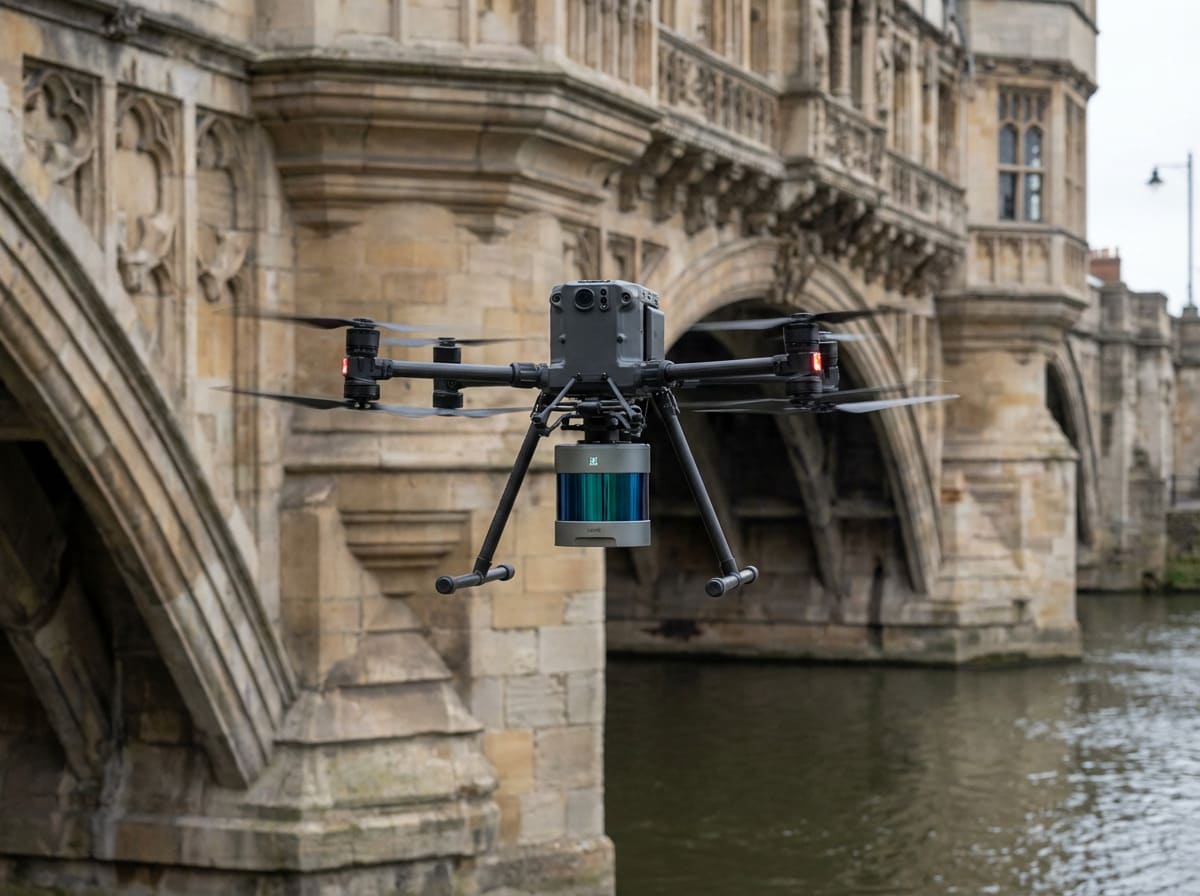
I’ve worked with surveying experts who need high-quality point clouds for construction, archeology, and forestry. Multi-rotors, thanks to their ability to hover and fly at precise altitudes, create very detailed scans. This lets them spend more time over complex objects, collect higher-density 3D data4, and avoid “shadow” areas missed by fixed-wing passes.
Fixed-wing UAS excel where coverage area matters more than finest detail. They create good baseline maps, but their speed and altitude can lower ground point cloud resolution. In hilly terrain or urban zones, multi-rotors can navigate around obstacles, pausing to collect dense data for high-definition models.
Comparison table:
| Capability | Multi-Rotor | Fixed-Wing |
|---|---|---|
| Hover for detail | Yes | No |
| Scan density | High | Medium |
| Large area coverage | Medium | High |
| Terrain adaptation | Easy | Limited |
| Ideal Use | Structures, trees | Plains, fields |
For applications such as precision construction site mapping or forestry, I always recommend multi-rotor drones with specialized LiDAR payloads. This ensures modeling accuracy and helps avoid re-scanning costs.
Conclusion
Fixed-wing UAS suit long-range, high-efficiency missions, while multi-rotor UAS offer unmatched flexibility for detail work. Your unique needs—coverage, cost, regulatory approval, or payload—guide the best choice.
Explore how VTOL fixed-wing UAS combine endurance with flexible takeoff, and where they excel or fall short. ↩
Learn about regulatory preferences and technical advantages of fixed-wing UAS for BVLOS missions. ↩
Find out which UAS type delivers better LiDAR data for construction, forestry, and archeology projects. ↩
Learn how hovering and flexible flight paths improve point cloud quality for detailed modeling. ↩