Your device is constantly running out of power, and it's frustrating. You see the bigger 26650 battery and wonder if it's the simple upgrade you need for longer life.
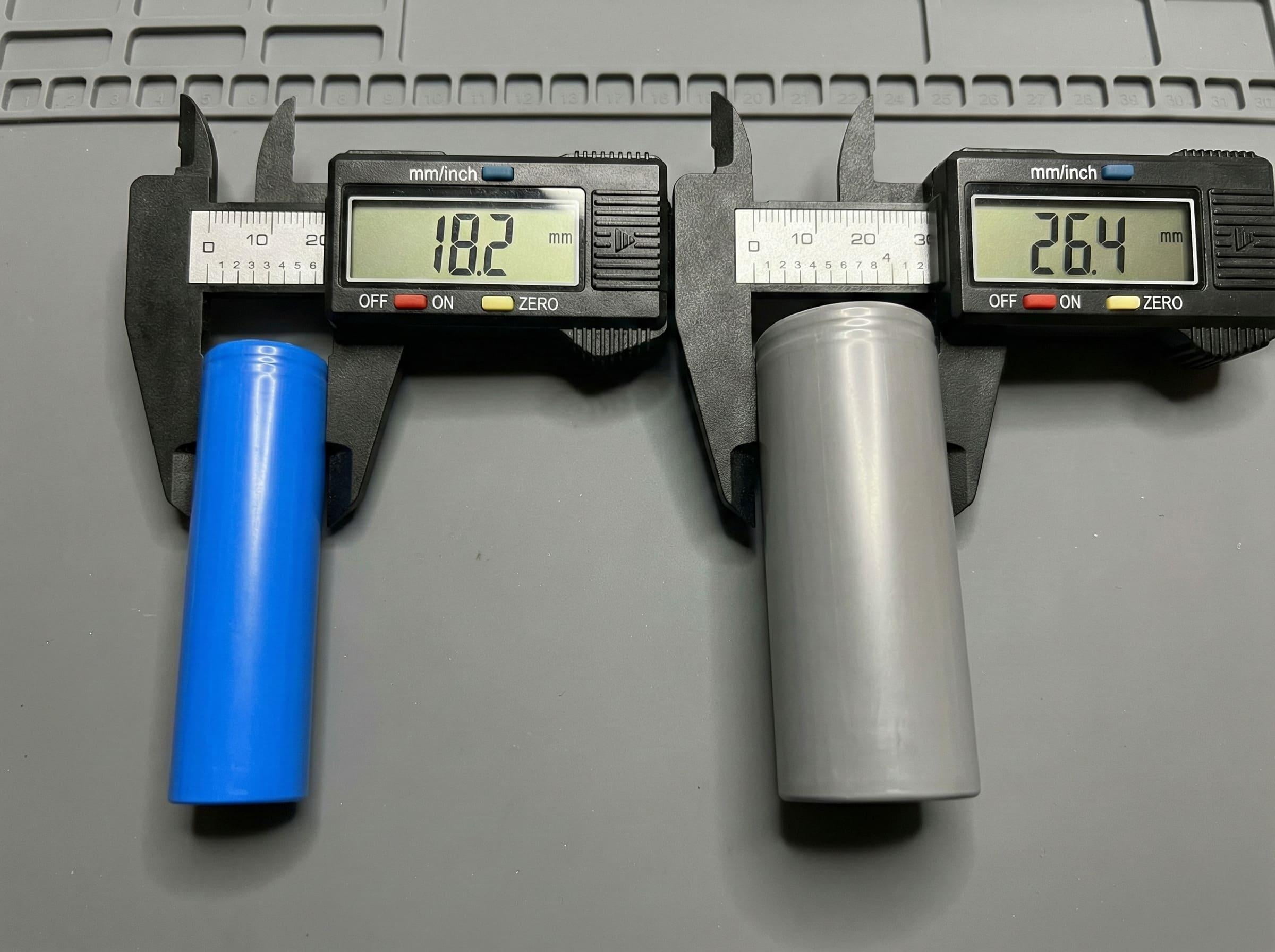
No, you generally cannot directly replace a 18650 battery with a 26650. The 26650 is physically larger (26mm diameter vs. 18mm) and will not fit in a device designed for a 18650. Forcing it could cause short circuits, damage, and serious safety risks.
I get this question a lot. The desire for longer runtime is universal, and on the surface, a bigger battery seems like an easy solution. But in the world of lithium batteries, "bigger" involves more than just size. It involves chemistry, safety systems, and electrical specifications that must be perfectly aligned with your device. Before you even think about attempting a swap, it's crucial to understand why this is a bad idea and what the safer alternatives are. Let's break down the common questions I hear from clients and get you the right answers.
Since a 26650 won't fit, is there an 'in-between' option with more capacity?
You're stuck because a 26650 is too big, but you still crave more power than your 18650 provides. The search for a middle-ground solution is a common challenge.
Yes, the 21700 battery is the most popular "in-between" model. It's larger and has a higher capacity than a 18650 but is smaller than a 26650, offering a great balance of size and performance for devices designed to accommodate it.
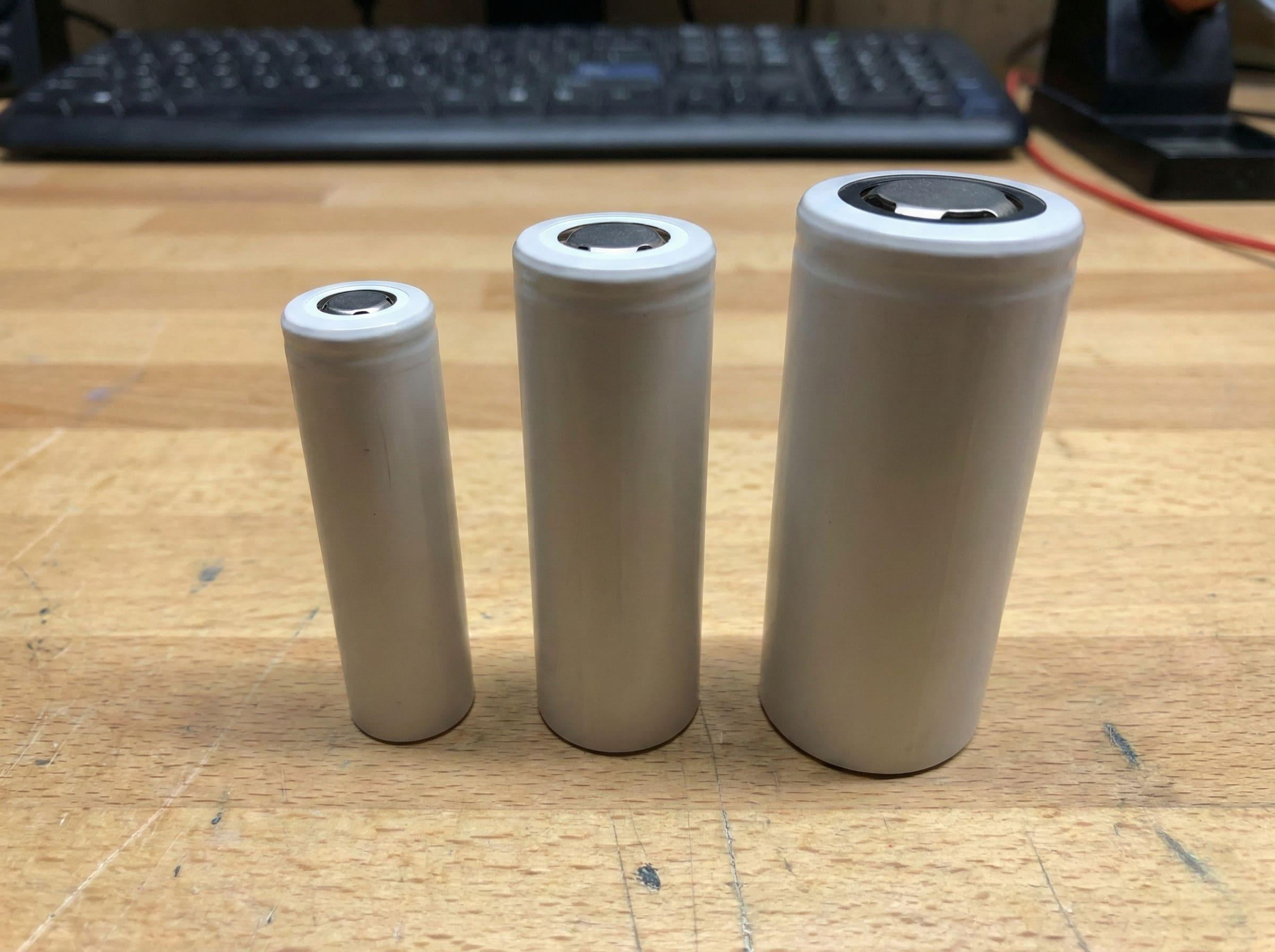
In my years of designing custom battery solutions, I've seen the 21700 cell rise in popularity for this very reason. It hits a sweet spot. Originally popularized by the electric vehicle industry for its excellent energy density, it has now been adopted by many high-performance consumer electronics. However, it's important to remember that you still can't just squeeze a 21700 into a device made for a 18650. The battery compartment must be designed for it.
Let's look at the physical differences:
| Battery Type | Diameter (mm) | Length (mm) | Typical Capacity (mAh) |
|---|---|---|---|
| 18650 | 18 | 65 | 2000 - 3500 |
| 21700 | 21 | 70 | 4000 - 5000 |
| 26650 | 26 | 65 | 4500 - 5500 |
As you can see, the 21700 offers a significant capacity boost over the 18650 without the bulk of a 26650. This is why many new high-drain devices like powerful flashlights, vapes, and power tools are being built around the 21700 standard. If your device manufacturer offers a version that uses 21700s, it's a fantastic upgrade. But if you're developing a new product, this is where we at Litop can help. We can design a custom battery pack that maximizes the available space, perhaps using 21700 cells or even a custom-shaped LiPo battery to give you the capacity you need without compromising your product's design.
Will an external 26650 battery box damage my 18650 device?
You think you've found a clever workaround with an external battery box. But connecting it makes you nervous. You're worried this DIY solution could fry your expensive equipment.
It's very risky. Mismatched voltage, current capabilities, or protection circuits can easily damage your device. While technically possible if all specs align perfectly, it's a dangerous gamble for non-professionals. The potential for permanent damage is high.
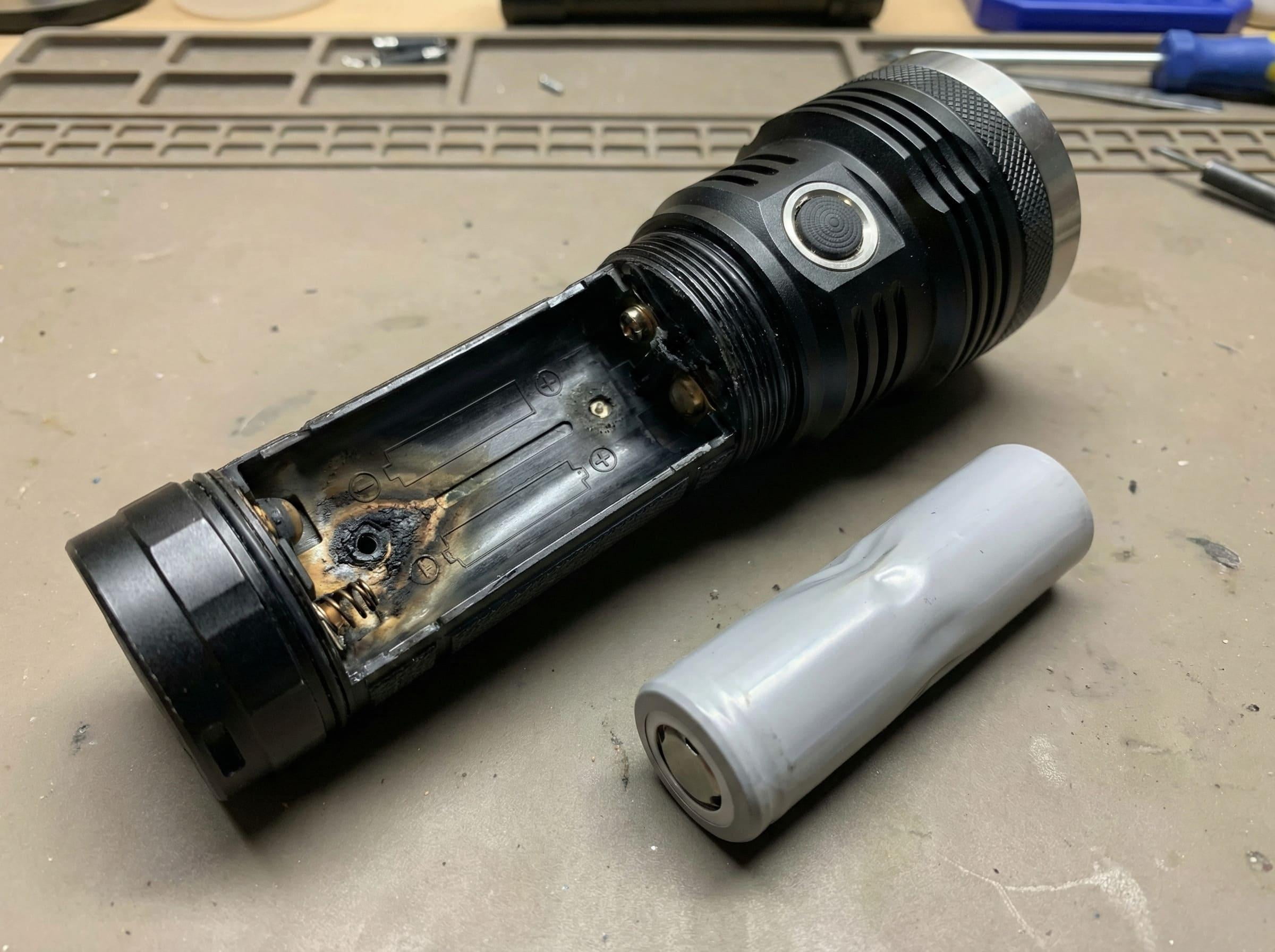
I once had a client, let's call him Michael, who owns a company developing portable medical monitors. He was brilliant but not a battery expert. He asked me about using an external 26650 pack to extend the field life of his 18650-powered device. I strongly advised against it, and here’s why.
First, voltage is everything. Most lithium-ion 18650 and 26650 batteries have a nominal voltage of 3.6V/3.7V. But some, particularly LiFePO4 cells, have a 3.2V nominal voltage. Connecting a 3.7V battery to a device expecting 3.2V can cause over-voltage damage. The reverse is also true; a 3.2V battery may not even power a device that needs 3.7V.
Second is the Battery Management System (BMS). Your device's internal charging and protection circuits are tuned for the original 18650 battery's specific capacity and discharge rate. A 26650 battery not only has more capacity but can often deliver a higher current. If the external battery's BMS parameters don't communicate properly with the device, critical safety features like over-current and over-charge protection may fail. This could lead to the device trying to pull too much current or charge the battery improperly, resulting in overheating and component failure. For Michael's medical device, such a failure would be catastrophic. Instead, we designed a higher-capacity custom pack that fit his original housing, ensuring safety and reliability.
Are those 6000mAh or 10000mAh 18650 batteries real?
You're browsing online and see 18650 batteries with unbelievable capacity claims like 9900mAh, and for a low price. It seems too good to be true. Is this your magic bullet?
No, they are absolutely fake. The current technological limit for a reliable 18650 battery is around 3500-3600mAh. Any listing claiming 6000mAh, 9900mAh, or more is a scam and involves dangerous, low-quality cells.
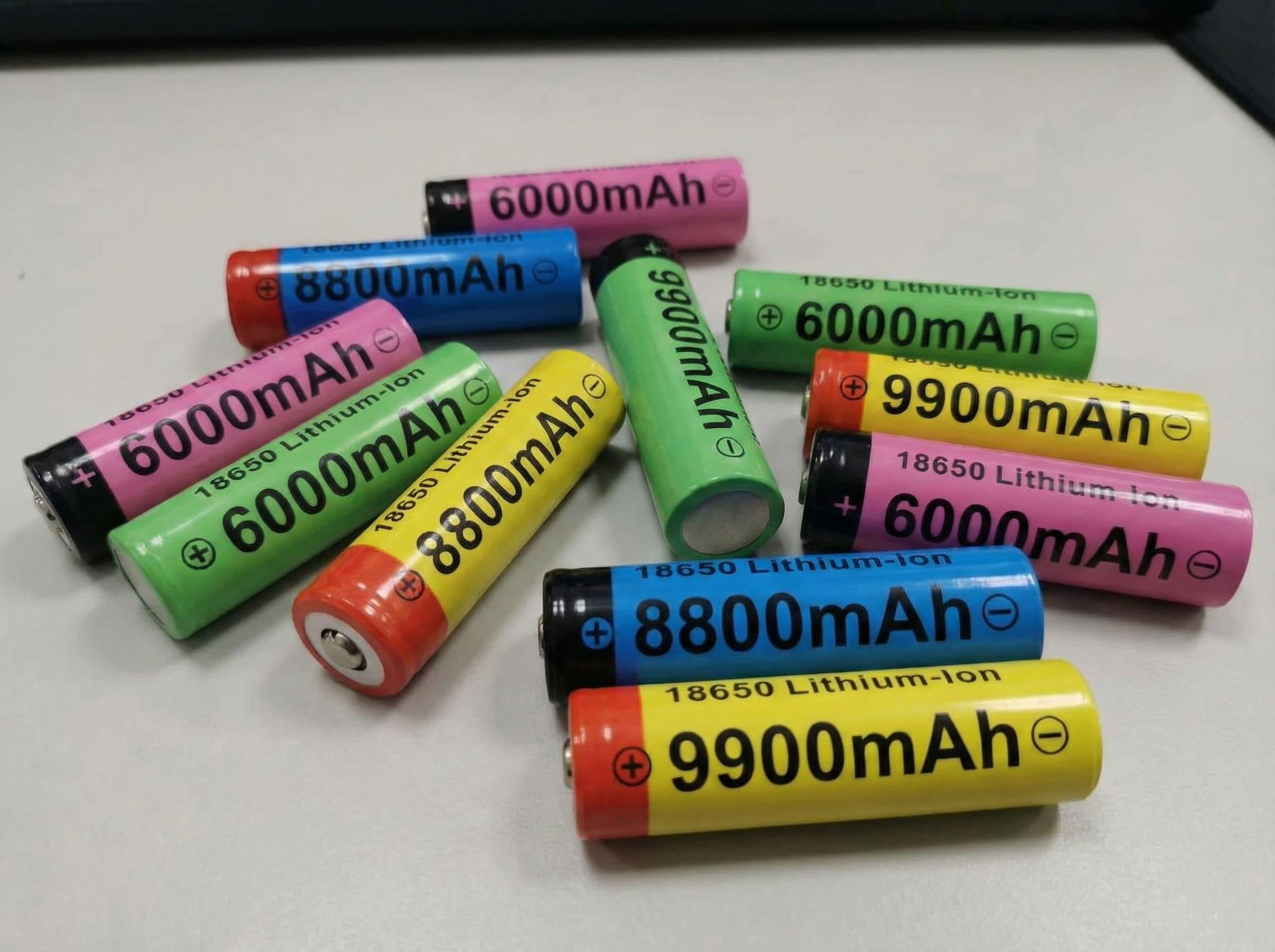
This is one of the most dangerous traps in the battery market. As a manufacturer with 8 years of experience, I can tell you it is chemically and physically impossible to stuff 10,000mAh of capacity into a standard 18650 cell today. The energy density just isn't there yet.
So, what are you actually buying? These are almost always very low-grade, recycled cells, often with an actual capacity of less than 1500mAh. Scammers take these junk cells, put a new wrapper on them with a flashy, exaggerated capacity number, and sell them to unsuspecting buyers. I've even seen them cut open, only to find the cell is half-filled with sand to give it a convincing weight.
The real danger isn't just that you're getting ripped off. These fake batteries are a serious fire hazard. They completely lack the internal safety mechanisms that reputable manufacturers like Litop build into every cell, such as the Pressure, Temperature, and Current (PTC) switch. They have no reliable protection against overcharging, overheating, or short-circuiting. Using one, especially in a high-drain device, is asking for trouble. At Litop, our production is ISO9001 certified, and our 15-person quality control team performs rigorous checks at every stage. We provide batteries with honest, tested capacities that you can trust.
What if I use a 18650 in a 26650 device with an adapter?
Your powerful 26650 flashlight is dead, but you have a fully charged 18650 and an adapter sleeve. It seems like a logical temporary fix to get you out of a bind.
This can work in an emergency, but it's not a good long-term solution. You will get drastically shorter runtime, and more importantly, you risk overheating and permanently damaging the 18650 battery by over-stressing it.
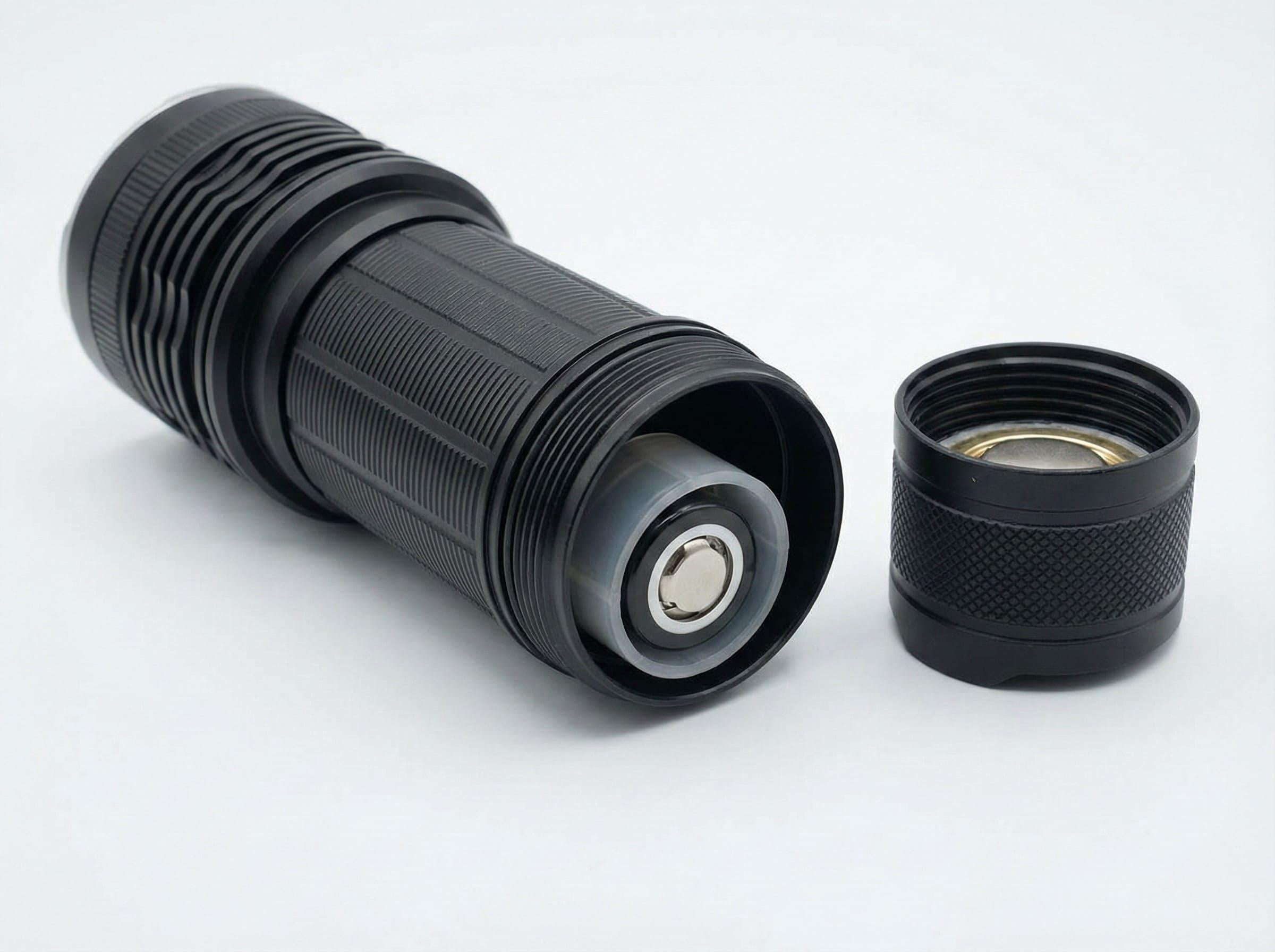
Using a smaller battery in a larger device is the opposite problem, but it comes with its own set of risks. The most obvious downside is the runtime. A 18650 battery has about half the capacity of a 26650, so your device will die much faster.
The more critical issue is the current draw (C-rate). Devices built for 26650 cells, like high-lumen flashlights or industrial tools, are designed to pull a lot of current. A 26650 battery is built to handle this high demand. A standard 18650, however, may not be. When your device tries to draw more current than the 18650 is rated to provide, the battery is put under extreme stress. This causes its internal resistance to generate a large amount of heat.
This strain leads to several problems:
- Overheating: The battery can get dangerously hot, which degrades its internal chemistry and is a safety risk.
- Voltage Sag: Under the heavy load, the battery's voltage will drop significantly, which can cause your device to flicker, underperform, or shut down unexpectedly.
- Reduced Lifespan: Constantly pushing a battery beyond its limits will permanently damage it, drastically cutting down the number of times it can be recharged.
Think of it like using a small sedan engine to pull a heavy truck trailer. It might move, but you're straining the engine the entire time and will eventually cause it to fail. It's a fine trick for a short emergency, but for regular use, always use the battery your device was designed for.
Conclusion
Directly swapping a 18650 for a 26650 is unsafe due to size and electrical mismatches. While options like the 21700 exist, the best and safest path is always to use the battery specified for your device or to consult an expert for a custom-fit solution.