Struggling to pick the right cylindrical battery for your project? A wrong choice can lead to poor performance or wasted money. I'll help you decide the best fit.
The best choice depends on your needs. For the best overall performance and energy density, choose the 21700. For compact devices where space is tight, the 18650 is ideal. For large-capacity applications like energy storage where size doesn't matter, consider the 26650.
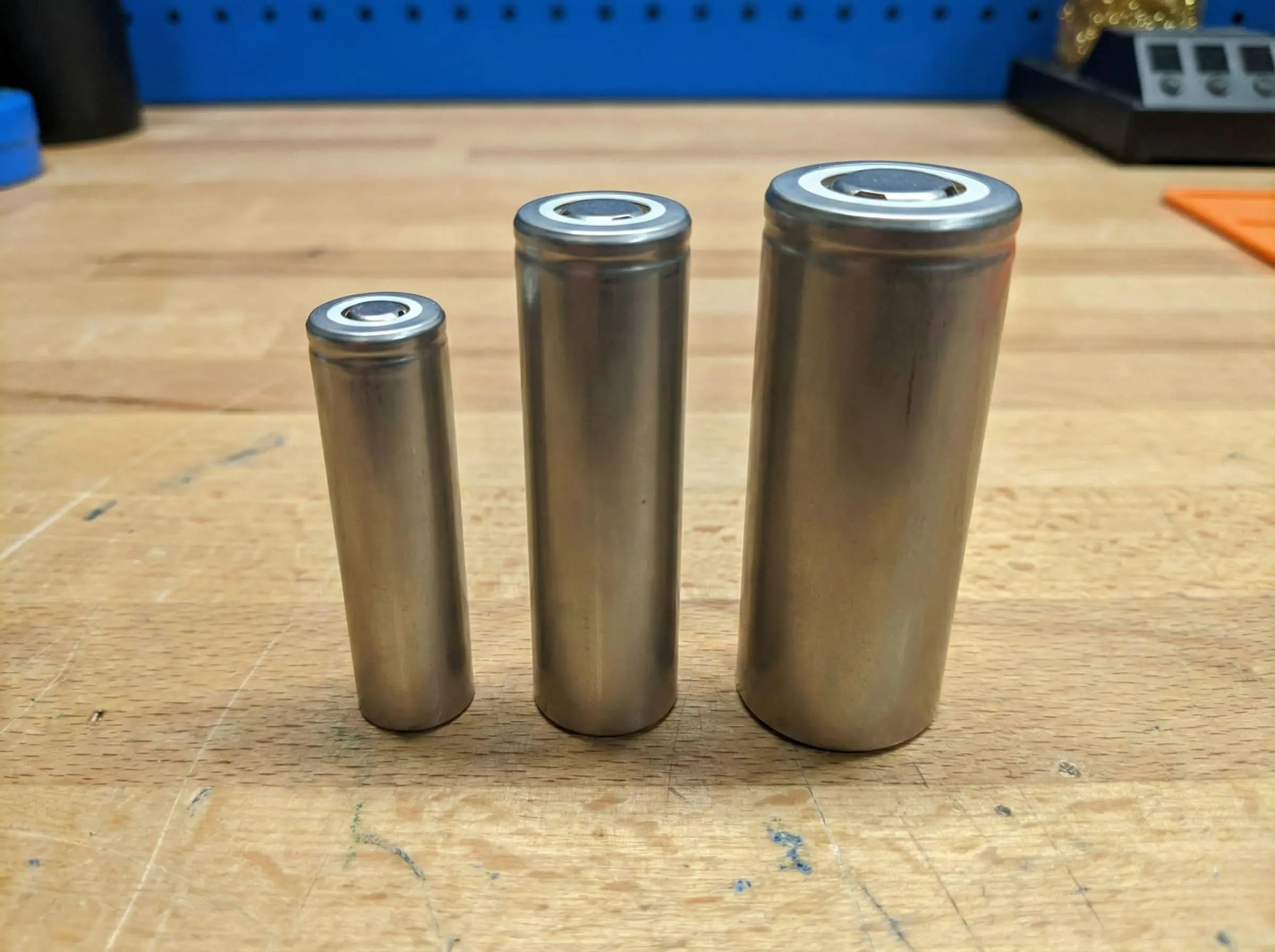
Choosing between these three popular formats can seem complicated, but it's actually quite simple once you understand the trade-offs. The numbers in their names just refer to their physical size. For example, an 18650 battery is 18mm in diameter and 65mm long. While the 21700 is a newer and more powerful standard, the classic 18650 and the beefy 26650 still have very important roles to play. Let's dig deeper into the specific situations where each one shines, so you can make a confident choice for your next project.
If 21700 has the highest energy density, why is the 26650 more popular for LiFePO4 (LFP) applications?
You see 26650 LFP batteries everywhere for energy storage, which seems odd given the 21700's stats. This might make you doubt your battery choices. I'll explain the reason.
For large-scale LiFePO4 (LFP) applications like solar storage, the 26650's lower cost per amp-hour and excellent thermal stability are more valuable than the 21700's higher energy density. Where space isn't a primary concern, cost-effectiveness and safety win out.
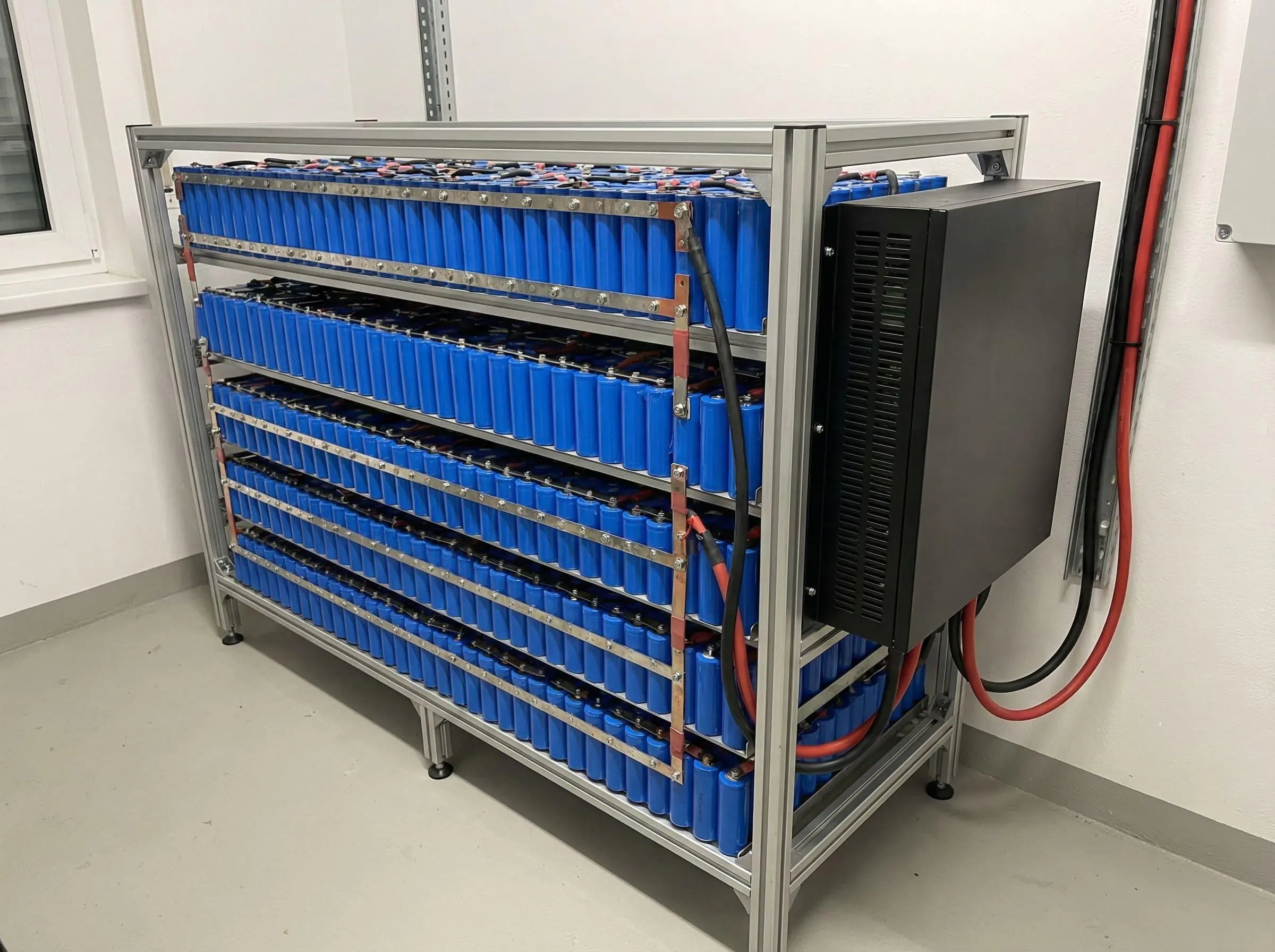
When I talk with clients building large stationary power systems, the conversation is different. They aren't trying to build a lightweight drone; they're building a solar energy storage unit for a home or an RV power system. In these cases, the physical size of the battery pack is not the most important factor. The key priorities are cost, safety, and a long cycle life. This is where the 26650 format, especially with LFP chemistry, truly excels.
Cost vs. Energy Density
While a 21700 cell using NMC chemistry has fantastic energy density, the game changes when we look specifically at LFP. LFP is known for its incredible safety and long lifespan, making it perfect for storage. The manufacturing process for 26650 LFP cells is very mature. This allows factories to produce them at a lower cost per amp-hour compared to the newer 21700 LFP cells. When you're building a massive 10kWh or 20kWh system, these small per-cell savings add up to a significant reduction in the total project cost.
Thermal Management and Safety
LFP chemistry is already much safer than high-energy chemistries like NMC because it's less prone to thermal runaway. The larger physical size of the 26650 cell provides more surface area, which helps it dissipate heat more effectively. In a large, densely packed battery, better heat management is crucial for both safety and longevity. This physical advantage can sometimes mean you need a less complex and less expensive Battery Management System (BMS), further reducing the overall pack cost.
Here's a simple breakdown:
| Feature | 21700 LFP | 26650 LFP |
|---|---|---|
| Primary Goal | Power & Compactness | Capacity & Cost |
| Space Efficiency | Higher | Lower |
| Cost per Ah | Higher | Lower |
| Thermal Performance | Good | Excellent |
| Common Use | High-Power Tools, LEVs | Solar Storage, RVs, Marine |
So, while the 21700 is a technical champion in energy density, the 26650 is the economic champion for stationary storage.
Can I modify my 18650 chargers and holders to fit 21700 batteries?
You have lots of 18650 gear and want to upgrade to 21700s. But buying all new accessories is expensive and wasteful. So, you wonder if a simple modification is possible.
No, you generally cannot and should not modify 18650 accessories for 21700 cells. The size difference is too large for a reliable fit, and using the wrong charger can be inefficient and unsafe. It is always better to buy accessories designed for 21700s.
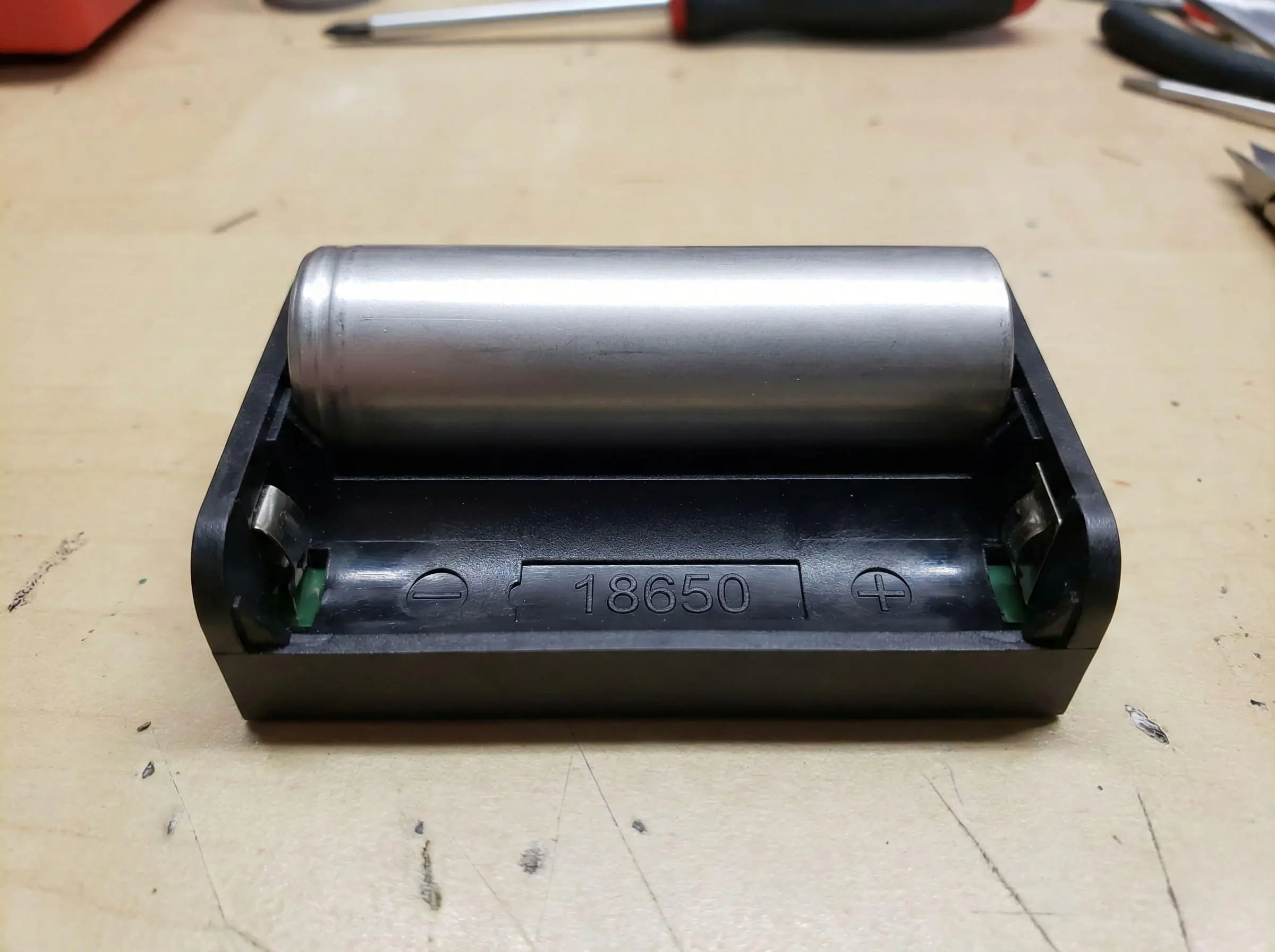
I get this question a lot, especially from hobbyists. On the surface, it seems like a clever way to save money. A 21700 cell is only 3mm wider and 5mm longer than an 18650. It feels like it almost fits. However, from my experience as a battery manufacturer, I can tell you that "almost" is a dangerous word in the world of lithium-ion batteries. Trying to force a fit is a bad idea for two main reasons: the physical mismatch and the electrical mismatch.
The Physical Mismatch
Most 18650 battery holders and charger bays are made from hard plastic molded to precise dimensions. Forcing a 21mm diameter cell into an 18mm slot can crack the holder or, even worse, tear the battery's thin PVC wrapper. This wrapper is a critical safety insulator. If it gets damaged and the metal can of the battery touches a contact it shouldn't, you can create a dangerous short circuit. I had a client, Michael, who tried this. He managed to jam a 21700 cell into an old flashlight. The light flickered and died. When he got the cell out, the wrapper was torn and the battery was getting hot. He was lucky it didn't cause a fire.
The Electrical Mismatch
Even if you find a charger with springs long enough to make contact, the charging electronics are not designed for a 21700 cell.
- Charging Speed: An 18650 charger typically provides a lower current (e.g., 0.5A to 1A). A 21700 cell has a much higher capacity (e.g., 4000-5000mAh vs 2500-3500mAh). Using the old charger will take an extremely long time to charge the new cell.
- Charging Logic: Modern smart chargers use specific algorithms to determine when a battery is full. These algorithms are based on the cell's expected capacity and internal resistance. Using an 18650 charger on a 21700 cell can confuse this logic, leading to undercharging (you don't get the full capacity) or, in rare cases with faulty chargers, creating an unsafe condition.
Your batteries and your safety are worth more than the few dollars you might save. Always buy chargers and holders that are explicitly rated for the 21700 cell size.
To build a 1kWh battery pack, what's the cost and which cell offers the lowest total price?
You need to build a 1kWh battery pack and want the most cost-effective option. But choosing the wrong cell could significantly inflate your project's budget and complexity.
Often, the 21700 cell gives the lowest total cost for a 1kWh pack. You need fewer cells compared to the 18650, which reduces costs for labor, wiring, and the BMS. This assembly saving often outweighs the slightly higher per-cell price.
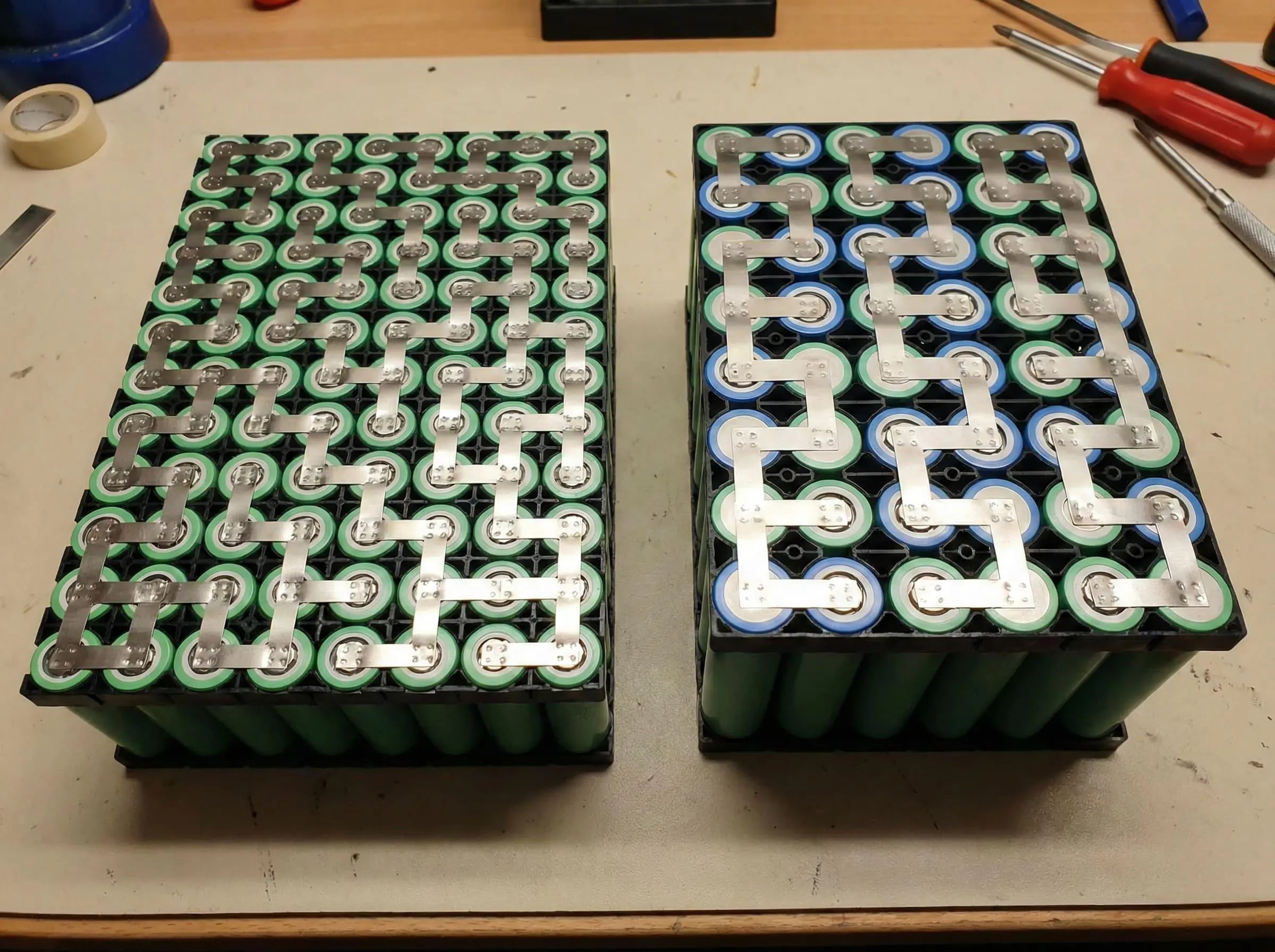
This is a fantastic question because it forces us to look beyond the sticker price of a single cell and consider the total cost of a finished product. At Litop, this is a calculation we run for our clients every day. The final cost of a battery pack is much more than just the sum of its cells. The answer almost always surprises people who assume the cell with the lowest price is the cheapest option.
Calculating the Number of Cells
First, let's do some quick math. We need to figure out how many cells of each type are needed to reach 1000 watt-hours (1kWh). We'll use some typical cell specifications for this example.
- 18650 Cell: 3.7V, 3000mAh -> 11.1Wh per cell. Cells for 1kWh: 1000 / 11.1 ≈ 91 cells.
- 21700 Cell: 3.7V, 4500mAh -> 16.65Wh per cell. Cells for 1kWh: 1000 / 16.65 ≈ 61 cells.
- 26650 LFP Cell: 3.2V, 5000mAh -> 16.0Wh per cell. Cells for 1kWh: 1000 / 16.0 ≈ 63 cells.
As you can see, you need significantly fewer 21700 or 26650 cells than 18650s to achieve the same total energy.
Beyond the Cell: Associated Costs
This is where the real savings happen. Every single cell in a pack adds to the assembly cost.
- Labor: Each cell needs to be tested, placed in a holder, and spot-welded. Fewer cells mean less labor. Welding 61 cells is much faster and cheaper than welding 91 cells.
- Materials: Fewer cells mean you need fewer plastic cell holders and less nickel strip for connections.
- BMS Complexity: The Battery Management System (BMS) needs to monitor groups of parallel cells. Having fewer cells can sometimes lead to a simpler pack configuration, which might allow for a less complex and therefore cheaper BMS.
Let's summarize the total cost impact in a table.
| Factor | 18650 Pack | 21700 Pack | 26650 Pack |
|---|---|---|---|
| Cells for 1kWh | ~91 | ~61 | ~63 |
| Connections Needed | High | Low | Low |
| Labor Cost | High | Low | Low |
| BMS/Holder Cost | High | Low | Medium |
| Total Cost Rank | 3rd (Highest) | 1st (Lowest) | 2nd |
Even if an individual 18650 cell is cheaper, the high quantity and assembly costs make it the most expensive option for a 1kWh pack. The 21700, with its high energy content per cell, usually provides the best balance and results in the lowest total project cost.
Since Tesla is moving to 4680 batteries, will devices using 21700 or 18650 cells become obsolete soon?
You hear about Tesla's new 4680 cells and worry your expensive 21700 or 18650 devices are already outdated. Nobody wants to invest in technology that's about to disappear.
No, 18650 and 21700 cells will not become obsolete. The 4680 is for large electric vehicles. The 18650 and 21700 formats are essential for countless smaller devices and have a massive, mature manufacturing ecosystem that ensures their long-term availability.
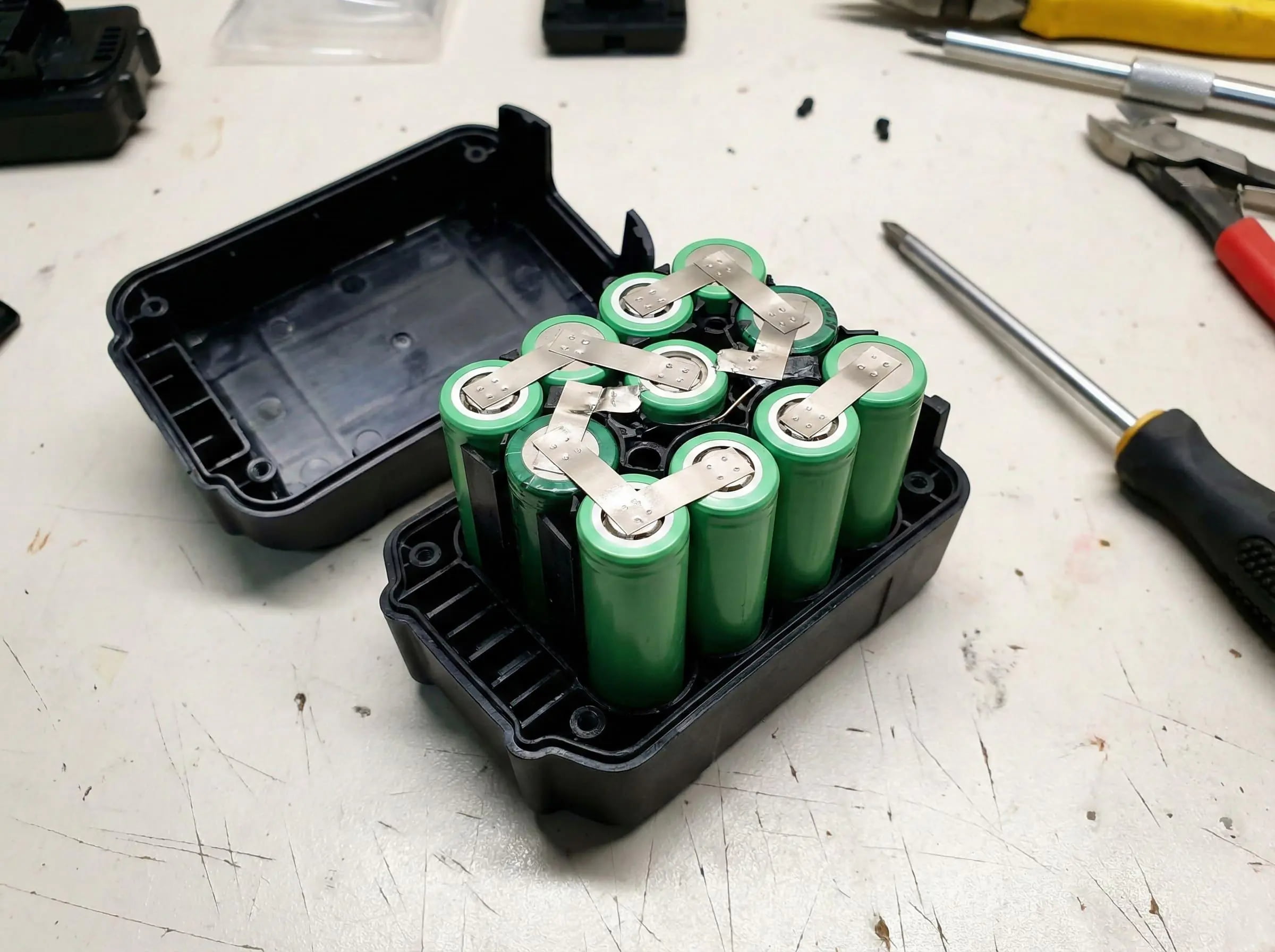
It's smart to think about future-proofing your technology. When a major player like Tesla makes a big move, it sends ripples through the industry. However, the fear that the 4680 cell will make the 18650 and 21700 obsolete is misplaced. It's like worrying that the invention of a new cargo ship engine will make car engines obsolete. They are designed for completely different jobs.
The 4680 is for a Specific Niche
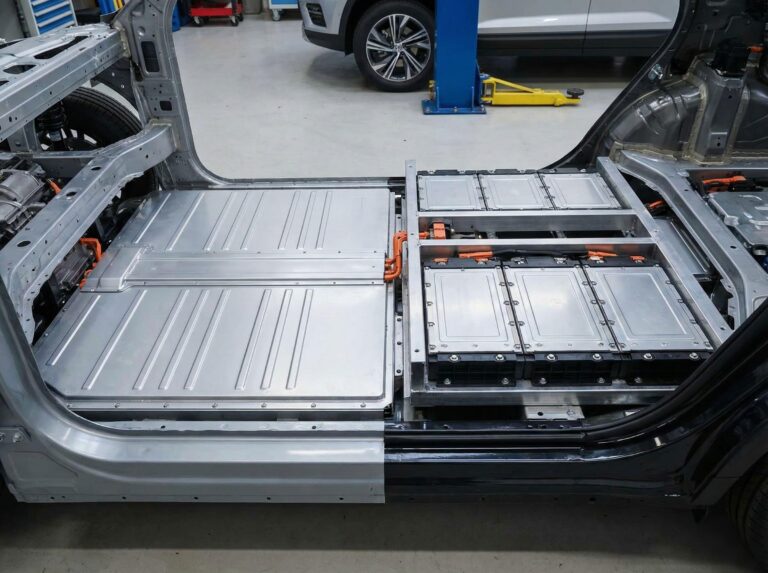
The 4680 cell is a beast. It's 46mm in diameter and 80mm long. Its size and power are designed specifically for use in structural battery packs for electric vehicles. The goal is to make the battery pack part of the car's frame, reducing weight and complexity. However, this massive size makes it completely unsuitable for the vast majority of battery-powered products. At Litop, many of our customers need batteries for things like Bluetooth headsets, medical monitors, and other wearable tech. We specialize in custom-shaped, curved, and ultra-thin batteries. A 4680 cell is the physical opposite of what these applications require. You simply cannot fit a battery that large and heavy into a handheld power tool or a portable medical device.
The Power of the Existing Ecosystem
The 18650 and 21700 formats are not just battery sizes; they are global standards.
- Manufacturing Scale: There are hundreds of factories around the world with billions of dollars invested in production lines dedicated to these two cell sizes. This massive scale keeps them affordable and widely available.
- Product Design: Millions of products, from laptops and power banks to critical medical equipment, have been designed specifically around the dimensions of 18650 and 21700 cells. Redesigning all of these products would be a monumental and unnecessary expense.
- Supply Chain: The entire supply chain, including chargers, holders, protection circuits, and testing equipment, is mature and optimized for these formats.
Think of the 18650 as the "AA battery" of the rechargeable world. Even though other battery types exist, the AA format persists because of its incredible ubiquity. The 18650 has that same status, and the 21700 is its powerful, modern successor. They will both be with us for many, many years to come.
Conclusion
The right battery choice comes down to your application. The 21700 is the best all-around performer, the 18650 excels in compact designs, and the 26650 serves its niche in low-cost LFP storage. Your investment in 18650 and 21700 technology is safe for the foreseeable future.